In this guide
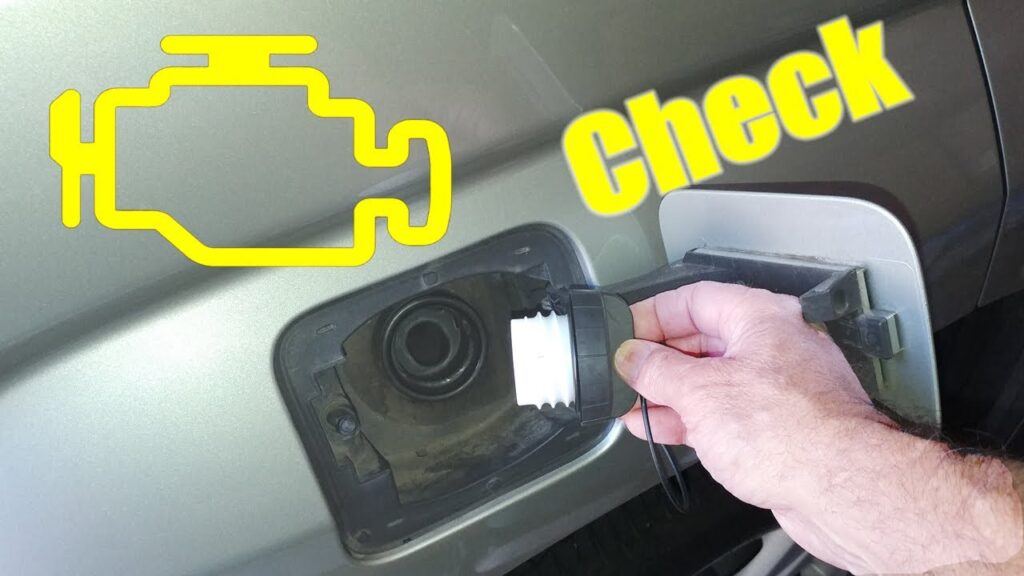
If you have ever pulled out of a gas station and suddenly noticed your check engine light glowing on the dashboard, your first instinct is probably panic. Most drivers assume something serious is wrong under the hood. But here is the truth — one of the most common reasons your check engine light turns on is a loose gas cap. It sounds almost too simple to be real, but your gas cap is a critical piece of your vehicle’s fuel system. When it is not sealed properly, your car’s onboard computer detects a problem and triggers that warning light instantly. Understanding why a loose gas cap causes the check engine light to come on — and knowing how to fix it — can save you hundreds of dollars in unnecessary repair visits.
How Does a Loose Gas Cap Trigger the Check Engine Light?
Your vehicle’s Evaporative Emission Control System, commonly known as the EVAP system, is responsible for capturing fuel vapors from the fuel tank and preventing them from escaping into the atmosphere. This system works by creating a sealed environment. The gas cap is one of the most important parts of maintaining that seal.
When your gas cap is loose, missing, or damaged, fuel vapors escape from the tank instead of being recycled back into the engine. Your car’s Engine Control Module (ECM) or Powertrain Control Module (PCM) constantly monitors the EVAP system for pressure changes. The moment the system detects a drop in pressure — which happens when the gas cap is not tight — it stores a Diagnostic Trouble Code (DTC) and turns on the check engine light to alert you.
This is not a random malfunction. Your vehicle is specifically designed to catch this kind of issue. Cars built after 1996 are required by federal law to have OBD-II (On-Board Diagnostics) systems that monitor emissions components, and the gas cap seal is one of the things they check automatically after every refueling event.
What OBD Codes Are Related to a Loose Gas Cap?
When your check engine light comes on because of a loose or damaged gas cap, your car will store one or more specific trouble codes. Knowing these codes helps you understand exactly what your vehicle detected. Here is a breakdown of the most common EVAP-related OBD codes tied to a loose gas cap:
| OBD Code | Code Name | What It Means |
|---|---|---|
| P0440 | EVAP System Malfunction | General malfunction detected in the evaporative emissions system — often caused by a loose or damaged gas cap |
| P0442 | Small EVAP Leak Detected | A small leak was found in the EVAP system, possibly from a slightly loose cap or worn seal |
| P0455 | Large EVAP Leak Detected | A significant leak in the system — frequently caused by a completely loose or missing gas cap |
| P0456 | Very Small EVAP Leak Detected | A tiny leak detected, which could be a hairline crack in the cap or seal degradation |
| P0457 | EVAP Leak — Gas Cap Loose or Missing | This code directly points to the gas cap as the source of the problem |
P0457 is the most direct indicator that your gas cap is the issue. However, P0455 and P0440 are also very commonly triggered by a loose or faulty gas cap. If you see any of these codes on a scan tool, always start by inspecting and tightening the gas cap before looking at other components.
Why Is the Gas Cap So Important to Your Car?
Many drivers overlook the gas cap because it seems like a minor, cosmetic part. In reality, it does several critical jobs at the same time. Understanding these roles helps you appreciate why a loose gas cap causes such a wide range of problems.
Seals the Fuel System: The gas cap creates an airtight seal on the fuel filler neck. This seal is essential for the EVAP system to function. Without it, the system cannot maintain the pressure it needs to redirect fuel vapors back into the engine for combustion.
Prevents Fuel Evaporation: A properly sealed gas cap keeps fuel vapors trapped inside the tank. Without this seal, gasoline evaporates faster than it should. Over the course of a full year, a leaking fuel cap can allow roughly 30 gallons of fuel vapor to escape, wasting money and polluting the environment.
Protects the Fuel Tank from Contamination: The cap keeps dirt, dust, moisture, and debris out of your fuel tank. If these contaminants enter the tank, they can clog fuel injectors and damage the fuel pump over time — leading to repairs that cost far more than a new gas cap.
Supports Emissions Compliance: In states that require emissions testing, a loose or damaged gas cap will cause your vehicle to fail the emissions test. The testing process specifically checks for EVAP system integrity, and a bad gas cap seal is one of the quickest ways to fail.
Signs That Your Gas Cap Is Loose or Damaged
Before you rush to a mechanic, take a moment to look for these common warning signs that your gas cap may be the root cause of your check engine light:
- The check engine light is on — especially if it came on shortly after filling up with gas
- You smell gasoline near your car, even when you have not spilled any fuel recently
- Your fuel economy has dropped noticeably — you are filling up more often than usual without any change in your driving habits
- The gas cap does not click when you tighten it — a properly working cap should click into place after a few turns
- You can see cracks or damage on the cap or its rubber seal
- The cap spins freely without tightening — this means the seal or locking mechanism has worn out
- Your car failed an emissions test and the technician pointed to the fuel system
If you are experiencing more than one of these signs at the same time, there is a very high chance your gas cap is the source of the problem.
How to Fix a Check Engine Light Caused by a Loose Gas Cap
Fixing this problem is one of the easiest and cheapest repairs you can do on your own. Follow these steps carefully:
Step 1 — Remove and Inspect the Gas Cap
Turn off your engine completely. Open your fuel door and remove the gas cap by turning it counterclockwise. Once removed, look closely at the cap for any visible damage. Pay special attention to the rubber seal (O-ring) on the inside of the cap. This seal is what creates the airtight connection between the cap and the filler neck. If the seal is cracked, dried out, flattened, or missing, the cap will not seal properly no matter how tightly you screw it on.
Step 2 — Clean the Filler Neck
Before reinstalling the cap, take a moment to clean the filler neck opening. Dirt, debris, and dried fuel residue can build up over time and prevent the cap from sealing tightly. Use a clean cloth to wipe away any gunk around the threads and the seal contact area. If the filler neck is corroded or rusty, gently clean it with fine-grit sandpaper or steel wool, then wipe it clean with a dry cloth.
Step 3 — Reinstall the Cap Properly
Place the gas cap back on the filler neck and turn it clockwise until you hear it click into place. Most gas caps require 3 to 5 clicks to be fully sealed. Do not stop turning after just one click — keep going until the cap feels firm and will not turn any further. The clicks are your confirmation that the seal is engaged.
Step 4 — Drive Your Car
After tightening the cap, drive your vehicle for a normal amount of time — ideally 20 to 30 miles. Your car’s computer needs a few complete drive cycles to retest the EVAP system. If the gas cap was the only issue, the check engine light should turn off on its own within one to three drive cycles. Do not expect it to disappear instantly after tightening the cap.
Step 5 — Use an OBD-II Scanner If Needed
If the check engine light does not go off after a few drive cycles, you can use an OBD-II scanner to manually clear the stored trouble code. Basic OBD-II scanners are available at most auto parts stores for under $20. Plug it into the OBD port (usually located under the steering wheel or dashboard), read the stored codes to confirm it is an EVAP-related code, and then clear the codes. If the problem has been fixed, the light will stay off. If it comes back, there may be another issue in your fuel system.
When Should You Replace the Gas Cap Instead of Just Tightening It?
Sometimes tightening is not enough. If your gas cap is worn out or damaged, a replacement is the only real solution. Here are the situations where you should replace it rather than keep trying to tighten it:
- The rubber seal is visibly cracked, dried, or missing
- The cap spins freely and does not engage properly when turned
- You cannot hear or feel clicks when installing the cap
- The plastic body of the cap is cracked or broken
- You have already tightened the cap and the check engine light keeps coming back
- Your cap is older than 50,000 to 100,000 miles — gas caps are not designed to last a lifetime
Replacement gas caps are inexpensive. Most auto parts stores carry them for between $10 and $25, depending on your vehicle’s make and model. Always buy an OEM (Original Equipment Manufacturer) cap or a high-quality aftermarket replacement that matches your vehicle exactly. A poorly fitting cap will cause the same problems as a loose one. Check your owner’s manual or ask a parts store employee to confirm you are buying the correct size and type.
Case Study: How a Loose Gas Cap Led to a $700 Misdiagnosis
One real-world example highlights just how costly ignoring or misdiagnosing a loose gas cap can be. A catering business in Grand Rapids brought in a delivery van with the check engine light on and an EVAP leak code stored in the system. A repair shop quoted the business $700 to replace the charcoal canister and purge valve — both components of the EVAP system.
Before authorizing that repair, the business owner sought a second opinion. A different mechanic performed a thorough inspection and discovered the problem was nothing more than a cracked gas cap seal. A new gas cap costing under $20 fixed the issue entirely. The check engine light cleared after a few drive cycles, and no other EVAP components needed to be touched.
This case is not unusual. Loose or damaged gas caps are one of the most commonly misdiagnosed causes of check engine lights. Many shops skip basic inspections and jump straight to more expensive repairs. Always ask your mechanic to check the gas cap first — it is the first thing any good technician should do.
What Happens If You Ignore a Loose Gas Cap?
Leaving a loose gas cap unaddressed might seem harmless in the short term, but the consequences add up over time. Here is what can happen if you do not fix the problem:
Reduced Fuel Economy: A loose or damaged gas cap can cause a 1% to 10% drop in fuel economy, depending on how severe the leak is. Over months of driving, this translates to real money wasted at the pump.
Increased Emissions: Fuel vapors escaping from an unsealed gas cap go directly into the atmosphere. This increases your vehicle’s overall emissions output and contributes to air pollution.
Emissions Test Failure: If you live in a state with mandatory emissions testing, your vehicle will not pass until the gas cap issue is resolved. This can delay your vehicle registration and cost you time and hassle.
Potential Damage to EVAP Components: Over time, a persistent vapor leak can put stress on other parts of the EVAP system, including the charcoal canister, purge valve, and EVAP hoses. These components are designed to work in a sealed system. When they are exposed to conditions they were not built for, they wear out faster.
Contamination of the Fuel Tank: A loose cap allows moisture and airborne debris into the fuel tank. This contamination can clog fuel injectors and damage the fuel pump, leading to costly repairs down the road.
Other Causes of a Check Engine Light That Look Like a Gas Cap Problem
Not every check engine light is caused by a loose gas cap. If you have tightened or replaced your cap and the light stays on, there may be another issue in your EVAP system or elsewhere in your vehicle. Here are some common causes that produce similar symptoms:
| Possible Cause | How It Mimics a Loose Gas Cap |
|---|---|
| Cracked or Disconnected EVAP Hose | Creates a vapor leak just like a loose cap, triggering the same OBD codes |
| Faulty EVAP Purge Valve | If this valve fails, excess vapors are not processed correctly, causing EVAP codes |
| Damaged Charcoal Canister | A cracked or clogged canister disrupts vapor storage, triggering system-wide leak codes |
| Faulty Fuel Tank Pressure Sensor | An inaccurate sensor may report a leak even when the system is sealed properly |
| Damaged Fuel Filler Neck | Cracks or corrosion on the filler neck itself can cause leaks independent of the gas cap |
If your check engine light remains on after addressing the gas cap, have your vehicle professionally diagnosed. A mechanic can use a smoke test — a technique that introduces smoke into the EVAP system to visually locate any leak — to find the exact source of the problem.
How to Prevent Gas Cap Problems in the Future
Keeping your gas cap in good shape is one of the easiest preventive maintenance steps you can take. Here are a few simple habits that will help you avoid check engine light issues caused by a loose or damaged gas cap:
- Always tighten the cap until it clicks after every fill-up — do not leave the pump and drive away without confirming the cap is secure
- Inspect the cap and seal every time you get an oil change — look for cracks, dryness, or wear on the rubber O-ring
- Clean the filler neck area regularly to prevent dirt and debris from interfering with the seal
- Replace the gas cap every 50,000 miles or whenever you notice any signs of damage
- Use only the correct cap for your vehicle — never use a cap from a different make, model, or year, as it may not seal properly
- Avoid vented gas caps — these are designed for older, carbureted engines and will cause problems in any modern vehicle
Frequently Asked Questions About Check Engine Light and Loose Gas Cap
Can a loose gas cap really turn on the check engine light? Yes. A loose gas cap is one of the most common causes of a check engine light. When the cap is not sealed, your car’s EVAP system detects a vapor leak and the ECM stores a trouble code, which causes the light to come on.
How long does it take for the check engine light to turn off after tightening the gas cap? It typically takes one to three drive cycles — usually about 20 to 30 miles of normal driving — for the check engine light to clear on its own after the gas cap has been properly tightened. If it does not clear, use an OBD-II scanner to manually reset the code.
Is it safe to drive with a loose gas cap? Driving short distances with a loose gas cap is generally safe, but it is not recommended for long periods. A loose cap wastes fuel, increases emissions, and can allow contamination into the tank. Fix it as soon as possible.
How much does a gas cap replacement cost? A new gas cap typically costs between $10 and $25 at most auto parts stores. If you have a mechanic install it and run a diagnostic check, the total cost may be slightly higher, but it remains one of the cheapest repairs available.
What OBD code does a loose gas cap trigger? The most direct code is P0457 (EVAP Leak — Gas Cap Loose or Missing). Other commonly related codes include P0440, P0442, P0455, and P0456, all of which point to leaks or malfunctions in the EVAP system.
Will my car fail an emissions test because of a loose gas cap? Yes. If your vehicle has an active EVAP-related trouble code or a physically damaged gas cap, it will fail an emissions inspection in states that require them.
Should I replace the gas cap or just tighten it? If the cap is in good condition and simply came loose, tightening it is enough. However, if the rubber seal is cracked, the cap is damaged, or the problem keeps recurring, replacing it is the better long-term solution.
Can a loose gas cap cause other engine problems besides the check engine light? In most cases, a loose gas cap only affects the EVAP system and fuel economy. However, in rare situations, it can cause rough idling or slight starting difficulties if the fuel system pressure is significantly disrupted.
📌 Sources: Old Ox Tire & Auto — Is Your Check Engine Light On? A Loose Gas Cap Might Be the Culprit Christian Brothers Automotive — Check Engine Light On? Check Your Gas Cap DADS Auto Repair — Why A Check Engine Light Can Be Turned On By A Loose Gas Cap AutoZone — P0455 Trouble Code — Diagnosis, Causes, Symptoms & How to Fix FIXD — P0455 Engine Code Explained HowStuffWorks — Could Your Gas Cap Be Costing You Money? Ervine’s Auto Repair — Why a Loose Gas Cap Can Trigger Your Check Engine Light and Waste Gas NAPA — How the Check Engine Light Can Affect Your Fuel Economy FuelEconomy.gov — Fuel Economy
🔧 Still dealing with a check engine light on and a gas cap that will not stay tight? Do not waste time guessing. Use the steps above to inspect and tighten your gas cap first. If the problem persists, grab a basic OBD-II scanner, pull the trouble code, and take your vehicle to a trusted mechanic for a professional EVAP system diagnostic. A loose gas cap is an easy fix — do not let it turn into an expensive one.
If you are researching engine-related maintenance and want to learn more about how different engine technologies compare, check out our guide on engineered hardwood vs laminate over at All About Engines for more general engine information and resources.