In this guide
Understanding Your Blinking Check Engine Light
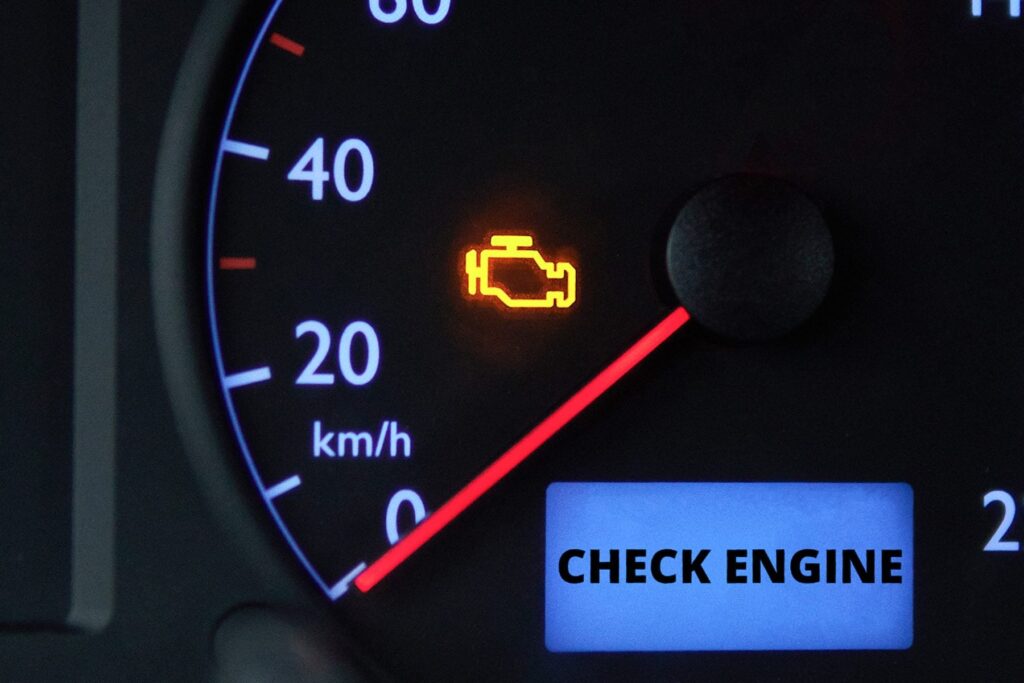
If you’ve noticed your check engine light blinking or flashing while driving, you’re likely experiencing a moment of genuine concern. What does a blinking check engine light mean? Unlike a steady check engine light that indicates a minor issue, a flashing or blinking check engine light is your vehicle’s way of screaming for immediate attention. This critical warning signal indicates that your engine is experiencing severe misfires that could cause catastrophic damage to your catalytic converter, potentially costing you thousands of dollars in repairs.
A blinking check engine light is not something you can ignore or put off until your next scheduled maintenance. This warning light represents an urgent mechanical problem that requires immediate action. When your check engine light blinks, it means your engine is misfiring so severely that unburned fuel is entering the exhaust system, which can overheat and destroy the catalytic converter in a matter of minutes. Understanding what triggers this warning and knowing how to respond can save you from expensive repairs and keep you safe on the road.
According to automotive diagnostics experts, a flashing check engine light occurs when the vehicle’s onboard diagnostic system (OBD-II) detects cylinder misfires happening at a rate that exceeds safe thresholds. This comprehensive guide will walk you through everything you need to know about what does a flashing check engine light mean, from the underlying causes to immediate actions you should take, and how to prevent this emergency situation from occurring in the future.
What Does a Blinking Check Engine Light Mean? The Critical Difference
Understanding the Blinking vs. Steady Light Distinction
The difference between a blinking check engine light and a steady check engine light is the difference between an urgent emergency and a problem that needs attention soon. When your check engine light is steady or solid, it typically indicates a minor issue such as a loose gas cap, a faulty oxygen sensor, or a minor emissions problem. These issues should be addressed, but they don’t require you to pull over immediately.
However, when the check engine light blinks or flashes, your vehicle’s computer has detected a severe engine misfire that poses an immediate threat to your catalytic converter and overall engine health. A misfire occurs when one or more cylinders fail to ignite the air-fuel mixture properly, causing incomplete combustion. When this happens repeatedly and rapidly, unburned fuel passes through the exhaust system and can ignite inside the catalytic converter, causing it to overheat to temperatures exceeding 1,400°F (760°C).
The catalytic converter is one of the most expensive components in your vehicle’s exhaust system, often costing between $1,000 and $3,000 to replace depending on your vehicle make and model. When a blinking check engine light appears, you typically have only minutes to respond before permanent damage occurs. This is why automotive manufacturers programmed the OBD-II system to make the light blink rather than stay steady – it’s designed to grab your attention immediately and signal that this is not a problem you can drive with for days or weeks.
The Science Behind Engine Misfires and Warning Signals
Modern vehicles are equipped with sophisticated onboard diagnostic systems that constantly monitor engine performance through dozens of sensors. The engine control module (ECM) or powertrain control module (PCM) receives real-time data about combustion events, exhaust emissions, air-fuel ratios, and engine timing. When the system detects that a cylinder is misfiring at a rate that could cause catalytic converter damage, it triggers the blinking check engine light.
Specifically, the OBD-II system counts misfires per 1,000 revolutions and calculates the percentage of misfires occurring. According to EPA regulations and SAE standards, if misfires exceed approximately 4-5% of combustion events, the check engine light will flash to warn the driver. This threshold exists because even a small percentage of misfires, when sustained over time, can generate enough excess heat to melt the ceramic honeycomb structure inside the catalytic converter.
Common Causes: Why Is Your Check Engine Light Blinking?
Ignition System Failures
Faulty spark plugs are among the most common causes of a blinking check engine light. Spark plugs are designed to create the electrical arc that ignites the air-fuel mixture in each cylinder, and when they wear out or become fouled with carbon deposits, they can’t generate a strong enough spark. Most manufacturers recommend replacing spark plugs every 30,000 to 100,000 miles depending on the plug type (copper, platinum, or iridium). When spark plugs fail, you’ll often notice rough idling, reduced acceleration, and poor fuel economy in addition to the flashing warning light.
Ignition coils convert the battery’s 12-volt power into the thousands of volts needed to create a spark across the spark plug gap. Modern vehicles typically use a coil-on-plug design where each cylinder has its own dedicated ignition coil. When an ignition coil fails, that cylinder stops firing completely, causing severe misfires. Ignition coil failure can be caused by heat exposure, vibration, age, or electrical problems. Diagnostic trouble codes (DTCs) such as P0300 (random misfire) or P0301-P0308 (cylinder-specific misfire codes) help technicians identify which coil has failed.
Spark plug wires and ignition cables, in vehicles that use them, can deteriorate over time due to heat, oil contamination, and electrical arcing. Damaged plug wires allow electrical current to escape before reaching the spark plug, resulting in weak or absent sparks. Visual inspection often reveals cracks, burns, or corrosion on failing plug wires. These components are relatively inexpensive to replace and should be inspected during regular tune-ups.
Fuel System Problems
Clogged or failing fuel injectors prevent the proper amount of fuel from reaching the combustion chamber. Fuel injectors are precision devices that spray atomized fuel into each cylinder at precisely timed intervals. Over time, they can become clogged with deposits from low-quality fuel, or they can fail mechanically due to worn internal components. When a fuel injector fails to deliver fuel, that cylinder runs lean or doesn’t fire at all, causing misfires.
Insufficient fuel pressure from a weak or failing fuel pump can cause multiple cylinders to misfire simultaneously. The fuel pump, typically located inside the fuel tank, must maintain specific pressure (usually between 30-80 PSI depending on the vehicle) to ensure proper injector operation. A failing fuel pump often produces a whining noise from the fuel tank area and may cause the engine to stumble or hesitate during acceleration before triggering the blinking check engine light.
Contaminated fuel containing water, dirt, or the wrong octane rating can cause widespread misfires. Using fuel with an octane rating lower than your engine requires can cause pre-ignition or detonation, which the computer may detect as misfires. Similarly, water in the fuel tank (from condensation or contaminated gas station tanks) prevents proper combustion and triggers the misfire detection system.
Air Intake and Vacuum Issues
Vacuum leaks in the intake manifold, vacuum hoses, or gaskets allow unmeasured air to enter the engine, disrupting the carefully calibrated air-fuel mixture. When too much air enters the system, the mixture becomes too lean to ignite properly, causing misfires. Common vacuum leak sources include cracked intake manifold gaskets, deteriorated vacuum hoses, faulty PCV valves, and loose throttle body connections. Technicians often use smoke machines to locate vacuum leaks by introducing smoke into the intake system and watching for where it escapes.
Mass airflow (MAF) sensor contamination can cause incorrect air measurement readings, leading to improper fuel delivery calculations. The MAF sensor uses a hot wire or film to measure the mass of air entering the engine. When this sensor becomes contaminated with dirt or oil, it provides inaccurate data to the engine computer, which then delivers the wrong amount of fuel. This can create conditions lean enough or rich enough to cause misfires, especially under acceleration or load.
Mechanical Engine Problems
Low compression in one or more cylinders indicates serious mechanical problems such as worn piston rings, damaged valves, blown head gaskets, or timing chain/belt issues. Compression is essential for proper combustion – without sufficient compression, the air-fuel mixture won’t ignite properly even with good spark and fuel delivery. A compression test performed by a technician can reveal mechanical problems that require significant engine repair or rebuilding.
Timing belt or timing chain problems can cause valve timing to be incorrect, preventing proper combustion. If the timing belt has skipped teeth or the chain has stretched significantly, the valves may open and close at the wrong times relative to piston position. This disrupts the combustion cycle and causes severe misfires. In interference engines, timing problems can also cause valves to contact pistons, resulting in catastrophic engine damage.
Carbon buildup on intake valves, particularly in direct injection engines, can prevent valves from sealing properly and disrupt airflow into the cylinders. Direct injection engines spray fuel directly into the combustion chamber rather than the intake port, which means the intake valves don’t get washed by fuel. Over time, carbon deposits accumulate and must be removed through chemical cleaning or walnut shell blasting services.
Immediate Actions: What to Do When Your Check Engine Light Starts Blinking
Step 1: Reduce Engine Load Immediately
The moment you notice your check engine light blinking, reduce your speed and engine load immediately. This means easing off the accelerator and avoiding any situation that puts additional stress on the engine, such as climbing hills, rapid acceleration, or towing. Reducing engine load decreases the amount of unburned fuel entering the exhaust system, which helps protect your catalytic converter from immediate damage.
If you’re on a highway, carefully move to the right lane and begin slowing down to a safer speed. Avoid sudden braking or erratic movements that could create a hazard for other drivers. The goal is to minimize engine stress while safely navigating to a stopping point. Every second that you continue driving with severe misfires increases the risk of catalytic converter damage.
Step 2: Pull Over Safely as Soon as Possible
Find a safe location to pull over completely – this could be a parking lot, wide shoulder, or side street. Do not attempt to drive home or to a repair shop if the light continues blinking. Turn on your hazard lights to alert other drivers. Once stopped, turn off the engine and allow it to cool for several minutes.
While stopped, check for obvious problems that you might be able to address immediately. Look for loose or disconnected wires, check that all vacuum hoses appear connected, and ensure there are no obvious fluid leaks. However, do not attempt to drive the vehicle until the problem has been properly diagnosed and repaired.
Step 3: Call for Professional Assistance
Contact a towing service or roadside assistance to transport your vehicle to a repair facility. Attempting to drive even short distances with a blinking check engine light can cause exponentially more damage than the original problem. What might have been a $200 spark plug replacement could turn into a $2,500 catalytic converter replacement if you continue driving.
If you have an OBD-II scanner, you can read the diagnostic trouble codes yourself to get an idea of what’s wrong, but this should not replace professional diagnosis and repair. Modern vehicles store multiple codes that provide clues about which cylinder is misfiring and what system might be at fault. Common codes include P0300 (random/multiple cylinder misfire), P0301-P0312 (specific cylinder misfire), P0420 (catalyst efficiency), and various fuel system or ignition system codes.
Step 4: Get Professional Diagnosis and Repair
A qualified technician should diagnose the exact cause using professional scan tools, compression tests, fuel pressure tests, and other diagnostic procedures. Don’t guess at the problem or start replacing parts randomly – this wastes money and may not solve the issue. A proper diagnosis identifies the root cause and ensures you only replace what’s actually broken.
Repair shops typically start by reading all stored diagnostic trouble codes and freeze frame data, which shows engine conditions at the moment the code was set. They’ll then perform targeted tests based on the codes retrieved. For ignition-related misfires, they’ll test spark plugs, ignition coils, and wiring. For fuel-related misfires, they’ll check fuel pressure, injector operation, and fuel quality. For mechanical misfires, they’ll perform compression and leak-down tests.
Prevention Strategies: How to Avoid a Blinking Check Engine Light
Follow Manufacturer Maintenance Schedules
Adhering to your vehicle’s recommended maintenance schedule is the single most effective way to prevent misfire-related problems. This includes replacing spark plugs at specified intervals (typically every 30,000-100,000 miles depending on plug type), changing engine oil regularly to prevent sludge buildup, replacing air filters to ensure proper airflow, and using fuel system cleaners to prevent injector clogging.
Your vehicle’s owner’s manual contains a detailed maintenance schedule that lists specific services at various mileage intervals. These schedules are developed based on extensive testing and real-world data about when components typically wear out. Following these recommendations prevents the majority of problems that cause check engine lights, whether blinking or steady.
Use Quality Fuel and Components
Always use fuel that meets or exceeds your engine’s octane requirements and purchase it from reputable gas stations with high turnover to ensure freshness. Top-tier detergent gasoline, certified by major automakers, contains additional cleaning agents that help prevent carbon buildup and injector clogging. While premium fuel costs more per gallon, using regular fuel in an engine designed for premium can cause knock, pre-ignition, and misfires.
Install quality replacement parts when repairs are needed. While aftermarket parts are often less expensive than OEM (original equipment manufacturer) parts, not all aftermarket parts are created equal. Cheap spark plugs may not last as long or perform as well as quality plugs. Similarly, low-quality ignition coils may fail prematurely. Research parts before purchasing and consider OEM parts for critical ignition and fuel system components.
Address Warning Signs Early
Don’t ignore early warning signs of engine problems, such as rough idling, hesitation during acceleration, decreased fuel economy, or unusual engine noises. These symptoms often precede a blinking check engine light by days or weeks. Having these issues diagnosed and repaired early prevents them from escalating into emergency situations.
If your check engine light comes on steady (not blinking), have it diagnosed within a few days rather than ignoring it. Many people drive for months with a steady check engine light, assuming it’s not serious. However, that steady light indicates a problem that could worsen and eventually cause the severe misfires that trigger a blinking light.
Protect Against Common Failure Modes
In direct injection engines, use periodic fuel system treatments or have professional intake valve cleaning performed every 30,000-50,000 miles to prevent carbon buildup. This preventive service costs significantly less than repairing the damage caused by carbon-related misfires.
In turbocharged engines, allow proper cool-down time before shutting off the engine after hard driving. This prevents oil coking in the turbo bearings, which can lead to turbo failure and subsequent engine problems. Most modern turbo engines have systems to continue oil circulation after shutdown, but allowing the engine to idle for 30-60 seconds before turning it off provides additional protection.
Replace timing belts at recommended intervals (typically 60,000-100,000 miles) to prevent belt breakage or slippage that causes mistiming. Timing chain vehicles should have their chains inspected if unusual rattling noises occur during cold starts, as chain stretch can cause similar timing problems.
Cost Considerations: What Will Repairs Cost?
Diagnostic Fees
Professional diagnosis typically costs between $100-$200 at most repair shops, though some shops waive this fee if you have them perform the recommended repairs. This diagnostic process involves connecting professional scan tools, retrieving codes, performing various tests, and determining the root cause of the misfires.
While you can purchase a consumer-grade OBD-II scanner for $20-$100, these basic scanners only read generic codes and don’t provide the detailed data, live sensor readings, and manufacturer-specific codes that professional tools offer. If you’re mechanically inclined, a basic scanner can help you understand what’s wrong, but it won’t replace professional diagnosis for complex problems.
Common Repair Costs
| Repair Type | Parts Cost | Labor Cost | Total Cost |
|---|---|---|---|
| Spark Plug Replacement (Set of 4-8) | $40-$150 | $80-$200 | $120-$350 |
| Ignition Coil Replacement (Single) | $75-$250 | $50-$150 | $125-$400 |
| Ignition Coil Replacement (All) | $300-$1,000 | $200-$400 | $500-$1,400 |
| Fuel Injector Replacement (Single) | $150-$400 | $100-$200 | $250-$600 |
| Fuel Pump Replacement | $400-$800 | $200-$400 | $600-$1,200 |
| Catalytic Converter Replacement | $1,000-$2,500 | $200-$500 | $1,200-$3,000 |
| Intake Manifold Gasket | $50-$200 | $300-$600 | $350-$800 |
| Compression Test | N/A | $100-$200 | $100-$200 |
| Carbon Cleaning Service | $50-$150 | $250-$500 | $300-$650 |
These costs vary significantly based on vehicle make, model, engine type, and geographic location. Luxury vehicles and vehicles with complex engine designs typically cost more to repair. Labor rates vary from around $80/hour at independent shops to $150-$200/hour at dealerships.
Cost of Delayed Repairs
Driving with a blinking check engine light can multiply your repair costs by 10 times or more. A $200 spark plug replacement can escalate to a $2,500 catalytic converter replacement within minutes of continued driving. In extreme cases, sustained misfires can cause engine damage requiring complete engine rebuilding or replacement, costing $5,000-$15,000 or more.
Insurance typically doesn’t cover mechanical breakdowns unless you have mechanical breakdown insurance (MBI) or an extended warranty. Most standard auto insurance policies only cover accident damage, theft, and liability – not normal wear and tear or maintenance-related failures. This makes preventive maintenance and immediate response to warning lights even more critical from a financial perspective.
Diagnostic Trouble Codes: Understanding What Your Car Is Telling You
Common Misfire-Related Codes
P0300 – Random/Multiple Cylinder Misfire Detected: This code indicates that the engine computer has detected misfires across multiple cylinders or in no consistent pattern. This can point to fuel quality issues, vacuum leaks, or problems affecting the entire engine rather than individual cylinders.
P0301-P0312 – Cylinder-Specific Misfire Detected: These codes identify exactly which cylinder is misfiring (P0301 = Cylinder 1, P0302 = Cylinder 2, etc.). Cylinder-specific codes help technicians quickly narrow down the problem to components serving that specific cylinder, such as that cylinder’s spark plug, ignition coil, or fuel injector.
P0420/P0430 – Catalyst System Efficiency Below Threshold: These codes indicate that the catalytic converter is not operating efficiently, which often occurs after sustained misfiring has damaged the converter. If you see these codes along with misfire codes, it may indicate that converter damage has already occurred.
P0171/P0174 – System Too Lean: These codes indicate that the engine is running with too much air or too little fuel, which can cause misfires. Common causes include vacuum leaks, faulty MAF sensors, low fuel pressure, or clogged fuel injectors.
Using Freeze Frame Data
Freeze frame data captures engine operating conditions at the exact moment a diagnostic code was set. This includes engine RPM, vehicle speed, engine coolant temperature, fuel trim values, and other critical parameters. This data helps technicians understand what you were doing when the problem occurred – whether you were accelerating hard, cruising at highway speed, or idling.
For example, if freeze frame data shows the misfire occurred at 4,000 RPM during hard acceleration, it suggests a problem that appears under load, possibly fuel delivery or ignition strength issues. If the misfire occurred at idle with the engine fully warmed up, it might point to vacuum leaks or specific cylinder mechanical problems.
Real-World Case Studies: Learning from Common Scenarios
Case Study 1: The Ignored Spark Plug Warning
Vehicle: 2015 Honda Accord, 4-cylinder, 120,000 miles
Initial Symptom: Slight rough idle, reduced fuel economy
Owner Action: Ignored symptoms for 3 months
Result: Blinking check engine light appeared during highway driving
In this case, the vehicle owner noticed rough idling and a 15% drop in fuel economy but continued driving without investigation. The spark plugs, which should have been replaced at 105,000 miles per Honda’s maintenance schedule, had worn to the point where one plug could no longer reliably fire under load. During highway acceleration, cylinder 3 began misfiring severely.
The owner made the critical mistake of continuing to drive 15 miles to get home rather than stopping immediately. By the time the vehicle reached the repair shop, the catalytic converter had sustained heat damage. Total repair cost: $2,100 ($250 for a complete tune-up including all spark plugs and ignition coils, plus $1,850 for a new catalytic converter). If the owner had addressed the rough idle when first noticed, the cost would have been only $250.
Lesson: Early symptoms like rough idle, hesitation, or reduced fuel economy warrant immediate diagnosis. Addressing small problems early prevents expensive repairs later.
Case Study 2: The Failed Coil Pack
Vehicle: 2018 Ford F-150, 3.5L EcoBoost, 65,000 miles
Initial Symptom: Check engine light blinking during cold start
Owner Action: Immediately pulled over and called for tow truck
Result: Saved thousands by acting quickly
This F-150 owner noticed the check engine light blinking during a cold morning start. Despite being only 2 miles from work, the owner immediately pulled into a parking lot, shut off the engine, and called for a tow truck. At the shop, diagnosis revealed that ignition coil #2 had failed completely, preventing that cylinder from firing.
Because the owner acted immediately and only ran the engine for approximately 90 seconds after the light began blinking, no catalytic converter damage occurred. Total repair cost: $280 (one ignition coil plus diagnostic fee). The owner’s quick response and willingness to be inconvenienced prevented what could have easily become a $2,500+ repair.
Lesson: When the check engine light blinks, stop immediately no matter how inconvenient. The cost of a tow truck is insignificant compared to the potential repair costs of continued driving.
Case Study 3: The Contaminated Fuel Disaster
Vehicle: 2020 Toyota Camry, 2.5L, 28,000 miles
Initial Symptom: Sudden rough running and blinking check engine light minutes after refueling
Owner Action: Stopped immediately, had vehicle towed
Result: Extensive fuel system damage from contaminated fuel
This nearly-new Camry developed severe misfires immediately after filling up at an unfamiliar gas station. The owner wisely stopped driving as soon as the check engine light began blinking and had the vehicle towed. Investigation revealed that the gas station’s underground tanks had significant water contamination, and the owner had just filled the tank with fuel containing approximately 30% water.
The repair shop had to drain and clean the entire fuel system, replace the fuel filter, clean all injectors, and run multiple tank treatments to ensure all contamination was removed. Total repair cost: $850. However, because the owner stopped immediately, the engine sustained no damage and the catalytic converter remained intact. The owner also filed a claim with the gas station’s insurance, which ultimately reimbursed the full repair cost.
Lesson: If engine problems begin immediately after refueling, suspect fuel contamination. Stop driving immediately and document everything for potential insurance claims against the fuel supplier.
FAQs About Blinking Check Engine Lights
What does a blinking check engine light mean?
A blinking or flashing check engine light means your engine is experiencing severe misfires that could damage the catalytic converter within minutes. This is an emergency warning that requires immediate action – you should reduce speed, pull over safely, and shut off the engine as soon as possible. Unlike a steady check engine light which indicates less urgent problems, a blinking light signals active damage is occurring to your engine and exhaust system.
Can I drive with a blinking check engine light?
No, you should not drive with a blinking check engine light. Continuing to drive can cause catastrophic damage to your catalytic converter, which can cost $1,000-$3,000 to replace. The blinking light indicates severe engine misfires that are actively causing damage. Pull over safely as soon as possible and have your vehicle towed to a repair facility.
What’s the difference between a blinking and solid check engine light?
A solid (steady) check engine light indicates a problem that needs attention but isn’t immediately damaging your vehicle. This could be a loose gas cap, faulty sensor, or minor emissions issue. A blinking check engine light indicates severe engine misfires that are causing active damage to your catalytic converter and requires immediate action. Think of a solid light as “schedule service soon” and a blinking light as “stop driving now.”
How much does it cost to fix a blinking check engine light?
The cost depends on the underlying cause. Simple fixes like spark plug replacement cost $120-$350, while ignition coil replacement ranges from $125-$1,400 depending on how many coils need replacement. If you’ve already damaged the catalytic converter by continuing to drive, you’re looking at $1,200-$3,000 for converter replacement. The key is addressing the problem immediately before converter damage occurs.
What causes a check engine light to blink?
Common causes include faulty spark plugs, failed ignition coils, clogged or broken fuel injectors, vacuum leaks, low compression, timing belt/chain problems, contaminated fuel, failed mass airflow sensors, and various other issues that prevent proper combustion in one or more cylinders. Professional diagnosis is necessary to identify the specific cause in your vehicle.
Will a blinking check engine light go away on its own?
A blinking check engine light may stop blinking if the severe misfire condition temporarily resolves, but the underlying problem remains and will likely recur. The diagnostic trouble codes will stay stored in your vehicle’s computer even if the light stops blinking. Do not assume the problem has fixed itself – have your vehicle properly diagnosed and repaired.
Can bad gas cause a blinking check engine light?
Yes, contaminated fuel containing water, dirt, or the wrong octane rating can cause severe misfires and trigger a blinking check engine light. If the problem started immediately after refueling, suspect bad fuel. The fuel system may need to be drained and cleaned. Save your fuel receipt as you may be able to file a claim with the gas station’s insurance.
Is a blinking check engine light covered by warranty?
If your vehicle is under factory warranty or you have an extended warranty, misfire-related repairs may be covered depending on the cause. Normal wear items like spark plugs are typically not covered, but defective ignition coils or fuel injectors often are. However, if the damage was caused by lack of maintenance or continuing to drive with a blinking light, warranty coverage may be denied. Check your specific warranty terms.
Call to Action: Get Expert Help for Your Blinking Check Engine Light
If you’re experiencing a blinking check engine light, don’t wait another second. Every moment you delay increases the risk of expensive catalytic converter damage that could cost thousands of dollars to repair. What might be a simple spark plug or ignition coil replacement can quickly escalate into a major repair bill if you continue driving.
Contact a certified automotive technician immediately to schedule diagnostic service. Many repair shops offer free towing for major repairs, and some provide mobile diagnostic services that can come to your location. Don’t risk your safety and your wallet by attempting to diagnose complex misfire issues yourself or continuing to drive with this critical warning light.
For more information about engine problems and maintenance, visit our comprehensive guide on general engine topics and troubleshooting where you’ll find detailed articles about maintaining your vehicle’s engine health and preventing costly repairs.
Remember: A blinking check engine light means stop driving now, not later. Your catalytic converter, your engine, and your bank account will thank you for taking immediate action.
Conclusion: Take Blinking Check Engine Lights Seriously
Understanding what does a blinking check engine light mean is critical for every vehicle owner. This warning signal represents one of the most serious alerts your vehicle can give you – it means severe misfires are actively damaging your engine and exhaust system. Unlike less urgent warning lights, a blinking check engine light demands immediate response to prevent catastrophic and expensive damage.
The key takeaways from this comprehensive guide are simple but vital. First, a blinking check engine light indicates severe engine misfires that require you to stop driving immediately. Second, common causes include ignition system failures, fuel system problems, vacuum leaks, and mechanical engine issues that prevent proper combustion. Third, continuing to drive with a blinking light can multiply your repair costs by 10 times or more by destroying your catalytic converter.
Prevention through regular maintenance following your manufacturer’s schedule, using quality fuel and parts, and addressing early warning signs can prevent most situations that lead to blinking check engine lights. When this emergency warning does appear, your immediate response should be to reduce engine load, pull over safely, turn off the engine, and call for professional assistance.
What does a blinking check engine light mean? It means your vehicle needs immediate professional attention to prevent expensive damage. Don’t gamble with your safety or your finances – treat this warning with the urgency it deserves and have your vehicle properly diagnosed and repaired by a qualified technician.
Sources and Citations
- Society of Automotive Engineers (SAE). “On-Board Diagnostics for Light and Medium Duty Vehicles Standards Manual.” SAE International, 2023.
- Environmental Protection Agency (EPA). “Emission Standards Reference Guide for On-Road and Nonroad Vehicles and Engines.” EPA-420-B-16-001, 2016.
- Mitchell, Victor. “Automotive Engine Performance: Diagnosis, Service, Repair.” Delmar Cengage Learning, 2021.
- “Understanding OBD-II Diagnostic Trouble Codes.” National Institute for Automotive Service Excellence (ASE), 2024.
- CarMD. “Vehicle Health Index: Most Common Check Engine Light Repairs.” CarMD Corporation Annual Report, 2024.
- “Catalytic Converter Damage Prevention and Diagnosis.” Automotive Service Association (ASA) Technical Service Bulletin 2023-08.
- Consumer Reports. “Car Repair Costs: What to Expect.” Consumer Reports Auto Division, 2024.
- Bumbeck, Mike. “How to Diagnose and Fix Engine Misfires.” MotorTrend Technical Articles, 2023.