In this guide
When you’re searching for a scat pack engine for sale, you’re not just looking for any powerplant—you’re seeking one of Dodge’s most legendary performance engines. The Scat Pack name represents decades of American muscle car heritage, combining raw power with modern reliability. Whether you’re rebuilding a classic muscle car, upgrading your current Dodge, or starting a custom project, finding the right Scat Pack engine requires knowledge, patience, and understanding of what makes these engines special.
The market for Scat Pack engines has exploded in recent years as enthusiasts recognize the incredible value these powerhouses offer. From the legendary 392 HEMI to the supercharged variants, each Scat Pack engine delivers tire-shredding performance that’s become synonymous with American muscle. This comprehensive resource will walk you through everything you need to know about purchasing a Scat Pack engine, from understanding specifications to negotiating prices and ensuring authenticity.
What Makes a Scat Pack Engine Special?
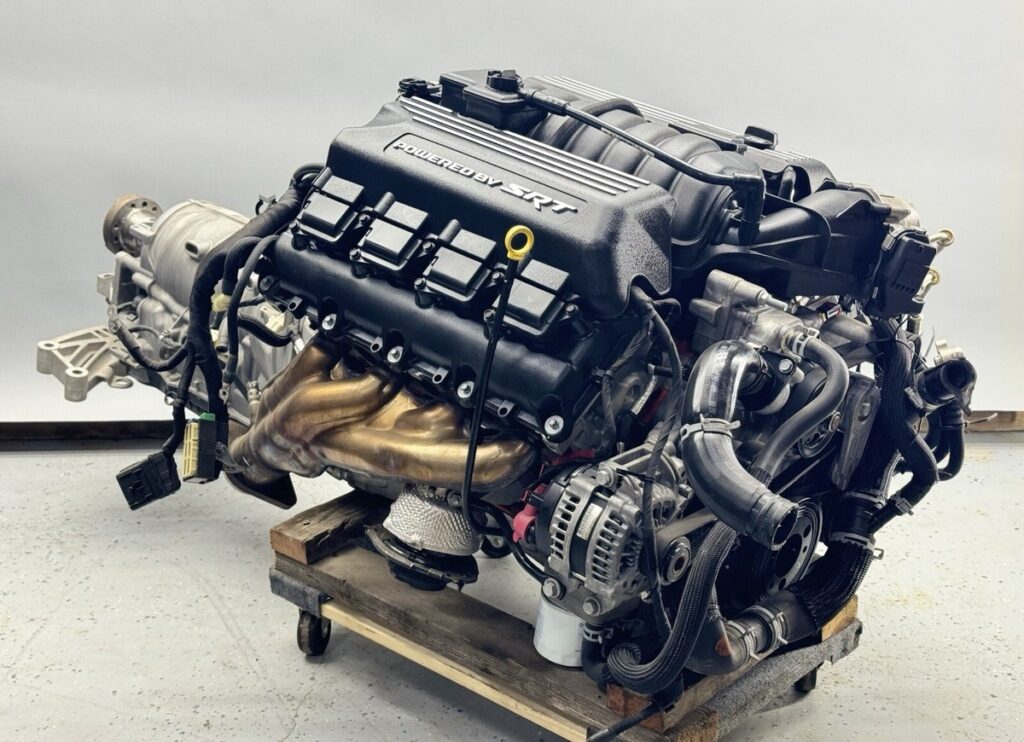
The Scat Pack engine designation isn’t just marketing hype—it represents a specific tier of performance engineering from Dodge. These engines are built with performance-grade components that set them apart from standard powertrains. At the heart of most modern Scat Pack vehicles sits the legendary 392 HEMI V8, a 6.4-liter naturally aspirated engine that produces between 485-495 horsepower depending on the model year and configuration.
What distinguishes a Scat Pack engine for sale from regular production engines is the extensive list of performance enhancements. These include forged internals, upgraded cooling systems, performance-tuned intake and exhaust manifolds, and computer calibrations optimized for maximum power output. The 392 HEMI found in Scat Pack models uses a deep-skirt block design for added rigidity, premium bearings, and a sophisticated variable valve timing system that delivers power across the entire RPM range.
The build quality of Scat Pack engines reflects Dodge’s commitment to performance and durability. Each engine undergoes rigorous testing before leaving the factory, and many components are hand-assembled by skilled technicians. The cylinder heads feature CNC-machined ports for optimal flow, while the crankshaft is forged steel for maximum strength. These engines are designed to handle not just stock power levels but also significant modifications for those seeking even more performance.
Understanding Scat Pack Engine Specifications
392 HEMI V8 Engine Specifications
| Specification | Details |
|---|---|
| Displacement | 6.4L (392 cubic inches) |
| Configuration | V8, naturally aspirated |
| Horsepower | 485 hp @ 6,100 RPM |
| Torque | 475 lb-ft @ 4,100 RPM |
| Compression Ratio | 10.9:1 |
| Bore x Stroke | 4.09″ x 3.72″ |
| Fuel System | Sequential multi-port fuel injection |
| Valvetrain | DOHC, variable valve timing |
| Redline | 6,400 RPM |
| Recommended Fuel | Premium unleaded (91+ octane) |
The technical specifications of Scat Pack engines reveal why they’ve become so sought-after in the performance community. The 392 HEMI’s displacement of 6.4 liters provides an excellent foundation for both naturally aspirated and forced induction applications. The compression ratio of 10.9:1 strikes a perfect balance between power production and reliability, allowing the engine to run on pump gas while still delivering impressive performance numbers.
One crucial aspect when shopping for a scat pack engine for sale is understanding the generational differences. Engines produced from 2015-2018 differ slightly from 2019-2024 models, with later versions featuring improved cooling systems and revised computer calibrations. The 2021 and newer models received updates to the intake manifold design that improved low-end torque, making them particularly desirable for street applications. These subtle differences can impact both performance and price when you’re in the market for an engine.
Types of Scat Pack Engines Available
Standard 392 HEMI Scat Pack Engine
The most common Scat Pack engine for sale you’ll encounter is the standard 392 HEMI found in Charger and Challenger Scat Pack models. This naturally aspirated powerhouse represents the sweet spot of performance and reliability. With 485 horsepower on tap, it provides more than enough power for spirited street driving while maintaining excellent drivability for daily use. The engine’s broad torque curve means you get usable power from just above idle all the way to redline.
These engines typically come complete with all accessories, wiring harnesses, and engine control modules when purchased from reputable sellers. The stock configuration includes the intake manifold, throttle body, fuel rails, ignition coils, and all sensors needed for installation. When evaluating a standard 392 HEMI, pay attention to mileage, service history, and any signs of modifications or abuse. Well-maintained examples with under 50,000 miles command premium prices but offer peace of mind and years of reliable service.
Supercharged Scat Pack Variants
While not officially designated as “Scat Pack” engines, the supercharged 6.2L HEMI variants deserve mention as they share similar architecture and are sometimes grouped with Scat Pack engines in the used market. The 392 HEMI platform can also be fitted with aftermarket supercharger kits, and you’ll occasionally find factory-supercharged engines from Hellcat models being sold to Scat Pack owners looking for more power. These boosted engines produce between 650-807 horsepower depending on configuration.
Purchasing a supercharged variant requires additional due diligence. The supercharger adds complexity and maintenance requirements, including regular supercharger oil changes and pulley inspections. However, the massive power increase makes this a tempting option for those building serious performance vehicles. Prices for supercharged Scat Pack-compatible engines start around $12,000 and can exceed $25,000 for low-mileage Hellcat powerplants with complete accessory packages.
Crate Engine Options
Mopar offers factory crate engine versions of the scat pack engine for sale directly through their performance parts division. These engines come with a manufacturer’s warranty and are built to exact factory specifications. The Mopar 392 HEMI crate engine includes everything needed for installation except transmission and cooling system components. This option appeals to builders who want guaranteed authenticity and the peace of mind that comes with factory support.
Crate engines typically cost more than used engines but eliminate concerns about unknown history or hidden damage. Mopar’s crate engine program offers several configurations, from bare blocks to complete turn-key packages with wiring harnesses and computer systems. For those building show cars or high-end restorations, the extra cost of a crate engine often proves worthwhile. Current pricing for complete Mopar 392 HEMI crate engines ranges from $14,000 to $18,000 depending on included components and current market conditions.
Where to Find Scat Pack Engines For Sale
Online Marketplaces and Forums
The internet has revolutionized the market for scat pack engines for sale, making it easier than ever to find exactly what you need. Facebook Marketplace has become a prime hunting ground for used performance engines, with dedicated groups like “Mopar Parts for Sale” and “HEMI Engine Swap” featuring regular listings. These communities offer direct buyer-seller interaction and the ability to ask detailed questions before committing to a purchase.
eBay Motors remains another popular platform for finding Scat Pack engines, offering buyer protection and a wide selection of both used and rebuilt units. The auction format can sometimes result in competitive pricing, though popular engines often sell for market rate or above. When shopping on eBay, thoroughly review seller feedback, examine all provided photos, and don’t hesitate to request additional pictures or videos of the engine running if possible.
Dedicated Mopar forums like Challenger Talk, Charger Forums, and Modern Mopar provide classified sections where enthusiasts buy and sell parts directly. These communities often self-police, with established members calling out suspicious listings or known scammers. The knowledge base within these forums proves invaluable when researching engines, as members can provide insight into specific sellers, fair pricing, and potential issues with particular engine serial numbers or production years.
Salvage Yards and Auto Recyclers
Salvage yards specializing in late-model vehicles can be goldmines for finding scat pack engines for sale at competitive prices. Major chains like LKQ, Pull-A-Part, and Car-Part.com maintain extensive inventories searchable by year, make, and model. When a Scat Pack vehicle is totaled in an accident, the engine often remains undamaged and becomes available at significant discounts compared to other sources.
Working with salvage yards requires understanding their grading systems and warranty offerings. Most reputable yards offer 30-90 day warranties on engines and will provide compression tests or leak-down tests before purchase. Ask about the vehicle’s history—was it totaled due to collision damage or flood? Collision-damaged vehicles often yield perfectly functional engines, while flood-damaged vehicles should generally be avoided regardless of price.
Building relationships with local salvage yards can pay dividends over time. Many yards will call preferred customers when desirable engines arrive, giving you first shot at the best units before they’re advertised publicly. Some yards also offer core exchange programs, where you can trade your old engine for credit toward your purchase, further reducing costs.
Performance Engine Builders
Specialized performance shops that focus on HEMI engines often maintain inventory of scat pack engines for sale, including both stock rebuilds and modified units. These businesses cater to the performance community and typically offer higher-quality engines with professional inspections and warranties. While prices run higher than private party sales, the added security and expertise often justify the premium.
Companies like Modern Muscle Performance, Arrington Performance, and Prefix Performance have established reputations for quality HEMI engine builds. These shops frequently have engines in stock ready for immediate sale, or they can source specific engines based on your requirements. Many offer rebuild services if you already have an engine core, or they can locate and rebuild a suitable core to your specifications.
The advantage of working with established engine builders extends beyond just purchasing an engine. These shops provide ongoing support, can recommend complementary modifications, and stand behind their products with substantial warranties. If your build requires custom machine work, upgraded internals, or specific performance modifications, professional engine builders can deliver turnkey solutions that would be difficult to achieve through private party purchases.
Pricing Guide for Scat Pack Engines
Used Engine Price Ranges
Understanding market pricing helps ensure you don’t overpay when hunting for a scat pack engine for sale. Used 392 HEMI engines in good condition with 20,000-60,000 miles typically sell for $6,000-$9,000 when complete with accessories. Higher mileage units (60,000-100,000 miles) drop to the $4,500-$6,500 range, though thorough inspection becomes critical at these mileage levels.
Low-mileage engines under 20,000 miles command premium pricing, often $9,000-$12,000, particularly if sold with complete wiring harnesses and computer modules. These low-mileage units often come from vehicles that were totaled shortly after purchase, providing nearly new engines at substantial savings over crate engines. The sweet spot for value-conscious buyers typically falls in the 30,000-50,000 mile range, where engines have proven reliability but haven’t accumulated excessive wear.
Regional pricing variations can be significant. Engines in the Midwest and South typically sell for less than identical units in California or the Northeast, reflecting regional supply and demand dynamics. Shipping adds $300-$600 to the total cost depending on distance, so factor this into your budget when comparing prices from distant sellers. Some buyers find it cost-effective to fly to a distant location and rent a truck for pickup when substantial savings are available.
Rebuilt and Remanufactured Engine Costs
Professionally rebuilt scat pack engines for sale represent the middle ground between used and new crate engines. Rebuilders typically charge $8,000-$12,000 for a standard rebuild that includes new bearings, rings, gaskets, and timing components. More extensive rebuilds with upgraded components like forged pistons, performance camshafts, and CNC-ported heads can reach $15,000-$20,000.
Remanufactured engines from major suppliers like Jasper Engines or Powertrain Products typically cost $9,500-$13,500 with core exchange. These engines come with nationwide warranties of 3 years/100,000 miles, providing peace of mind for daily-driven applications. The core charge typically runs $1,500-$2,000, which you’ll recover by returning your old engine in rebuildable condition.
When comparing rebuilt engines, scrutinize exactly what work was performed. Some rebuilds involve complete disassembly, cleaning, and inspection with replacement of all wear items. Others might be less thorough “freshening” jobs that address only obvious issues. Request a detailed parts list showing what was replaced, and ask about machine work performed on the block and heads.
New Crate Engine Investment
Factory new Mopar 392 HEMI crate engines represent the most expensive option but eliminate all concerns about previous use or hidden problems. Complete crate engines with all accessories, wiring, and computers currently sell for $16,000-$19,000 through Mopar Performance dealers. Bare long blocks without accessories start around $11,000, requiring you to source or transfer all external components.
The warranty coverage on new crate engines provides substantial value beyond just peace of mind. Mopar’s standard warranty covers defects in materials and workmanship, and some dealers offer extended warranty options for additional protection. For builders investing $30,000+ in a complete vehicle build, the extra $7,000-$10,000 for a new crate engine over a used unit often makes financial sense.
Summit Racing, Jegs, and other major performance retailers frequently run promotional pricing on Mopar crate engines, sometimes offering $500-$1,500 discounts during major sales events. Signing up for email alerts from these retailers can help you catch engines during promotional periods, substantially reducing the price premium compared to used alternatives.
Critical Inspection Points Before Buying
Visual Inspection Checklist
Before committing to any scat pack engine for sale, conduct a thorough visual inspection to identify potential problems. Start by examining the block for cracks, especially around the main caps and freeze plug locations. Look for signs of previous repairs such as helicoiled threads, welded cracks, or non-factory paint. Check all mounting surfaces for damage that might complicate installation in your vehicle.
Inspect the cylinder heads carefully, looking for signs of overheating like discoloration around the exhaust ports or warped gasket surfaces. Remove the valve covers if possible to examine the valvetrain for wear, proper oil distribution, and any signs of metal contamination in residual oil. The camshafts should show even wear patterns on all lobes, and the rockers should move freely without excessive play.
External components tell important stories about engine care and usage. Examine the condition of accessory brackets, wiring harnesses, and sensors. Corroded or damaged wiring suggests poor storage conditions or flood damage. Check the oil filter housing, oil cooler, and all coolant passages for leaks or previous leak repairs. A well-maintained engine typically shows consistent care across all components, while neglected engines reveal themselves through accumulation of oil residue, damaged hardware, and missing or broken accessories.
Mechanical Testing Requirements
Never purchase a scat pack engine for sale without conducting proper mechanical testing when possible. A compression test across all eight cylinders reveals the health of pistons, rings, and valves. Readings should be consistent across all cylinders, typically 160-180 PSI on a healthy 392 HEMI. Variations of more than 10% between cylinders indicate potential problems requiring investigation.
A leak-down test provides even more detailed information about internal engine condition. This test measures how much compressed air leaks past rings, valves, and head gaskets, with healthy engines showing less than 5% leakage per cylinder. Listen carefully during leak-down testing—air escaping through the throttle body indicates intake valve problems, exhaust leakage points to exhaust valve issues, and bubbles in the radiator suggest head gasket problems.
If the engine is still installed in a vehicle or mounted on a test stand, run it up to operating temperature while monitoring for abnormal noises, smoke, or leaks. Pay attention to cold start behavior, idle quality, and throttle response. Excessive valve clatter, rod knock, or bearing noise should immediately disqualify an engine from consideration regardless of price. Use an infrared thermometer to check that all cylinders reach similar operating temperatures, indicating proper cooling system function.
Documentation and History Verification
Proper documentation significantly impacts the value and reliability of any scat pack engine for sale. Request service records showing regular oil changes, any repairs performed, and the circumstances under which the engine was removed from its original vehicle. Engines from collision-totaled vehicles with documented service history offer better peace of mind than engines with unknown backgrounds.
Verify the engine’s VIN and serial numbers match the seller’s claims about year and model. The 392 HEMI’s serial number location is typically stamped on the rear of the block near the bellhousing flange. Cross-reference this number with Dodge’s production records if possible, or consult with knowledgeable forum members who can decode production dates and original vehicle applications. This verification prevents purchasing engines from salvage vehicles with undisclosed problems.
For higher-priced engines, consider investing in a pre-purchase inspection by a qualified mechanic familiar with HEMI powerplants. Spending $150-$300 for professional evaluation can save thousands by identifying problems before money changes hands. Many performance shops offer this service and can provide detailed reports on engine condition, needed repairs, and fair market value based on their findings.
Installation Considerations and Compatibility
Engine Swap Compatibility
When sourcing a scat pack engine for sale for a swap project, compatibility research becomes critical. The 392 HEMI physically fits in most vehicles originally equipped with V8 engines, but successful installation requires attention to numerous details. Modern HEMI engines use electronic throttle control, requiring the engine computer, throttle pedal assembly, and associated wiring. Earlier vehicle platforms need aftermarket solutions like Holley Dominator or MegaSquirt for engine management.
Transmission compatibility represents another major consideration. The 392 HEMI bolts to several transmission options including the ZF 8HP70 automatic, Tremec TR-6060 manual, and older 5-speed automatics with adapter plates. Each transmission choice affects the required bellhousing configuration, torque converter or clutch selection, and transmission crossmember placement. Research your specific combination thoroughly before purchasing an engine to ensure all necessary components are included or available.
Cooling system requirements for the 392 HEMI exceed what many older vehicles provide. These engines produce substantial heat and require adequate radiator capacity, properly sized coolant hoses, and correct flow direction. Many swap projects benefit from upgraded aluminum radiators with dual electric fans. The engine’s mounting points also require attention—universal motor mounts are available from companies like Holley and Trans-Dapt, but custom fabrication often yields better results for specific applications.
Required Supporting Components
Beyond the engine itself, successful installation of a scat pack engine for sale requires numerous supporting components. At minimum, you’ll need the complete wiring harness, engine computer (PCM), throttle pedal assembly, and all sensors. Many budget builds falter when owners discover they need to purchase these expensive items separately. Complete engine packages including all electronics command higher prices but eliminate parts-hunting headaches.
The fuel system must deliver adequate volume and pressure to support the 392 HEMI’s requirements. The stock fuel system uses a return-less design operating at approximately 58 PSI. Older vehicles with carbureted fuel systems require complete replacement with modern high-pressure pumps, filters, and regulators. Budget $500-$1,500 for fuel system upgrades depending on your vehicle’s starting configuration and desired reliability level.
Exhaust fabrication represents another significant cost and complexity factor. The 392 HEMI’s exhaust manifolds differ substantially from older engines, often requiring custom header fabrication and complete exhaust system rework. Mid-length headers from companies like American Racing Headers or Kooks fit many applications, but custom work typically costs $800-$2,000 for materials and labor. Plan your exhaust strategy before purchasing an engine to ensure you can complete the installation without budget-breaking surprises.
Transmission and Driveline Modifications
Matching your scat pack engine for sale with an appropriate transmission determines both performance and reliability. The ZF 8HP70 eight-speed automatic used in factory Scat Pack vehicles represents the ideal choice for automatic applications, offering quick shifts, strong construction, and well-sorted factory calibration. Used transmissions from salvage vehicles typically sell for $1,500-$2,500, while rebuilt units cost $3,500-$5,000.
Manual transmission enthusiasts often choose the Tremec TR-6060 six-speed, the same unit used in manual Scat Pack cars. This transmission handles the 392 HEMI’s power output with ease and provides satisfying mechanical engagement. Sourcing a complete manual transmission setup including clutch, flywheel, hydraulics, and shifter typically costs $3,000-$5,000. American Powertrain and Silver Sport Transmissions offer complete conversion packages that simplify installation.
The driveline components must be upgraded to handle increased power levels. Factory driveshafts from Scat Pack vehicles work well in similar-sized recipient vehicles, but custom driveshafts often prove necessary. Budget $400-$800 for a properly balanced aluminum driveshaft. Rear axle upgrades frequently become necessary, particularly in lighter vehicles. The Dana 60 or Ford 9-inch rear ends popular in muscle car builds handle 392 HEMI power reliably with appropriate gear ratios.
Performance Modifications and Upgrades
Bolt-On Performance Enhancements
Once you’ve installed your scat pack engine for sale, numerous bolt-on modifications can increase power output without internal engine work. A cold air intake system like those from K&N or AFE improve airflow and throttle response while adding 10-15 horsepower. These systems replace the restrictive factory airbox with high-flow filters and mandrel-bent tubing, typically costing $300-$500 and installing in under an hour.
Exhaust upgrades deliver significant performance gains and transform the engine’s soundtrack. Long-tube headers replace restrictive factory manifolds, freeing up 20-35 horsepower while dramatically improving exhaust note. Quality headers from American Racing Headers, Kooks, or Stainless Works cost $1,200-$2,000 but represent one of the best power-per-dollar modifications available. Combine headers with a high-flow catted X-pipe and performance mufflers for maximum benefit.
Tuning represents the most cost-effective modification, unleashing hidden power through optimized calibration. Professional dyno tuning typically costs $500-$800 and can add 15-25 horsepower while improving throttle response and drivability. Companies like Diablosport and HP Tuners offer handheld tuners allowing owners to install pre-configured tunes or work with professional tuners remotely. Many owners report gains of 40-60 horsepower combining intake, exhaust, and tuning modifications.
Internal Engine Upgrades
For enthusiasts seeking maximum performance from their scat pack engine for sale, internal modifications unlock power levels impossible with bolt-ons alone. Camshaft upgrades represent the foundation of serious naturally aspirated builds, with profiles from companies like Comp Cams and Texas Speed ranging from mild street cams to radical race grinds. A well-chosen camshaft combined with upgraded valve springs and tuning can yield 50-80 additional horsepower.
Forced induction transforms the 392 HEMI into a genuine supercar powerplant. Supercharger kits from Whipple, Magnuson, or ProCharger add 200-300 horsepower, pushing output to 700-800+ horsepower. Complete supercharger systems cost $6,000-$10,000 and require supporting modifications including upgraded fuel system, intercooler, and careful tuning. The 392 HEMI’s robust bottom end handles boost well, with stock internals reliably supporting 650-700 horsepower with proper tuning.
Turbocharger systems offer an alternative to supercharging, delivering similar power levels with different characteristics. Twin-turbo setups excel at high-RPM power production and typically provide better fuel economy under cruise conditions. Companies like On3 Performance and Turbonetics offer complete turbo systems, though installation complexity exceeds supercharger kits. Budget $8,000-$15,000 for quality turbo components including manifolds, turbochargers, intercooler, wastegates, and oil system modifications.
Supporting System Upgrades
As power levels increase beyond stock, supporting systems require upgrades to maintain reliability. The cooling system becomes critical for high-performance applications. Upgraded aluminum radiators from Mishimoto or CSF Racing increase cooling capacity by 25-40% while reducing weight. High-flow water pumps and performance thermostats ensure optimal coolant circulation. Budget $600-$1,200 for comprehensive cooling system upgrades.
The fuel system demands attention when adding substantial power. The stock fuel pump supports approximately 525 horsepower before becoming a limitation. Higher output pumps from Aeromotive, Walbro, or DeatschWerks ensure adequate fuel delivery for modified engines. Larger fuel injectors become necessary above 600 horsepower, with options available in various sizes depending on power goals. A complete fuel system upgrade including pump, injectors, and regulator typically costs $800-$1,500.
Ignition system upgrades improve spark energy and consistency, particularly important for forced induction applications. Upgraded coil packs from companies like MSD or Granatelli deliver stronger spark while maintaining reliability. Racing spark plugs designed for boost applications prevent detonation and improve idle quality. While not dramatically increasing power, these upgrades provide insurance against ignition-related failures and support consistent performance under demanding conditions.
Common Issues and Troubleshooting
Known 392 HEMI Problems
Understanding common issues helps evaluate any scat pack engine for sale more effectively. The Multi-Displacement System (MDS) that deactivates cylinders for fuel economy sometimes develops lifter failures, particularly in engines that don’t receive regular oil changes. Listen for ticking or tapping noises from the engine’s lower end, which may indicate failing lifters. Some builders disable MDS entirely to eliminate this concern, though it requires custom tuning.
Exhaust manifold cracking affects some 392 HEMIs, particularly early production units. The cast manifolds develop stress cracks near the bolt flanges after thermal cycling. While not immediately catastrophic, cracked manifolds create exhaust leaks and eventually require replacement. Aftermarket manifolds or headers eliminate this concern while improving performance. When inspecting engines, carefully examine manifold surfaces for cracks using penetrating dye if necessary.
The oil filter housing adapter has gained notoriety for developing leaks over time. The aluminum housing uses a rubber gasket that hardens with age, allowing oil to seep past. This issue appears across many HEMI engines regardless of displacement. Replacement isn’t difficult, but it represents an additional expense when budgeting for engine installation. Budget $50-$100 for an upgraded housing with improved gasket design from companies like Dorman or Mopar Performance.
Diagnostic and Repair Resources
When problems arise with your scat pack engine for sale after installation, proper diagnostic tools become essential. A quality OBD-II scanner capable of reading Chrysler-specific codes proves invaluable. Mid-range scanners from Autel or BlueDriver cost $100-$300 and provide detailed diagnostic information. Professional-grade tools like the Snap-on Solus Ultra offer comprehensive capabilities but cost several thousand dollars.
Online resources provide tremendous value when troubleshooting HEMI engines. Forums like Hellcat.org, SRTforums.com, and ModernMopar.com host thousands of threads documenting problems and solutions. Members share diagnostic procedures, part numbers for replacements, and detailed installation guides. Facebook groups dedicated to HEMI swaps and Scat Pack vehicles offer real-time assistance from experienced builders who’ve solved similar problems.
Building relationships with knowledgeable mechanics specializing in modern HEMI engines saves time and frustration. Performance shops with HEMI expertise can diagnose complex problems quickly using specialized equipment and extensive experience. While their rates may exceed general repair shops, their focused knowledge often results in faster, more effective repairs. Many shops offer phone consultations for do-it-yourself builders stuck on specific issues.
Warranty and Return Policies
Understanding warranty coverage protects your investment when purchasing a scat pack engine for sale. Reputable salvage yards typically offer 30-90 day warranties covering major internal failures. Read warranty terms carefully—some cover only the short block while others include heads and external components. Clarify what testing is required to validate a warranty claim and what documentation you must provide.
Private party sales rarely include warranties, making thorough pre-purchase inspection even more critical. Some sellers offer short return periods if the engine fails to meet agreed-upon specifications. Document all claims about engine condition in writing before completing the purchase. Photos, videos, and written descriptions create evidence if disputes arise later. Consider using escrow services for high-value transactions to protect both parties until the engine is verified satisfactory.
Professional engine builders and shops typically offer the most comprehensive warranty coverage. Many provide 1-2 year warranties on rebuilt engines, with some offering extended coverage for additional cost. These warranties usually require proper installation by qualified technicians and regular maintenance following manufacturer recommendations. Keep detailed records of oil changes and any work performed to maintain warranty validity throughout the coverage period.
Legal and Registration Considerations
Emissions Compliance Requirements
Installing a scat pack engine for sale into a different vehicle creates emissions compliance challenges in many jurisdictions. California maintains the strictest requirements under CARB (California Air Resources Board) regulations. Engine swaps must use powerplants from the same year or newer than the recipient vehicle while retaining all original emissions equipment. Complete the installation legally requires inspection and potentially BAR (Bureau of Automotive Repair) certification.
Many states follow EPA guidelines allowing engine swaps provided emissions equipment appropriate to the engine is installed and functional. This typically means retaining catalytic converters, oxygen sensors, EVAP systems, and all emission-related computers. Document your installation thoroughly, keeping receipts for all emissions components. Some states require inspections by certified technicians before licensing modified vehicles.
Off-road vehicles intended for race or show use enjoy more flexibility regarding emissions equipment. However, operating these vehicles on public roads may violate federal and state laws regardless of registration status. For competition-only builds, removing emissions equipment simplifies installation and increases performance, but clearly mark vehicles as “competition only” and maintain separate transportation for track use.
Title and Registration Processes
Titling a vehicle with a different engine than originally equipped varies by state. Most jurisdictions require documenting the engine change through VIN inspections or specific forms. Some states issue new titles noting the modified drivetrain, while others simply annotate the change in state records. Contact your local DMV before beginning your project to understand specific requirements and avoid surprises during registration.
Insurance companies need notification of engine swaps to maintain proper coverage. Failing to disclose modifications could void coverage in accident or theft situations. Most insurers increase premiums for modified vehicles, though specialty collectors’ insurance often provides better rates and agreed-value coverage. Companies like Hagerty, Grundy, and American Modern specialize in modified vehicles and understand the unique considerations of engine swaps.
Documentation of the engine purchase proves valuable for registration and insurance purposes. Bill of sale showing the engine serial number, seller information, and purchase price establishes ownership. Some states require this documentation to title modified vehicles or verify the engine wasn’t stolen. Maintain organized records of all purchases and work performed throughout the build process.
Maintenance and Long-Term Ownership
Regular Maintenance Schedule
Protecting your investment in a scat pack engine for sale requires diligent maintenance following Dodge’s recommended service intervals. Oil changes every 5,000-7,500 miles using quality synthetic oil maintain optimal lubrication and engine cleanliness. The 392 HEMI holds 7 quarts of 0W-40 or 5W-40 synthetic oil. Premium oils from Mobil 1, Royal Purple, or Amsoil provide excellent protection, particularly in modified applications or extreme climate conditions.
Spark plug replacement every 30,000-50,000 miles prevents misfires and maintains fuel economy. The 392 HEMI uses 16 spark plugs (two per cylinder), requiring purchase of NGK or Champion plugs specifically designed for HEMI applications. Gap specifications vary depending on modifications—stock engines run 0.043″ while forced induction applications often reduce gap to 0.028-0.035″ for reliable ignition under boost.
Cooling system maintenance prevents overheating and extends engine life. Flush coolant every 50,000 miles or 5 years using Mopar HOAT (Hybrid Organic Acid Technology) coolant or equivalent. Check hoses, clamps, and the water pump for leaks or deterioration during coolant changes. The thermostat should open at proper temperatures (typically 203°F); replace if the engine runs hot or cold. Budget $200-$300 for complete cooling system service including thermostat, hoses, and premium coolant.
Performance Maintenance Considerations
Modified engines using your scat pack engine for sale as a foundation require enhanced maintenance protocols. Forced induction applications should use shorter oil change intervals—every 3,000-5,000 miles—due to increased thermal stress and combustion byproducts. Many forced induction owners send oil samples to Blackstone Laboratories for analysis, identifying wear patterns and contamination before they become serious problems.
Track-driven vehicles benefit from more aggressive maintenance schedules. Inspect brake fluid, transmission fluid, and differential fluid after every track day, changing fluids showing signs of overheating or contamination. Check torque on wheel nuts, suspension components, and critical engine mounts. Track environments stress vehicles far beyond street driving, making preventative maintenance critical for reliability and safety.
Keep detailed maintenance logs documenting all service performed on your engine. These records provide valuable insight into long-term trends and increase resale value when upgrading to different projects. Note any unusual occurrences like oil consumption changes, temperature variations, or performance degradation. These observations help mechanics diagnose developing problems before they cause expensive damage.
Storage and Winterization
For vehicles not driven year-round, proper storage protects your scat pack engine for sale investment. Add fuel stabilizer to a full tank before storage, preventing fuel degradation and protecting the fuel system. Run the engine for several minutes after adding stabilizer to circulate it throughout the fuel system. Change oil before storage, removing combustion acids and contaminants that could corrode internal components.
Remove the battery or connect a battery tender maintaining proper charge during storage. Modern vehicle electronics draw parasitic current even when vehicles sit idle. Quality battery tenders from companies like CTEK or Battery Tender prevent discharge while avoiding overcharge damage. Check battery condition periodically, ensuring terminals remain clean and tight.
Cover the vehicle with a quality breathable car cover protecting paint and interior from dust and UV damage. Avoid plastic tarps that trap moisture and promote corrosion. Place the vehicle on jack stands if storing long-term, preventing flat-spotting tires and reducing load on suspension components. Start and run the engine monthly if possible, bringing it to operating temperature and exercising all systems.
Building a Complete Scat Pack Project
Budget Planning and Cost Management
Successfully integrating a scat pack engine for sale into your project requires comprehensive budget planning beyond the engine purchase price. Begin by listing all major components needed: engine, transmission, wiring harness, computers, cooling system, exhaust, and fuel system. Research current market prices for each item, adding 15-20% contingency for unexpected requirements or price increases.
Labor represents a significant cost unless you possess adequate skills and tools. Professional shops charge $80-$150 per hour for installation, with complete swaps requiring 40-80 hours depending on complexity. Budget $3,200-$12,000 for professional installation, or invest in quality tools and training if tackling the project yourself. Consider the value of your time and skill level honestly—hiring professionals often proves more economical than struggling through unfamiliar tasks.
Phase your build if budget constraints limit initial spending. Install the engine with basic accessories initially, planning upgrades like superchargers, headers, or suspension modifications for future phases. This approach spreads costs over time while allowing you to enjoy the vehicle sooner. Document your phased plan clearly, ensuring early decisions don’t complicate later upgrades. For example, selecting the right fuel system initially prevents costly replacement when adding forced induction later.
Finding Quality Parts and Accessories
Sourcing quality components for your scat pack engine for sale build determines both success and frustration levels. Establish accounts with major performance retailers like Summit Racing, Jegs, and RockAuto for consistent pricing and availability. These vendors offer extensive catalogs, technical support, and reasonable return policies. Join their loyalty programs for additional discounts and early access to sales.
Don’t overlook local sources for hard-to-ship items like driveshafts, exhaust systems, and large components. Building relationships with local performance shops provides access to expertise, used parts, and potential assistance when stuck. Many shops offer advice freely, particularly if you purchase parts through them. Support businesses that contribute to your success, even if prices run slightly higher than anonymous online retailers.
Used parts markets provide substantial savings on components that don’t affect performance. Engine mounts, accessory brackets, coolant hoses, and similar items function identically whether new or gently used. Forums, Facebook Marketplace, and eBay offer extensive selections of used parts from builders who upgraded or changed directions. Exercise appropriate caution with critical components like fuel system parts or electronics, but embrace used parts opportunities where appropriate.
Project Timeline and Milestones
Realistic project timelines prevent frustration and maintain momentum. Simple engine swaps in well-documented vehicle platforms might complete in 4-8 weeks working part-time. Complex swaps requiring custom fabrication, extensive modification, or unusual vehicle combinations often extend 6-12 months. Break large projects into manageable milestones: teardown, mockup, fabrication, installation, wiring, startup, and tuning.
Create detailed task lists for each project phase, identifying dependencies and ordering requirements. Some tasks must complete before others begin—you can’t wire the engine before the transmission is mounted and positioned. Ordering parts in logical sequences prevents storage problems and ensures critical components arrive when needed. Front-loading fabrication work while waiting for parts keeps projects moving forward.
Document your progress thoroughly through photos and notes. These records prove invaluable when reassembling components months after disassembly. Many builders create build threads on forums, receiving feedback and suggestions from experienced members. These threads also provide satisfaction and motivation during long project stretches, reminding you that progress continues even when daily changes seem minimal.
Selling Your Scat Pack Engine
Preparing an Engine for Sale
If you’re planning to offer a scat pack engine for sale, proper preparation maximizes value and attracts serious buyers. Clean the engine thoroughly, removing oil residue, dirt, and grime that obscure condition assessment. Steam cleaning or pressure washing makes engines presentable, though protect sensitive electrical components and avoid forcing water into open ports. A clean engine suggests careful ownership and commands higher prices than grimy units.
Document everything about your engine’s history and condition. Photograph the engine from multiple angles, capturing serial numbers, date codes, and any unique features. Include close-ups of machined surfaces, bearing journals, and wear surfaces that buyers scrutinize. Videos showing the engine running demonstrate functionality better than static images—buyers pay premium prices for engines proven operational.
Compile maintenance records, receipts for parts or work performed, and documentation of the engine’s origin. Engines removed from personal vehicles carry more credibility than units with unknown history. If you’ve performed compression tests or leak-down tests, include results with your listing. Providing detailed information attracts knowledgeable buyers willing to pay fair prices for quality engines.
Pricing Strategy for Resale
Determining competitive pricing for your scat pack engine for sale requires researching current market conditions. Survey similar engines on multiple platforms, noting asking prices versus actual sale prices when visible. Consider your engine’s condition, mileage, included accessories, and completeness compared to competitors. Price slightly below market average for quick sales, or at market rate if your engine offers superior condition or documentation.
Factor in your invested costs and desired profit margin, but remain realistic about market conditions. Engines don’t automatically appreciate, and components wear with use regardless of care quality. Pricing too aggressively results in extended selling periods and increased hassle from tire-kickers. Price fairly and be prepared to negotiate—most serious buyers expect some negotiation room.
Timing affects sale success significantly. Spring and early summer see increased buyer activity as builders prepare for summer driving and racing season. Late fall and winter slow dramatically as builders pause for holidays and cold weather. Price more competitively during slow seasons if you need quick sales, or wait for spring market activity if timing isn’t critical.
Marketing and Transaction Safety
Effectively marketing your scat pack engine for sale requires multi-platform presence. List on Facebook Marketplace, enthusiast forums, and eBay simultaneously, maximizing exposure to potential buyers. Write detailed descriptions including all relevant specifications, condition notes, and included components. Clear, comprehensive listings attract serious buyers and reduce time wasted answering repetitive questions.
Respond promptly to inquiries but screen potential buyers carefully. Serious buyers ask specific technical questions and demonstrate knowledge about the engine. Time-wasters make lowball offers without viewing the engine or ask vague questions about shipping to distant locations. Prioritize local buyers for large items like engines, though offering shipping expands your market considerably.
Protect yourself during transactions through proper payment methods and documentation. Accept cash for local sales, ensuring large bills are genuine. For shipped sales, require payment via bank wire transfer or cleared checks before releasing the engine. PayPal offers buyer and seller protections but charges substantial fees for high-value transactions. Draft basic bills of sale documenting engine serial numbers, selling price, and both parties’ information. This protects both parties and provides necessary documentation for tax purposes.
Real-World Build Examples and Case Studies
Budget-Conscious Street Build
John from Texas purchased a scat pack engine for sale from a salvage yard with 45,000 miles for $6,800. The engine came from a 2018 Charger Scat Pack totaled in a front-end collision. He installed the engine in his 1972 Plymouth Duster using Holley engine mounts, a stock ZF 8-speed automatic, and custom driveshaft. Total investment including installation reached $14,500, creating a 12-second quarter-mile car suitable for daily driving.
John maximized his budget by performing installation himself with help from forum members. He sourced a complete wiring harness and computer from the same salvage Charger, ensuring compatibility. The factory fuel system required only minor modifications to integrate with the Duster’s existing tank. He fabricated custom exhaust headers saving $1,200 over commercial units, though installation took longer than anticipated.
The completed build delivers remarkable performance for modest investment. The 392 HEMI transformed the Duster’s character from cruiser to credible street racer while maintaining surprising reliability. John reports 20 mpg highway with the efficient 8-speed transmission—better than many modern muscle cars. His build demonstrates that careful planning and willingness to perform work yourself makes 392 HEMI power accessible to budget-conscious enthusiasts.
High-Performance Track Build
Sarah’s Challenger Hellcat track project began with a scat pack engine for sale that she rebuilt to handle 1,000+ horsepower. She purchased a low-mileage 392 HEMI core for $8,500, then invested $12,000 in forged internals, upgraded valve springs, and custom camshaft. A Whipple 3.0L supercharger with custom pulley configuration delivers 18 PSI boost, pushing output to 1,050 horsepower on pump gas.
Supporting modifications included a complete fuel system upgrade, Aeromotive Phantom 340 fuel pump, 1,000cc injectors, and upgraded clutches in the ZF 8-speed transmission. The cooling system received an upgraded radiator, oil cooler, and transmission cooler to handle increased thermal loads. Total investment in the powertrain exceeded $45,000, but the result dominates her local track day events consistently running 9-second quarter miles.
Sarah’s build illustrates the 392 HEMI’s incredible potential with proper preparation and supporting modifications. The engine’s robust bottom end handles substantial power when built correctly, and the aftermarket support provides solutions for nearly every performance goal. Her careful attention to supporting systems ensures reliability despite punishing track use, demonstrating that extreme performance and durability aren’t mutually exclusive.
Restomod Classic Build
Mike’s 1969 Coronet restomod project centers around a scat pack engine for sale paired with modern luxury and convenience features. He purchased a low-mileage 2020 392 HEMI for $9,200 from a collision salvage vehicle, then invested in professional installation including custom cooling system, fuel system, and exhaust. The completed car combines classic styling with 485 horsepower and modern reliability.
Mike chose the Tremec TR-6060 manual transmission for engaging driving experience and reliability. Custom headers from a specialist exhaust shop cost $2,400 but fit perfectly and sound incredible. He worked with a professional tuner to calibrate the engine computer, optimizing performance while maintaining drivability. The completed car turns heads at shows while remaining pleasant for extended highway drives.
Total project investment reached $85,000 including professional bodywork, paint, interior, and suspension alongside the powertrain. While substantial, the result is a unique vehicle combining the best of classic and modern eras. The 392 HEMI provides effortless power and remarkable fuel economy compared to period-correct engines, while modern fuel injection eliminates cold start issues and tuning hassles. Mike’s build demonstrates how 392 HEMI engines enable realistic restomod projects accessible to enthusiasts without racing experience or extensive mechanical knowledge.
Finding the Best Deals on Scat Pack Engines
Timing Your Purchase Strategically
The market for scat pack engines for sale fluctuates seasonally, creating opportunities for savvy buyers. Winter months from December through February typically see reduced demand as builders pause projects for holidays and cold weather. Sellers needing space or funds often reduce prices during these slow months, creating buyer’s market conditions. Patient shoppers can save 15-25% buying off-season compared to spring and summer prices.
End-of-model-year timing also creates opportunities. When Dodge releases new model years with updated engines or when a generation ends, salvage yards receive increased inventory of previous-year models. These transitions create temporary supply increases, putting downward pressure on prices. Following automotive news and understanding Dodge’s product cycles helps identify these windows.
Major racing series conclusions flood markets with used engines from competitors upgrading or exiting racing. Late fall sees NASCAR and drag racing seasons end, with teams selling practice engines and development units. These engines often show hard use but receive professional maintenance and complete rebuilds between uses. Knowledgeable buyers can acquire high-quality cores at attractive prices by monitoring racing industry classified ads.
Negotiation Tactics and Strategies
Effective negotiation when purchasing a scat pack engine for sale starts with thorough research establishing fair market value. Approach sellers armed with recent sales data for comparable engines, pointing out specific condition issues or missing components justifying your offer. Most private sellers price with negotiation room, expecting 10-15% reduction from initial asking prices. Make respectful offers backing up positions with evidence rather than arbitrary lowballing that insults sellers.
Cash purchases provide negotiation leverage, particularly with private sellers facing financial pressure. Offering immediate cash payment eliminates transaction uncertainty and fees associated with electronic payments. Many sellers discount 5-10% for cash versus financed payments or PayPal transactions. Bring cash to inspections when possible, demonstrating serious intent and enabling immediate purchase of attractive engines.
Bundle multiple items when purchasing from salvage yards or shops with extensive inventory. Buying an engine, transmission, and wiring harness together often qualifies for package pricing unavailable purchasing items separately. Ask about dealer programs or wholesale pricing if building multiple vehicles or operating a shop. Many suppliers offer substantial discounts for volume purchases or establishing business accounts.
Red Flags and Deal Breakers
Recognizing warning signs protects you from problematic scat pack engines for sale and dishonest sellers. Extreme low pricing compared to market rates often indicates serious undisclosed problems or stolen property. Engines priced $1,500-$2,000 below market deserve skepticism—sellers generally understand market value, and steep discounts suggest desperation or deception. Request detailed explanations for below-market pricing and trust your instincts when something seems too good to be true.
Sellers refusing to provide engine serial numbers, reluctant to allow inspections, or unable to provide reasonable history should be avoided regardless of price. Legitimate sellers welcome inspections and willingly discuss engine backgrounds. Vague or contradictory stories about engine origin, mileage, or condition suggest dishonesty. Walk away from sellers creating pressure through artificial urgency or limited-time offers—quality engines from honest sellers don’t require manipulative sales tactics.
Modified engines with unknown tune work or questionable component quality present high risk even at attractive prices. While modifications aren’t automatically disqualifying, poorly executed work creates reliability concerns and repair expenses. Evaluate modifications critically, questioning component choices and installation quality. Professionally built engines with documented modifications from reputable shops command premium pricing but provide peace of mind unavailable with amateur builds.
Ready to Find Your Perfect Scat Pack Engine For Sale?
The journey to acquiring the right scat pack engine for sale requires knowledge, patience, and careful evaluation. Armed with the comprehensive information in this guide, you’re prepared to make informed decisions, avoid common pitfalls, and successfully complete your build project. Whether purchasing from salvage yards, private sellers, or performance shops, thorough research and inspection protect your investment.
Remember that the cheapest engine rarely proves most economical long-term. Prioritize condition, completeness, and seller reputation over minor price differences. A well-maintained engine with documentation provides years of reliable service, while a questionable bargain often costs more in repairs and frustration. Take time finding the right engine rather than settling for the first available option.
The modern scat pack engine for sale market offers incredible opportunities for enthusiasts seeking American V8 power. From budget-conscious swaps to extreme performance builds, the 392 HEMI’s versatility and aftermarket support enable nearly any project vision. Start your search with clear goals, realistic budgets, and commitment to quality, and you’ll soon experience the exhilaration of 485+ horsepower propelling your dream build.
For those interested in other engine technologies and modifications, explore our comprehensive guides on general engine topics and upgrades including performance enhancements and maintenance strategies.
Frequently Asked Questions About Scat Pack Engines For Sale
What is the average price for a scat pack engine for sale?
Used 392 HEMI Scat Pack engines typically range from $6,000-$9,000 depending on mileage and condition. Engines with 20,000-60,000 miles in good condition with all accessories fall in this price range. Low-mileage engines under 20,000 miles command $9,000-$12,000, while higher mileage units (60,000-100,000 miles) sell for $4,500-$6,500. New Mopar crate engines cost $16,000-$19,000, and professionally rebuilt engines range from $8,000-$12,000. Regional pricing variations and included components significantly impact final prices.
How much horsepower does a Scat Pack engine produce?
The 392 HEMI V8 found in Scat Pack vehicles produces 485 horsepower at 6,100 RPM and 475 lb-ft of torque at 4,100 RPM in stock configuration. Some model years and configurations produce 490-495 horsepower due to minor calibration differences. With basic bolt-on modifications including cold air intake, headers, and professional tuning, power output increases to 530-550 horsepower. Supercharged builds commonly produce 650-800+ horsepower depending on boost levels and supporting modifications.
What vehicles came with Scat Pack engines?
The 392 HEMI Scat Pack engine appears in Dodge Challenger Scat Pack (2015-2023), Dodge Charger Scat Pack (2015-2023), Dodge Challenger R/T Scat Pack Widebody (2018-2023), and Dodge Charger Scat Pack Widebody (2020-2023). Ram 2500 and 3500 heavy-duty trucks also used versions of the 6.4L HEMI, though these differ slightly from Scat Pack car engines in tuning and accessories. The Jeep Grand Cherokee SRT used a similar 392 HEMI variant with different tuning optimized for SUV applications.
Can I use a Scat Pack engine for an engine swap?
Yes, the 392 HEMI works excellently for engine swaps into older muscle cars, trucks, and various project vehicles. The engine requires its factory computer, wiring harness, throttle pedal assembly, and all sensors for proper operation. Aftermarket engine management systems like Holley Dominator or MegaSquirt enable swaps into vehicles without factory electronic throttle control. Custom motor mounts, cooling system modifications, exhaust fabrication, and transmission adaptation are typically required. Many companies offer swap kits simplifying installation into popular platforms like classic Mopars, GM muscle cars, and early trucks.
What’s the difference between a Scat Pack engine and a Hellcat engine?
The primary difference is forced induction—Scat Pack engines use the naturally aspirated 6.4L (392 cubic inch) HEMI producing 485 horsepower, while Hellcat engines employ a supercharged 6.2L HEMI generating 707-797 horsepower depending on variant. The Hellcat engine features forged internals, upgraded cooling system, and different cylinder heads optimized for boost. Hellcat engines also include additional supporting systems like larger fuel injectors, upgraded fuel pumps, and reinforced transmissions. Scat Pack engines provide excellent reliability and power for street use, while Hellcat engines target extreme performance applications.
How reliable are used Scat Pack engines?
Used 392 HEMI Scat Pack engines demonstrate excellent reliability when properly maintained. The engines’ robust design and quality construction enable 200,000+ miles with regular maintenance. Critical factors affecting reliability include oil change intervals, cooling system condition, and whether the engine received proper break-in procedures. Engines from well-maintained vehicles with service records typically provide trouble-free service. Common issues like MDS lifter failures primarily affect neglected engines or those run with extended oil change intervals. Thorough pre-purchase inspection and compression testing help identify problematic engines before purchase.
What maintenance does a Scat Pack engine require?
Scat Pack engines require synthetic oil changes every 5,000-7,500 miles using 7 quarts of 0W-40 or 5W-40 synthetic oil. Spark plugs (16 total) should be replaced every 30,000-50,000 miles using specified NGK or Champion plugs. Coolant flushes every 50,000 miles or 5 years maintain cooling system health using Mopar HOAT coolant. The serpentine belt requires inspection every 30,000 miles and replacement around 60,000 miles. Air filter replacement every 15,000-30,000 miles maintains proper airflow. Modified engines, particularly forced induction applications, benefit from more frequent oil changes every 3,000-5,000 miles.
Where can I find a scat pack engine for sale near me?
Local sources for Scat Pack engines include salvage yards specializing in late-model vehicles—search LKQ, Pull-A-Part, and Car-Part.com databases by zip code. Facebook Marketplace allows location-based searches for engines in your area. Regional Craigslist listings often feature engines from private sellers and local shops. Join regional Mopar Facebook groups and enthusiast forums where members advertise engines locally. Visit local performance shops specializing in HEMI engines, as many maintain inventory or can source specific engines. Networking at car shows and racing events connects you with enthusiasts selling engines locally.
What should I inspect when buying a used Scat Pack engine?
Inspect the block for cracks, particularly around main caps and freeze plugs. Examine cylinder heads for warping, cracks around exhaust ports, and valve seat condition. Request compression and leak-down tests—compression should read 160-180 PSI consistently across cylinders with less than 5% leak-down. Check oil condition and look for metal contamination indicating internal wear. Examine bearing surfaces on the crankshaft for scoring or abnormal wear patterns. Verify all accessories, sensors, and wiring harnesses are present if needed for your application. Document the engine serial number and VIN to verify authenticity and model year. Request service records showing maintenance history when available.
Can I finance a Scat Pack engine purchase?
Financing options for Scat Pack engines exist but vary significantly by source. Many salvage yards and performance shops offer in-house financing or work with specialty lenders providing equipment loans. PayPal Credit and similar services enable financing smaller engine purchases for qualified buyers. Some buyers use personal loans, home equity lines of credit, or credit cards with promotional 0% APR periods. New crate engines purchased through major retailers sometimes qualify for manufacturer financing programs. Private party purchases typically require cash payment, though some sellers may accept payment plans with proper contracts. Financing adds interest costs but enables completing projects without depleting savings.
Citation: Information about Scat Pack engines, specifications, and market pricing sourced from official Mopar documentation, automotive forums, and industry pricing guides. Dodge performance specifications from manufacturer technical service bulletins and owner’s manuals. Market pricing reflects current trends from major automotive marketplaces and salvage yard databases as of 2025.