In this guide
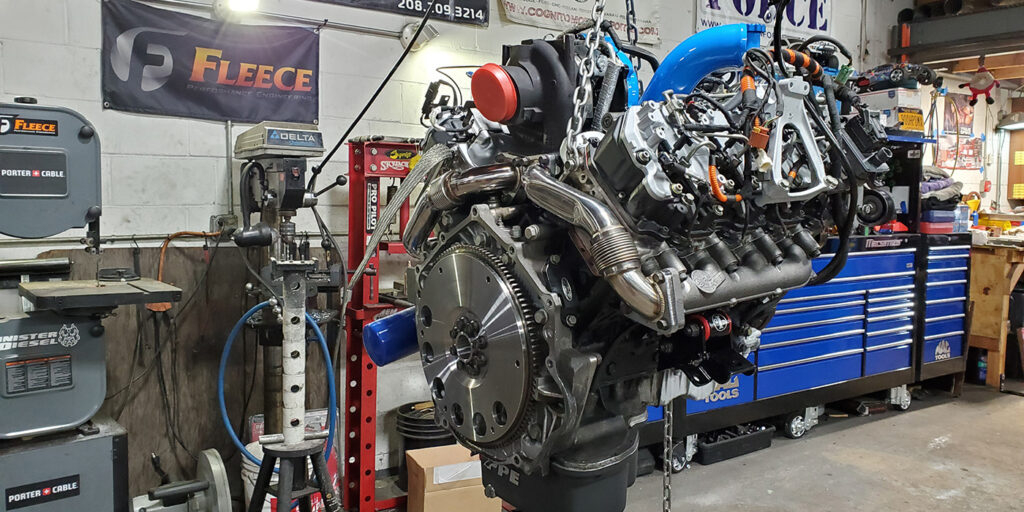
The 6.6 Duramax engine has established itself as one of the most powerful and reliable diesel powerplants in the heavy-duty truck market since its introduction in 2001. Manufactured by DMAX Ltd., a joint venture between General Motors and Isuzu, this legendary V8 turbo-diesel engine has powered millions of Chevrolet Silverado HD and GMC Sierra HD trucks across North America. With over two million units produced and continuous evolution through multiple generations, the 6.6 liter Duramax diesel represents a pinnacle of engineering excellence that combines robust towing capability, impressive fuel efficiency, and advanced emissions control technology to meet the demanding needs of both commercial operators and recreational users.
Understanding the intricacies of the Duramax 6.6L turbo diesel becomes essential whether you’re considering purchasing a heavy-duty truck, maintaining your current vehicle, or simply exploring what makes this engine family so special. Throughout nearly 25 years of production, the Duramax has undergone significant transformations, with each generation bringing improvements in horsepower, torque, fuel economy, and emissions compliance while maintaining the core attributes that made the original design successful. This comprehensive guide explores everything you need to know about the 6.6 Duramax diesel engine, from its fascinating history and technical specifications to common problems, maintenance requirements, and real-world performance characteristics.
Understanding the 6.6 Duramax Engine Family
The 6.6L Duramax engine family encompasses seven distinct generations, each identified by its Regular Production Option (RPO) code. The journey began with the LB7 in 2001, which marked General Motors’ entry into the competitive heavy-duty diesel truck market where Ford’s Powerstroke and Dodge’s Cummins engines had already established strong footholds. The initial 6.6 Duramax turbo diesel featured a 32-valve design with high-pressure common-rail direct injection and aluminum cylinder heads, producing a respectable 300 horsepower and 520 lb-ft of torque. This represented a significant leap forward in diesel engine technology, incorporating advanced fuel injection systems and electronic controls that previous generation diesel engines lacked.
The evolution continued through the LLY (2004-2005), LBZ (2006-2007), LMM (2007-2010), LML (2011-2016), and the current L5P generation that debuted in 2017. Each iteration addressed specific concerns from previous models while adapting to increasingly stringent emissions regulations. The LBZ generation, for instance, remains highly sought after among enthusiasts because it offered substantial improvements in strength and reliability while being manufactured before diesel particulate filters became mandatory in 2007. The Duramax 6.6 diesel block design has remained fundamentally consistent throughout these generations, but internal components, fuel systems, turbocharger technology, and emissions equipment have undergone continuous refinement to deliver better performance, improved efficiency, and cleaner operation.
Current Generation: The L5P 6.6 Duramax Engine Specifications
The latest iteration of the 6.6 Duramax diesel engine, designated as the L5P, represents the most powerful and technologically advanced version ever produced. Introduced for the 2017 model year and continuously refined through 2024, the L5P initially delivered 445 horsepower at 2,800 rpm and 910 lb-ft of torque at 1,600 rpm.
However, General Motors announced significant enhancements for the 2024 model year, boosting output to an impressive 470 horsepower and 975 lb-ft of torque, making it one of the most powerful diesel engines available in any production pickup truck. Perhaps more importantly, the engine produces 90 percent of its peak torque from just 1,550 rpm through 2,850 rpm, providing exceptional low-end grunt that proves invaluable for towing heavy trailers and hauling substantial payloads.
The L5P Duramax 6.6 features an all-new cylinder block with enhanced rigidity and strength compared to previous generations, along with a completely redesigned rotating assembly that supports the increased power output. The engine incorporates a Denso HP4 high-pressure common-rail fuel injection system capable of delivering fuel at pressures exceeding 29,000 psi, which enables more precise fuel metering and cleaner combustion than older systems.
One of the most distinctive features of the L5P is its patent-pending air intake system that includes a fully functional hood scoop working in conjunction with a traditional underhood intake. According to GM engineering data, approximately 60 percent of incoming air enters through the hood scoop while 40 percent comes from the conventional fender-mounted intake, creating a ram-air effect at cruising speeds while maintaining cool, dry air delivery even in adverse weather conditions.
The L5P 6.6L Duramax also benefits from significantly improved cooling systems compared to earlier generations. The engine features piston cooling jets that flow 50 percent more oil than the previous LML generation, dedicated turbocharger oil supply circuits for enhanced lubrication, and a high-capacity oil cooler providing up to 50 percent greater cooling efficiency. These improvements allow the engine to maintain optimal operating temperatures even when towing maximum-capacity loads up steep grades in hot ambient conditions. The cylinder heads feature layered coolant passages that increase both cooling effectiveness and structural rigidity, while the variable-vane turbocharger incorporates electronically controlled vanes that precisely manage exhaust flow for optimal boost pressure across the entire operating range.
Key L5P Specifications
| Specification | Value |
|---|---|
| Displacement | 6.6 liters (403 cubic inches) |
| Configuration | V8, 90-degree bank angle |
| Horsepower | 470 hp @ 2,800 rpm (2024+) |
| Torque | 975 lb-ft @ 1,600 rpm (2024+) |
| Bore x Stroke | 103.25 mm x 99 mm |
| Compression Ratio | 16.0:1 |
| Fuel Injection | High-pressure common rail (Denso HP4) |
| Injection Pressure | 29,000+ psi |
| Turbocharger | Variable-vane, electronically controlled |
| Block Material | Cast iron with aluminum pistons |
The Complete Duramax 6.6 Engine Generation Timeline
Understanding the differences between 6.6 Duramax generations helps buyers make informed decisions when purchasing used trucks and provides context for maintenance and repair considerations. The LB7 generation (2001-2004) introduced the Duramax nameplate and established a reputation for durability despite some early fuel injector issues that GM ultimately addressed through a recall and extended warranty program. These early engines lacked many emissions controls found on later models, making them attractive for performance enthusiasts, though premature injector failure remained a significant concern for high-mileage examples.
The LLY generation (2004.5-2005) served as an intermediate update, increasing power to 310 horsepower while addressing the injector problems that plagued the LB7. GM relocated the injectors outside the valve covers and implemented improved cooling systems including a larger radiator and water pump. The LBZ (2006-2007) remains one of the most desirable Duramax 6.6L diesel variants, offering 360 horsepower and 650 lb-ft of torque with a strengthened engine block, upgraded connecting rods, and increased fuel injection pressure. Its pre-DPF design means fewer emissions-related complications, though the cast aluminum pistons represent a known weak point for heavily modified trucks producing significantly more power than stock.
The LMM generation (2007.5-2010) introduced comprehensive emissions equipment including diesel particulate filters and cooled exhaust gas recirculation to meet increasingly strict environmental standards. While these systems effectively reduced harmful emissions, they also added complexity and maintenance requirements that continue to be sources of owner complaints. The LML (2011-2016) brought significant internal upgrades including a stronger block, lighter connecting rods, revised pistons, and piezoelectric fuel injectors operating at even higher pressures. Unfortunately, this generation also introduced the problematic Bosch CP4.2 injection pump that has become notorious for catastrophic failures sending metal contamination throughout entire fuel systems and requiring expensive comprehensive repairs.
Common 6.6 Duramax Engine Problems and Solutions
While the 6.6 Duramax diesel has earned a well-deserved reputation for reliability and longevity, certain common problems affect specific generations and even span multiple model years. Understanding these issues helps owners implement preventive maintenance strategies and recognize warning signs before minor problems escalate into major failures requiring expensive repairs. The most infamous problem across multiple generations involves fuel system starvation and air intrusion, typically caused by the fuel filter housing design that lacks adequate structural support. Since Duramax engines rely on suction from the injection pump rather than a dedicated lift pump, the plastic filter housing can crack under pressure, allowing air to enter the fuel system and causing hard starting, rough running, and loss of power under load.
The CP4.2 high-pressure fuel pump, introduced with the 2011-2016 LML generation, represents perhaps the single most problematic component in Duramax 6.6 history. Manufactured by Bosch, this dual-piston pump operates at extremely tight tolerances that make it highly sensitive to fuel contamination from water or particulate matter. When the CP4.2 fails—often suddenly with little warning—it typically sends metal debris throughout the entire fuel system, contaminating injectors, fuel lines, rails, and filters.
Comprehensive repairs can easily exceed $10,000 as the entire fuel system must be flushed and most components replaced. Many owners proactively install aftermarket lift pumps and upgraded fuel filtration systems to reduce the likelihood of CP4.2 failure, while others completely replace the pump with more robust alternatives before failure occurs.
Emissions system problems plague nearly all modern 6.6L Duramax diesel variants equipped with diesel particulate filters, selective catalytic reduction systems, and exhaust gas recirculation. The MAP (Manifold Absolute Pressure) sensor in L5P engines frequently fails due to soot accumulation, causing rough running, reduced power, and check engine lights. DEF (diesel exhaust fluid) system heaters commonly malfunction, particularly in cold climates, causing trucks to enter reduced power “limp mode” until repairs are completed. Diesel particulate filter regeneration cycles, while necessary for emissions compliance, reduce fuel economy and can cause oil dilution if cycles occur too frequently or fail to complete properly. EGR valves accumulate carbon deposits over time, restricting exhaust flow and reducing engine performance until cleaned or replaced.
Most Common Problems by Generation
LB7 (2001-2004) Issues:
- Premature fuel injector failure requiring complete replacement
- Injector harness chafing causing electrical problems
- Water pump failures at relatively low mileage
- Overheating concerns when towing in warm weather
LLY (2004-2005) Problems:
- Continued injector harness chafing issues
- Glow plug module failures causing excessive cycling
- Overheating during heavy towing (early examples)
LBZ (2006-2007) Concerns:
- Piston cracking on high-performance modified engines
- Wrist pin bushing wear causing knocking noises
- Glow plug module programming issues (corrected by recall)
LMM (2007-2010) Complications:
- Diesel particulate filter clogging requiring regeneration or replacement
- EGR cooler failures causing coolant loss
- Increased maintenance from emissions equipment
LML (2011-2016) Major Issues:
- CP4.2 fuel pump catastrophic failure
- Cracked fuel filter housings allowing air intrusion
- DEF system heater malfunctions
- Turbocharger actuator and vane problems
L5P (2017-Present) Challenges:
- MAP sensor failures from soot contamination
- Weak factory water pumps requiring early replacement
- DEF system component failures
- Number 4 fuel injector connector degradation
6.6 Duramax Engine Maintenance and Reliability
Proper maintenance represents the single most important factor determining 6.6 Duramax engine longevity and reliability. Many owners report reaching 300,000 miles or more with diligent care, while some meticulously maintained examples have exceeded 500,000 miles while still performing strong. Regular oil changes using high-quality diesel-rated lubricants become absolutely critical, with most experts recommending intervals no longer than 5,000 miles despite manufacturer recommendations allowing up to 10,000 miles between services. Diesel engines generate significantly more combustion byproducts than gasoline engines, causing oil to degrade more quickly and making frequent changes essential for protecting bearings, cylinder walls, and other critical internal components from accelerated wear.
Fuel quality dramatically impacts Duramax 6.6L reliability, particularly for generations equipped with high-pressure common-rail injection systems and the problematic CP4.2 pump. Using only clean, fresh diesel fuel from reputable suppliers, changing fuel filters at recommended intervals (or more frequently), and installing aftermarket water separators and lift pumps all contribute to preventing fuel system problems. Many experienced owners install fuel additive systems using cetane boosters and lubricity enhancers to protect injection components, particularly important since ultra-low sulfur diesel contains less natural lubricity than older fuel formulations. For trucks operating in cold climates, using winter-blend fuel or antigel additives prevents fuel gelling that can starve the engine and potentially damage injection components.
Cooling system maintenance deserves special attention on 6.6 Duramax diesel engines, as overheating represents a primary cause of head gasket failures, warped cylinder heads, and cracked engine blocks. Regular coolant changes using the correct extended-life coolant formulation maintain proper corrosion inhibitors and heat transfer properties. Water pumps should be inspected regularly and replaced proactively if any signs of bearing wear or leakage appear, as pump failure can cause catastrophic overheating damage in minutes.
Ensuring cooling fans operate correctly, radiators remain clean and unobstructed, and thermostats function properly prevents temperature-related problems that can quickly destroy otherwise healthy engines. For trucks used for heavy towing or operating in hot climates, aftermarket upgrades including larger radiators, upgraded fan clutches, and auxiliary transmission coolers provide additional thermal management capacity.
Recommended Maintenance Schedule
- Engine Oil Changes: Every 3,000-5,000 miles with high-quality diesel oil
- Fuel Filter Replacement: Every 10,000-15,000 miles minimum
- Air Filter Service: Inspect every 15,000 miles, replace as needed
- Coolant System Service: Every 50,000 miles or per manufacturer specifications
- Transmission Service: Every 30,000-50,000 miles for heavy towing
- Differential Service: Every 30,000-50,000 miles
- Water Pump Inspection: Annually or every 20,000 miles
- Turbocharger Inspection: Every major service interval
- EGR System Cleaning: Every 50,000-70,000 miles (equipped models)
- DPF Maintenance: Monitor regeneration cycles, clean as needed
Performance and Towing Capabilities
The 6.6 Duramax engine delivers exceptional performance characteristics that make it ideally suited for demanding towing and hauling applications where low-end torque proves far more valuable than peak horsepower figures. With the latest L5P generation producing 90 percent of maximum torque from just above idle speed through mid-range RPM, drivers experience immediate throttle response and effortless acceleration even when pulling maximum-capacity trailer loads. Real-world testing demonstrates the current Duramax 6.6L turbo diesel can accelerate a 2500HD regular cab 4WD from 50 to 70 mph in just 10.6 seconds while towing 10,000 pounds, approximately 1.5 seconds quicker than the previous generation engine performing the same test.
Maximum towing capacity varies depending on truck configuration, with properly equipped Silverado and Sierra 3500HD models rated to pull up to 36,000 pounds when configured with dual rear wheels and appropriate towing packages. The 6.6L Duramax diesel paired with the Allison 10-speed automatic transmission provides seamless power delivery across a wide range of vehicle speeds and engine loads.
The transmission’s close gear ratios ensure the engine operates within its optimal torque band whether cruising on the highway, climbing steep mountain grades, or maneuvering in tight spaces at low speeds. Engine braking capabilities, enhanced by the exhaust brake systems available on most configurations, provide impressive control during descents without excessive brake pedal usage that can cause brake fade on long downhill grades.
Fuel economy represents another strength of the Duramax 6.6 engine, particularly given its substantial power output and the large, heavy trucks it propels. Owners typically report highway fuel economy between 18-22 miles per gallon when running empty or lightly loaded, dropping to 12-16 mpg when towing heavy trailers depending on weight, aerodynamics, terrain, and driving style. These figures compare favorably to competing diesel engines while offering superior power characteristics. The 2024 model year improvements reportedly deliver up to 25 percent more torque at low engine speeds, translating to better fuel economy during typical driving scenarios and reduced need for downshifting when encountering hills or headwinds while towing.
Real-World Owner Experiences
Surveying forums, review sites, and owner testimonials reveals generally positive sentiment toward the 6.6 Duramax diesel engine, with many owners expressing high satisfaction with reliability, performance, and longevity when proper maintenance protocols are followed. Common praise focuses on the engine’s impressive pulling power, relatively quiet operation compared to competing diesels, smooth power delivery, and capability to accumulate high mileage without major mechanical failures. Multiple owners report trouble-free operation past 100,000 miles with only routine maintenance, while others detail achieving 200,000, 300,000, or even higher mileage marks before requiring major engine work.
However, complaints appear consistently regarding specific problem areas, particularly emissions-related components on newer generations. DEF system issues frustrate many owners who experience sensor failures, heater malfunctions, and quality issues that cause reduced engine power modes or complete vehicle shutdown. CP4.2 fuel pump failures on 2011-2016 LML engines generate substantial anger and financial hardship among affected owners, with many questioning why General Motors continued using a component with such well-documented reliability problems. Diesel particulate filter maintenance cycles, while necessary for emissions compliance, receive criticism for reducing fuel economy and causing inconvenience when regeneration cycles occur at inopportune times.
For understanding the broader context of engine technology and maintenance across different applications, readers interested in automotive engineering might also find value in exploring resources about general engine principles and maintenance. While gaming and diesel engines represent vastly different applications, understanding how various engines operate and require care provides valuable perspective for anyone interested in mechanical systems.
Should You Buy a Vehicle with a 6.6 Duramax Engine?
Deciding whether a vehicle equipped with a 6.6 Duramax diesel engine represents the right choice depends on your specific use case, budget, and tolerance for diesel-specific maintenance requirements and costs. For buyers who regularly tow heavy trailers, haul substantial payloads, accumulate high annual mileage, or simply prefer diesel torque characteristics, the Duramax offers compelling advantages including exceptional towing capability, impressive fuel economy for the vehicle class, and proven longevity when properly maintained. The upfront cost premium over equivalent gasoline-powered trucks, typically $8,000-$10,000, can be recovered through better fuel economy and higher resale values, particularly for trucks used in commercial applications or accumulating over 20,000 miles annually.
However, potential buyers should also understand the additional maintenance costs and potential repair expenses associated with diesel ownership. Diesel fuel often costs more per gallon than regular gasoline, though superior fuel economy partially offsets this difference. Oil changes cost more due to larger oil capacity (typically 10 quarts) and more expensive diesel-rated lubricants. DEF consumption adds another ongoing expense, with most trucks requiring refills every 3,000-5,000 miles at approximately $3-5 per gallon. Modern emissions equipment including DPF, EGR, and SCR systems eventually require service or replacement at substantial cost, often $2,000-$5,000 for major components.
Buyers considering used trucks should carefully research specific model years and generations, understanding the common problems associated with each variant. The 2011-2016 LML generation, while offering excellent performance when running properly, carries significant risk due to CP4.2 pump failures that can occur suddenly and require $10,000+ repairs. Early 2001-2004 LB7 models may have injector issues if not previously addressed, while 2006-2007 LBZ models offer perhaps the best balance of power, simplicity, and reliability for buyers prioritizing longevity over modern amenities. Current 2017+ L5P trucks provide the most power and latest technology but also carry the highest purchase prices and most complex emissions systems.
Frequently Asked Questions About the 6.6 Duramax Engine
What is the most reliable 6.6 Duramax engine generation? The LBZ generation (2006-2007) is widely considered the most reliable 6.6 Duramax engine variant, offering increased power over earlier models while being manufactured before comprehensive emissions equipment became mandatory. The strengthened internal components provide excellent durability, and the absence of DPF systems reduces maintenance complexity. However, the current L5P generation also demonstrates strong reliability when properly maintained, despite some emissions system concerns.
How many miles can a 6.6 Duramax engine last? With proper maintenance, a 6.6L Duramax diesel can easily exceed 300,000 miles, and many examples surpass 400,000-500,000 miles before requiring major engine work. Critical factors include regular oil changes using quality lubricants, maintaining clean fuel systems, preventing overheating, and addressing problems quickly before they cascade into larger failures. Commercial trucks with meticulous maintenance records often accumulate extremely high mileage while remaining in service.
What are the most common problems with the 6.6 Duramax engine? Common issues vary by generation but frequently include fuel system problems (CP4.2 pump failures on LML models, air intrusion from cracked filter housings), emissions system malfunctions (DPF clogging, DEF heater failures, EGR valve carbon buildup), MAP sensor failures on L5P engines, water pump failures on early generations, and injector-related problems on LB7 and LLY variants. Understanding generation-specific weaknesses helps owners implement preventive maintenance strategies.
Is the 6.6 Duramax better than Cummins or Powerstroke? The 6.6 Duramax diesel engine offers competitive performance against both Cummins and Powerstroke alternatives, with specific advantages including quieter operation, smoother power delivery, and integrated design with GM’s excellent Allison automatic transmissions. Cummins engines typically edge out Duramax in ultimate longevity and torque output, while Powerstrokes have experienced more reliability concerns in recent generations. The best choice depends on individual priorities regarding power, refinement, reliability, and brand preferences.
How much does it cost to replace a 6.6 Duramax engine? Complete 6.6 Duramax engine replacement costs vary significantly based on whether you choose a new, remanufactured, or used engine, along with labor rates in your area. Expect to pay $8,000-$12,000 for a quality remanufactured engine with warranty, plus $2,000-$4,000 in labor for professional installation. New factory engines can cost $15,000-$20,000 before installation. Used engines with unknown history might be available for $3,000-$6,000 but carry higher risk of problems.
Does the 6.6 Duramax require special fuel or additives? The Duramax 6.6L requires ultra-low sulfur diesel fuel meeting current EPA specifications and can utilize biodiesel blends up to B20 (20% biodiesel) without modifications. While not strictly required, many experts recommend fuel additives providing increased cetane rating and enhanced lubricity, particularly for protecting high-pressure injection components. In winter climates, antigel additives or winterized fuel prevent fuel gelling that can starve the engine and damage fuel system components.
What transmission is paired with the 6.6 Duramax engine? Most 6.6 Duramax diesel applications utilize Allison automatic transmissions, specifically the six-speed Allison 1000 in earlier models and the ten-speed Allison 10L1000 in 2020+ applications. These heavy-duty transmissions are specifically designed for diesel torque characteristics and towing applications, featuring robust construction, excellent heat management, and sophisticated electronic controls that maximize engine efficiency across varying load conditions.
Can you modify a 6.6 Duramax for more power? Yes, the 6.6L Duramax engine responds exceptionally well to performance modifications including ECU tuning, upgraded turbochargers, improved fuel systems, enhanced cooling, and strengthened internal components. Conservative tuning can add 100-150 horsepower with minimal impact on reliability, while comprehensive builds can produce 600-800+ horsepower for competition or extreme towing applications. However, modifications may void warranties, impact emissions compliance, and require supporting upgrades to drivetrain components to handle increased power levels.
Take Action: Find Your Perfect 6.6 Duramax Engine Today
Whether you’re in the market for a new heavy-duty truck equipped with the latest 6.6 Duramax engine technology or searching for a quality used vehicle powered by this legendary diesel, understanding the information presented in this comprehensive guide empowers you to make informed decisions that align with your specific needs and budget. The Duramax 6.6L turbo diesel has earned its reputation through decades of proven performance in the most demanding applications, and with proper selection, maintenance, and care, it can provide hundreds of thousands of miles of reliable service.
For buyers prioritizing maximum power and latest technology, current Silverado and Sierra HD trucks equipped with the 470-horsepower L5P 6.6 Duramax diesel engine deliver unmatched capability in production pickup form. Those seeking the best value proposition might consider slightly used 2017-2019 L5P trucks that have taken the initial depreciation hit while still offering modern performance and features. Budget-conscious buyers willing to accept older technology could find excellent value in well-maintained 2006-2007 LBZ models that provide robust performance with fewer emissions complications.
Regardless of which generation you choose, establishing a relationship with a qualified diesel mechanic familiar with 6.6 Duramax engine maintenance and repair ensures you have expert support when questions or problems arise. Regular preventive maintenance using quality parts and fluids represents the single best investment you can make to maximize your truck’s reliability and longevity. Join online Duramax communities and forums to connect with experienced owners who can share knowledge, troubleshooting advice, and recommendations for modifications or upgrades that enhance your ownership experience.
Ready to experience the legendary power and capability of the 6.6 Duramax engine for yourself? Visit your local Chevrolet or GMC dealer to test drive the latest Silverado or Sierra HD models, or explore the used truck market to find the perfect balance of features, condition, and price for your requirements. With the knowledge gained from this comprehensive guide, you’re well-equipped to evaluate options, ask informed questions, and ultimately select a truck that will serve you faithfully for years to come.
Sources and Citations
The information presented in this comprehensive guide draws from multiple authoritative sources including:
- GM Powered Solutions – Official L5P Duramax Specifications
- GM Authority – Complete 6.6L Duramax Engine Information
- Diesel Hub – 6.6L Duramax L5P Engine Specs and Timeline
- DmaxStore – Complete Duramax Specifications Database
- Wikipedia – Duramax V8 Engine History and Development
For current pricing, availability, and model-specific information regarding trucks equipped with the 6.6 Duramax engine, consult your local Chevrolet and GMC dealerships or visit their official websites for the latest details on specifications, features, and ordering information.