In this guide
If you work in aviation, automotive, or industrial engine maintenance, understanding how an engine run stand operates is crucial for ensuring optimal performance and safety. An engine run stand is a specialized piece of equipment designed to test and evaluate engines outside of their normal operating environment, allowing technicians and engineers to diagnose issues, verify repairs, and conduct performance evaluations without installing the engine in its host vehicle or aircraft.
What is an Engine Run Stand?
An engine run stand is a stationary testing platform that securely holds an engine while allowing it to operate under controlled conditions. These sophisticated testing systems provide the infrastructure needed to supply fuel, manage exhaust, monitor performance metrics, and ensure safety during engine operation. Engine run stands are essential tools in maintenance facilities, manufacturing plants, and research and development laboratories across multiple industries.
The primary purpose of these testing platforms is to simulate real-world operating conditions while maintaining complete control over the testing environment. Engineers can monitor critical parameters such as temperature, pressure, vibration, and power output without the risks and limitations associated with in-vehicle or in-aircraft testing. Modern engine run stands incorporate advanced data acquisition systems, allowing technicians to collect detailed performance data that would be impossible to gather during normal operation.
Types of Engine Run Stands Available in the Market
Understanding the different types of engine run stands helps organizations select the right equipment for their specific testing needs. Each type serves distinct purposes and industries, with varying levels of complexity and capability.
Aircraft Engine Run Stands
Aircraft engine run stands represent the most sophisticated category of testing equipment. These massive structures must accommodate engines ranging from small turboprops to large turbofan engines weighing several tons. Aviation engine run stands include specialized systems for managing jet fuel, handling extreme exhaust temperatures, and measuring thrust output accurately. Many facilities use outdoor run stands with blast deflectors to safely direct engine exhaust away from buildings and personnel.
Safety features on aircraft engine test stands include sound suppression systems, fire suppression equipment, and remote monitoring capabilities. The investment in a quality aircraft engine run stand can range from $500,000 to several million dollars depending on the engine size capacity and automation level. Major aerospace companies and military facilities often maintain multiple test stands to handle different engine types simultaneously.
Automotive Engine Run Stands
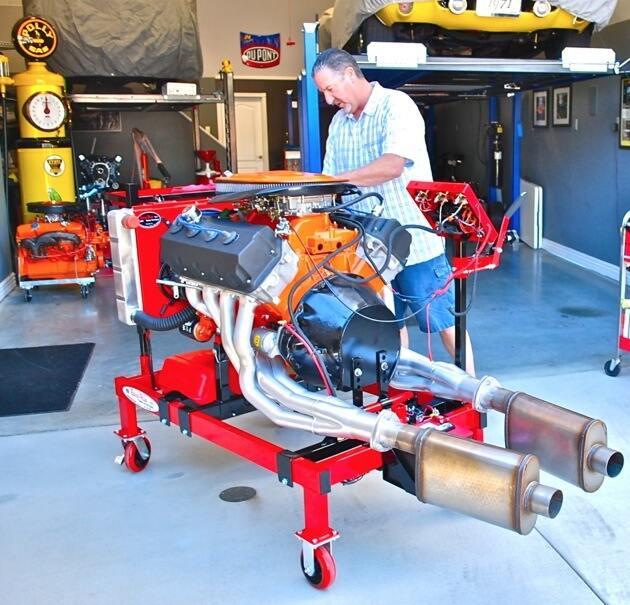
Automotive engine run stands serve a different market segment, focusing on passenger vehicle, racing, and commercial truck engines. These stands typically feature adjustable mounting systems to accommodate various engine configurations, from inline four-cylinder units to large V8 and V12 powerplants. Dyno-integrated run stands allow precise measurement of horsepower and torque output across the entire RPM range.
Performance shops and racing teams rely heavily on automotive engine test stands for development work and quality assurance. A professional-grade automotive engine run stand might cost between $5,000 and $50,000, depending on features like computerized data logging, emissions testing capability, and dynamometer integration. These systems have revolutionized engine development by allowing engineers to test modifications quickly without repeatedly installing and removing engines from vehicles.
Industrial and Marine Engine Run Stands
Industrial applications require engine run stands capable of testing large diesel engines, generator sets, and marine propulsion systems. These stands must handle extended run times and provide accurate load simulation to verify performance under realistic operating conditions. Marine engine test stands often include water circulation systems to cool engines designed for wet exhaust operation.
Key Components of an Engine Run Stand System
Every effective engine run stand incorporates several critical subsystems working together to create a safe and functional testing environment. Understanding these components helps operators maintain equipment properly and troubleshoot issues efficiently.
Structural Framework and Mounting Systems
The foundation of any engine run stand is its structural framework, which must withstand significant forces during operation. High-quality stands use heavy-duty steel construction with reinforced mounting points designed to handle engine torque reactions and vibration. Adjustable mounting systems allow technicians to position engines precisely for optimal driveshaft alignment and sensor placement.
Modern engine run stands often feature quick-release mounting systems that reduce setup time significantly. Some advanced stands incorporate hydraulic or pneumatic positioning systems, allowing operators to adjust engine height and angle remotely. The structural integrity of the mounting system directly impacts test accuracy and operator safety.
Fuel Delivery and Management Systems
Proper fuel delivery is essential for engine testing. An engine run stand requires fuel tanks, pumps, filters, and pressure regulation systems matched to the engine’s requirements. Aviation test stands need specialized systems for handling jet fuel (JP-8 or Jet A), while automotive stands typically use gasoline or diesel delivery systems.
Flow measurement capabilities allow engineers to calculate specific fuel consumption rates, providing valuable data for efficiency evaluations. Safety features include automatic shutoff valves, leak detection systems, and proper ventilation to prevent vapor accumulation. Many facilities invest in fuel recirculation systems to maintain proper fuel temperature and prevent vapor lock issues during extended testing sessions.
Exhaust Management Systems
Managing exhaust gases safely represents one of the most challenging aspects of engine run stand operation. High-temperature exhaust requires specialized ducting materials, typically stainless steel or high-temperature alloys. Aviation test stands need blast deflectors and noise suppression systems to comply with environmental regulations and protect surrounding structures.
Automotive engine run stands often incorporate catalytic converters and exhaust extraction systems to remove harmful emissions from the testing area. Proper exhaust system design ensures adequate backpressure simulation while preventing dangerous gas accumulation in enclosed spaces. Temperature monitoring throughout the exhaust system prevents damage to ducting and surrounding equipment.
Cooling Systems
Engines generate tremendous heat during operation, making cooling systems critical components of any engine run stand. Air-cooled engine stands require powerful fans capable of moving thousands of cubic feet per minute across engine components. Liquid-cooled systems need radiators, circulation pumps, and temperature control equipment to maintain proper operating temperatures.
Advanced test stands incorporate programmable cooling systems that can simulate various operating conditions, from cold starts to high-ambient-temperature scenarios. Temperature sensors throughout the cooling system provide real-time data, allowing operators to identify potential overheating issues before they cause damage. For related engine control systems, check out our comprehensive resources at general engine information.
Data Acquisition and Instrumentation
Modern engine run stands function as sophisticated data collection platforms. Sensor arrays monitor dozens or hundreds of parameters simultaneously, including temperatures, pressures, flow rates, speeds, and vibration levels. High-speed data acquisition systems capture transient events that occur during acceleration and deceleration cycles.
Computer control systems allow operators to program complex test sequences and automatically adjust parameters based on real-time measurements. Many facilities use custom software packages that provide visualization of test data through graphs, charts, and diagnostic displays. This instrumentation transforms a basic engine run stand into a powerful diagnostic and development tool.
Applications and Industries Using Engine Run Stands
The versatility of engine run stands makes them valuable across numerous industries and applications. Understanding these use cases demonstrates the breadth of this technology’s impact.
Commercial Aviation Maintenance
Airlines and MRO (Maintenance, Repair, and Overhaul) facilities depend on aircraft engine run stands for post-maintenance verification testing. After major engine work, regulations require test runs to verify proper operation before returning engines to service. Test stands allow technicians to identify issues like fuel leaks, abnormal vibrations, or performance deficiencies without risking an aircraft.
Major airlines maintain dedicated engine test facilities at their maintenance hubs. These facilities can test multiple engines simultaneously, reducing aircraft downtime and improving maintenance efficiency. The cost of operating an aviation test cell typically ranges from $1,000 to $5,000 per hour, but this expense is justified by the safety assurance and diagnostic capabilities provided.
Military and Defense Applications
Military organizations use engine run stands for testing fighter jet engines, helicopter powerplants, and unmanned aerial vehicle propulsion systems. Defense contractors require test stands during engine development programs to validate performance specifications and conduct endurance testing. Military test facilities often feature classified instrumentation for measuring thrust, fuel efficiency, and other performance parameters critical to combat operations.
The U.S. Air Force operates numerous engine test facilities worldwide, with some capable of testing engines producing over 40,000 pounds of thrust. These military-grade engine run stands incorporate advanced safety features and can simulate altitude conditions through pressure control systems. Defense spending on engine test infrastructure exceeds hundreds of millions of dollars annually.
Performance and Racing Industries
Motorsports teams rely on automotive engine run stands integrated with dynamometers for development work. NASCAR, Formula 1, NHRA, and other racing series invest heavily in engine testing to extract maximum performance while ensuring reliability. Dyno testing allows engineers to optimize fuel mapping, ignition timing, and forced induction systems without track time.
Professional racing engines undergo hundreds of hours of dyno testing during development. A typical Formula 1 engine might see 50-100 hours of testing before race deployment. High-end racing engine run stands with sophisticated dynamometers can cost $200,000 or more, but they’re essential for staying competitive at the highest levels of motorsport.
Manufacturing Quality Control
Engine manufacturers use production test stands as the final quality check before shipping products to customers. These automated engine run stands conduct standardized test sequences, verifying that each engine meets performance specifications. Any unit failing to meet parameters gets flagged for additional inspection and corrective action.
Production test stands must balance thoroughness with efficiency. Automotive manufacturers might test thousands of engines monthly, requiring quick setup times and reliable operation. These facilities often integrate test stand data directly into manufacturing execution systems, creating comprehensive quality records for every engine produced.
Critical Safety Considerations for Engine Run Stand Operation
Operating an engine run stand involves significant hazards that require comprehensive safety protocols. Organizations must prioritize safety to protect personnel and equipment while conducting engine tests.
Fire Prevention and Suppression
Engine testing involves combustible fuels, high temperatures, and electrical systems—a potentially dangerous combination. Every engine run stand facility should have automatic fire detection and suppression systems. Dry chemical, foam, or clean agent systems provide effective fire control without causing additional damage to sensitive engine components.
Regular safety inspections should verify that fuel lines don’t leak, electrical connections are properly insulated, and hot exhaust components are adequately shielded. Facilities should maintain clear emergency procedures and ensure all personnel know how to activate emergency shutoffs and fire suppression systems. Statistics show that proper fire prevention reduces insurance costs and prevents catastrophic losses.
Noise and Vibration Management
Engine testing generates extreme noise levels, often exceeding 120 decibels at close range. OSHA regulations require hearing protection for workers exposed to noise above 85 decibels. Sound-insulated test cells or remote operation capabilities protect personnel from hearing damage while allowing necessary observations during testing.
Vibration from operating engines can damage instrumentation and mounting hardware over time. Quality engine run stands incorporate vibration isolation systems that protect surrounding structures and equipment. Regular inspection of mounting bolts and structural connections prevents catastrophic failures caused by vibration-induced loosening or fatigue.
Ventilation and Emissions Control
Adequate ventilation prevents dangerous carbon monoxide accumulation in test facilities. Indoor engine run stands require powerful exhaust extraction systems that maintain negative pressure in testing areas, preventing emissions from entering occupied spaces. Air changes per hour should meet or exceed local building codes and industry best practices.
Facilities must also comply with environmental regulations regarding emissions discharge. Some jurisdictions require emissions monitoring and reporting for engine test operations. Installing appropriate filters and catalytic systems helps facilities meet regulatory requirements while protecting air quality.
Personnel Training and Certification
Operators of engine run stands need comprehensive training covering equipment operation, emergency procedures, and safety protocols. Many organizations develop certification programs ensuring operators demonstrate competency before working independently. Training should include theoretical knowledge and hands-on experience under supervision.
Ongoing education keeps operators updated on new equipment features, regulatory changes, and best practices. Regular safety meetings and incident reviews help maintain awareness of potential hazards. Organizations with strong safety cultures experience fewer accidents and equipment damage incidents.
Performance Metrics and Data Analysis from Engine Run Stand Testing
The value of an engine run stand extends beyond simple go/no-go testing. Advanced facilities extract detailed performance data that drives engineering decisions and maintenance strategies.
Power Output Measurement
Measuring engine power output represents one of the most common engine run stand tests. Dynamometers connected to engine output shafts measure torque at various RPM levels, allowing calculation of horsepower. Chassis dynamometers test complete vehicles, while engine dynamometers test isolated powerplants.
Power curves generated during dyno testing reveal engine characteristics across the operating range. Engineers analyze these curves to identify areas for improvement or diagnose performance deficiencies. Comparative testing before and after modifications quantifies the effectiveness of engineering changes.
Fuel Efficiency Analysis
Specific fuel consumption (SFC) measurements determine how efficiently engines convert fuel into power. An engine run stand equipped with precision fuel flow meters can calculate SFC across different operating conditions. This data helps manufacturers optimize fuel systems and allows operators to identify engines requiring maintenance due to declining efficiency.
Aviation operators particularly value SFC data, as fuel represents a major operating cost. A 1% improvement in fuel efficiency can save airlines millions of dollars annually across their fleets. Engine test stand data helps airlines make informed decisions about engine maintenance timing and fleet optimization.
Emissions Testing and Environmental Compliance
Modern engine run stands often include emissions analysis equipment measuring hydrocarbons, carbon monoxide, nitrogen oxides, and particulate matter. This data ensures engines meet environmental regulations and helps engineers develop cleaner propulsion systems. Emissions testing has become increasingly important as regulatory standards tighten globally.
Automotive manufacturers must certify that engine families meet EPA and CARB standards before market introduction. Test stand emissions data supports this certification process. Marine and industrial engine manufacturers face similar requirements for their products.
Vibration and Balance Analysis
Excessive vibration indicates mechanical problems ranging from minor imbalances to catastrophic bearing failures. Engine run stand testing with vibration sensors can identify issues before they cause damage. Spectral analysis of vibration data pinpoints specific components generating abnormal vibrations.
Aviation regulations require vibration analysis after major engine maintenance. Acceptable vibration limits are precisely defined, and engines exceeding these limits cannot return to service until corrected. This testing requirement has prevented numerous in-flight failures.
Cost Considerations and Return on Investment
Investing in an engine run stand represents a significant capital expenditure that organizations must justify through operational benefits and cost savings.
Initial Purchase Costs
Basic automotive engine run stands without dynamometers start around $3,000-$5,000 for manual systems. Adding dyno capabilities increases costs to $20,000-$100,000 depending on power capacity and features. Custom aviation test stands can cost $500,000 to over $5 million for facilities capable of testing large commercial turbofan engines.
Organizations must consider not just equipment costs but also facility modifications needed for installation. Adequate electrical service, fuel storage, exhaust systems, and fire suppression add significantly to project costs. Some facilities spend as much on infrastructure as on the test stand itself.
Operating and Maintenance Expenses
Running an engine run stand incurs ongoing costs including fuel, electricity, maintenance parts, and calibration services. High-power aviation test facilities might consume thousands of gallons of fuel and megawatts of electricity during intensive testing periods. Regular maintenance of fuel pumps, cooling systems, and instrumentation ensures reliable operation.
Personnel costs represent another significant expense. Skilled technicians and engineers operate test stands, analyze data, and maintain equipment. Large facilities might employ dozens of specialists supporting test operations. However, these costs must be weighed against the value of preventing engine failures and optimizing performance.
ROI Through Improved Reliability
Organizations justify engine run stand investments through improved reliability and reduced operational costs. Airlines prevent costly in-flight shutdowns and diversions by catching problems during ground testing. Racing teams win championships by optimizing engine performance before competition. Manufacturers protect their reputations by shipping only properly tested engines.
A single prevented engine failure can save hundreds of thousands or millions of dollars in aircraft operations. The cost of an unscheduled engine removal, shipping, repair, and reinstallation far exceeds the expense of proper test stand operations. This financial reality drives continued investment in engine testing infrastructure.
Selecting the Right Engine Run Stand for Your Needs
Choosing an appropriate engine run stand requires careful analysis of testing requirements, budget constraints, and future needs. Organizations should evaluate several key factors before making purchasing decisions.
Capacity and Size Requirements
The physical size and power capacity of engines you’ll test determines minimum engine run stand specifications. Automotive stands must accommodate different engine mounting patterns and provide adequate space for various configurations. Aviation stands require thrust capacity ratings matching or exceeding the engines they’ll test.
Overbuilding capacity provides flexibility for future needs but increases initial costs. Underbuilding saves money initially but may require expensive upgrades or replacement as requirements change. Most experts recommend selecting stands with 20-30% capacity margin above current maximum requirements.
Automation and Control Features
Manual engine run stands cost less but require constant operator attention and provide limited data collection. Semi-automated stands offer programmable test sequences while maintaining manual override capabilities. Fully automated facilities can conduct complex test protocols with minimal human intervention.
The appropriate automation level depends on testing volume and complexity. High-volume production testing justifies sophisticated automation that reduces labor costs and improves consistency. Low-volume maintenance testing may not justify expensive automation systems.
Instrumentation and Data Systems
Basic engine run stand instrumentation includes tachometers, temperature gauges, and pressure sensors. Advanced systems add dozens of sensors feeding high-speed data acquisition computers. The data system should match your analytical needs without adding unnecessary complexity and cost.
Consider whether you need real-time data visualization, automated data logging, or integration with existing enterprise systems. Modern test stands can feed data directly into maintenance management systems or engineering databases. This integration provides long-term value through improved data analysis and trend identification.
Call to Action: Invest in Quality Engine Run Stand Solutions Today
Whether you operate a small automotive repair shop or a major aviation maintenance facility, investing in a quality engine run stand delivers significant operational benefits. Modern test stands combine safety, accuracy, and efficiency in ways impossible just a decade ago. Don’t compromise on equipment quality when testing expensive engines that power your aircraft, vehicles, or industrial equipment.
Contact reputable engine run stand manufacturers to discuss your specific requirements. Request demonstrations, review case studies from similar organizations, and carefully evaluate proposals before making final decisions. The right test stand becomes a long-term asset that pays dividends through improved safety, reliability, and performance optimization.
Frequently Asked Questions About Engine Run Stands
What is an engine run stand used for?
An engine run stand is used for testing engines outside their normal installation environment. It allows technicians to verify proper operation after maintenance, diagnose performance issues, conduct endurance testing, and collect detailed performance data without installing the engine in a vehicle or aircraft.
How much does an engine run stand cost?
The cost of an engine run stand varies widely based on application and features. Basic automotive stands start around $3,000-$5,000, professional dyno-equipped systems cost $20,000-$100,000, and aviation test stands range from $500,000 to over $5 million for large turbofan engine capabilities.
What safety features should an engine run stand include?
Essential safety features for an engine run stand include emergency shutoff systems, fire detection and suppression equipment, proper ventilation, sound insulation or hearing protection, secure engine mounting systems, fuel leak detection, and remote operation capabilities to keep personnel away from operating engines.
Can I build my own engine run stand?
While experienced fabricators can build basic automotive engine run stands, aviation and high-performance applications require professionally engineered systems. Safety considerations, liability issues, and the complexity of fuel, cooling, and exhaust systems make professional equipment advisable for most applications.
How often should engine run stand equipment be inspected?
Engine run stand equipment should undergo daily pre-use checks, weekly detailed inspections of critical systems, monthly comprehensive safety audits, and annual calibration of all measurement instrumentation. More frequent inspection may be required based on usage intensity and regulatory requirements.
What is the difference between an engine run stand and a dynamometer?
An engine run stand provides the basic infrastructure for operating an engine, while a dynamometer specifically measures power output. Many advanced test stands integrate dynamometers, but basic run stands may only verify that engines operate without measuring precise power levels.
Do engine run stands require special facility requirements?
Yes, engine run stands require adequate electrical service, fuel storage systems, proper ventilation or exhaust extraction, fire suppression systems, and structural foundations capable of supporting equipment weight and operational loads. Aviation test stands may require outdoor installation with blast deflectors and noise suppression.
What types of engines can be tested on an engine run stand?
Depending on the specific design, an engine run stand can test automotive gasoline and diesel engines, aircraft piston engines, turboprop and turbofan jet engines, marine propulsion systems, industrial power units, and specialty engines used in racing or military applications.
Sources: Aviation maintenance standards from FAA Advisory Circulars, automotive testing protocols from SAE International, and industry data from engine manufacturer specifications and testing facility operators.