In this guide
Introduction: Can Your Engine Really Last After a Head Gasket Replacement?
A blown head gasket is one of the most dreaded diagnoses a car owner can receive. The repair is expensive, time-consuming, and often raises a big question: what is the engine life after head gasket replacement? The good news is that with the right repair, proper follow-up care, and a little mechanical knowledge, your engine can run reliably for hundreds of thousands of miles after this fix.
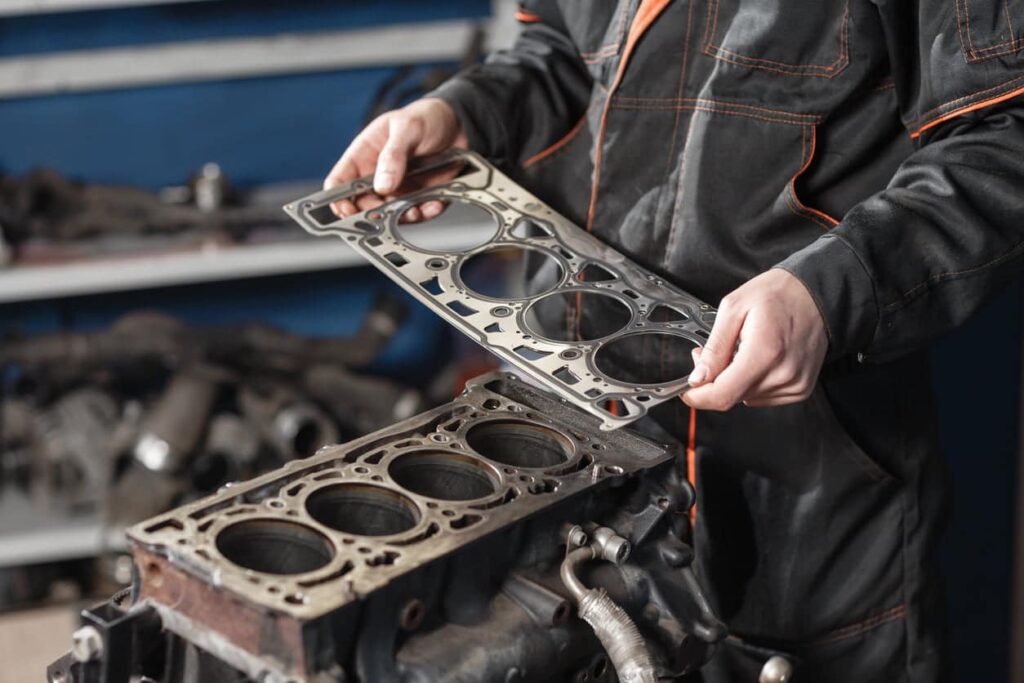
The head gasket sits between the engine block and cylinder head, sealing combustion chambers and coolant passages. When it fails, it can cause catastrophic damage — but a properly executed replacement can restore your engine to near-original performance. This guide covers everything you need to know about engine life after head gasket replacement, from realistic expectations to maintenance habits that will protect your investment.
According to CarMD’s Vehicle Health Index, head gasket repairs are among the top 10 most expensive car repairs in the United States, with average costs ranging from $1,400 to $2,000 or more. Knowing how to protect your engine afterward is critical.
What Is a Head Gasket and Why Does It Matter for Engine Life?
The head gasket is a thin but incredibly important component. It is positioned between the engine block (which houses the cylinders and pistons) and the cylinder head (which contains valves and sometimes the camshaft). Its job is to:
- Seal the combustion chambers so pressure doesn’t escape
- Prevent engine oil and coolant from mixing
- Keep coolant from entering the combustion chamber
- Maintain proper compression in each cylinder
When this gasket fails, the results can range from minor leaks to complete engine destruction. The severity of the damage before repair plays the single biggest role in determining engine life after head gasket replacement.
| Damage Level Before Repair | Expected Engine Life After Repair |
|---|---|
| Minor leak, caught early | 150,000–200,000+ miles |
| Moderate overheating, no warping | 100,000–150,000 miles |
| Warped cylinder head (repaired) | 80,000–120,000 miles |
| Severe overheating, cylinder scoring | 50,000–80,000 miles |
| Delay in repair, major internal damage | Less than 50,000 miles |
How Long Does an Engine Last After Head Gasket Replacement?
This is the central question most car owners ask. Engine life after head gasket replacement depends on several interconnected factors. Generally speaking:
- Best case scenario: Your engine can last just as long as it would have without the failure — potentially another 100,000 to 200,000 miles if caught early and repaired correctly.
- Average case: Most engines with a properly done head gasket repair and consistent maintenance will reliably last another 50,000 to 100,000 miles.
- Worst case: If the engine suffered significant overheating damage, warped heads, or internal scoring, longevity may be significantly reduced even after repair.
“A head gasket replacement, when done by a qualified mechanic using OEM or high-quality aftermarket parts, does not necessarily shorten the life of an engine. What shortens engine life is the damage caused by delay in addressing the failure.” — ASE Certified Master Technician, via AutoMD Community Forum
The bottom line is that the repair quality and post-repair maintenance matter just as much as the original damage. Let’s break each factor down.
Key Factors That Determine Engine Life After Head Gasket Replacement
1. Severity of Overheating Before the Repair
Overheating is the #1 cause of head gasket failure. When an engine overheats, the metal components expand beyond their design tolerances. The cylinder head — typically made of aluminum — is especially vulnerable to warping. A warped head must be resurfaced or replaced, and if it isn’t, no head gasket in the world will seal properly.
If your engine was repeatedly overheated or driven for a long time with a blown head gasket, there is a real risk of:
- Scored cylinder walls (deep scratches that reduce compression)
- Damaged pistons or rings
- Cracked cylinder head or engine block
- Contaminated engine oil from coolant mixing
Each of these issues directly reduces the expected engine life after head gasket replacement.
2. Quality of the Repair
Not all head gasket replacements are created equal. A shoddy repair job — using cheap gaskets, skipping head resurfacing, or improper torque sequencing — will result in a repeat failure, sometimes within just a few thousand miles.
Signs of a high-quality head gasket repair include:
- Use of OEM or reputable aftermarket gaskets (e.g., Fel-Pro, Victor Reinz, or manufacturer original)
- Cylinder head resurfacing to ensure a flat mating surface
- Proper torque sequence and specification followed during reassembly
- Replacement of head bolts if the originals are torque-to-yield (TTY) style
- Full cooling system flush and fill with fresh coolant
- Replacement of the thermostat and water pump (if high mileage)
- Pressure testing the cooling system after repair
If a mechanic skips any of these steps, the engine life after head gasket replacement will be compromised.
3. Post-Repair Maintenance Habits
Even the best repair in the world won’t guarantee longevity if the vehicle isn’t maintained properly afterward. The cooling system is now your #1 priority.
Essential post-repair maintenance checklist:
- ✅ Change the engine oil within the first 500–1,000 miles after repair
- ✅ Monitor coolant level daily for the first two weeks
- ✅ Watch for any signs of coolant leaks or white smoke from the exhaust
- ✅ Check for oil contamination (milky/foamy appearance on dipstick)
- ✅ Keep up with regular oil changes (every 3,000–5,000 miles depending on oil type)
- ✅ Flush and replace coolant every 2–3 years
- ✅ Inspect hoses and belts for wear
- ✅ Replace the radiator cap if it hasn’t been done recently
- ✅ Never let the engine overheat again
4. Age and Overall Condition of the Engine
If you’re replacing the head gasket on a high-mileage engine (150,000+ miles), the surrounding components — piston rings, valve seals, bearings, and timing components — may already be worn. In this case, even a perfect head gasket replacement may not yield decades of extra life.
For lower-mileage engines, however, a head gasket replacement is essentially a reset button. Many engines go on to last the full expected lifespan of 200,000+ miles after a timely repair.
5. The Type of Engine
Some engines are more resilient than others after a head gasket failure. Inline-4 and V6 aluminum engines are more sensitive to warping from heat. Cast iron block engines tend to handle overheating slightly better due to the material’s properties, though they are not immune to damage.
Certain engines are also notorious for head gasket problems, and their manufacturers have issued technical service bulletins (TSBs) or revised gasket designs to address weaknesses. Examples include:
| Engine / Vehicle | Known Head Gasket Issue |
|---|---|
| Subaru 2.5L EJ25 (1999–2011) | Common external coolant leaks |
| Toyota 3.4L V6 5VZ-FE | Oil/coolant leaks at higher mileage |
| GM 2.2L DOHC Ecotec | Coolant loss over time |
| Honda 1.8L R18 | Occasional issues in later models |
| Chrysler 2.7L V6 | Severe failure due to poor oiling |
For these engines, upgraded multi-layer steel (MLS) gaskets are often recommended to improve engine life after head gasket replacement.
Case Study: 2004 Subaru Outback Head Gasket Replacement
Background: A 2004 Subaru Outback with 112,000 miles was diagnosed with an external head gasket leak — coolant seeping from the gasket surface without mixing with oil. The engine had not overheated significantly.
Repair Performed:
- Both cylinder heads removed and resurfaced
- Upgraded MLS head gaskets installed
- New head bolts used
- Water pump and thermostat replaced
- Full cooling system flush
Outcome: The vehicle went on to accumulate an additional 97,000 miles before the owner sold it at 209,000 miles. No repeat head gasket failure occurred. Regular oil changes every 5,000 miles and annual coolant checks were credited as key factors.
Takeaway: Early detection, proper repair, and diligent maintenance are the formula for maximizing engine life after head gasket replacement.
What Are the Warning Signs of a Future Head Gasket Issue Post-Repair?
Even after a successful repair, it’s important to stay vigilant. Here are the red flags to watch for:
How Do You Know If a Head Gasket Is Failing Again?
- White smoke from the exhaust: A strong indicator that coolant is burning in the combustion chamber
- Milky or frothy oil: Coolant mixing with engine oil creates a distinctive milky appearance
- Coolant loss without visible leaks: Coolant disappearing with no obvious puddles under the car
- Engine overheating: The temperature gauge climbing into the red zone
- Sweet smell from the exhaust: Burning coolant has a distinctive sweet odor
- Bubbles in the coolant reservoir: Exhaust gases entering the cooling system
- Poor engine performance: Loss of power or rough idle caused by reduced compression
If you notice any of these signs, do not continue driving. Pull over safely and have the vehicle inspected immediately. Catching a failure early is the single best thing you can do to preserve engine life after head gasket replacement.
How to Maximize Engine Life After Head Gasket Replacement
Follow a Strict Cooling System Maintenance Schedule
The cooling system is the heart of your engine’s long-term health. After a head gasket replacement, treat the cooling system as your #1 maintenance priority.
Recommended cooling system maintenance schedule:
| Maintenance Task | Frequency |
|---|---|
| Coolant level check | Weekly for first month, then monthly |
| Full coolant flush and replacement | Every 30,000 miles or 2–3 years |
| Radiator hose inspection | Annually |
| Radiator cap replacement | Every 4–5 years |
| Thermostat inspection | Every 60,000 miles |
| Water pump inspection | Every 60,000–100,000 miles |
Use the Right Coolant
Not all coolants are compatible with all engines. Using the wrong type can cause corrosion, deposit buildup, and premature gasket degradation. Always use the coolant specified in your owner’s manual:
- OAT (Organic Acid Technology): Used by GM, VW, Audi, and others
- HOAT (Hybrid OAT): Common in European and Asian vehicles
- IAT (Inorganic Additive Technology): Older green coolant, less common today
- NOAT (Nitrite-free OAT): Often specified by Subaru, Toyota, and Honda
Always use distilled water when diluting coolant — tap water contains minerals that can deposit in the cooling system and reduce efficiency.
Don’t Ignore Early Warning Signs
Many engine failures are entirely preventable. The most common mistake car owners make is ignoring early warning signs — a slight temperature spike, a small coolant smell, or oil that looks slightly off. These small signs can become catastrophic failures within miles if ignored.
Invest in an OBD-II scanner (available for as little as $20–$50) to monitor engine temperature, coolant temperature sensor readings, and check engine lights in real time.
Keep Up With Oil Changes
Engine oil is your engine’s lifeblood. After a head gasket replacement, the first oil change should happen within 500–1,000 miles to remove any residual coolant or contaminants that may have entered the oil system during the repair process.
After that, stick to a regular schedule:
- Conventional oil: Change every 3,000–5,000 miles
- Synthetic blend: Change every 5,000–7,500 miles
- Full synthetic oil: Change every 7,500–10,000 miles (or per manufacturer recommendation)
Using high-quality synthetic oil after a head gasket replacement is often recommended by mechanics, as it provides better protection against heat and offers superior lubrication for slightly worn components.
Address Other Engine Issues Simultaneously
When the engine is already disassembled for a head gasket replacement, it’s the perfect opportunity to address other wear items. Preventive repairs done during the same service can significantly extend engine life and save money on labor in the long run.
Common repairs to consider doing at the same time:
- Valve stem seals (if showing wear)
- Timing belt or timing chain (if near replacement interval)
- Water pump replacement
- Thermostat replacement
- Spark plugs and ignition coils
- PCV valve replacement
- Intake manifold gasket inspection
Is It Worth Replacing a Head Gasket on a High-Mileage Engine?
This is one of the most common questions surrounding engine life after head gasket replacement. The answer depends on several factors:
Factors that make it worth the repair:
- The vehicle has low-to-moderate mileage (under 120,000 miles)
- The engine shows no signs of additional major damage
- The rest of the vehicle (transmission, suspension, body) is in good condition
- The repair cost is significantly less than the vehicle’s replacement cost
Factors that may make replacement a better option:
- The engine has 200,000+ miles and other major components are worn
- Additional engine damage (scored cylinders, cracked block) is present
- The repair cost approaches or exceeds the vehicle’s value
- Other major repairs (transmission, etc.) are also needed
The Rule of Thumb: If the total repair cost exceeds 50–70% of the vehicle’s current market value, many financial advisors and mechanics suggest considering a replacement vehicle instead.
Gifts for Engineers: A Quick Note for the Car Enthusiasts in Your Life
If you have an engineer or car enthusiast in your life who loves everything about engines and mechanical work, finding the perfect present can be a challenge. Whether it’s a birthday, holiday, or just because — check out this curated collection of gifts for engineers that celebrates their passion for everything mechanical.
FAQs: Engine Life After Head Gasket Replacement
How long will an engine last after a head gasket replacement?
With proper repair and consistent maintenance, an engine can last another 100,000 to 200,000 miles after a head gasket replacement. The key factors are the severity of damage before repair, the quality of the repair itself, and ongoing maintenance habits — especially cooling system care.
Does replacing the head gasket fix the engine completely?
A head gasket replacement addresses the failed seal between the engine block and cylinder head. If no additional damage occurred — such as warped heads, scored cylinders, or cracked components — the engine can be restored to near-original performance and longevity. However, if damage was done before or during the failure, those issues must be addressed separately for full engine health.
Can a head gasket fail again after replacement?
Yes, a head gasket can fail again, especially if the root cause was not addressed. Common reasons for repeat failure include improper repair (incorrect torque, no head resurfacing), use of low-quality gaskets, continued overheating, or pre-existing issues with the cooling system. A properly executed repair using quality parts significantly reduces the risk of repeat failure.
Is it safe to drive after a head gasket replacement?
Yes — once the repair is complete and the cooling system has been properly bled and tested, the vehicle is safe to drive. However, it’s recommended to monitor coolant levels, oil condition, and engine temperature closely for the first few weeks after the repair.
How do I know if my head gasket repair was done correctly?
Signs of a successful repair include: no white smoke from exhaust, stable coolant levels, no oil contamination, consistent engine temperature, and strong compression in all cylinders. Your mechanic should perform a compression test and cooling system pressure test before returning the vehicle.
What is the most important maintenance step after a head gasket replacement?
The most critical step is cooling system maintenance. Keeping the system filled with the correct coolant, monitoring for leaks, and ensuring the engine never overheats again are the most important things you can do to protect engine life after head gasket replacement.
How much does engine life after head gasket replacement cost to maintain?
Maintaining an engine after a head gasket replacement is no more expensive than regular vehicle maintenance. Expect to budget for regular oil changes ($30–$80 per service), annual coolant checks, and a full coolant flush every 2–3 years ($80–$150). Catching any issues early will always be less expensive than a repeat repair.
Conclusion: Protecting Your Engine Life After Head Gasket Replacement
A head gasket replacement is not a death sentence for your engine — far from it. With the right approach, engine life after head gasket replacement can match or even exceed the original expected lifespan of the vehicle. The formula is straightforward: catch problems early, invest in a quality repair, use the correct parts and fluids, and commit to a diligent maintenance schedule.
The cooling system is your engine’s best friend post-repair. Keep it in top condition, never ignore warning signs, and change your oil regularly. Engines that receive this level of care routinely reach 200,000 miles and beyond, even after a significant repair.
If you’re currently weighing whether to repair or replace your vehicle, remember that a properly done head gasket replacement on a well-maintained vehicle with reasonable mileage is almost always worth the investment. The key is acting quickly, choosing a reputable mechanic, and committing to the maintenance habits that protect your engine for the long haul.
Ready to learn more about engine longevity and care? Explore our in-depth resources and expert guides on everything engine-related — and if you’re shopping for a car enthusiast in your life, don’t forget to check out our selection of gifts for engineers for the perfect mechanical-minded present.
Citation
For further reading on engine life after head gasket replacement, including technical repair standards and maintenance recommendations, refer to: Engine Life After Head Gasket Replacement – AllAboutEngines.com and the ASE (Automotive Service Excellence) repair guidelines for engine gasket service and cooling system maintenance.
Last updated: February 2026 | Category: Engine Maintenance | Reading time: ~12 minutes