In this guide
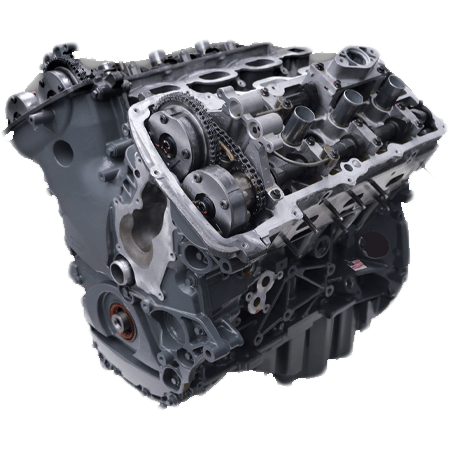
When searching for a 3.5 EcoBoost engine for sale, you’re looking at one of Ford’s most revolutionary powerplants that has transformed the automotive landscape since its introduction. The 3.5-liter EcoBoost V6 engine represents Ford’s commitment to delivering exceptional power without sacrificing fuel efficiency, making it a highly sought-after engine for replacement projects, performance upgrades, and restoration builds. This twin-turbocharged marvel has powered everything from the iconic Ford F-150 pickup trucks to high-performance vehicles like the Ford GT supercar, proving its versatility and engineering excellence across multiple platforms. Understanding what makes this engine special, where to find reliable units, and how to ensure you’re getting the best value for your investment requires comprehensive knowledge of the engine’s specifications, common applications, and the marketplace dynamics that affect pricing and availability.
Understanding the 3.5 EcoBoost Engine Architecture and Performance Capabilities
The 3.5L EcoBoost engine utilizes advanced twin-turbocharger technology combined with direct fuel injection to produce impressive power figures that rival or exceed traditional V8 engines while maintaining significantly better fuel economy. First-generation 3.5 EcoBoost engines, introduced in 2010, generated 365 horsepower and 420 lb-ft of torque in most applications, though certain performance variants produced even higher output numbers. The second-generation 3.5 EcoBoost, which debuted in 2017, brought substantial improvements including port and direct injection (PDI), higher compression ratios, and revised turbocharger designs that increased output to 375 horsepower and 470 lb-ft of torque in standard F-150 configurations. The third-generation EcoBoost, found in newer F-150 models and the Ford Explorer ST, continues this evolution with even more refinement and efficiency improvements that make it one of the most technologically advanced production engines available today.
The engine block is constructed from compacted graphite iron (CGI), which provides exceptional strength while keeping weight manageable compared to traditional cast iron blocks. This material choice allows the engine to handle the substantial boost pressures generated by the twin Garrett turbochargers without compromising durability or requiring excessive reinforcement. The aluminum cylinder heads feature four valves per cylinder with dual overhead camshafts and variable valve timing on both intake and exhaust sides, optimizing performance across the entire RPM range. The cooling system incorporates separate cooling circuits for the engine block and cylinder heads, allowing for more precise thermal management that improves efficiency and reduces warm-up times. When you’re evaluating a 3.5 EcoBoost engine for sale, understanding these technical specifications helps you appreciate the engineering sophistication and identify which generation and configuration best suits your specific application needs.
Common Applications and Vehicle Platforms Using the 3.5 EcoBoost
The 3.5 EcoBoost engine has been deployed across Ford’s lineup in numerous high-profile applications that demonstrate its remarkable versatility and capability. The Ford F-150, America’s best-selling vehicle, has offered the 3.5 EcoBoost as a premium powertrain option since 2011, where it quickly became one of the most popular engine choices among truck buyers who valued its combination of towing capacity, acceleration, and fuel economy. The engine’s 13,200-pound maximum towing capacity in properly equipped F-150 configurations makes it competitive with larger displacement V8 engines while delivering superior fuel efficiency that translates to real-world savings for daily drivers and commercial fleet operators alike. Ford’s luxury division Lincoln has utilized the 3.5 EcoBoost in vehicles like the MKT, MKS, Navigator, and Continental, where its smooth power delivery and quiet operation complement the premium driving experience these vehicles aim to provide.
Performance applications have showcased the engine’s true potential, with the Ford F-150 Raptor using a high-output version producing 450 horsepower and 510 lb-ft of torque that enables off-road performance previously unimaginable in a production pickup truck. The Ford GT supercar, one of the most exclusive and technologically advanced vehicles Ford has ever produced, utilizes a heavily modified 3.5 EcoBoost that generates over 660 horsepower, proving the engine architecture’s ability to handle extreme performance demands when properly engineered. The Ford Explorer ST and Lincoln Aviator also employ the 3.5 EcoBoost, bringing sports car levels of acceleration to three-row family SUVs that can comfortably transport seven passengers while still delivering thrilling performance when desired. Understanding these various applications is crucial when searching for a 3.5L EcoBoost engine for sale because different vehicle platforms may have slightly different engine specifications, accessories, and mounting configurations that affect compatibility with your intended installation.
Evaluating Engine Condition and Mileage Considerations
When examining any 3.5 EcoBoost engine for sale, thoroughly assessing the engine’s condition and service history represents the most critical step in making an informed purchasing decision. Mileage serves as one primary indicator of remaining engine life, though it’s far from the only factor to consider since maintenance history and operating conditions dramatically impact engine longevity. Well-maintained 3.5 EcoBoost engines regularly surpass 200,000 miles without major issues, while poorly maintained examples can experience significant problems well before 100,000 miles, highlighting the importance of obtaining comprehensive service records whenever possible. Visual inspection should include checking for oil leaks around valve covers, timing cover, oil pan gasket, and turbocharger oil feed and return lines, as these are common areas where gaskets may deteriorate over time and indicate deferred maintenance or aggressive driving habits.
Compression testing provides valuable insight into internal engine condition, with healthy cylinders typically showing 150-180 PSI with minimal variation between cylinders (less than 10% difference is ideal). Leakdown testing offers even more detailed information about valve sealing, piston ring condition, and head gasket integrity by measuring how much air escapes from each cylinder when pressurized. The turbochargers deserve special attention since they’re among the most expensive components to replace, with new OEM turbos costing $1,000-$2,000 each plus substantial labor charges for installation. Checking for shaft play in the turbos by gently moving the compressor wheel side-to-side and in-and-out helps identify worn bearings that will soon require replacement. Oil analysis reports, if available from the previous owner, provide exceptionally valuable data about internal wear rates, contamination, and the effectiveness of the previous maintenance program. Many sellers offering a 3.5 EcoBoost engine for sale can provide documentation showing the engine was removed from a running vehicle after an accident or collision, which generally offers more confidence than engines with unknown histories.
Pricing Factors and Market Analysis for Used 3.5 EcoBoost Engines
The market for 3.5 EcoBoost engines for sale varies significantly based on multiple factors including generation, mileage, condition, included accessories, and geographic location. First-generation engines (2010-2016) from salvage yards typically range from $2,500-$4,500 depending on mileage and condition, while second-generation engines (2017-present) command higher prices in the $4,000-$7,000 range due to their improved technology and performance characteristics. Complete engine assemblies that include all accessories, wiring harnesses, ECU, and transmission adapters cost more than bare long blocks but save considerable time and expense during installation, often justifying the higher initial investment. Remanufactured engines from reputable companies like Ford Performance, Jasper Engines, or other certified rebuilders typically cost $6,000-$9,000 but include comprehensive warranties that provide peace of mind and protection against unexpected failures.
Regional pricing variations reflect local supply and demand dynamics, with markets having higher concentrations of Ford vehicles generally offering more competitive pricing due to greater parts availability. Online marketplaces like eBay Motors, Car-Part.com, and specialized Ford enthusiast forums expand your purchasing options beyond local sources, though shipping costs for these heavy components (approximately 400-500 pounds fully dressed) can add $300-$600 to the total expense depending on distance and shipping method. Seasonal factors also influence pricing, with demand and prices typically increasing during spring and summer when more people undertake vehicle projects and decrease during winter months when fewer buyers are actively searching. When evaluating the total cost of acquiring a 3.5L EcoBoost engine for sale, remember to factor in additional expenses like new gaskets, fluids, timing components, spark plugs, and any sensors or accessories not included with the engine that your specific application requires.
| Engine Generation | Typical Price Range | Average Mileage | Warranty Coverage | Best Applications |
|---|---|---|---|---|
| 1st Gen (2010-2016) | $2,500 – $4,500 | 80,000 – 150,000 | 30-90 days parts only | Budget builds, basic replacements |
| 2nd Gen (2017-2019) | $4,000 – $6,500 | 40,000 – 100,000 | 90 days – 1 year | Modern trucks, performance builds |
| 3rd Gen (2020+) | $5,500 – $8,000 | 20,000 – 60,000 | 1 year – 2 years | Latest technology, warranty needs |
| Remanufactured | $6,000 – $9,000 | 0 (rebuilt) | 3 years / 100,000 miles | Maximum reliability, commercial use |
Identifying Reputable Sellers and Avoiding Common Pitfalls
Locating trustworthy sources when shopping for a 3.5 EcoBoost engine for sale requires careful research and due diligence to avoid problematic transactions that could cost thousands in additional expenses or leave you with an unusable engine. Established salvage yards with professional operations, proper inventory management systems, and clear return policies generally provide more reliable products than smaller operations or individual sellers, though they may charge slightly higher prices that reflect their overhead costs and quality assurance processes. LKQ Corporation, one of the largest automotive parts recyclers in North America, operates hundreds of locations nationwide and offers standardized grading systems, warranties, and shipping services that bring consistency to the used engine marketplace. Specialized performance shops and Ford dealerships sometimes have used engines available from trade-ins, warranty replacements, or customer upgrades, offering the advantage of engines that were professionally removed and often come with detailed documentation about their history and condition.
Online marketplaces require additional caution since you cannot personally inspect the engine before purchase, making seller ratings, reviews, and return policies critically important factors in your decision-making process. Request detailed photographs showing all sides of the engine, close-ups of any damaged areas, VIN decoding information to verify the engine’s original application, and videos of the engine running if it’s still installed in a vehicle. Communication responsiveness and the seller’s willingness to answer technical questions provide insight into their professionalism and the likelihood of a smooth transaction. Be extremely wary of prices significantly below market average, as these often indicate undisclosed problems, missing components, or sellers who won’t stand behind their products after the sale completes. Payment methods that offer buyer protection, such as PayPal Goods and Services or credit cards, provide recourse if the engine arrives damaged or doesn’t match the seller’s description, whereas wire transfers or payment apps used as “friends and family” transactions offer no protection if disputes arise.
Installation Considerations and Compatibility Requirements
Successfully installing a 3.5 EcoBoost engine for sale requires understanding the specific compatibility requirements and technical considerations that ensure proper function and reliability in your vehicle. Engine control unit (ECU) programming and compatibility represent one of the most complex aspects of engine swaps, as Ford’s modern vehicles use extensive communication between the ECU, transmission control module, body control module, and numerous other systems that must work together harmoniously. Same-generation swaps where you’re replacing a 3.5 EcoBoost with another 3.5 EcoBoost of the same generation are generally straightforward, though you may still need to swap the intake manifold, throttle body, or other external components to match your vehicle’s specific configuration. Cross-generation installations, such as installing a second-generation engine in a vehicle originally equipped with a first-generation unit, require more extensive modifications including wiring harness adaptations, sensor compatibility updates, and ECU reprogramming that may necessitate professional assistance from experienced Ford technicians or performance shops specializing in EcoBoost applications.
The cooling system requires careful attention since the 3.5 EcoBoost generates substantial heat under boost conditions and relies on adequate cooling capacity to prevent detonation and maintain long-term reliability. Verify that your vehicle’s radiator, water pump, and intercooler (if applicable) are appropriately sized for the engine’s cooling requirements, and replace aging cooling system components to prevent failures that could cause catastrophic engine damage. The fuel system must provide sufficient flow and pressure to support the engine’s demands, particularly if you plan any performance modifications, with the stock fuel system generally adequate for stock or mildly modified applications but requiring upgrades for significant power increases. Exhaust system compatibility ensures proper fitment and optimal performance, with factors like turbo outlet flanges, catalytic converter placement, and exhaust manifold configuration varying between different engine generations and vehicle applications. For individuals dealing with minor issues after installation, such as a check engine light after oil change, understanding basic diagnostic procedures helps identify simple problems before they escalate into major concerns.
Performance Modifications and Upgrade Potential
The 3.5 EcoBoost engine offers exceptional modification potential that attracts performance enthusiasts seeking significant power gains without the expense and complexity of building a naturally aspirated high-performance engine. Simple bolt-on modifications like aftermarket cold air intakes, high-flow downpipes, and performance exhaust systems can yield 30-50 horsepower gains while improving throttle response and engine sound characteristics that enhance the driving experience. ECU tuning represents the most cost-effective performance modification, with custom tunes from reputable companies like SCT, Livernois, or 5-Star Tuning extracting an additional 75-125 horsepower and similar torque increases by optimizing fuel delivery, ignition timing, and boost pressure within safe parameters that don’t compromise engine longevity. More aggressive modifications including upgraded turbochargers, larger intercoolers, methanol injection systems, and strengthened internal components can push power output beyond 700 horsepower, though these extensive builds require substantial investment and professional installation to ensure reliability.
The engine’s factory components demonstrate impressive strength and can handle moderate power increases without internal modifications, with the rods, pistons, and crankshaft generally considered safe to approximately 550-600 horsepower when proper tuning and supporting modifications are implemented. Beyond this threshold, upgraded connecting rods, forged pistons, and sometimes crankshaft upgrades become necessary to handle the increased cylinder pressures and mechanical stresses associated with higher power levels. The turbochargers themselves become limiting factors in the 500-550 horsepower range, with larger aftermarket turbos from companies like Garrett, BorgWarner, or Precision Turbo providing the airflow necessary for big power goals while maintaining reasonable boost threshold and response characteristics. When purchasing a 3.5L EcoBoost engine for sale with modification plans in mind, prioritize engines with lower mileage and excellent maintenance history, as these provide the strongest foundation for performance builds that will deliver reliable power for years to come.
Common Issues and Preventative Maintenance Strategies
Understanding common problems associated with the 3.5 EcoBoost engine helps you make informed purchasing decisions and implement preventative maintenance strategies that maximize engine longevity. Timing chain stretching represents one of the most serious issues affecting certain first-generation engines, particularly 2011-2014 models, where inadequate lubrication of the timing chain guides and tensioners can cause premature wear that leads to rattling noises on startup and potentially catastrophic engine failure if the chain jumps timing. Ford issued a technical service bulletin and extended warranty coverage for this issue, and many affected engines have already been repaired, though verifying whether a used engine has received this service provides important peace of mind. Carbon buildup on intake valves occurs in direct-injection engines since fuel doesn’t wash across the valves to clean them, requiring periodic walnut blasting or chemical cleaning services every 60,000-80,000 miles to maintain optimal airflow and prevent rough idle or misfires.
Spark plug failure and subsequent coil damage can occur if spark plugs aren’t replaced at the recommended 60,000-mile intervals, with the turbocharged environment creating harsh operating conditions that stress ignition components more than naturally aspirated engines. The cam phasers, which control variable valve timing, sometimes develop issues that cause ticking noises or rough running, particularly in engines that haven’t received regular oil changes with the correct specification oil. Using the manufacturer-recommended 5W-30 synthetic motor oil that meets Ford’s WSS-M2C946-A specification is absolutely critical for 3.5 EcoBoost longevity, as the tight tolerances and turbocharger lubrication requirements demand high-quality lubricants that maintain their properties under extreme temperatures and shear stress. Regular oil changes at 5,000-mile intervals, even though Ford’s maintenance schedule allows longer intervals, provides extra protection that extends engine life and prevents expensive repairs. When evaluating any 3.5 EcoBoost engine for sale, ask specifically about maintenance history related to these known issues and whether preventative services like timing chain replacement or carbon cleaning have been performed.
Warranty Options and Protection Plans
Warranty coverage significantly impacts the overall value proposition when purchasing a 3.5 EcoBoost engine for sale, providing financial protection against unexpected failures that could otherwise cost thousands in repair expenses. Most reputable salvage yards and engine suppliers offer basic warranties ranging from 30 days to 1 year, with coverage terms varying considerably between sellers and often depending on the engine’s age, mileage, and price point. Parts-only warranties, the most basic coverage level, reimburse you for replacement parts if the engine fails but don’t cover labor costs that often exceed parts expenses, leaving you responsible for potentially $1,500-$3,000 in installation and removal charges. Parts and labor warranties provide comprehensive coverage that handles both component replacement and the mechanic’s time to complete repairs, though these typically cost more upfront and may include deductibles or mileage limitations that reduce coverage over time.
Extended warranty programs from third-party providers like Endurance, CarShield, or CARCHEX can sometimes be purchased for used engines, offering protection periods of 3-5 years that extend well beyond standard seller warranties, though these programs involve monthly premiums and often include exclusions for pre-existing conditions, maintenance-related failures, or modifications that affect engine operation. Remanufactured engines from factory-authorized rebuilders typically include the most comprehensive warranties, often 3 years or 100,000 miles, reflecting the rebuilder’s confidence in their workmanship and quality control processes. These warranties generally require proof of proper installation by a certified mechanic, adherence to specified break-in procedures, and documentation of regular maintenance using appropriate fluids and filters to remain valid. When comparing different 3.5 EcoBoost engines for sale, carefully review warranty terms including coverage duration, what components are included or excluded, whether consequential damage is covered, labor reimbursement rates, and the process for filing claims to ensure you understand exactly what protection you’re receiving for your investment.
Where to Find the Best Deals on 3.5 EcoBoost Engines
Locating the best deals on a 3.5 EcoBoost engine for sale requires exploring multiple sourcing channels and understanding the advantages and disadvantages each marketplace offers. Local salvage yards allow personal inspection before purchase and eliminate shipping costs that can add hundreds of dollars to online transactions, though inventory may be limited and pricing might not be as competitive as larger regional or national suppliers. Car-Part.com serves as an aggregator connecting you with thousands of salvage yards across North America, allowing you to search their combined inventory, compare prices, and request quotes from multiple sellers simultaneously without visiting individual locations. eBay Motors provides access to nationwide inventory with detailed listings, seller ratings, and buyer protection programs, though you must carefully evaluate sellers and factor in shipping costs when comparing total expenses.
Ford enthusiast forums and Facebook groups dedicated to F-150, Raptor, Explorer, or general EcoBoost discussion connect you with community members who may have engines available from personal projects, know reliable sources, or can provide recommendations based on their experiences purchasing replacement engines. Performance shops specializing in Ford vehicles sometimes have customer trade-ins or take-out engines from upgrade projects available at reasonable prices, with the added benefit of professional inspection and often basic warranties. Auto auction platforms like Copart or IAA allow you to bid on complete wrecked vehicles that can be purchased for parts, potentially acquiring a running engine along with transmission and other valuable components for less than purchasing the engine alone, though this approach requires mechanical knowledge to remove components and willingness to handle vehicle disposal afterward. Facebook Marketplace and Craigslist provide direct access to individual sellers offering used engines, typically at lower prices than commercial sellers but with minimal buyer protection and the need for extra caution regarding condition verification and seller trustworthiness.
Professional Installation vs. DIY: Making the Right Choice
Deciding between professional installation and DIY approaches when installing your 3.5 EcoBoost engine for sale depends on your mechanical skills, available tools, workspace limitations, and the complexity of your specific installation. Professional installation by experienced Ford technicians or specialized shops ensures proper installation using correct procedures, specialized tools, and factory service information that DIY mechanics may not have access to, with labor costs typically ranging from $1,500-$3,500 depending on the complexity of the job and regional labor rates. These shops have engine hoists, transmission jacks, scan tools, and diagnostic equipment necessary to properly test and configure the engine after installation, along with expertise in troubleshooting problems that might arise during the process. Many shops also offer warranties on their labor that provide protection if installation-related issues develop after you take delivery of your vehicle, adding valuable peace of mind that justifies the professional installation expense.
DIY installation saves substantial labor costs but requires adequate mechanical knowledge, proper tools including an engine hoist, engine stand, and comprehensive socket and wrench sets, and sufficient workspace to safely complete the project. Home mechanics should budget 15-25 hours for a straightforward engine replacement in a similar vehicle, with cross-platform swaps or modified installations requiring significantly more time depending on fabrication needs and compatibility challenges. Online resources including factory service manuals, YouTube installation videos, and Ford enthusiast forums provide valuable guidance that can help DIY installers avoid common mistakes and learn from others’ experiences. However, modern engines’ complexity with electronic controls, emissions systems, and integrated vehicle networks means that even experienced home mechanics may encounter situations requiring professional diagnostic equipment or expertise to properly complete the installation and ensure reliable operation. The financial breakeven analysis should consider not just the labor cost savings but also the value of your time, the risk of mistakes that could damage expensive components, and your confidence in achieving a professional-quality result that provides years of reliable service.
Call to Action: Find Your Perfect 3.5 EcoBoost Engine Today
Now that you understand the critical factors involved in selecting, evaluating, and installing a 3.5 EcoBoost engine for sale, you’re equipped to make an informed purchasing decision that delivers the performance, reliability, and value you’re seeking. Whether you’re replacing a failed engine in your daily driver, upgrading to more power for your F-150, or building a custom project vehicle, taking time to research available options, verify seller credibility, confirm compatibility requirements, and plan your installation approach ensures the best possible outcome for your investment. Don’t rush the process—a few extra days spent finding the right engine from a reputable source with appropriate warranty coverage can save you thousands in potential problems and provide confidence that your engine will deliver many miles of reliable service. Start your search for a quality 3.5 EcoBoost engine for sale today and take the first step toward getting your vehicle back on the road or completing that dream build you’ve been planning. For more information and current listings, visit reputable automotive marketplaces and connect with the vibrant Ford EcoBoost community that’s ready to share their knowledge and help you succeed with your project.
Frequently Asked Questions About 3.5 EcoBoost Engines for Sale
What is the average price for a used 3.5 EcoBoost engine for sale?
The average price for a used 3.5 EcoBoost engine for sale ranges from $2,500 to $7,000 depending on the generation, mileage, condition, and included accessories. First-generation engines (2010-2016) typically cost between $2,500 and $4,500, while second and third-generation engines (2017-present) command higher prices from $4,000 to $7,000 due to their improved technology and lower average mileage. Remanufactured engines with comprehensive warranties can cost $6,000 to $9,000 but offer peace of mind and protection against unexpected failures. Prices vary based on geographic location, seasonal demand, seller type, and whether the engine includes all accessories, wiring, and computer systems necessary for installation.
How many miles can I expect from a 3.5 EcoBoost engine for sale?
A properly maintained 3.5 EcoBoost engine can reliably exceed 200,000 miles and sometimes reach 250,000-300,000 miles with appropriate care and regular maintenance. The engine’s longevity depends heavily on maintenance history, operating conditions, and whether known issues like timing chain problems have been addressed. Engines that received regular oil changes with proper synthetic oil, timely spark plug replacements, and preventative maintenance on items like carbon buildup and cam phasers tend to achieve higher mileage without major problems. When purchasing a used engine, look for units with 60,000-120,000 miles that still have substantial life remaining while being affordable compared to low-mileage examples that command premium prices.
What vehicles are compatible with 3.5 EcoBoost engines for sale?
3.5 EcoBoost engines have been installed in numerous Ford and Lincoln vehicles since 2010, including the F-150 pickup truck, Explorer and Police Interceptor SUVs, Expedition, Flex, Taurus SHO, Transit van, Lincoln MKT, MKS, MKZ, Navigator, Continental, and Aviator. Performance applications include the Ford F-150 Raptor, Ford GT supercar, and Ford Explorer ST. While the engine was used across this wide range of vehicles, compatibility for replacement or swap purposes depends on matching the correct generation, ensuring compatible engine control systems, adapting mounting points and accessories, and addressing wiring harness differences between applications. Same-vehicle replacements are most straightforward, while cross-platform swaps require more extensive modifications and professional expertise.
What warranty coverage should I expect when buying a 3.5 EcoBoost engine for sale?
Warranty coverage for a 3.5 EcoBoost engine for sale varies significantly based on the seller and engine type. Salvage yard engines typically include 30-90 day parts-only warranties, while more established suppliers may offer 6-12 month parts and labor coverage. Remanufactured engines from professional rebuilders generally provide the most comprehensive warranties, often 3 years or 100,000 miles, covering both parts and labor for engine-related failures. Always review warranty terms carefully to understand what components are covered, whether labor is included, if there are mileage or time limitations, what documentation is required to maintain coverage, and the claims process. Extended warranty programs from third-party providers can sometimes be purchased to extend coverage beyond the initial warranty period.
What are the most common problems with used 3.5 EcoBoost engines for sale?
Common issues to watch for when evaluating a 3.5 EcoBoost engine for sale include timing chain stretching (particularly in 2011-2014 models), carbon buildup on intake valves from direct injection, cam phaser problems that cause ticking or rough running, spark plug and ignition coil failures, turbocharger bearing wear or shaft play, coolant leaks from water pump or thermostat housing, oil leaks from valve covers and timing cover gaskets, and condensation in the intercooler system. Thoroughly inspect the engine for these issues before purchase, request maintenance records showing preventative services have been performed, and consider having a professional mechanic perform a compression test and visual inspection if you’re investing in a higher-priced engine. Engines with documented regular maintenance and service addressing known issues provide the best long-term value and reliability.
Can I install a 3.5 EcoBoost engine for sale myself or should I hire a professional?
Whether to install a 3.5 EcoBoost engine for sale yourself depends on your mechanical skill level, available tools, and the complexity of your specific installation. DIY installation is feasible for experienced home mechanics with proper equipment including an engine hoist, engine stand, and comprehensive tool collection, potentially saving $1,500-$3,500 in professional labor costs. However, the 3.5 EcoBoost’s complexity with electronic engine controls, turbocharger systems, and integrated vehicle networks means professional installation offers advantages including proper diagnostic equipment, factory service information access, specialized tools, expertise troubleshooting compatibility issues, and often labor warranties on the installation work. First-time engine installers or those attempting cross-platform swaps should strongly consider professional installation to ensure reliable operation and avoid costly mistakes that could damage the engine or vehicle systems.
Where are the best places to find a 3.5 EcoBoost engine for sale?
The best sources for finding a 3.5 EcoBoost engine for sale include local salvage yards where you can personally inspect engines before purchase, Car-Part.com which aggregates inventory from thousands of salvage yards nationwide, eBay Motors for access to sellers across the country with buyer protection programs, Ford dealerships that sometimes have trade-in or warranty replacement engines available, specialized Ford performance shops with customer take-outs from upgrade projects, and enthusiast forums and Facebook groups where community members sell engines from personal projects. Each source offers different advantages regarding price, warranty coverage, ability to inspect before purchase, and shipping convenience. Research multiple sources, compare prices including shipping costs, verify seller reputation through reviews or references, and carefully evaluate warranty terms before committing to a purchase.
What generation 3.5 EcoBoost engine for sale is best for my application?
Selecting the best generation 3.5 EcoBoost engine for sale depends on your specific vehicle, budget, and performance goals. First-generation engines (2010-2016) are most affordable at $2,500-$4,500 and work well for budget-conscious replacements or basic applications, though they have lower power output and older technology. Second-generation engines (2017-2019) offer improved performance with port and direct injection, revised turbochargers, and 375 horsepower output, making them excellent choices for those wanting modern technology and better performance at moderate prices of $4,000-$6,500. Third-generation engines (2020-present) provide the latest refinements and efficiency improvements but cost more at $5,500-$8,000 and may have limited availability in the used market. For replacement purposes, matching your original engine generation ensures easiest installation with minimal modifications required.
Technical Specifications Comparison Across EcoBoost Generations
Understanding the technical evolution of the 3.5 EcoBoost engine across its three generations helps buyers appreciate the improvements Ford has implemented and make informed decisions about which generation best suits their needs. The first-generation engine introduced in 2010 utilized direct injection exclusively, with fuel being sprayed directly into the combustion chamber under high pressure, providing excellent fuel economy and emissions control but contributing to carbon buildup on intake valves over time. The compression ratio of 10.0:1 was relatively conservative to allow safe operation with regular unleaded gasoline while providing adequate detonation resistance under boost conditions. The twin Garrett GT15 turbochargers were sized to provide quick response and minimal lag while supporting the engine’s power output goals, though they became restrictive for enthusiasts pursuing significant power increases beyond stock levels.
Second-generation improvements implemented in 2017 brought dual-injection capability combining both port and direct injection, which addressed carbon buildup concerns while maintaining the performance and efficiency benefits of direct injection technology. The compression ratio increased to 10.5:1, extracting more power from each combustion event while still allowing regular fuel compatibility that keeps operating costs reasonable. The revised turbocharger design featured improved aerodynamics and bearing systems that enhanced durability and response characteristics. The cooling system incorporated a more sophisticated thermal management strategy with electrically controlled thermostats and revised coolant routing that optimizes engine warm-up times and maintains stable operating temperatures under varying load conditions. Third-generation refinements continued this evolution with further improvements to combustion efficiency, emissions control systems, and integration with Ford’s latest 10-speed automatic transmission that maximizes the engine’s performance capabilities across a wider range of driving conditions. When shopping for a 3.5L EcoBoost engine for sale, understanding these generational differences helps you select an engine that provides the technology level and capabilities appropriate for your specific application and budget constraints.
Source Citation and Additional Resources
For authoritative information about 3.5 EcoBoost engines for sale, consult Ford’s official service literature available through Motorcraft Service and the Ford Performance catalog featuring replacement engines and performance parts. Technical specifications, torque specifications, and detailed service procedures are documented in Ford’s factory service manuals which provide comprehensive information essential for proper maintenance and repair. The National Highway Traffic Safety Administration (NHTSA) database contains technical service bulletins, recalls, and safety information related to vehicles equipped with 3.5 EcoBoost engines, offering valuable insight into known issues and manufacturer-recommended solutions. Automotive research firms like J.D. Power and Consumer Reports publish reliability data and owner satisfaction ratings that help contextualize real-world performance and durability across different model years and vehicle applications.
Professional automotive forums including F150Forum.com, Ford-Trucks.com, and EcoBoost.net provide extensive user-generated content including maintenance guides, modification documentation, troubleshooting assistance, and marketplace sections where community members buy and sell engines and parts. These resources represent thousands of collective ownership experiences and technical knowledge that complement official manufacturer information with practical insights about common problems, effective solutions, and recommended service practices. Industry publications such as MotorTrend, Car and Driver, and Automotive News publish technical analyses, comparison tests, and long-term durability assessments that evaluate the 3.5 EcoBoost against competitive powertrains from other manufacturers. Salvage yard industry associations like the Automotive Recyclers Association (ARA) provide directories of reputable sellers and information about industry standards for quality grading, warranty programs, and business practices that protect consumers when purchasing used automotive components including engines.