In this guide
Introduction: Why the 351W Crate Engine Remains a Top Choice for Performance Enthusiasts
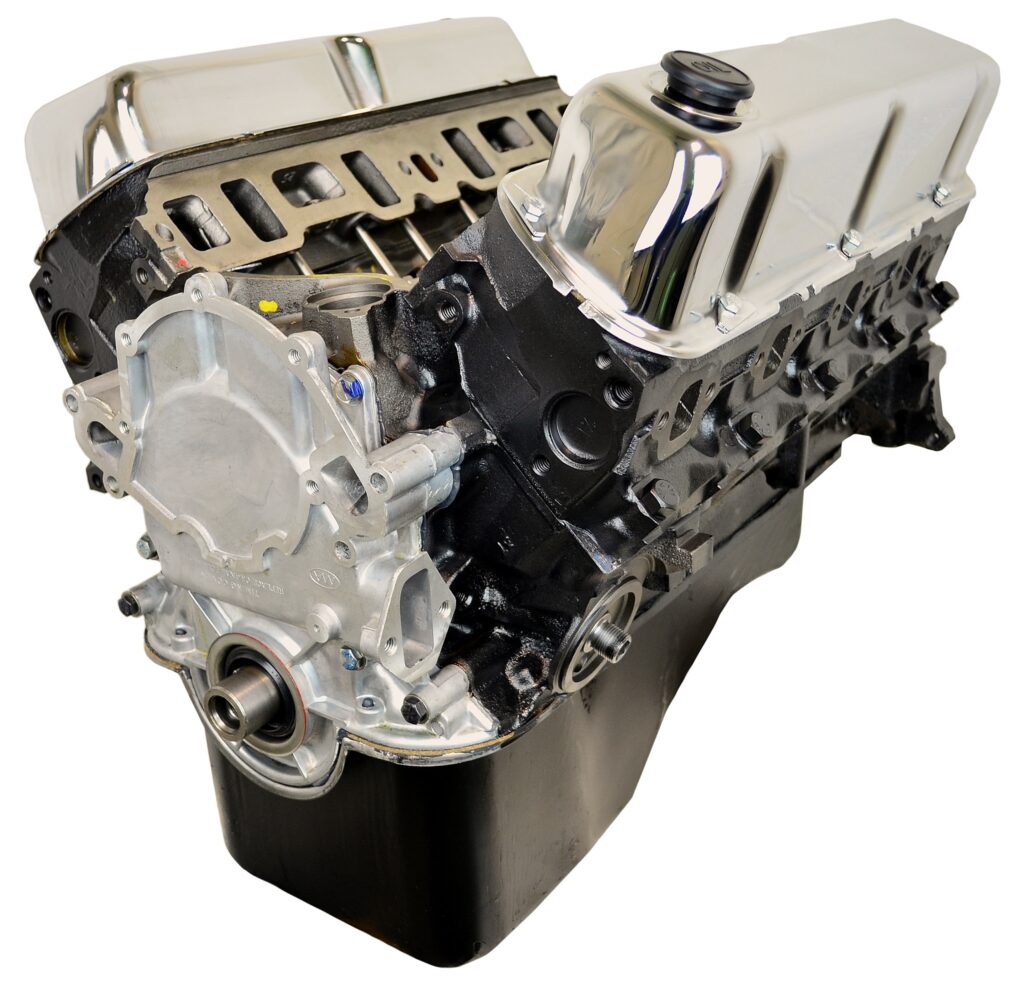
The 351W crate engine represents one of the most enduring and versatile powerplants in automotive history. Originally developed by Ford in 1969, the 351 Windsor has evolved from a reliable factory engine into a performance icon that continues to dominate restoration projects, hot rods, and custom builds decades after its introduction. Whether you’re restoring a classic Mustang, building a street rod, or upgrading your truck’s performance, understanding the capabilities and options available with a 351W crate engine can help you make an informed decision that delivers the power, reliability, and value you’re seeking.
Unlike its Cleveland counterpart, the Windsor design features a taller deck height, different head configurations, and a reputation for exceptional durability that has made it a favorite among engine builders and enthusiasts worldwide. The modern crate engine versions of this legendary small block offer significant advantages over rebuilding a used core, including factory warranties, updated internal components, and performance specifications that would cost thousands more to achieve through traditional building methods. This comprehensive guide explores everything you need to know about selecting, installing, and maintaining a 351W crate engine for your specific application.
Understanding the 351 Windsor Engine Architecture and Design
The 351W crate engine is built upon Ford’s venerable Windsor small block architecture, which differs significantly from other members of the 351 cubic inch family. The Windsor designation refers to the Ford engine plant in Windsor, Ontario, where these engines were originally manufactured, and the design features several characteristics that distinguish it from the 351 Cleveland and 351 Modified engines. The Windsor block stands 9.5 inches tall from the crankshaft centerline to the deck surface, compared to the Cleveland’s 9.2-inch deck height, giving the Windsor its characteristic appearance and allowing for longer connecting rods that reduce side loading on pistons.
The cylinder heads on a 351W crate engine feature smaller, more efficient combustion chambers compared to the Cleveland’s massive ports, making the Windsor superior for low and mid-range torque production. This design philosophy makes the 351 Windsor particularly well-suited for street applications, trucks, and vehicles where daily drivability matters more than peak horsepower numbers. The block itself shares bore spacing and external dimensions with other Windsor family members including the 289 and 302 engines, which means many parts interchange and retrofitting into engine bays designed for smaller Windsors becomes straightforward. Modern crate engine versions maintain these fundamental design elements while incorporating contemporary metallurgy, machining precision, and component specifications that far exceed original factory standards.
The bottom end of a 351W crate engine typically features a cast iron crankshaft in stock configurations, though performance variants may include forged steel cranks for increased strength and reliability at higher RPM ranges. The connecting rods measure approximately 5.956 inches between centers, and pistons are available in various compression ratios depending on your intended fuel type and performance goals.
The oiling system uses a traditional front-sump design with the oil pump driven by the distributor shaft, and adequate oil pressure maintenance is crucial for longevity, especially when using modern low-viscosity oils. Understanding these fundamental architectural elements helps you appreciate why the 351W has remained relevant for over five decades and why it continues to be offered as a complete crate engine package by multiple manufacturers.
Performance Specifications and Power Output Options
When shopping for a 351W crate engine, you’ll encounter a wide range of performance specifications tailored to different applications and budgets. Entry-level crate engines typically produce between 300-380 horsepower with torque figures ranging from 380-400 lb-ft, making them ideal replacements for worn factory engines or mild performance upgrades that maintain street manners and reliability. These base models usually feature hydraulic flat tappet camshafts, cast aluminum heads, and compression ratios between 9.0:1 and 9.5:1, allowing them to run safely on pump premium gasoline without detonation concerns. The power delivery characteristics emphasize low-end torque and broad, usable power bands that make them excellent choices for daily drivers, trucks, and applications where throttle response matters more than peak numbers.
Mid-range 351W crate engine packages step up performance significantly, delivering between 400-450 horsepower with torque outputs exceeding 450 lb-ft in many configurations. These engines typically incorporate aluminum cylinder heads with larger valves, improved port designs, and better flow characteristics than entry-level castings. The camshaft specifications become more aggressive with increased lift and duration figures, though most remain hydraulic roller designs that maintain acceptable idle quality and vacuum levels for power brake operation.
Compression ratios climb into the 10.0:1 to 10.5:1 range, and careful attention to ignition timing and fuel quality becomes increasingly important. Internal components are upgraded with stronger pistons, better rings, and sometimes forged connecting rods, ensuring the bottom end can handle the increased cylinder pressures and loads associated with higher output levels.
High-performance 351W crate engines represent the pinnacle of naturally aspirated small block Ford technology, with power outputs ranging from 500 to over 600 horsepower depending on configuration and supporting modifications. These race-bred powerplants feature fully forged rotating assemblies, CNC-ported aluminum heads, solid roller or mechanical roller camshafts, and compression ratios that may require racing fuel for safe operation.
The valvetrain components are upgraded to handle spring pressures and lifter velocities associated with camshaft profiles that may idle at 1200 RPM and produce peak power above 6500 RPM. While these engines deliver breathtaking performance, they sacrifice street manners, fuel economy, and low-speed drivability, making them better suited for dedicated race cars, track day vehicles, or show cars where ultimate performance outweighs practicality considerations. Proper cooling system upgrades, including high-quality engine ice coolant, become essential when operating at these power levels.
Choosing Between Aluminum and Cast Iron Block Options
The debate between aluminum and cast iron blocks represents one of the most significant decisions when selecting a 351W crate engine for your project. Traditional cast iron blocks offer several advantages that make them the preferred choice for many applications, starting with their lower initial cost and superior strength characteristics under extreme cylinder pressure conditions. Iron blocks dampen vibrations more effectively than aluminum, contributing to smoother operation and reduced noise transmission to the vehicle structure.
The material’s thermal properties allow it to maintain more stable operating temperatures and better resist heat distortion, which becomes particularly important in boosted applications or sustained high-load situations. Cast iron’s durability means these blocks can be bored and re-bored multiple times over their service life, making them ideal for engines that might undergo several rebuilds or power upgrades throughout their lifetime.
Aluminum block 351W crate engines provide compelling advantages for specific applications despite their higher initial cost, with weight savings representing their most significant benefit. A complete aluminum block typically weighs 50-75 pounds less than its iron equivalent, improving front-to-rear weight distribution, reducing overall vehicle weight, and enhancing handling characteristics, acceleration, and braking performance. This weight advantage proves particularly valuable in race cars where every pound counts, or in vehicles where front-end weight bias already creates handling challenges.
Modern aluminum block technology has largely overcome historical concerns about strength and durability, with properly engineered blocks featuring steel cylinder sleeves, increased ribbing, and carefully designed webbing that provides adequate strength for most street and moderate racing applications. The improved heat dissipation characteristics of aluminum can actually benefit engines operating in hot climates or under sustained heavy loads.
The decision between iron and aluminum ultimately depends on your specific application, budget, and performance priorities. Street-driven vehicles, trucks, and applications prioritizing long-term durability and cost-effectiveness typically benefit from traditional cast iron block 351W crate engines. The proven reliability, lower purchase price, and easier maintenance make iron blocks the sensible choice for most enthusiasts building engines that need to perform reliably for years with minimal attention.
Conversely, dedicated race cars, high-performance street machines where weight reduction provides measurable benefits, and show vehicles where every detail matters might justify the premium cost of an aluminum block. Some manufacturers offer both options within their crate engine lineups, allowing you to choose the construction material that best aligns with your project goals without compromising on other engine specifications like displacement, compression ratio, or camshaft selection.
Cylinder Head Technology and Airflow Considerations
Cylinder head selection dramatically impacts the performance characteristics, power output, and overall personality of your 351W crate engine, making it one of the most critical components in the entire package. Factory Windsor heads feature relatively small intake ports, modest valve sizes (typically 1.84-inch intake and 1.54-inch exhaust valves), and combustion chamber volumes around 58-62cc that work well for stock applications but severely limit power potential beyond 350 horsepower.
Aftermarket aluminum heads have revolutionized 351W performance by offering significantly improved port designs, larger valves, better flow characteristics, and lighter weight compared to factory iron castings. Modern CNC-ported heads from reputable manufacturers can flow 240-280 CFM on the intake side and 170-190 CFM on the exhaust side, representing improvements of 40-60% over stock heads and enabling naturally aspirated power levels that would have required aggressive porting or exotic components just two decades ago.
Performance cylinder heads for the 351W crate engine are available in several configurations optimized for different RPM ranges and applications. Small port heads with intake runner volumes around 170-180cc work exceptionally well for street engines, producing strong low-end torque and excellent throttle response while still supporting 425-450 horsepower with appropriate camshaft and induction components. These heads maintain good velocity characteristics at lower engine speeds, making them ideal for vehicles that see frequent stop-and-go driving, need strong mid-range power for passing, or operate primarily below 5500 RPM.
Larger port heads featuring 195-210cc intake runners sacrifice some low-speed velocity for improved high-RPM flow potential, enabling power levels approaching or exceeding 500 horsepower when combined with appropriate camshaft timing, compression ratios, and induction systems. The trade-off involves reduced low-speed torque and potentially compromised street manners, making these heads better suited for race-oriented applications or vehicles that operate primarily at higher engine speeds.
Valve size represents another critical consideration when evaluating 351W crate engine cylinder head options, with modern performance heads typically featuring 2.02 to 2.08-inch intake valves and 1.60 to 1.65-inch exhaust valves. Larger valves provide more flow area and support higher power levels, but they require adequate cylinder bore diameter to prevent shrouding effects that actually reduce flow efficiency. The Windsor’s 4.00-inch bore diameter accommodates 2.05-inch intake valves without significant shrouding, though going beyond this size requires careful consideration of valve-to-piston clearance, combustion chamber design, and port wall thickness.
Valve spring technology has advanced significantly in recent years, with modern beehive springs, conical springs, and dual springs providing precise valve control at high RPM while reducing friction and valvetrain weight. When selecting a crate engine package, pay careful attention to the included cylinder heads specifications, ensuring they match your intended RPM range, power goals, and application requirements rather than simply choosing the heads with the largest valves or highest flow numbers.
Camshaft Selection and Valvetrain Dynamics
The camshaft represents the personality of your 351W crate engine, controlling intake and exhaust valve timing, lift, and duration characteristics that directly influence power delivery, RPM range, idle quality, and overall drivability. Modern crate engines typically feature hydraulic roller camshafts that provide excellent performance characteristics without the maintenance requirements and noise associated with solid roller designs.
Hydraulic rollers eliminate the need for periodic valve lash adjustments while reducing friction through roller tip followers, and they can support lift figures exceeding 0.600 inches with proper valvetrain components. The self-adjusting nature of hydraulic lifters makes these camshafts ideal for street applications where consistent performance without regular maintenance is desirable, though they do have RPM limitations compared to mechanical designs due to lifter pump-up at extreme engine speeds.
Mild camshaft profiles suitable for daily-driven 351W crate engines typically feature duration specifications around 210-220 degrees at 0.050-inch lift with maximum valve lift between 0.480-0.520 inches. These specifications produce strong low-end torque, smooth idle characteristics around 800-1000 RPM, and adequate manifold vacuum to operate power brakes and other accessories without modification.
The power band extends from approximately 1800 RPM through 5500-6000 RPM, providing excellent throttle response and a broad, usable torque curve that makes driving enjoyable in all conditions. Lobe separation angles typically fall between 112-114 degrees, optimizing overlap characteristics for pump gas compatibility while maintaining good cylinder pressure and vacuum levels. These conservative camshaft specifications work particularly well in heavier vehicles, trucks, and applications where low-speed torque and drivability take precedence over peak horsepower numbers.
Aggressive camshaft profiles transform the 351W crate engine into a high-RPM performer, with duration specifications reaching 230-245 degrees at 0.050-inch lift and maximum valve lift approaching or exceeding 0.600 inches. These camshafts shift the power band upward into the 2500-7000 RPM range, producing impressive peak horsepower numbers but sacrificing low-speed torque, idle quality, and manifold vacuum in the process. The rough, loping idle associated with these profiles may sound impressive at car shows, but it can make traffic driving tedious and often requires power brake boosters to be upgraded or replaced with manual or hydroboost systems.
Lobe separation angles narrow to 108-110 degrees, increasing valve overlap for improved high-RPM volumetric efficiency at the expense of low-speed cylinder filling. While these camshafts enable power levels approaching or exceeding 500 horsepower from naturally aspirated 351W engines, they’re best reserved for race cars, track day vehicles, or dedicated performance machines where compromised street manners are acceptable trade-offs for maximum performance.
Induction System Options: Carburetors vs Fuel Injection
The choice between carburetion and fuel injection significantly impacts the performance, drivability, tunability, and maintenance requirements of your 351W crate engine, with each system offering distinct advantages depending on your application and preferences. Traditional carburetor setups remain popular among enthusiasts who appreciate their mechanical simplicity, lower initial cost, and the visceral experience of tuning jets and adjusting accelerator pumps to optimize performance.
A properly sized and tuned carburetor provides instant throttle response, adequate fuel delivery across the RPM range, and satisfying mechanical linkage feedback that many drivers find more engaging than electronic throttle systems. Modern carburetors from companies like Holley, Edelbrock, and Demon incorporate design improvements and precision manufacturing that deliver reliability and performance far exceeding vintage units, and their bolt-on nature makes installation straightforward for anyone with basic mechanical skills.
Electronic fuel injection transforms the 351W crate engine into a modern, efficient, and precisely controlled powerplant that starts reliably in all weather conditions, maintains optimal air-fuel ratios throughout the operating range, and adapts to changing environmental conditions without manual intervention. Multi-port injection systems provide individual fuel injector control for each cylinder, enabling precise mixture control that optimizes power output, fuel economy, and emissions characteristics.
Aftermarket EFI systems from companies like Holley, FiTech, and FAST offer complete packages including throttle bodies, ECUs, wiring harnesses, and tuning software that make retrofitting fuel injection to a crate engine project remarkably straightforward. The learning curves associated with EFI tuning have decreased substantially as user-friendly software interfaces and automatic learning capabilities have evolved, though initial setup still requires more technical knowledge than carburetor installation and basic tuning.
Performance differences between properly tuned carburetor and fuel injection systems on naturally aspirated 351W crate engines are often smaller than many enthusiasts assume, with well-sorted examples of each delivering within 5-10 horsepower of each other at peak output. The real advantages of EFI become apparent in daily driving situations, where precise fuel metering improves cold starting, eliminates vapor lock issues, maintains consistent performance regardless of altitude or temperature changes, and optimizes fuel economy during cruise conditions.
Carburetion retains advantages in simplicity, lower initial cost, and the ability to make quick adjustments without laptop computers, making it appealing for weekend cruisers, show cars, and enthusiasts who enjoy the traditional hot rodding experience. Modern crate engine packages are available configured for either induction system, with appropriate intake manifolds, fuel pump provisions, and wiring accommodations included, allowing you to choose the system that best aligns with your technical comfort level, budget, and performance priorities.
Ignition System Requirements and Timing Optimization
Proper ignition system selection and timing optimization prove critical for extracting maximum performance and reliability from your 351W crate engine while preventing detonation that can quickly destroy pistons and gaskets. Modern distributor-based ignition systems offer significant advantages over vintage points-and-condenser designs, with electronic triggering providing precise timing control, consistent spark energy across the RPM range, and elimination of maintenance-intensive mechanical components that wear and drift out of specification.
Quality aftermarket distributors from MSD, Pertronix, and other manufacturers feature CNC-machined housings, precision shaft bearings, and adjustable advance curves that can be tailored to your specific engine configuration and fuel quality. The ability to fine-tune mechanical and vacuum advance characteristics allows you to optimize part-throttle cruise efficiency while providing maximum advance at wide-open throttle for peak power output without detonation.
Distributorless ignition systems represent the cutting edge of 351W crate engine ignition technology, using individual coil-on-plug or coil-near-plug configurations controlled by programmable engine management systems. These setups eliminate the distributor entirely, freeing up space, reducing rotating mass, and providing unlimited timing control flexibility through software programming rather than mechanical advance mechanisms. Individual cylinder ignition control enables sophisticated strategies like cylinder-specific timing adjustment, sequential spark firing, and multi-spark discharge at lower RPM for improved combustion stability and reduced emissions. While distributorless systems require more complex installation involving custom sensor mounting, wiring harness fabrication, and ECU programming, the performance and reliability benefits make them increasingly popular for high-end builds where budget constraints don’t limit component selection.
Initial timing specifications for your 351W crate engine depend heavily on compression ratio, camshaft specifications, fuel octane rating, and intended operating conditions, but general guidelines provide starting points for optimization. Engines with compression ratios below 9.5:1 and mild camshafts typically run well with 12-14 degrees of initial advance, while higher compression engines (10.0:1 and above) may require only 8-10 degrees initial to prevent detonation.
Total mechanical advance should be set between 34-38 degrees BTDC, achieved by 3000-3500 RPM, with the specific value depending on combustion chamber design, quench area, and fuel quality. Vacuum advance can add another 10-15 degrees during cruise conditions to improve fuel economy and reduce exhaust temperatures, though high-overlap camshafts may produce insufficient manifold vacuum to operate vacuum advance mechanisms effectively. Always verify timing with a quality timing light after initial setup, and monitor for detonation when first driving the vehicle under load, adjusting timing conservative if any pinging is detected until proper tuning can be completed.
Cooling System Design and Heat Management
Effective cooling system design represents one of the most commonly overlooked yet critically important aspects of 351W crate engine installation, with inadequate heat rejection capacity leading to overheating, detonation, and potential engine damage regardless of how well other components are selected and assembled. The Windsor’s cast iron block and heads generate substantial heat during operation, particularly at higher power levels or under sustained load conditions, and this thermal energy must be efficiently transferred to the coolant and subsequently rejected through the radiator to maintain safe operating temperatures.
Factory cooling systems designed for stock engines operating at modest power levels often prove inadequate when paired with higher-output crate engines, especially in vehicles with limited airflow, marginal radiator sizing, or compromised fan arrangements that reduce cooling capacity below what modern performance engines require.
Radiator selection for your 351W crate engine should prioritize core thickness, tube and fin design, and overall surface area rather than simply choosing the largest physically compatible unit. Modern aluminum radiators feature tube designs and fin densities optimized for improved heat transfer compared to vintage brass and copper units, and their lighter weight reduces front-end mass while providing superior cooling capacity in properly sized configurations.
A performance radiator should provide at least 15-20% more capacity than the anticipated heat rejection requirements of your engine, creating a safety margin that prevents overheating during hot weather, traffic situations, or sustained high-load operation. Three-row cores or thick (1.5-inch or greater) dual-pass designs work well for street-driven crate engines producing 400-500 horsepower, while extreme applications may require custom racing radiators with even greater capacity and precisely matched coolant flow rates.
Water pump selection, fan configuration, and coolant type all contribute significantly to overall cooling system effectiveness and deserve careful consideration during 351W crate engine installation planning. High-flow aftermarket water pumps improve coolant circulation throughout the block and heads, reducing hot spots and improving heat transfer efficiency, though excessively fast flow rates can actually reduce heat transfer by not allowing sufficient dwell time in the radiator cores.
Electric fans offer precise temperature control, reduced parasitic power loss, and improved low-speed cooling compared to engine-driven mechanical fans, though they require proper amperage wiring and sufficient electrical system capacity to operate reliably. Premium coolants like engine ice coolant provide superior heat transfer characteristics and corrosion protection compared to traditional ethylene glycol mixtures, and proper coolant mixture ratios (typically 50/50 water to coolant) optimize both boiling point elevation and freezing point depression while maintaining adequate corrosion inhibitor concentrations throughout the system.
Installation Considerations and Engine Bay Compatibility
Successfully installing a 351W crate engine requires careful planning and attention to numerous compatibility factors that extend well beyond simply bolting the engine to the transmission and connecting the accessories. Engine bay clearance represents the first consideration, as the Windsor’s taller deck height and wider dimensions compared to smaller Ford small blocks can create interference issues with shock towers, steering components, brake boosters, and firewall contours in some chassis applications. Measure your existing engine bay carefully before ordering a crate engine, verifying that adequate clearance exists around the distributor, valve covers, exhaust manifolds, and oil pan, remembering that advertised engine dimensions don’t account for accessories, wiring, or plumbing that add several inches to the actual installed envelope.
Motor mount selection and positioning prove critical for proper 351W crate engine installation, as using incorrect mounts or positioning the engine improperly can lead to driveline angle problems, accessory interference, and potential damage to engine or transmission components. Most applications require motor mounts specifically designed for Windsor engines rather than Cleveland mounts, as the two share similar external dimensions but feature different mounting boss locations that prevent cross-compatibility.
Proper engine position involves setting the correct driveline angle (typically 1-3 degrees down at the transmission output shaft), ensuring adequate clearance around all accessories and chassis components, and verifying that the bellhousing mates properly with the transmission without binding or misalignment. Polyurethane motor mounts provide better vibration isolation and durability than solid mounts while still maintaining precise engine position under acceleration and deceleration loads.
Oil pan configuration represents another critical installation consideration that frequently causes problems during 351W crate engine swaps, as the front-sump design may require pan modifications or specialized aftermarket pans to clear steering linkage and crossmembers in some chassis applications. Rear-sump pans are available for swaps into vehicles with steering interference issues, though they require different oil pump pickups and may necessitate custom dipstick arrangements.
Verify that your chosen crate engine’s oil pan configuration is compatible with your chassis before installation begins, and consider that some applications benefit from aftermarket pans with increased capacity, baffling improvements, and scraper provisions that improve oil control during cornering and acceleration. Always use a quality oil pan gasket and proper torque specifications during assembly to prevent leaks that can be difficult to address after the engine is fully installed and the vehicle is operational.
Transmission Selection and Driveline Components
Pairing your 351W crate engine with an appropriate transmission represents a critical decision that influences acceleration, fuel economy, gear ratio optimization, and overall driving experience. Manual transmission options remain popular among enthusiasts who appreciate the direct mechanical connection and driver engagement they provide, with the Tremec TKO and T-56 Magnum representing excellent choices for street-driven performance applications.
The TKO 600 handles up to 600 lb-ft of torque and offers a comfortable 0.64:1 overdrive ratio that reduces highway cruising RPM while maintaining strong acceleration through its closely-spaced lower gears. The T-56 Magnum provides even greater torque capacity (700 lb-ft) and an ultra-deep 0.50:1 sixth gear ratio ideal for engines producing strong low-end torque, though its higher cost and slightly longer case length may limit compatibility with some chassis applications.
Automatic transmission options for the 351W crate engine range from traditional three-speed units to modern electronically controlled overdrive automatics that provide convenience, consistency, and performance rivaling manual transmissions in many applications. The C4 and C6 represent proven Ford automatics that handle moderate power levels reliably, with the C4 suited for engines producing up to 450 horsepower and the C6 capable of handling 600+ horsepower when properly built with upgraded clutches, bands, and valve body modifications.
Modern overdrive automatics like the 4R70W and AOD-E offer fuel-saving overdrive ratios and electronic controls that precisely manage shift points and line pressure, though they require compatible engine management systems or standalone transmission controllers to function properly. Aftermarket performance automatics from companies like TCI, B&M, and Art Carr provide turnkey solutions with heavy-duty internal components, optimized shift characteristics, and warranties covering high-performance applications.
Driveshaft and rear axle considerations become increasingly important as 351W crate engine power levels increase beyond stock specifications, with failure to upgrade these components often resulting in broken parts and expensive repair bills. Calculate the torque multiplication through your transmission’s first gear and rear axle ratio to determine peak torque loading at the wheels, ensuring your driveshaft’s diameter, wall thickness, and U-joint specifications can safely handle the loads without flexing, binding, or failing.
Most street applications producing 400-500 horsepower work well with properly balanced 3.5-inch steel driveshafts and quality 1350-series U-joints, while engines exceeding 500 horsepower benefit from aluminum driveshafts that reduce rotational mass and potentially 1410-series joints for increased strength margins. Rear axle assemblies must similarly be evaluated for their ability to handle increased torque, with stock axles, carriers, and gear sets often requiring upgrading to stronger aftermarket components when subjected to the power levels modern crate engines can produce.
Exhaust System Design and Header Selection
Optimizing exhaust flow through proper header selection and exhaust system design represents one of the most effective methods for maximizing 351W crate engine performance while managing sound levels and maintaining adequate ground clearance. Long-tube headers provide the most significant performance gains by extending primary tube length to optimize exhaust scavenging effects at your engine’s peak torque RPM range, with tubes typically measuring 32-36 inches from the exhaust port flange to the collector.
These headers require careful clearance management around chassis components, steering linkages, and frame rails, and they often necessitate modifications to stock exhaust systems or complete custom fabrication of exhaust pipes from the collectors back to the rear bumper. The performance gains justify the additional installation complexity for serious performance builds, with properly designed long-tube headers freeing 20-35 horsepower compared to stock cast iron manifolds while broadening the torque curve throughout the RPM range.
Shorty headers represent a compromise solution that provides some performance improvement over stock manifolds while maintaining better compatibility with factory exhaust systems and improving ground clearance in lowered or off-road applications. These headers feature shorter primary tubes (typically 12-18 inches) that reduce exhaust restriction and weight compared to cast manifolds while fitting into tighter spaces and often connecting directly to factory intermediate pipes without modification.
The performance gains are more modest than long-tubes (typically 10-18 horsepower), but the easier installation, better ground clearance, and simpler exhaust integration make shorty headers appropriate for street-driven 351W crate engines where maximum power isn’t the sole priority. Ceramic coating on either header style reduces under-hood temperatures, protects the steel from corrosion, and can improve exhaust gas velocity by maintaining higher temperatures through the primary tubes.
Exhaust system design downstream from the headers significantly impacts performance, sound quality, and street legality, requiring careful balance between flow capacity, noise control, and emissions compliance where applicable. A proper exhaust system for a 351W crate engine producing 350-450 horsepower should feature 2.5 to 3-inch diameter pipes from the header collectors through the catalytic converters (if equipped) and mufflers to the rear exit, with larger engines or higher power levels benefiting from full 3-inch systems that minimize backpressure.
High-flow catalytic converters from companies like MagnaFlow or Random Technology provide emissions compliance without significantly restricting flow, though their use may be required by local regulations regardless of performance considerations. Muffler selection determines sound character and volume, with options ranging from aggressive race-style designs that produce loud, raw exhaust notes to sophisticated chambered or absorption-style mufflers that maintain civil sound levels while flowing adequately for performance applications.
Fuel System Requirements and Pump Sizing
Delivering adequate fuel volume and pressure to your 351W crate engine requires careful fuel system planning, as insufficient fuel supply leads to lean air-fuel ratios, reduced power output, and potential engine damage from detonation or melted pistons. The general rule for fuel pump sizing suggests providing 0.5 pounds per hour of fuel flow capacity for every horsepower produced, meaning a 450-horsepower crate engine requires a pump flowing at least 225 pounds per hour at the required fuel pressure.
This calculation should include a 20-25% safety margin to account for pump efficiency degradation over time, voltage drops under high electrical loads, and increased fuel demand during acceleration when the fuel pump may operate slightly below optimal pressure. Mechanical fuel pumps work well for carbureted applications producing up to 400 horsepower, while higher output engines or fuel injection systems require electric pumps with adequate flow and pressure capabilities.
Carburetor fuel systems for the 351W crate engine require 6-8 PSI fuel pressure at the carburetor inlet, with excessive pressure causing flooding, rich operation, and potential fuel spillage from the bowl vents. A quality mechanical pump or low-pressure electric pump combined with a properly sized fuel pressure regulator maintains consistent pressure across the RPM range, and installing a fuel pressure gauge during initial setup and tuning helps verify system performance under various operating conditions.
The fuel line sizing matters significantly, with -6 AN (3/8-inch) lines adequate for engines producing up to 450 horsepower and -8 AN (1/2-inch) lines recommended for higher output applications to minimize flow restriction and pressure drop between the tank and carburetor. Many builders install both feed and return lines, allowing excess fuel to circulate back to the tank to prevent vapor lock and maintain cooler fuel temperatures during hot weather operation.
Electronic fuel injection systems require substantially higher fuel pressure than carburetors, typically 40-65 PSI depending on the specific injector and ECU requirements, necessitating high-pressure electric pumps and pressure regulators designed for EFI applications. In-tank pumps provide better reliability, quieter operation, and improved fuel cooling compared to inline pumps, though they require fuel tank modifications or replacement with tanks designed to accept internal pump modules.
The fuel injector sizing must match engine airflow requirements at maximum power, with common sizing formulas suggesting dividing peak horsepower by the number of cylinders, then multiplying by 0.5-0.6 to determine the approximate injector flow rate in pounds per hour required per injector. Return-style fuel systems remain popular for performance applications despite returnless systems becoming common on modern vehicles, as they provide more consistent rail pressure, better temperature control, and simpler tuning compared to returnless designs that modulate pump voltage to control pressure.
Dyno Tuning and Performance Optimization
Professional dynamometer tuning represents the most effective method for optimizing your 351W crate engine’s performance, fuel economy, and reliability while establishing baseline power numbers and identifying potential issues before they cause damage. A competent dyno tuner uses load-bearing chassis or engine dynamometers to operate your engine under controlled, measurable conditions while monitoring air-fuel ratios, ignition timing, exhaust gas temperatures, and other parameters that indicate combustion efficiency and potential problems.
The tuning process typically begins with verifying proper mechanical operation, checking for vacuum leaks, confirming adequate fuel pressure and volume, and establishing baseline timing and carburetor jetting or fuel injection maps. Incremental adjustments are made while monitoring power output and operating parameters, systematically optimizing each variable to achieve maximum performance without compromising safety margins or reliability.
Air-fuel ratio optimization forms the foundation of proper 351W crate engine tuning, as maintaining appropriate mixture ratios across the RPM range ensures complete combustion, maximum power output, and safe operating temperatures. Naturally aspirated engines typically produce peak power with air-fuel ratios between 12.8:1 and 13.2:1 under wide-open throttle conditions, becoming progressively leaner during cruise conditions to improve fuel economy without creating excessively high exhaust gas temperatures or combustion chamber deposits.
Carbureted engines require jet changes, power valve adjustments, and accelerator pump modifications to achieve optimal air-fuel ratios across all operating conditions, while fuel injection systems enable precise digital control of fuel delivery through injector pulse width mapping based on engine speed, load, and countless other input variables. Monitoring exhaust gas oxygen content with wideband sensors provides real-time feedback that dramatically simplifies the tuning process compared to traditional spark plug reading or seat-of-the-pants evaluation methods.
Ignition timing optimization follows air-fuel ratio establishment, with the goal of achieving maximum cylinder pressure at the optimal crankshaft position for power production without inducing detonation that damages pistons and gaskets. Most 351W crate engines produce peak power with total timing between 34-38 degrees BTDC, though specific values depend on compression ratio, camshaft specifications, cylinder head design, and fuel octane rating. The tuner advances timing incrementally while monitoring for detonation through audio detection systems or knock sensors, backing off 2-3 degrees from the point where knock first appears to establish a safe yet powerful timing curve.
Part-throttle timing can typically be advanced beyond wide-open throttle settings to improve fuel economy and throttle response, as cylinder filling at partial throttle produces lower peak pressures less prone to detonation. Comprehensive dyno tuning sessions typically require 2-4 hours for naturally aspirated engines, with the investment yielding measurable performance improvements, improved drivability, and peace of mind knowing your crate engine operates safely within designed parameters.
Common Issues and Troubleshooting Guide
Understanding common 351W crate engine issues and their solutions helps prevent frustration and expensive damage during the break-in period an beyond. Oil pressure concerns represent one of the most frequently encountered issues, with low pressure often resulting from incorrect oil viscosity selection, worn or damaged oil pump components, or excessive bearing clearances that allow pressure to bleed off before reaching critical components.
Modern crate engines typically specify 5W-30 or 10W-30 synthetic oils that provide adequate protection while flowing freely at startup, though many builders prefer 10W-40 or 15W-50 formulations in warmer climates or for engines that see track use. Oil pressure should read at least 10 PSI per 1000 RPM at normal operating temperature, with readings substantially below this indicating potential bearing clearance issues or pump problems requiring immediate investigation before catastrophic failure occurs.
Overheating problems plague many 351W crate engine installations, particularly when higher-output engines are installed in vehicles with marginal cooling system capacity or compromised airflow. Begin troubleshooting by verifying proper coolant mixture ratios, checking for air pockets in the system that prevent proper circulation, and confirming that the thermostat opens at the correct temperature and provides adequate flow.
Insufficient radiator capacity represents a common issue that may require upgrading to larger or more efficient cores, and electric fan configurations must be evaluated to ensure they move sufficient airflow at low speeds while not creating excessive electrical loads or noise. Restrictor plates in the water pump outlet or reduced impeller diameters can actually improve cooling by slowing coolant flow through the radiator cores, allowing more complete heat transfer, though excessively slow flow can create localized hot spots within the block and heads.
Detonation or “spark knock” represents a serious condition that can quickly destroy pistons, ring lands, and head gaskets if not immediately addressed upon detection. The characteristic metallic rattling sound indicates that combustion is occurring too rapidly, creating shock waves that stress internal components beyond their design limits.
Causes include excessive ignition timing advance, insufficient fuel octane for the compression ratio and timing curve, lean air-fuel ratios that elevate combustion temperatures, or carbon deposits in the combustion chambers that create hot spots promoting pre-ignition. Immediately retard timing by 2-3 degrees when detonation is detected during initial break-in and testing, then methodically evaluate air-fuel ratios, fuel quality, and engine mechanical condition to identify and address the root cause before resuming normal operation of your 351W crate engine.
Break-In Procedures and Initial Operation
Proper break-in procedures prove critical for maximizing the longevity and performance of your 351W crate engine, as the initial operating period establishes wear patterns, seats piston rings, and conditions bearing surfaces that influence how the engine performs throughout its service life. Most manufacturers recommend breaking in new crate engines using conventional petroleum-based oil rather than synthetic formulations, as the conventional oil allows controlled friction that helps piston rings seat against cylinder walls while maintaining adequate protection for all internal components.
The initial startup should be brief, just long enough to verify oil pressure, check for fuel or coolant leaks, and confirm that all accessories operate properly, with the engine immediately shut down if any abnormalities are detected that require investigation and correction before extended operation begins.
The first 20 miles of operation represent the most critical break-in period, during which piston rings establish their primary seating against cylinder walls and bearings conform to journal surfaces. Vary engine speed between 2000-4000 RPM during this initial period, avoiding extended periods at constant RPM that can cause uneven ring seating or glazing of cylinder walls that prevents proper break-in from occurring.
Use moderate throttle applications up to approximately 50-60% of maximum throttle, creating cylinder pressure sufficient to force rings outward against cylinder walls while avoiding full-throttle applications that could damage components before proper seating has occurred. After the initial 20-mile period, perform a thorough inspection checking for leaks, verifying proper fluid levels, and looking for any signs of problems that might have developed during initial operation.
Complete the 351W crate engine break-in process over the first 500-1000 miles of operation, gradually increasing load and RPM as components properly seat and wear patterns establish themselves. Change the initial oil and filter after the first 20-50 miles of operation to remove metal particles generated during initial ring seating and component bedding, then again at 500 miles before switching to your chosen synthetic oil if desired.
Continue varying engine speed and load during this extended break-in period, avoiding extended highway cruising at constant RPM or aggressive acceleration until at least 500 miles have accumulated. Peak horsepower will typically improve 5-10 horsepower as rings fully seat and internal friction stabilizes, with complete break-in typically occurring between 1000-2000 miles depending on operating conditions and how aggressively the engine is driven.
Maintenance Requirements and Service Intervals
Establishing appropriate maintenance schedules ensures your 351W crate engine delivers reliable performance and maximum longevity throughout its service life. Oil change intervals represent the most fundamental maintenance item, with most builders recommending 3000-5000 mile intervals for street-driven engines using quality synthetic oil and operating under normal conditions.
More frequent changes (1500-2000 miles) prove beneficial for engines seeing track use, operating in dusty environments, or used primarily for short trips where the oil never fully reaches operating temperature and burns off accumulated condensation. Always use oil filters meeting or exceeding OEM specifications, avoiding budget filters that may use inferior filter media or bypass valve designs that compromise protection, and consider sending used oil samples to analysis laboratories periodically to monitor wear patterns and identify potential problems before they cause damage.
Cooling system maintenance prevents overheating and corrosion that can compromise your 351W crate engine’s longevity and performance. Flush and replace coolant every two years regardless of mileage, as the corrosion inhibitors in antifreeze degrade over time even when the mixture appears clean and properly colored. Inspect hoses, clamps, and the radiator for signs of deterioration, leaks, or damage during coolant changes, replacing questionable components before they fail and cause potentially catastrophic overheating.
Pressure test the cooling system annually to verify cap operation, identify minor leaks before they worsen, and confirm that the system maintains proper pressure throughout the temperature range. Water pump bearing condition can be evaluated by checking for excessive shaft play or noise during operation, with any abnormalities indicating the need for replacement before complete failure occurs.
Valve adjustment requirements depend on whether your 351W crate engine features hydraulic or solid lifter designs, with hydraulic systems being largely self-adjusting while solid lifters require periodic lash adjustment to maintain proper valve train geometry and prevent component damage. Engines with hydraulic roller lifters typically require valve adjustment only if components are replaced or if excessive valve train noise develops indicating that clearances have shifted outside acceptable ranges.
Solid roller applications require valve lash adjustment every 5000-10,000 miles or as specified by the camshaft manufacturer, with the procedure involving careful measurement of clearance between the rocker arm and valve stem with the lifter on the base circle of the cam lobe. Maintaining proper lash specifications ensures valves open and close at the intended timing points while preventing valve-to-piston contact that can cause catastrophic engine damage in high-compression or high-RPM applications.
Cost Analysis and Return on Investment
Understanding the complete cost structure of a 351W crate engine purchase and installation helps establish realistic budgets and evaluate whether buying a complete crate engine provides better value than rebuilding an existing core. Entry-level crate engines producing 300-350 horsepower typically cost between $3,500-$5,500 from reputable manufacturers, while mid-range packages delivering 400-450 horsepower range from $6,500-$9,000 depending on specifications and included components.
High-performance variants exceeding 500 horsepower command $10,000-$15,000 or more, with exotic aluminum block race engines potentially reaching $20,000+ when fully assembled with premium components. These prices typically include the complete long block with cylinder heads, valvetrain, oil pan, and front dress, though buyers must budget additional funds for intake manifolds, carburetors or fuel injection systems, ignition components, and other accessories required for a complete running installation.
Rebuilding existing cores represents an alternative to purchasing a 351W crate engine, though cost comparisons reveal that crate engines often provide better value when all factors are considered. Professional machine shop services for a complete engine rebuild including block boring, cylinder head reconditioning, crankshaft grinding, and final assembly typically cost $2,500-$4,000 before parts expenses, which can easily add another $2,000-$4,000 for quality components like pistons, rings, bearings, gaskets, and hardware.
The total investment often approaches or exceeds the cost of equivalent crate engines, without the manufacturer warranty protection or the certainty that every component meets current specifications and tolerances. Rebuilding makes economic sense primarily when you possess rare or date-code-correct blocks required for authentic restoration, have access to discounted machine shop services, or enjoy performing the work yourself and value the experience and knowledge gained through the process.
Long-term value considerations extend beyond initial purchase price to include warranty coverage, reliability expectations, and potential resale value impact. Quality crate engines include warranties ranging from 12 months to several years depending on the manufacturer and application, providing protection against defects and peace of mind that rebuilding projects cannot match.
The performance consistency and known specifications of crate engines make them attractive to potential buyers if you eventually sell the vehicle, as documented power outputs and professional construction carry more credibility than claims about rebuilt engines of unknown providence. For enthusiasts building project vehicles intended for long-term ownership and regular use, the 351W crate engine represents an investment in reliability, performance, and reduced frustration compared to alternatives that may cost less initially but deliver uncertain results and potentially expensive problems down the road.
Performance Upgrades and Future Modifications
Planning for future performance upgrades during initial 351W crate engine selection ensures your foundation supports power increases without requiring expensive component replacements or complete engine rebuilding. Starting with a forged rotating assembly even if you don’t immediately need its strength capacity provides insurance for future power increases from forced induction, nitrous oxide injection, or naturally aspirated modifications that might exceed the safe limits of cast pistons and powdered metal connecting rods. Similarly, selecting cylinder heads with adequate port size and valve dimensions to support your ultimate power goals prevents the need to replace perfectly functional heads when you decide to increase performance beyond your initial specifications.
Forced induction conversions represent the most dramatic performance upgrade path for 351W crate engines, with supercharger and turbocharger systems capable of doubling or tripling naturally aspirated power outputs. Centrifugal superchargers from companies like Vortech and Paxton bolt onto Windsor engines relatively easily, providing 6-10 PSI of boost that typically increases power output by 40-60% with supporting modifications like improved fuel systems and retarded ignition timing.
Positive displacement supercharkers such as Roots and twin-screw designs produce boost from idle, creating dramatically improved low-end torque and throttle response but requiring more extensive installation modifications including custom intake manifolds and hood clearance considerations. Turbocharger systems offer the highest ultimate power potential and best efficiency, though packaging challenges in typical engine bays make installation significantly more complex than supercharger retrofits.
Nitrous oxide injection provides another power-enhancement option that requires minimal permanent engine modifications while delivering substantial power increases on demand. Properly designed wet or direct port nitrous systems can add 100-200+ horsepower to a 351W crate engine when activated, with the power increase available only when you choose to activate the system through a button or wide-open throttle switch.
The keys to safe nitrous use include maintaining proper air-fuel ratios, retarding ignition timing appropriately during activation, ensuring adequate fuel system capacity, and limiting the total percentage power increase to levels your internal components can safely handle. Many crate engine manufacturers specify the maximum nitrous shot size their engines can accommodate, with typical street engines safely handling 100-150 horsepower increases while race-oriented builds with forged internals managing substantially larger power additions.
Real-World Applications and Case Studies
Street performance applications represent the most common use case for 351W crate engines, with enthusiasts installing them in everything from classic Mustangs and Fairlanes to hot rods, kit cars, and restomods that blend vintage styling with modern performance. A typical street build might feature a 400-horsepower crate engine with aluminum heads, a hydraulic roller camshaft, and either a well-tuned carburetor or modern fuel injection system that starts reliably, idles smoothly, and delivers exhilarating performance when the throttle opens. These engines provide the perfect balance of power and drivability for vehicles seeing regular street use, weekend cruising, and occasional trips to the drag strip or road course where enthusiasts can explore their capabilities in appropriate environments.
Truck and off-road applications benefit from the 351W crate engine’s strong low-end torque characteristics and proven durability in demanding service. A mild crate engine producing 350-380 horsepower and 420+ lb-ft of torque transforms vintage F-100 and F-250 trucks into capable daily drivers that merge confidently with modern traffic while towing trailers and handling cargo duties that would strain original powerplants.
The Windsor’s compact external dimensions allow it to fit easily in engine bays originally equipped with smaller engines, and the extensive aftermarket support ensures finding appropriate accessories, exhaust systems, and mounting components remains straightforward. Off-road enthusiasts appreciate the engine’s tolerance for extreme operating angles, its ability to operate reliably at low speeds for extended periods, and the availability of skid plates and other protective components designed specifically for Windsor installations in Broncos, Jeeps, and custom 4×4 builds.
Race applications push 351W crate engines to their absolute limits, with builders extracting over 600 naturally aspirated horsepower from well-designed combinations featuring aluminum blocks, exotic cylinder heads, aggressive camshafts, and extensive supporting modifications. Drag racing represents the most common competitive use, with Windsor engines proving popular in Super Stock, Stock Eliminator, and bracket racing classes where their combination of power, reliability, and rules compliance make them competitive choices.
Road racing applications benefit from the engine’s compact dimensions, relatively low center of gravity, and excellent parts availability, though cooling system demands increase substantially during sustained high-RPM operation on road courses where adequate oil and coolant capacity become critically important. Quarter midget racing, sprint car competition, and marine applications represent additional specialized uses where the 351W crate engine’s characteristics align well with specific performance requirements and rules packages governing those forms of motorsports competition.
Manufacturer Comparison and Selection Guide
Ford Performance offers a range of factory-backed 351W crate engines that provide the confidence of OEM engineering, comprehensive warranties, and assured compatibility with Ford vehicles and parts. Their entry-level offerings typically feature aluminum heads, hydraulic roller camshafts, and conservative specifications emphasizing reliability and broad torque curves suitable for street applications. Mid-range Ford Performance crate engines incorporate improved cylinder heads, more aggressive camshaft profiles, and increased compression ratios that deliver 400+ horsepower while maintaining street-friendly characteristics. The premium placed on genuine Ford components makes these engines slightly more expensive than some aftermarket alternatives, though many builders feel the factory warranty and engineering validation justify the additional investment, particularly for restoration projects where maintaining some connection to original manufacturer components matters.
Aftermarket manufacturers including BluePrint Engines, ATK, Edelbrock, and numerous other companies offer 351W crate engines that often provide more performance per dollar than factory offerings while maintaining quality standards and warranty coverage comparable to OEM products. BluePrint Engines has earned an excellent reputation for value-oriented crate engines that include dyno testing documentation, comprehensive warranties, and specifications closely matching advertised power outputs. Their attention to proper break-in procedures, quality control processes, and customer support makes them popular choices among budget-conscious enthusiasts seeking reliable performance without premium pricing. Edelbrock’s Performer series crate engines emphasize street manners and broad torque curves, making them ideal for vehicles seeing daily driving duties while still providing entertaining performance when the driver demands it.
Custom engine builders represent the ultimate in 351W crate engine personalization, though they command premium pricing reflecting their specialized expertise, hand-assembly processes, and custom component selection. Builders like Jon Kaase Racing Engines, AFR, and Trick Flow specialize in Windsor combinations optimized for specific applications, whether drag racing, road course competition, or street performance builds requiring unique specifications not available in catalog offerings.
These companies often build engines to customer specifications, selecting components based on intended use, budget constraints, and performance objectives rather than offering fixed packages. The resulting engines typically deliver superior performance compared to mass-produced alternatives, though costs can easily reach $15,000-$25,000 for fully assembled units featuring exotic components and comprehensive dyno development work that extracts every possible horsepower from the combination.
Environmental Considerations and Emissions Compliance
Modern 351W crate engine installations must navigate increasingly complex emissions regulations that vary by location and vehicle year, with some jurisdictions requiring compliance with current standards even when installing engines in older vehicles. California’s strict emissions regulations represent the most challenging environment for crate engine swaps, requiring CARB certification for engine changes in 1976 and newer vehicles and mandating that the replacement engine be the same year or newer than the chassis receiving it. CARB-legal crate engines include all necessary emissions equipment such as catalytic converters, exhaust gas recirculation systems, and evaporative emissions controls, with installation requiring proper integration of these systems and subsequent inspection and testing to verify compliance.
Emissions equipment integration need not compromise performance when properly designed and implemented, as modern catalytic converters flow efficiently while reducing harmful exhaust pollutants. High-flow catalytic converters from reputable manufacturers provide minimal restriction while meeting emissions requirements, and properly tuned fuel injection systems can maintain stoichiometric air-fuel ratios during cruise conditions that optimize catalyst efficiency without compromising power production at wide-open throttle. Closed-loop fuel injection systems using oxygen sensors to trim fuel delivery demonstrate superior emissions characteristics compared to carbureted setups, particularly during warm-up cycles and transient conditions where carburetors struggle to maintain optimal mixture ratios.
Enthusiasts in jurisdictions with minimal emissions requirements still benefit from considering environmental impacts when building 351W crate engines, as responsible practices enhance the hobby’s public perception and reduce the environmental footprint of automotive enthusiasm. Using quality fuel injection systems that precisely control mixture ratios reduces unburned hydrocarbons compared to carbureted alternatives, and proper engine tuning ensures complete combustion that minimizes emissions while maximizing power output and fuel economy. Regular maintenance including timely oil changes, proper ignition timing verification, and cooling system service ensures engines operate efficiently throughout their service lives, and choosing responsible power levels appropriate to your application prevents unnecessary fuel consumption while delivering perfectly adequate performance for intended uses.
Ready to Build Your Dream Engine? Take Action with a 351W Crate Engine
The 351W crate engine represents one of the most versatile, reliable, and performance-capable powerplants available to automotive enthusiasts today. Whether you’re restoring a classic Ford, building a custom hot rod, or simply seeking to breathe new life into a vintage truck, the combination of proven Windsor architecture, modern manufacturing quality, and comprehensive aftermarket support makes the 351W crate engine an exceptional choice that delivers performance, reliability, and value. The information presented throughout this guide provides the foundation necessary to select appropriate specifications, plan your installation, and understand the systems and components that ensure your crate engine delivers years of trouble-free operation and exhilarating performance.
Don’t let another season pass watching your project gather dust in the garage while you deliberate engine options or struggle with questionable rebuilds of unknown cores. A quality 351W crate engine from reputable manufacturers provides everything needed to transform your vehicle from non-running project to pavement-scorching performance machine in a fraction of the time required for traditional engine building approaches. The comprehensive warranties, documented power outputs, and factory-fresh components eliminate uncertainty and provide peace of mind that DIY rebuilds simply cannot match. Whether you’re working with a professional shop or tackling installation yourself, the straightforward bolt-in nature and extensive documentation accompanying modern crate engines makes the process manageable for enthusiasts with moderate mechanical skills and proper tools.
Take the first step toward unleashing your vehicle’s potential by researching specific 351W crate engine options that align with your performance goals, budget constraints, and intended application. Contact reputable suppliers, review specifications carefully, and don’t hesitate to ask technical questions about compatibility, installation requirements, and performance characteristics before committing to your purchase.
The investment you make today in a quality crate engine will reward you with countless miles of driving enjoyment, reliable performance, and the satisfaction of knowing your vehicle is powered by one of the most respected and capable engines in American automotive history. Your dream build is waiting—make it a reality with a 351W crate engine that delivers the perfect combination of classic heritage and modern performance.
Frequently Asked Questions About 351W Crate Engines
What is a 351W crate engine and how does it differ from other Ford engines?
A 351W crate engine is a complete, ready-to-install Ford Windsor small block engine featuring 351 cubic inches of displacement (5.8 liters) that arrives from the manufacturer fully assembled and tested. The “W” designation refers to Windsor, Ontario, where these engines were originally manufactured, distinguishing them from the 351 Cleveland and 351 Modified variants. The Windsor features a taller deck height (9.5 inches versus 9.2 inches), smaller but more efficient cylinder head ports, and different intake manifold bolt patterns compared to Cleveland engines. Modern crate engines incorporate contemporary components, precision machining, and comprehensive warranties that make them superior alternatives to rebuilding vintage cores or sourcing used engines of questionable condition and history.
How much horsepower can I expect from a 351W crate engine?
Power output from a 351W crate engine varies significantly based on specifications, with entry-level packages producing 300-380 horsepower, mid-range offerings delivering 400-450 horsepower, and high-performance variants exceeding 500-600 horsepower in naturally aspirated configurations. The specific power level depends on cylinder head design, camshaft specifications, compression ratio, induction system type, and exhaust flow capacity. Engines optimized for street use typically emphasize torque production and broad power bands rather than peak horsepower numbers, while race-oriented builds sacrifice low-speed drivability for maximum high-RPM output. Most crate engine manufacturers provide dyno sheets documenting actual tested power output, giving buyers confidence that advertised specifications reflect real-world performance rather than optimistic estimates.
What transmission works best with a 351W crate engine?
The best transmission for your 351W crate engine depends on your performance goals, driving preferences, and budget constraints. Manual transmission enthusiasts often choose the Tremec TKO 600 (rated for 600 lb-ft of torque) or T-56 Magnum (700 lb-ft capacity), both offering overdrive ratios that reduce highway cruising RPM while providing closely-spaced lower gears for strong acceleration.
Automatic transmission options range from traditional C4 and C6 three-speeds suitable for moderate power levels to modern overdrive automatics like the 4R70W that provide fuel economy benefits and electronic control capabilities. The transmission’s torque capacity must exceed your engine’s output with adequate safety margin, and gear ratios should be selected to complement your rear axle ratio and intended use, whether drag racing, street performance, or long-distance cruising.
Do I need to upgrade my cooling system when installing a 351W crate engine?
Upgrading the cooling system when installing a 351W crate engine is highly recommended, particularly when replacing smaller displacement engines or installing higher-output variants producing 400+ horsepower. The increased heat rejection from larger displacement and higher power levels often exceeds factory cooling system capacity, especially in vehicles with marginal radiator sizing or compromised airflow.
A proper cooling system upgrade includes a radiator with 15-20% more capacity than anticipated requirements, high-flow water pump, properly sized electric or mechanical fan, quality thermostat, and premium coolant formulations that provide superior heat transfer characteristics. Even mild crate engines benefit from cooling system evaluation and potential upgrades, as preventing overheating protects your investment and ensures reliable operation under all driving conditions including hot weather, traffic situations, and sustained high-load operation.
Can I use my existing exhaust manifolds with a 351W crate engine?
While factory cast iron exhaust manifolds will physically bolt onto a 351W crate engine, they significantly restrict exhaust flow and limit power output compared to aftermarket headers designed to optimize scavenging effects. Stock manifolds typically cost 20-35 horsepower compared to properly designed long-tube headers, and they create backpressure that reduces torque production throughout the RPM range.
However, manifolds offer advantages in tight engine bay installations where header fitment proves problematic, and they provide better ground clearance for off-road applications. If you choose to initially use existing manifolds for budget reasons or installation simplicity, plan to upgrade to headers later when pursuing maximum performance, as the investment in quality headers ranks among the most cost-effective modifications for improving 351W crate engine output and throttle response.
What maintenance schedule should I follow for a 351W crate engine?
Proper 351W crate engine maintenance begins with frequent oil changes during the initial break-in period (20-50 miles for the first change, 500 miles for the second), then settling into 3,000-5,000 mile intervals using quality synthetic oil and premium filters. Cooling system service should occur every two years regardless of mileage, including complete coolant flushing and replacement to maintain proper corrosion inhibitor concentrations. Annual inspections should verify belt condition, check for fluid leaks, inspect hoses and clamps, and confirm that all accessories operate properly.
Engines with solid roller camshafts require valve lash adjustment every 5,000-10,000 miles, while hydraulic systems remain largely maintenance-free unless excessive noise develops indicating adjustment issues. Periodic compression testing and oil analysis help identify developing problems before they cause damage, and maintaining detailed service records documents your crate engine’s care history for future reference or potential resale situations.
How long does a 351W crate engine typically last?
A properly maintained 351W crate engine can deliver 150,000-200,000+ miles of reliable service in street applications, with some examples exceeding 300,000 miles when subjected to regular maintenance and operated within design parameters. Longevity depends heavily on operating conditions, maintenance diligence, initial break-in procedures, and whether the engine operates continuously at its power limits or sees moderate use with occasional performance driving. Engines seeing regular track use or operating at high power levels will naturally experience more rapid wear and may require rebuilding sooner than conservatively operated street engines.
The quality of initial assembly, component specifications, and adherence to proper warm-up procedures and operating temperatures significantly impact service life, with crate engines from reputable manufacturers typically outlasting budget rebuilds or engines assembled from mismatched components due to tighter tolerances, superior metallurgy, and comprehensive quality control during initial assembly.
What’s the difference between a short block and a long block crate engine?
Short block crate engines include the assembled bottom end consisting of the block, crankshaft, connecting rods, pistons, rings, and bearings, but exclude cylinder heads, valvetrain components, intake manifolds, and external accessories. This configuration allows buyers to select their own cylinder heads and induction components to match specific performance goals while providing a solid foundation with properly balanced rotating assemblies.
Long block crate engines include everything in the short block plus fully assembled cylinder heads with installed valvetrain components, making them more convenient and often better value for buyers seeking complete packages. Some manufacturers offer “deluxe” or “dressed” long blocks that include front dress accessories like water pumps, harmonic balancers, and timing covers, though most still require buyers to source intake manifolds, carburetors or fuel injection systems, and ignition components to complete the installation.
Sources and Citations
When researching 351W crate engine specifications, performance data, and installation guidelines, consult these authoritative sources for accurate, detailed technical information:
- Ford Performance Parts Catalog – Official specifications and parts compatibility for genuine Ford crate engines
- Summit Racing Technical Resources – Comprehensive comparison of 351W crate engine options from multiple manufacturers
- Hot Rod Magazine Engine Archives – Dyno tested builds, performance comparisons, and installation features
- Engine Masters Magazine – Technical deep-dives into Windsor architecture, component testing, and optimization strategies
- Manufacturer technical support departments including BluePrint Engines, ATK, Edelbrock, and Ford Performance for application-specific guidance
This comprehensive guide provides the knowledge necessary to confidently select, install, and maintain a 351W crate engine that delivers the performance, reliability, and satisfaction you demand from your automotive project.