In this guide
In today’s rapidly evolving technological landscape, organizations face unprecedented challenges in managing complex projects that involve multiple disciplines, stakeholders, and interconnected systems. A systems engineering plan serves as the foundational document that guides teams through the intricate process of designing, developing, and deploying sophisticated systems—from aerospace vehicles to enterprise software platforms. According to the International Council on Systems Engineering (INCOSE), projects that implement comprehensive systems engineering practices experience 30% fewer cost overruns and deliver results 20% faster than those without structured approaches. This systematic methodology transforms chaos into clarity, ensuring that every component, interface, and requirement aligns with overarching project objectives while maintaining technical excellence and operational efficiency throughout the entire lifecycle.
What Is a Systems Engineering Plan?
A systems engineering plan represents a comprehensive strategic document that outlines the systematic approach to designing, integrating, and managing complex systems throughout their entire lifecycle. Unlike traditional project management plans that focus primarily on schedules and budgets, a systems engineering plan addresses the technical and organizational processes required to transform stakeholder needs into a functioning system that meets all specified requirements. This living document serves as the authoritative reference for how systems engineering activities will be conducted, coordinated, and controlled across all project phases—from initial concept development through operations and eventual retirement. The plan defines the technical processes, organizational responsibilities, decision-making frameworks, and integration strategies that ensure all system elements work together harmoniously to achieve mission objectives while managing risks, costs, and schedules effectively.
The importance of a systems engineering plan cannot be overstated in modern project environments where complexity has become the norm rather than the exception. Consider the development of a commercial aircraft, which involves coordinating thousands of engineers across multiple disciplines, integrating millions of components, and ensuring compliance with stringent safety regulations—all while meeting performance targets and market demands. Without a robust systems engineering plan, such endeavors would quickly descend into technical chaos, with subsystems failing to interface properly, requirements being misunderstood or overlooked, and stakeholder expectations remaining unmet. Research from NASA’s Systems Engineering Handbook demonstrates that organizations investing just 2-3% of total project costs in upfront systems engineering planning can reduce downstream rework by up to 60%, resulting in substantial cost savings and improved product quality. This document becomes the technical compass that keeps multidisciplinary teams aligned, enables informed decision-making at critical junctures, and provides the framework for managing the inherent complexity of modern engineering endeavors.
Core Components of an Effective Systems Engineering Plan
Technical Process Framework
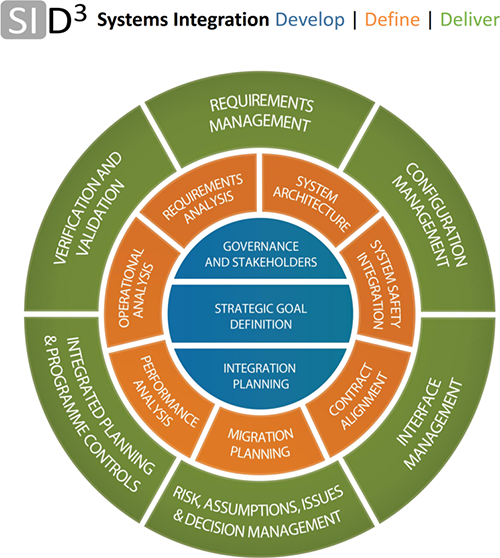
The technical process framework within a systems engineering plan establishes the systematic approach for translating stakeholder requirements into technical solutions. This framework typically encompasses requirements analysis, functional decomposition, design synthesis, system integration, and verification and validation activities that occur iteratively throughout the development lifecycle. Each process must be clearly defined with specific inputs, outputs, tools, methods, and success criteria that guide engineers in their daily work. For instance, the requirements analysis process might specify that all requirements must be documented using a standardized template, traced to stakeholder needs, analyzed for completeness and consistency, and reviewed by cross-functional teams before baseline approval. The framework should also address how technical processes interact and influence one another—such as how design decisions feed back into requirements refinement or how integration testing results drive configuration changes. Organizations like Boeing and Lockheed Martin have refined these frameworks over decades, incorporating model-based systems engineering (MBSE) approaches that use digital models instead of traditional document-based methods to improve accuracy and enable better collaboration across distributed teams.
The framework must also define the technical review process that serves as quality gates throughout development. These reviews—including System Requirements Review (SRR), Preliminary Design Review (PDR), Critical Design Review (CDR), and Test Readiness Review (TRR)—provide structured opportunities for stakeholders to assess progress, identify issues, and make go/no-go decisions before proceeding to subsequent phases. Each review should have clearly defined entrance and exit criteria, required participants, presentation materials, and decision authority. Data from the Defense Acquisition University shows that projects conducting rigorous technical reviews experience 40% fewer late-stage design changes compared to those with informal review processes. The technical process framework should specify not only what reviews will occur and when, but also how findings will be documented, tracked, and resolved. This disciplined approach ensures that technical problems are identified and addressed early when they’re less expensive to fix, rather than being discovered during final integration when corrective actions become exponentially more costly and time-consuming.
Organizational Structure and Responsibilities
A comprehensive systems engineering plan must clearly delineate the organizational structure and individual responsibilities for executing systems engineering activities. This section defines who makes what decisions, who has authority over technical baselines, how conflicts get resolved, and how information flows between different organizational entities. The plan typically identifies key roles such as the Chief Systems Engineer, Systems Engineering Manager, Lead Systems Engineers for major subsystems, Interface Control Officers, and Technical Review Board members—each with explicitly defined responsibilities, authorities, and reporting relationships. For complex programs involving multiple contractors or geographically distributed teams, the organizational structure becomes even more critical, requiring clear definition of prime contractor versus subcontractor responsibilities, customer versus supplier interfaces, and coordination mechanisms between parallel development efforts. Companies like SpaceX have demonstrated how streamlined organizational structures with clear authority and rapid decision-making can dramatically accelerate development cycles, while maintaining technical rigor through well-defined systems engineering processes.
The responsibility matrix should extend beyond just organizational charts to include detailed RACI matrices (Responsible, Accountable, Consulted, Informed) for all major systems engineering activities. These matrices eliminate ambiguity about who drives specific tasks, who has final approval authority, who must be consulted for input, and who needs to be kept informed of decisions. For example, the RACI matrix might specify that subsystem lead engineers are responsible for developing their interface specifications, the chief systems engineer is accountable for approving all interfaces, affected subsystem teams must be consulted during development, and program management must be informed of any baseline changes. Research published in the Systems Engineering Journal found that projects with clearly defined responsibility matrices experienced 35% fewer coordination issues and 25% less rework due to miscommunication. The organizational section should also address how the systems engineering team scales throughout the project lifecycle—growing during peak design and integration phases while tapering during operations—and how knowledge transfer occurs during these transitions to prevent loss of critical technical understanding.
Requirements Management Approach
The requirements management approach within a systems engineering plan establishes the systematic process for capturing, analyzing, allocating, tracing, and controlling requirements throughout the project lifecycle. This critical component defines how stakeholder needs get translated into formal requirements, how those requirements flow down through system hierarchies, how changes get evaluated and incorporated, and how the team verifies that all requirements have been satisfied. The approach should specify the requirements management tools that will be used (such as IBM DOORS, Jama Connect, or Azure DevOps), the standardized format for documenting requirements, the attributes that will be tracked (such as priority, verification method, and risk level), and the approval workflow for establishing and modifying baseline requirements. Organizations like NASA require that every requirement be verifiable, unambiguous, complete, and traceable to higher-level objectives—standards that prevent vague or untestable requirements from entering the baseline and causing downstream confusion.
Effective requirements management includes robust traceability mechanisms that create clear linkages between stakeholder needs, system requirements, design elements, implementation components, and verification activities. This bidirectional traceability enables engineers to understand why each design decision was made (trace up to requirements) and ensures that every requirement has been implemented and verified (trace down to components and tests). The systems engineering plan should specify traceability matrices or tools that will maintain these relationships, how frequently they’ll be updated, and who is responsible for ensuring completeness. A study by the National Institute of Standards and Technology found that inadequate requirements management causes 40-60% of all project defects, with each defect costing 10-100 times more to fix during operations than during initial development. The plan must also address how requirements changes will be managed through a formal change control process that evaluates technical impacts, cost implications, schedule effects, and risk factors before approval—preventing scope creep while enabling necessary adaptations as understanding evolves or circumstances change.
Developing Your Systems Engineering Plan: A Step-by-Step Approach
Step 1: Understand Stakeholder Needs and Project Context
The foundation of any effective systems engineering plan begins with comprehensive understanding of stakeholder needs and the broader project context within which the system will operate. This initial phase involves identifying all stakeholders—including customers, end users, regulatory agencies, maintainers, operators, and other affected parties—and systematically eliciting their needs, expectations, constraints, and success criteria. Stakeholder analysis techniques such as interviews, surveys, focus groups, observation studies, and workshops help uncover both explicit requirements and tacit knowledge that stakeholders may not articulate without prompting. For instance, when developing a medical device, stakeholders might include not only physicians who will use the device but also nurses who prepare it, technicians who maintain it, patients who experience its effects, hospital administrators who purchase it, and regulatory bodies who approve it—each with distinct perspectives and requirements that must be understood and balanced. The systems engineering plan should document how this stakeholder engagement will occur throughout the project, not just during initial phases, ensuring that evolving needs get captured and addressed as the system matures.
Understanding project context requires analyzing the operational environment, technical constraints, programmatic factors, and external influences that will shape system development and deployment. This includes examining the physical environments where the system will operate (temperature ranges, vibration levels, electromagnetic interference), the human factors affecting usability (skill levels, training availability, cultural considerations), the regulatory landscape (safety standards, certification requirements, environmental regulations), and the business context (market competition, budget limitations, schedule pressures). A systems engineering plan for an autonomous vehicle, for example, must consider not only technical performance requirements but also varying weather conditions, diverse road infrastructures, evolving regulations across different jurisdictions, public acceptance factors, and cybersecurity threats. The Project Management Institute reports that projects beginning with thorough contextual analysis are 70% more likely to meet their objectives compared to those that jump directly into technical solution development. This foundational understanding informs every subsequent decision in the systems engineering plan, from process selection to risk management strategies to verification approaches.
Step 2: Define Technical Processes and Lifecycle Model
With stakeholder needs understood, the next step in creating a systems engineering plan involves selecting and tailoring the technical processes and lifecycle model that will guide system development. The lifecycle model—whether waterfall, spiral, agile, hybrid, or iterative—establishes the overall sequence and organization of development phases, while technical processes define the specific engineering activities that occur within each phase. The choice of lifecycle model depends on factors such as technology maturity, requirements stability, risk tolerance, customer involvement expectations, and contractual constraints. For systems with well-understood requirements and mature technologies, a traditional waterfall approach with distinct sequential phases might be appropriate, enabling detailed upfront planning and predictable execution. Conversely, for innovative systems with emerging requirements and uncertain technical solutions, an agile or spiral approach with rapid prototyping and frequent stakeholder feedback enables learning and adaptation while managing technical risks. The systems engineering plan must articulate the chosen lifecycle model, justify its selection based on project characteristics, and specify how technical processes align with lifecycle phases.
The technical processes defined in the systems engineering plan should align with recognized standards such as ISO/IEC/IEEE 15288 (Systems and Software Engineering – System Life Cycle Processes) while being tailored to project-specific needs. Core technical processes typically include stakeholder requirements definition, requirements analysis, architectural design, implementation, integration, verification, validation, transition, operation, maintenance, and disposal. Each process should be documented with specific objectives, activities, tasks, inputs, outputs, tools, methods, roles, and success criteria. For example, the verification process might specify that formal testing will be conducted using approved test procedures, witnessed by customer representatives, with results documented in standardized reports and all anomalies tracked through resolution. The plan should also address how these processes interact—such as how verification results feed back into design refinement or how operational experience drives maintenance activities and future upgrades. According to INCOSE best practices, organizations that establish clear, repeatable technical processes experience 50% less variability in project outcomes and build organizational capability that improves with each successive project.
Step 3: Establish Integration and Interface Management Strategy
One of the most critical aspects of a systems engineering plan is the integration and interface management strategy, which addresses how individual system elements will be brought together into a functioning whole. Integration planning must consider the sequence of integration (bottom-up, top-down, or hybrid), integration facilities and equipment, integration procedures and test scripts, interface control mechanisms, and anomaly resolution processes. The plan should specify integration milestones that demonstrate increasing levels of capability—from component-level integration through subsystem integration to full system integration—with clear success criteria at each level. For complex systems like spacecraft or industrial control systems, the integration strategy might include extensive ground testing, simulation environments, hardware-in-the-loop testing, and incremental capability builds that reduce risk by validating interfaces and interactions progressively rather than attempting “big bang” integration at the end. NASA’s experience with the James Webb Space Telescope demonstrates how meticulous integration planning, though time-consuming and expensive, ultimately ensures success for systems where post-deployment fixes are impossible or prohibitively costly.
Interface management deserves special attention in the systems engineering plan because poorly controlled interfaces represent one of the primary sources of system failures and integration problems. The plan should establish an Interface Control Working Group (ICWG) or similar governance body responsible for defining, documenting, controlling, and verifying all system interfaces—whether physical, electrical, data, functional, or procedural. Each significant interface should be documented in an Interface Control Document (ICD) that specifies exact characteristics, protocols, tolerances, and verification methods. The systems engineering plan defines the ICD template, approval process, change control procedures, and verification requirements. For systems involving multiple organizations or suppliers, interface control becomes even more critical, requiring formal coordination mechanisms and clear assignment of interface ownership. Studies by the Software Engineering Institute show that 40-50% of system integration problems stem from interface issues, with inadequate interface specifications, miscommunication between teams, and uncontrolled interface changes being primary culprits. A robust interface management strategy embedded in the systems engineering plan dramatically reduces these risks by ensuring all parties have common understanding and agreement on how system elements will connect and interact.
Step 4: Plan Verification and Validation Activities
Verification and validation (V&V) planning within the systems engineering plan establishes how the team will confirm that the system is built correctly (verification) and that it solves the right problem (validation). Verification activities demonstrate that system products correctly implement their specified requirements through methods such as test, analysis, inspection, and demonstration. The plan should specify which verification method applies to each requirement, when verification will occur, what facilities and equipment are needed, who will conduct verification, what criteria constitute success, and how results will be documented. For example, structural requirements might be verified through finite element analysis during design phases and load testing during integration, while performance requirements might be verified through formal acceptance testing with customer witnesses. The V&V strategy should align with the overall project schedule, balancing early verification that enables rapid problem identification against the need for representative test conditions that may only be available later in development. Research from the European Space Agency indicates that projects that verify requirements incrementally throughout development identify and correct 80% of defects before final integration, dramatically reducing costly late-stage rework.
Validation activities ensure that the developed system satisfies stakeholder needs and operates effectively in its intended environment—which may differ from formal requirements due to gaps in requirements capture or changes in operational context. The systems engineering plan should specify validation approaches such as operational testing, user acceptance testing, pilot deployments, simulations of operational scenarios, and stakeholder reviews of system capabilities. Validation typically occurs later in the lifecycle when the system is sufficiently mature to demonstrate realistic operational capabilities, though early prototypes and simulations can provide preliminary validation of key concepts and assumptions. The plan should identify validation environments (operational sites, representative test facilities, high-fidelity simulations), validation scenarios that exercise critical use cases and edge conditions, success criteria based on operational effectiveness rather than just specification compliance, and stakeholder participation in validation activities. The systems engineering plan must also address how V&V results will be analyzed, how discrepancies will be resolved, and how successful V&V demonstrates readiness to proceed to operational deployment. According to the Project Management Institute, inadequate validation is responsible for 30% of project failures, where systems meet specifications but fail to deliver expected value because specifications didn’t accurately capture stakeholder needs or operational realities.
Systems Engineering Plan Templates and Standards
Industry-Standard Frameworks
Developing a systems engineering plan doesn’t require starting from scratch—numerous industry standards provide proven frameworks and templates that organizations can tailor to their specific needs. The IEEE 1220 standard (Standard for Application and Management of the Systems Engineering Process) offers comprehensive guidance on systems engineering planning, defining processes, activities, and tasks that should be addressed. Similarly, ISO/IEC/IEEE 15288 provides an international standard for system lifecycle processes that can form the backbone of a systems engineering plan. The EIA-632 standard (Processes for Engineering a System) emphasizes requirements-driven development and provides detailed process descriptions applicable to commercial and defense systems. These standards share common elements—requirements management, architecture development, integration planning, verification and validation—while offering different perspectives and emphases that may align better with particular industries or organizational cultures. Organizations should evaluate multiple standards to determine which best fits their context, then tailor the selected framework by adding organization-specific processes, removing unnecessary elements, and adapting terminology and templates to match their environment.
Defense and aerospace organizations often reference the DoD Systems Engineering Plan Preparation Guide or NASA Systems Engineering Handbook, which provide detailed templates specifically designed for large-scale, complex programs with extensive documentation requirements and formal review processes. These templates typically include sections on technical approach, organizational structure, schedule and milestones, work breakdown structure, risk management, configuration management, data management, quality assurance, and technical performance measurement. While comprehensive, these defense-oriented templates may be overly elaborate for commercial projects, requiring simplification and streamlining. Conversely, agile-oriented organizations might reference frameworks like the Scaled Agile Framework (SAFe) which incorporates systems engineering principles within agile development methodologies, emphasizing lightweight documentation, iterative development, and continuous stakeholder engagement. The challenge lies in balancing comprehensive planning that reduces downstream risks against excessive bureaucracy that slows progress and stifles innovation. The best systems engineering plans strike this balance by focusing documentation on critical areas where ambiguity would cause problems while allowing flexibility and adaptation where requirements or solutions remain uncertain.
Key Sections to Include
| Section | Purpose | Key Content |
|---|---|---|
| Introduction and Scope | Establishes context and boundaries | Program overview, system description, document purpose, applicable references, scope and limitations |
| Technical Approach | Defines how engineering will be conducted | Lifecycle model, technical processes, design approach, technology selections, engineering methods |
| Organization and Responsibilities | Clarifies roles and reporting | Organizational structure, responsibility matrices, decision authorities, staffing plan, team interfaces |
| Requirements Management | Controls system requirements | Requirements process, tools, traceability approach, change control, verification methods |
| Design and Development | Guides solution creation | Design processes, analysis methods, modeling approaches, standards and conventions, design tools |
| Integration and Testing | Plans system assembly and verification | Integration strategy, test planning, facilities and equipment, verification matrix, acceptance criteria |
| Technical Management | Establishes control mechanisms | Configuration management, technical reviews, risk management, technical performance measurement |
| Specialty Engineering | Addresses cross-cutting concerns | Safety, security, reliability, human factors, supportability, environmental considerations |
| Schedule and Milestones | Coordinates activities temporally | Key milestones, technical review schedule, integration events, delivery dates, dependencies |
| Metrics and Measurement | Enables progress tracking | Technical performance measures, earned value metrics, quality indicators, risk metrics |
Tailoring for Project Size and Complexity
Not every project requires an exhaustive systems engineering plan—the level of detail and formality should scale appropriately with project size, complexity, risk, and organizational capability. Small projects with limited scope, well-understood requirements, and minimal interfaces may only need a brief plan (10-20 pages) that covers essential elements like requirements management approach, verification strategy, key milestones, and responsibilities without extensive process documentation. A startup developing a mobile application, for instance, might have a streamlined systems engineering plan that emphasizes user story management, sprint planning, continuous integration, and automated testing while omitting formal review boards and extensive documentation typical of larger programs. Conversely, large complex programs such as developing a new commercial aircraft or building a nuclear power plant require comprehensive plans (100+ pages) with detailed process descriptions, extensive interface controls, rigorous verification and validation procedures, and formal governance structures to manage the inherent complexity and consequences of failure.
The complexity factors that drive systems engineering plan scope include number of components and subsystems, number of interfaces, number of organizational entities involved, technology maturity and development risk, safety criticality and regulatory requirements, and duration of the development effort. Projects scoring high on multiple complexity factors benefit from more detailed planning and formal processes, while projects with lower complexity can employ lighter-weight approaches. The systems engineering plan should explicitly address how it has been tailored from baseline standards or templates, documenting what sections were added, removed, or modified and why. This tailoring rationale demonstrates thoughtful adaptation rather than arbitrary omission of important elements. Organizations like the Aerospace Industries Association recommend conducting complexity assessments early in project planning to inform appropriate tailoring decisions, ensuring that systems engineering rigor matches actual project needs without imposing unnecessary overhead. Regular reassessment throughout the project lifecycle enables plan adjustments as complexity understanding evolves or project circumstances change.
Risk Management in Systems Engineering Planning
Identifying and Categorizing Technical Risks
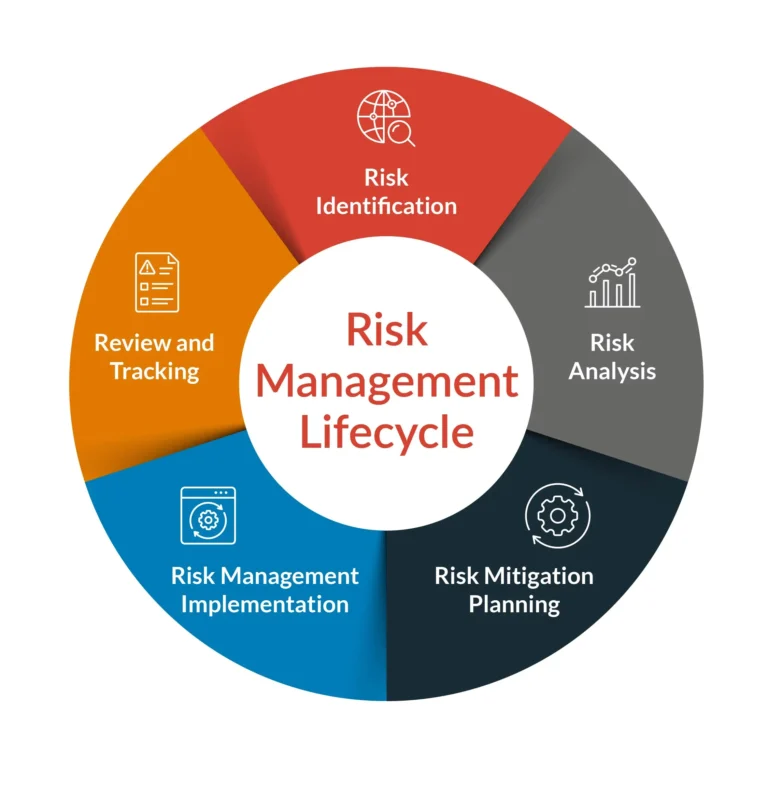
Risk management forms an integral component of any systems engineering plan, addressing uncertainties that could prevent the system from meeting technical, cost, schedule, or performance objectives. The plan should establish a systematic risk identification process that uncovers potential problems before they materialize into actual issues. Risk identification techniques include technical reviews, brainstorming sessions, lessons learned analysis from similar projects, technology readiness assessments, interface hazard analysis, and assumption analysis that questions the validity of planning premises. Common categories of technical risk in systems engineering include technology maturity risks (can unproven technologies be developed and integrated successfully?), requirements risks (are requirements complete, consistent, and achievable?), interface risks (will system elements connect and interact properly?), integration risks (can components be assembled into a functioning system?), verification risks (can we adequately test the system?), and external dependency risks (will suppliers, infrastructure, or external systems be available when needed?). The systems engineering plan should specify risk categories relevant to the specific project, providing a taxonomy that helps ensure comprehensive risk identification.
Each identified risk should be documented with key attributes including likelihood (probability of occurrence), consequence (impact if it occurs), timeframe (when it might occur), detection mechanisms (how we’ll know if it’s happening), and handling strategy. The systems engineering plan should define the risk assessment criteria used to evaluate likelihood and consequence, typically using qualitative scales (high/medium/low) or quantitative metrics (percentage probability, dollar impact) depending on organizational sophistication and data availability. Risks are commonly visualized in risk matrices that plot likelihood versus consequence, with high-likelihood/high-consequence risks receiving priority attention. According to the Defense Acquisition University, 70% of major program problems could have been identified through systematic risk analysis early in development, yet many organizations conduct only cursory risk assessments focused on schedule and budget while neglecting technical risks. A robust systems engineering plan elevates technical risk management to the same level of importance as cost and schedule management, ensuring that engineering uncertainties receive appropriate attention and resources throughout the project lifecycle.
Risk Mitigation and Monitoring Strategies
Identifying risks accomplishes little without corresponding mitigation strategies that reduce likelihood, minimize consequences, or both. The systems engineering plan should specify risk handling approaches for significant risks, typically falling into four categories: avoidance (changing plans to eliminate the risk), mitigation (taking actions to reduce likelihood or impact), acceptance (acknowledging the risk and preparing contingency plans), or transfer (shifting risk to other parties through insurance, contracts, or alternative approaches). For example, technology maturity risks might be mitigated through early prototyping and testing, building confidence before committing to full-scale development. Requirements risks might be addressed through iterative stakeholder engagement and formal reviews that validate understanding before baselines are established. Interface risks might be reduced through early development of interface simulators or emulators that enable subsystem testing before actual components are available. Each mitigation action should have clearly defined objectives, assigned responsibilities, required resources, completion dates, and success metrics that demonstrate whether the mitigation is working.
Risk monitoring ensures that mitigation actions are implemented effectively and that new risks are identified as the project progresses. The systems engineering plan should specify risk review frequency (typically monthly for moderate risks, weekly for high risks), risk reporting mechanisms, triggers that elevate risk priority (such as missed milestones or test failures), and governance processes for making risk-related decisions. Leading organizations employ technical performance measurement (TPM) systems that track key technical parameters against planned values, providing early warning when performance is deviating from expectations. For instance, if component weight growth trends suggest the integrated system will exceed mass budgets, mitigation actions can be initiated before the problem becomes critical. The systems engineering plan should identify critical TPMs, target values, measurement methods, thresholds that trigger action, and reporting processes. NASA’s experience demonstrates that projects with active TPM programs identify problems 6-12 months earlier than those relying only on schedule and cost metrics, providing much greater opportunity for corrective action. The plan should also address how risk management integrates with other project processes—such as how risks influence design decisions, how verification plans address high-risk areas, and how lessons learned from retired risks inform future project planning.
Configuration Management and Change Control
Establishing Technical Baselines
Configuration management within a systems engineering plan establishes disciplined control over system products and changes, ensuring that all stakeholders work from current, consistent information throughout the development lifecycle. The foundation of configuration management is the establishment of technical baselines—approved, documented configurations that serve as reference points for controlled evolution. Typical baselines include the Functional Baseline (approved system requirements), Allocated Baseline (requirements allocated to system elements and interfaces defined), Design Baseline (detailed design documentation), and Product Baseline (as-built configuration). Each baseline represents a point where significant technical decisions have been made and approved, providing stable foundations for subsequent work while allowing controlled evolution through formal change processes. The systems engineering plan should specify what constitutes each baseline (which documents, models, or data items), approval authorities required to establish baselines, release procedures for making baseline information available to teams, and auditing processes that verify baseline integrity.
Configuration items (CIs) are the specific products placed under configuration management control—ranging from requirements documents to design models to software modules to hardware assemblies. The systems engineering plan defines what items are designated as CIs based on factors like criticality, complexity, interfacing with other items, likelihood of change, and contractual delivery requirements. Not everything needs rigorous configuration control; over-controlling increases administrative burden without commensurate benefit. The plan should establish a configuration item hierarchy that shows how CIs relate to one another and to system baselines, specify naming and numbering conventions that ensure unique identification, define version control procedures that track item evolution, and designate Configuration Control Boards (CCBs) responsible for authorizing changes. Effective configuration management enables teams to work in parallel on different system elements with confidence that interfaces remain consistent, supports impact analysis when changes are proposed, facilitates defect tracking and resolution, and enables reconstruction of previous configurations when problems are discovered. According to the Software Engineering Institute, organizations with mature configuration management practices experience 40% fewer integration problems and 50% less time spent resolving version conflicts and inconsistencies.
Change Control Processes
Change is inevitable in complex system development—requirements evolve as understanding deepens, technologies mature differently than expected, problems are discovered during integration, and external factors shift. The systems engineering plan must define robust change control processes that enable necessary evolution while preventing chaos and maintaining configuration integrity. The change process typically begins with a change request that documents the proposed modification, its rationale, affected configuration items, technical impacts, cost and schedule implications, and risk factors. Change requests can originate from many sources—customer requests, problem reports, engineering improvements, safety findings, regulatory requirements—and the plan should specify how different change types are categorized and prioritized. Not all changes require the same level of analysis and approval; minor corrections might be approved by subsystem leads while major architectural changes require senior technical leadership and customer concurrence. The systems engineering plan should define change classification criteria, approval authorities for each class, and expedited procedures for critical safety or security issues.
The Configuration Control Board (CCB) serves as the governance body for evaluating and approving changes to baselined items. The systems engineering plan should define CCB composition (typically including systems engineering, design leads, test, quality, program management, and customer representatives), meeting frequency, decision-making processes (consensus, voting, chair authority), documentation requirements, and implementation tracking. Effective CCBs balance competing concerns—technical feasibility, cost impacts, schedule effects, risk factors, customer value—making informed decisions that serve overall project objectives. The plan should specify what information must be presented to the CCB (impact analyses, risk assessments, implementation plans, verification approaches), how decisions are documented and communicated, and how approved changes are tracked through implementation and verification. Leading organizations have streamlined their CCB processes to enable rapid decision-making for time-critical changes while maintaining rigor for changes with broad impacts. Data from the Project Management Institute shows that projects with effective change control experience 60% fewer schedule delays and 50% fewer cost overruns compared to projects where changes are implemented informally without comprehensive impact analysis and approval.
Tools and Technologies for Systems Engineering
Requirements Management Tools
Modern systems engineering plans increasingly rely on sophisticated software tools that automate processes, improve collaboration, and provide visibility into complex technical information. Requirements management tools such as IBM Engineering Requirements Management DOORS, Jama Connect, Siemens Polarion, and PTC Integrity capture, organize, trace, and control requirements throughout the development lifecycle. These tools enable teams to define requirement attributes (priority, status, verification method, rationale), establish traceability links between requirements at different levels and to design elements and test cases, perform impact analysis when changes are proposed, generate reports and dashboards that show requirements status, and manage baselines and versions as requirements evolve. The systems engineering plan should specify which requirements management tool will be used, how it will be configured (custom attributes, workflows, user roles), what information will be maintained within the tool versus other systems, integration with other tools (such as design tools or test management systems), and training requirements for team members.
The value of requirements management tools extends beyond simple documentation—they enable analysis capabilities that would be impractical manually. For instance, these tools can automatically identify orphan requirements (not traced to higher-level needs), incomplete traceability (requirements without verification methods), conflicting requirements (multiple requirements specifying contradictory behaviors), and requirements volatility trends (high-churn areas indicating unstable understanding). Advanced tools support model-based requirements that capture requirements as executable models rather than natural language statements, enabling simulation and verification before implementation. The systems engineering plan should define how these analytical capabilities will be employed, what metrics will be tracked (such as requirements stability, traceability completeness, verification coverage), and how results will be reported to stakeholders. Organizations implementing comprehensive requirements management tools report 30-50% reduction in requirements-related defects and 20-40% improvement in requirements understanding across distributed teams, according to studies by Jama Software. However, tools only provide value when properly implemented and used consistently—the systems engineering plan must address tool deployment, data migration from legacy systems, workflow automation, and change management to ensure successful adoption.
Modeling and Simulation Environments
Model-based systems engineering (MBSE) represents a paradigm shift from document-centric to model-centric development, using digital models as the authoritative source of system information. The systems engineering plan should address whether and how MBSE will be employed, specifying modeling languages (such as SysML, UML, or domain-specific languages), modeling tools (such as Cameo Systems Modeler, IBM Rhapsody, PTC Windchill Modeler), modeling conventions and patterns, model organization and architecture, and governance processes for model development and change. MBSE models capture system architecture, behavior, requirements, and design in integrated, executable representations that enable analysis, simulation, and automated generation of documentation. For example, a SysML model might represent system components and their relationships in block definition diagrams, capture system behavior in activity and sequence diagrams, specify requirements and their relationships, and define parametric constraints that enable performance analysis. These integrated models reduce inconsistencies between different documentation types, enable early detection of design problems through simulation, and improve communication among multidisciplinary teams through visual representations.
Simulation environments enable virtual testing and analysis before physical hardware exists, reducing development risk and accelerating learning cycles. The systems engineering plan should specify what simulation capabilities will be developed or acquired, including hardware-in-the-loop (HIL) simulators that combine physical components with simulated elements, software-in-the-loop (SIL) simulations that test software in virtual environments, system-level simulations that predict integrated system performance, and operational simulations that model system behavior in representative scenarios. Simulation tool selection depends on the domain—aerospace projects might use computational fluid dynamics (CFD) and finite element analysis (FEA) tools, software-intensive systems might use discrete event simulators or model checkers, and cyber-physical systems might use co-simulation platforms that integrate multiple simulation tools. The plan should address simulation validation (ensuring simulations accurately represent real-world behavior), model integration (how simulation models connect with design models and requirements), and simulation execution (who runs simulations, when, and how results are analyzed). Companies like Tesla extensively use simulation for autonomous vehicle development, running millions of miles of virtual testing scenarios before road deployment. The systems engineering plan should justify simulation investments based on risk reduction, cost avoidance, and accelerated development enabled by virtual testing.
Systems Engineering Plan for Specific Domains
Software-Intensive Systems
Systems engineering plans for software-intensive systems must address unique challenges including rapid technology evolution, complex logical behaviors, extensive configuration options, continuous integration and deployment, and cybersecurity threats. While traditional systems engineering emphasizes upfront planning and sequential phases, software development increasingly employs agile methodologies with iterative development, continuous stakeholder feedback, and adaptive planning. The systems engineering plan must reconcile these different paradigms, often adopting hybrid approaches that maintain systems engineering rigor for critical architectural decisions, interface definitions, and requirements management while allowing agile practices for detailed software development within established architectural boundaries. The plan should specify how system-level requirements flow into software development teams organized in agile sprints, how architectural compliance is verified, how interface changes are coordinated across teams, and how integration occurs between software developed iteratively and hardware developed more traditionally.
DevSecOps practices (Development, Security, Operations integration) are increasingly incorporated into systems engineering plans for software systems, emphasizing automation, continuous integration, security integration from inception, and operational feedback loops. The plan should address continuous integration/continuous deployment (CI/CD) pipelines that automatically build, test, and deploy software changes, automated testing frameworks including unit tests, integration tests, and system tests, containerization and orchestration technologies (Docker, Kubernetes) that enable consistent deployment across environments, security scanning and vulnerability management, and monitoring and telemetry that provide visibility into operational performance. The systems engineering plan should also address software configuration management including source code version control systems (Git, SVN), branching and merging strategies for parallel development, release management processes, and software baseline establishment. According to the Consortium for IT Software Quality, inadequate systems engineering practices in software development result in over $2 trillion annually in operational failures, security breaches, and rework—highlighting the critical importance of systematic approaches even in fast-paced software environments. The challenge is implementing sufficient engineering discipline to prevent chaos while maintaining the agility and innovation that software development demands.
Hardware and Mechanical Systems
Systems engineering plans for hardware and mechanical systems emphasize physical design, manufacturing processes, material properties, mechanical interfaces, thermal management, and structural integrity. Unlike software where changes can be implemented rapidly through code modifications, hardware changes typically require physical prototyping, tooling modifications, and manufacturing process updates—making upfront design rigor and extensive analysis critical. The plan should address design for manufacturing (DFM) considerations that ensure designed components can be produced reliably and cost-effectively, tolerance analysis that addresses how manufacturing variations accumulate through assemblies, materials selection based on properties like strength, weight, thermal characteristics, and cost, and manufacturing process development including tooling design, process qualification, and production planning. The plan should specify design tools (CAD systems like CATIA, SolidWorks, NX), analysis tools (FEA, CFD, thermal analysis), and how digital design data flows to manufacturing.
Prototyping and testing strategies play crucial roles in hardware development, with the systems engineering plan defining prototype objectives (prove concept feasibility, refine design parameters, verify manufacturing processes, support system integration), prototype types (breadboards, engineering models, qualification units, flight units), and progression criteria between prototype generations. Each prototype level typically has different fidelity requirements and success criteria—early breadboards might focus on functional demonstration with hand-built components, while later engineering models use production-representative parts and processes. The plan should address environmental testing including temperature cycling, vibration, shock, humidity, and other conditions the hardware will experience, reliability testing that demonstrates acceptable failure rates, qualification testing that verifies design margins, and acceptance testing of production units. For mechanical systems, the plan must also address configuration control of tooling and fixtures, first article inspection procedures that verify manufacturing processes, and quality management approaches including inspection methods, non-conformance handling, and corrective action processes. Industries like automotive and aerospace have highly evolved systems engineering practices for hardware, documented in standards like IATF 16949 (automotive quality management) and AS9100 (aerospace quality management) that can inform systems engineering plan development.
Measuring Systems Engineering Effectiveness
Technical Performance Metrics
The systems engineering plan should establish technical performance measures (TPMs) that track critical system parameters throughout development, providing early warning of problems and objective evidence of progress. TPMs focus on technical characteristics that significantly influence system success—such as weight for aerospace systems, power consumption for battery-operated devices, processing latency for real-time systems, or reliability for safety-critical applications. The plan should identify 5-10 critical TPMs based on risk analysis and stakeholder priorities, define target values at key milestones, specify measurement methods and tools, establish variance thresholds that trigger corrective action, and assign responsibility for monitoring and reporting. Effective TPMs are predictive (providing early indication of problems), traceable (linked to requirements and design decisions), actionable (enabling specific responses when trends are unfavorable), and cost-effective (value of information exceeds measurement cost). For example, tracking software complexity metrics like cyclomatic complexity or coupling can predict defect density and maintainability issues before testing reveals problems.
TPM trending and analysis provides insights beyond simple compliance checking, revealing developmental health and predicting future performance. The systems engineering plan should specify how TPM data will be collected (automated instrumentation, manual measurements, analysis results), visualization methods (trend charts, stoplight dashboards, control charts), analysis frequency (weekly, monthly, at technical reviews), and reporting to stakeholders. Comparison of actual values against plans reveals whether the design is converging toward targets or diverging—enabling early intervention while corrective options remain available. NASA’s Technical Performance Measurement guidebook emphasizes that TPMs should be reviewed at every technical review, with unfavorable trends requiring root cause analysis and corrective action plans before proceeding to subsequent development phases. Organizations implementing comprehensive TPM programs report 40-60% earlier problem detection compared to relying solely on schedule and cost metrics, according to Defense Acquisition University studies. The systems engineering plan should also address how TPMs evolve throughout the lifecycle—with some measures becoming less relevant as uncertainties are resolved while new measures emerge as development progresses into integration and testing phases.
Process Metrics and Maturity Assessment
Beyond technical performance, the systems engineering plan should address process metrics that assess how well systems engineering processes are being executed. These metrics evaluate the health of engineering processes rather than the technical product itself, providing insights into process compliance, efficiency, and quality. Common process metrics include requirements volatility (rate of requirements changes over time), interface stability (frequency of interface specification changes), review effectiveness (defects found in reviews versus testing), rework percentage (effort spent correcting previously completed work), traceability completeness (percentage of requirements with complete trace paths), and test coverage (percentage of requirements verified). The plan should specify target values for key process metrics, data collection methods, analysis frequency, and corrective actions when metrics indicate process problems. For instance, high requirements volatility might indicate inadequate stakeholder engagement or unstable operational concepts, prompting intensified requirements validation activities.
Systems engineering maturity assessment enables organizations to evaluate and improve their systems engineering capabilities over time. Models like the Systems Engineering Capability Maturity Model (SE-CMM) or the Systems Engineering Capability Assessment Model (SECAM) provide frameworks for assessing maturity across dimensions like requirements development, technical planning, product integration, verification, and technical management. The systems engineering plan might include periodic maturity assessments (annually or at major milestones) that identify strengths and weaknesses, informing process improvement initiatives. Organizations can track maturity progression over multiple projects, building institutional capability that improves predictability and reduces risk. Studies by the Software Engineering Institute demonstrate that organizations at higher maturity levels experience 30-50% less variation in project outcomes and 20-40% higher productivity compared to less mature organizations. The systems engineering plan should balance process improvement aspirations with current organizational capability, establishing realistic expectations while identifying growth opportunities. Attempting to implement processes beyond organizational maturity often results in bureaucratic overhead without corresponding benefits, whereas selecting appropriately tailored processes enables successful execution while building capability for more sophisticated approaches in future projects.
Common Pitfalls and How to Avoid Them
Inadequate Stakeholder Engagement
One of the most common failures in systems engineering plan execution is inadequate engagement with stakeholders throughout the development lifecycle. Many projects conduct initial stakeholder analysis and requirements elicitation, then minimize stakeholder involvement until final delivery—resulting in systems that technically meet specified requirements but fail to satisfy actual needs or operate effectively in real environments. Stakeholder needs evolve as understanding deepens, operational contexts change, competing systems emerge, and organizational priorities shift. The systems engineering plan must establish continuous stakeholder engagement mechanisms including regular demonstrations of increasing capability, operational concept validation with end users, design reviews with stakeholders who understand operational constraints, and pilot deployments that expose the system to realistic conditions before full-scale delivery. The plan should identify specific stakeholders, their interests and influence, engagement methods appropriate to each group, and frequency of interaction. For example, end users might participate in monthly capability demonstrations and usability testing, while executive sponsors might receive quarterly reviews focused on progress toward strategic objectives.
User-centered design practices should be explicitly incorporated into the systems engineering plan for systems with significant human interaction. This includes techniques like personas (representative user archetypes), user journey mapping (documenting user interactions with the system), usability testing with representative users, accessibility evaluation ensuring the system works for users with diverse abilities, and user acceptance criteria that complement technical requirements. The plan should specify when and how these activities occur, who participates, how findings are incorporated into design evolution, and how usability is verified. Organizations like IDEO and Google have demonstrated that early and continuous user involvement dramatically improves product success rates—yet many systems engineering projects treat human factors as an afterthought rather than a primary design driver. According to the Standish Group’s CHAOS reports, lack of user involvement is consistently among the top three causes of project failure. The systems engineering plan can prevent this by elevating stakeholder engagement to the same priority level as technical analysis and design, with dedicated resources, scheduled activities, and clear accountability for maintaining productive stakeholder relationships throughout development.
Weak Interface Management
Interface problems represent one of the primary sources of system integration failures, often because the systems engineering plan inadequately addresses interface definition, control, and verification. Interfaces exist wherever system elements connect or interact—physical interfaces where components mechanically attach, electrical interfaces where power or signals flow between elements, data interfaces where information is exchanged, functional interfaces where one element depends on another’s behavior, and procedural interfaces where human operators coordinate activities. Each interface type requires specific definition attributes, yet many organizations focus primarily on obvious physical and electrical interfaces while neglecting logical, functional, and procedural interfaces that cause equal or greater integration problems. The systems engineering plan should require comprehensive interface identification during architectural design, with Interface Control Documents (ICDs) developed for every significant interface specifying exact characteristics, protocols, tolerances, and verification methods.
Interface governance processes must be established in the systems engineering plan to prevent uncontrolled changes that break previously working integrations. This includes an Interface Control Working Group (ICWG) that reviews proposed interface changes, assesses impacts on all affected parties, coordinates implementation across organizations, and verifies that modified interfaces still meet functional needs. The plan should specify ICWG membership (representatives from all interfacing elements), meeting frequency (typically bi-weekly during active development), change approval authorities, and documentation requirements. The plan should also address interface verification strategy—how will the team confirm that interfaces work correctly before full system integration? Common approaches include interface simulators or emulators that allow subsystems to be tested independently, interface integration events where pairs of subsystems are integrated before full system integration, and interface compatibility tests that verify dimensional fit, electrical compatibility, protocol compliance, and performance characteristics. A study by the Aerospace Industries Association found that projects with formal interface management programs experience 60% fewer integration problems and complete integration 30% faster than projects with informal interface control, yet many systems engineering plans give interface management only cursory attention.
Team Training and Competency Development
Building Systems Engineering Expertise
An effective systems engineering plan recognizes that processes and tools alone don’t ensure success—the competency and expertise of the systems engineering team critically influences project outcomes. The plan should address team composition specifying required skills and experience levels, training programs that develop capabilities, mentoring and knowledge transfer mechanisms, and competency assessment approaches. Systems engineering requires diverse expertise including technical depth in relevant domains (aerospace, software, mechanical, electrical), systems thinking that comprehends complex interactions and emergent behaviors, analytical skills for problem-solving and trade studies, communication abilities for coordinating multidisciplinary teams, and process knowledge for applying systems engineering methods effectively. The plan should identify competency gaps in the current team, specify training that will close those gaps, and establish realistic timelines recognizing that systems engineering expertise develops through experience over years, not weeks of classroom instruction.
Formal training programs might include courses on systems engineering fundamentals (such as INCOSE certifications or university programs), tool-specific training (requirements management systems, modeling tools, simulation environments), domain-specific technical training, and process-specific instruction (configuration management, technical reviews, risk management). The systems engineering plan should specify what training is required versus recommended for different role types, when training occurs (before project start versus just-in-time), delivery methods (classroom, online, on-the-job), and assessment approaches that verify learning. However, formal training represents only one component of competency development. Mentoring programs pair experienced systems engineers with less experienced team members, enabling knowledge transfer through real project work rather than abstract classroom exercises. The plan should encourage communities of practice where systems engineers across projects share lessons learned, discuss challenges, and develop shared understanding of effective practices. Organizations like NASA and Lockheed Martin have established formal systems engineering competency frameworks with defined skill levels, assessment criteria, and development paths that guide career progression—recognizing that systems engineering excellence requires intentional cultivation of both individual and organizational capabilities.
Cross-Functional Collaboration
Modern systems require close collaboration across multiple engineering disciplines—software engineers, hardware engineers, mechanical engineers, electrical engineers, human factors specialists, safety engineers, and others—each with different perspectives, vocabularies, processes, and tools. The systems engineering plan should explicitly address how cross-functional collaboration will be enabled and encouraged. This includes integrated product teams (IPTs) that bring together representatives from different disciplines to work on specific system elements or problems, co-location strategies that place team members in shared physical or virtual spaces to facilitate informal communication, collaboration tools (shared project repositories, communication platforms, integrated development environments), and interface specialists who specifically focus on ensuring coordination between different engineering groups. The plan should establish regular cross-functional forums such as weekly technical coordination meetings, monthly design reviews, and quarterly planning sessions where the entire technical team synchronizes understanding and resolves cross-cutting issues.
Systems engineers serve as integrators who facilitate collaboration, translate between disciplinary perspectives, and ensure that local optimization doesn’t compromise global system performance. The systems engineering plan should clarify this integrating role, specifying how systems engineers interface with discipline-specific teams, what authority systems engineers have to influence design decisions, and how conflicts between disciplinary perspectives get resolved. For example, software engineers might prefer flexible architectures that enable rapid evolution while hardware engineers prefer stable interfaces that minimize physical redesign—with systems engineers helping balance these competing concerns based on overall system objectives and constraints. The plan should also address cultural differences between disciplines, recognizing that software teams accustomed to agile development may clash with hardware teams using traditional phase-gate processes unless explicit coordination mechanisms bridge these different approaches. Organizations achieving effective cross-functional collaboration report 50% faster problem resolution and 40% fewer late-stage design changes compared to organizations where disciplines work in isolation, according to research from MIT’s System Design and Management program.
Advanced Topics in Systems Engineering Planning
Digital Twin Development
Digital twins—virtual representations of physical systems that are continuously updated with real-world data—represent an emerging practice increasingly referenced in systems engineering plans for complex assets like aircraft, power plants, ships, and manufacturing facilities. A digital twin goes beyond traditional simulation by maintaining synchronized representation of the actual system throughout its operational life, enabling predictive maintenance, performance optimization, operational training, and accelerated troubleshooting. The systems engineering plan should address whether a digital twin will be developed, what fidelity is required (geometry only, physics-based behavior, historical state), what data flows from physical system to digital model and vice versa, what analyses will be performed using the twin, and how the twin evolves as the physical system is modified. Digital twin development requires significant investment in instrumentation (sensors providing operational data), connectivity (data transmission from physical to digital), modeling (physics-based representations of system behavior), and computing infrastructure (processing and storing operational data)—all of which must be planned and budgeted from project inception.
The systems engineering plan should specify digital twin architecture including sensing systems, data collection and transmission, cloud or edge computing infrastructure, model integration platforms, analytics and visualization tools, and cybersecurity protections for the digital-physical connection. The plan should address how digital twin development parallels physical system development—ideally the digital model is created during design and continuously refined through testing and operations rather than being retrofitted after physical delivery. Integration between model-based systems engineering (MBSE) tools used during development and digital twin platforms used during operations enables seamless evolution from design models to operational twins, maintaining continuity of technical information across the entire lifecycle. Organizations like GE Aviation and Siemens have demonstrated significant value from digital twins, including 20-30% reduction in maintenance costs through predictive approaches and 10-15% improvement in operational efficiency through performance optimization. However, digital twins represent substantial ongoing investment, so the systems engineering plan must justify this investment based on specific operational value rather than pursuing digital twins merely because they’re technologically fashionable.
Artificial Intelligence Integration
As artificial intelligence (AI) and machine learning capabilities mature, systems increasingly incorporate AI components for functions like pattern recognition, predictive analytics, autonomous decision-making, and natural language interaction. The systems engineering plan must address unique challenges of AI integration including data requirements for training and operation, model development and validation processes, explainability and trust concerns, safety and ethics considerations for AI-enabled decisions, and continuous learning approaches where systems improve through operational experience. Unlike traditional software with deterministic behavior specified in requirements, AI systems learn patterns from data with probabilistic outputs that can’t be exhaustively specified or tested. The plan should address how AI functionality will be verified given these characteristics—often requiring statistical validation across representative data sets, performance monitoring in operational contexts, and graceful degradation when AI encounters situations beyond training data.
The systems engineering plan should specify AI development methodology including data collection and curation, feature engineering or automated feature learning, model architecture selection, training and hyperparameter tuning, validation approaches, deployment strategies, and monitoring systems. The plan should address ethical considerations such as fairness (does the AI perform equitably across different population groups?), transparency (can users understand how the AI reaches conclusions?), accountability (who is responsible when AI makes incorrect decisions?), and privacy (how is training and operational data protected?). For safety-critical applications, the plan must address how AI systems are certified given current regulatory frameworks designed for deterministic systems. Approaches might include AI verification and validation frameworks like those being developed by standards organizations (e.g., IEEE P2851 for AI assurance), runtime monitoring that detects when AI confidence is low or inputs are outside trained domains, and human-in-the-loop architectures that reserve critical decisions for human operators. According to McKinsey research, 70% of AI projects fail to deliver expected value, often due to inadequate systems engineering approaches that don’t properly integrate AI with broader system requirements, operational contexts, and human workflows. The systems engineering plan can improve AI project success by applying structured systems thinking to AI integration rather than treating AI as a purely data science challenge.
Frequently Asked Questions About Systems Engineering Plans
What is the difference between a systems engineering plan and a project management plan?
A systems engineering plan focuses on the technical processes, methods, and tools for developing the system itself, addressing requirements management, architecture development, design synthesis, integration, verification, and technical management. It’s primarily concerned with how the engineering work will be accomplished to meet technical objectives. A project management plan, conversely, focuses on the managerial processes for executing the project, addressing scope management, schedule development, cost control, resource allocation, stakeholder management, and procurement. While these plans overlap and must be coordinated—for example, the systems engineering plan’s technical review schedule must align with the project management plan’s master schedule—they serve distinct purposes and audiences. Systems engineers primarily use the SEP to guide technical work, while project managers use the PMP to coordinate overall project execution. Both plans should be mutually consistent and jointly contribute to project success.
How often should a systems engineering plan be updated?
The systems engineering plan is a living document that should be reviewed and updated periodically throughout the project lifecycle rather than being created once and forgotten. At minimum, the plan should be formally reviewed and updated at major milestones such as project initiation, completion of each lifecycle phase, after major technical reviews, and whenever significant project changes occur (such as requirement changes, team reorganizations, or process improvements). Minor updates addressing clarifications, corrected errors, or small process adjustments can occur more frequently without formal rebaselining. The configuration management section of the systems engineering plan should itself specify the change control process for the plan, including who can authorize changes, what review is required, and how stakeholders are notified. For long-duration programs spanning multiple years, annual comprehensive reviews ensure the plan remains aligned with evolving project realities, organizational capabilities, and industry best practices. The key principle is maintaining the plan as an accurate reflection of how systems engineering is actually conducted rather than allowing it to become outdated documentation that teams ignore.
Who is responsible for developing and maintaining the systems engineering plan?
The Chief Systems Engineer or Systems Engineering Manager typically holds primary responsibility for developing and maintaining the systems engineering plan, though they collaborate extensively with other stakeholders during plan development. Input should be gathered from subsystem lead engineers who will execute processes defined in the plan, specialty engineering leads (safety, security, reliability) whose disciplines must be addressed, quality assurance representatives who ensure process compliance, project management who must coordinate technical work with schedules and budgets, and customers or sponsors who may have specific process requirements. For large programs, a dedicated systems engineering planning team might support the chief systems engineer in developing and maintaining the plan. Once established, the plan should be formally approved by program leadership and accepted by the customer if contractually required. Maintenance responsibility typically remains with the systems engineering organization, though specific sections might be delegated—for example, the configuration management organization might maintain the configuration management section while systems engineering maintains overall plan coordination and consistency.
Can a systems engineering plan be used across multiple projects?
While certain elements of a systems engineering plan can be reused across projects—particularly process descriptions, templates, and organizational standards—each project requires a tailored plan reflecting its specific context, requirements, risks, and constraints. Organizations often develop systems engineering plan templates or baseline procedures that capture institutional best practices and standard processes, then tailor these templates for specific projects by adjusting process rigor, adding domain-specific elements, modifying organizational structures to match team composition, and adapting schedules to align with project timelines. This approach balances consistency and efficiency (not reinventing processes for each project) with appropriateness (ensuring the plan fits actual project needs). The tailoring process should be explicit, documenting what was added, removed, or modified from baseline templates and why. Organizations with mature systems engineering capability often maintain a hierarchy of planning documents—enterprise-level standards that apply across all projects, division-level procedures for specific business units or domains, and project-level plans that tailor broader guidance to specific program contexts.
What should be included in a systems engineering plan for agile development?
Systems engineering plans for agile development environments must balance agile principles (adaptive planning, iterative development, continuous stakeholder collaboration) with systems engineering rigor (requirements traceability, architectural coherence, interface control, verification completeness). The plan should specify how system-level requirements are defined and managed, even while detailed requirements emerge through user stories and backlog refinement. It should address architectural governance ensuring that sprint-level development decisions maintain system-level coherence and don’t compromise future capability. The plan should define integration strategies that continuously integrate code changes while periodically validating integrated system behavior against system-level requirements. It should specify how interface control works when multiple agile teams develop interacting components, often requiring interface owners who coordinate cross-team dependencies. The plan should address verification approaches combining continuous automated testing (unit tests, integration tests) with periodic system-level verification against formal requirements. Many organizations employ hybrid approaches with agile development within architectural frameworks established through traditional systems engineering, documented in the systems engineering plan as the bridge between these methodologies.
Call to Action: Implement Your Systems Engineering Plan Today
Developing a comprehensive systems engineering plan represents a critical first step toward project success, but the true value emerges through disciplined execution and continuous improvement. Organizations should begin by assessing their current systems engineering maturity and capabilities, identifying gaps between current practices and best practices documented in standards like ISO/IEC/IEEE 15288, and developing a roadmap for establishing more robust systems engineering approaches. Start small if necessary—even a basic systems engineering plan addressing requirements management, interface control, and verification strategy provides substantial value compared to ad-hoc approaches. Engage experienced systems engineers as mentors or consultants if internal expertise is limited, leverage industry templates and standards as starting points rather than creating from scratch, and commit to continuous learning and improvement as your organization gains experience. The investment in comprehensive systems engineering planning pays dividends throughout the project lifecycle through reduced rework, earlier problem identification, improved stakeholder satisfaction, and higher-quality systems that meet operational needs.
For organizations ready to elevate their systems engineering practices, consider conducting a systems engineering plan workshop bringing together technical leads, project management, quality assurance, and key stakeholders to collaboratively develop your plan. This collaborative approach builds shared understanding, surfaces different perspectives and concerns, identifies process integration points, and creates ownership across the organization rather than systems engineering being perceived as an isolated activity. Leverage lessons learned from previous projects—both successes and failures—to inform your planning, explicitly addressing how your systems engineering plan prevents previously encountered problems. Establish metrics and measurement programs that provide visibility into systems engineering effectiveness, enabling data-driven process improvements. Most importantly, view your systems engineering plan as a living tool that guides daily work rather than a compliance document filed and forgotten. Regular reference to the plan, periodic assessments of plan adherence, and continuous refinement based on experience transform the systems engineering plan from bureaucratic overhead into genuine value-adding infrastructure that enables your teams to deliver exceptional systems reliably and efficiently. To learn more about related engine topics, visit our comprehensive engine guide
References and Citations:
- International Council on Systems Engineering (INCOSE). INCOSE Systems Engineering Handbook: A Guide for System Life Cycle Processes and Activities. 4th ed., Wiley, 2015.
- NASA. NASA Systems Engineering Handbook. NASA/SP-2016-6105 Rev2, 2016.
- ISO/IEC/IEEE 15288:2015. Systems and software engineering — System life cycle processes.
- Project Management Institute. A Guide to the Project Management Body of Knowledge (PMBOK® Guide). 7th ed., 2021.
- Defense Acquisition University. Systems Engineering Fundamentals. 2001.
- Software Engineering Institute. CMMI for Development, Version 1.3. Carnegie Mellon University, 2010.