In this guide
Introduction to the 4.7 Dodge Engine
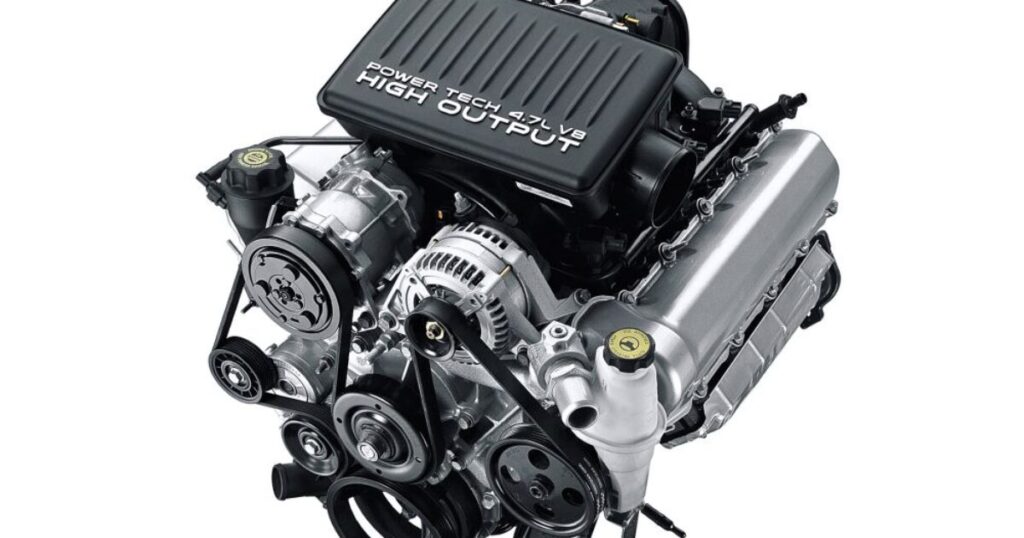
The 4.7 dodge engine has been a cornerstone of Dodge and Chrysler’s powertrain lineup for over two decades, powering some of America’s most popular trucks and SUVs. This V8 powerplant, officially known as the PowerTech engine, made its debut in 1999 and quickly established itself as a reliable workhorse for drivers who demanded both performance and durability. Whether you’re considering purchasing a vehicle equipped with this engine, currently own one, or are simply researching its capabilities for maintenance purposes, understanding the intricacies of the 4.7L Dodge engine can help you make informed decisions about your automotive investment.
The 4.7 dodge engine represents Dodge’s answer to the competitive mid-size truck and SUV market of the late 1990s and early 2000s. During this era, manufacturers were racing to develop engines that could deliver V8 power while maintaining reasonable fuel efficiency and meeting increasingly strict emissions standards. Dodge succeeded in creating an engine that balanced these competing demands, resulting in a powerplant that would serve in vehicles like the Dodge Dakota, Dodge Durango, Dodge Ram, Jeep Grand Cherokee, and Chrysler Aspen. The engine’s longevity in production from 1999 through 2013 speaks volumes about its engineering success and market acceptance, making it one of the most widely used engines in Chrysler’s modern history.
Understanding the 4.7 Dodge Engine Specifications and Design
The 4.7 dodge engine features a cast-iron block construction with aluminum cylinder heads, a design choice that provides excellent durability while keeping weight manageable for improved vehicle handling and fuel economy. This V8 configuration utilizes a 90-degree bank angle, which is standard for most V8 engines and helps ensure smooth operation by balancing the firing impulses of the cylinders. The engine’s displacement of 4.7 liters (287 cubic inches) is achieved through a bore of 93mm and a stroke of 86.5mm, creating what engineers call an “oversquare” design where the bore is larger than the stroke, which typically favors higher RPM operation and better breathing characteristics.
The 4.7L dodge engine utilizes a single overhead camshaft (SOHC) design with two valves per cylinder for a total of 16 valves across all eight cylinders. This configuration was later upgraded in some versions to include variable valve timing technology, specifically on the intake camshaft, which significantly improved low-end torque and overall engine efficiency. The compression ratio varies depending on the specific year and application, typically ranging from 9.0:1 to 9.7:1, which allows the engine to run on regular unleaded gasoline while still producing respectable power figures. The engine management system uses a sophisticated electronic control unit (ECU) that monitors dozens of sensors throughout the engine to optimize fuel delivery, ignition timing, and emissions control in real-time.
Key Technical Specifications
The performance characteristics of the 4.7 dodge engine evolved throughout its production run as Dodge engineers continually refined the design:
- Displacement: 4.7 liters (287 cubic inches)
- Configuration: V8 with 90-degree bank angle
- Block Material: Cast iron for maximum durability
- Head Material: Aluminum for weight reduction and heat dissipation
- Valvetrain: Single overhead camshaft (SOHC), 2 valves per cylinder
- Bore x Stroke: 93mm x 86.5mm (3.66 inches x 3.40 inches)
- Compression Ratio: 9.0:1 to 9.7:1 depending on year
- Horsepower: 230-310 hp depending on version and year
- Torque: 290-330 lb-ft depending on version and year
- Fuel System: Sequential multi-port electronic fuel injection
- Recommended Fuel: Regular unleaded gasoline (87 octane)
- Firing Order: 1-8-4-3-6-5-7-2
Performance Capabilities of the 4.7 Dodge Engine
When evaluating the performance of the 4.7 dodge engine, it’s important to understand that this powerplant underwent several significant updates during its production life, with the most notable being the introduction of the High Output (HO) version in 2008. The standard 4.7L dodge engine in its early years produced approximately 235 horsepower at 4,800 RPM and 295 lb-ft of torque at 3,200 RPM, which provided adequate power for towing light to moderate loads and delivering satisfactory acceleration for daily driving. These power figures placed it competitively within its segment, offering V8 smoothness and capability without the fuel consumption penalties associated with larger displacement engines like the 5.7L HEMI.
The introduction of variable valve timing (VVT) technology marked a significant milestone in the 4.7 dodge engine’s evolution, as this system allowed the engine to adjust the timing of the intake valves based on engine speed and load conditions. This advancement resulted in improved low-end torque, better fuel efficiency, and reduced emissions without sacrificing peak power output. The VVT-equipped engines delivered noticeably better throttle response in everyday driving situations, particularly during acceleration from a stop or when merging onto highways. Drivers reported that the engine felt more responsive and willing to rev, characteristics that enhanced the overall driving experience and made the vehicle feel more powerful than the raw horsepower numbers might suggest.
The High Output 4.7 dodge engine represented the pinnacle of this engine family’s development, featuring more aggressive camshaft profiles, revised intake and exhaust systems, and recalibrated engine management programming. This version produced an impressive 310 horsepower at 5,650 RPM and 330 lb-ft of torque at 3,950 RPM, representing gains of approximately 75 horsepower and 35 lb-ft over the original design. These substantial improvements transformed the character of vehicles equipped with this engine, providing genuine sports-truck performance that could compete with much larger displacement engines from competing manufacturers. The HO version also featured improved engine breathing through revised cylinder head ports and a more efficient exhaust manifold design, which contributed to the substantial power gains while maintaining reasonable fuel economy for a V8 engine of this era.
Common Applications and Vehicle Compatibility
The 4.7 dodge engine found its way into numerous vehicles across the Chrysler, Dodge, and Jeep brands, making it one of the most widely deployed engines in the company’s lineup during the 2000s. Understanding which vehicles used this engine can help potential buyers locate suitable vehicles or help current owners connect with larger communities of fellow enthusiasts who share knowledge about maintenance, modifications, and troubleshooting. The engine’s versatility allowed it to power everything from mid-size trucks to full-size SUVs, demonstrating its adaptability across various vehicle platforms and weight classes.
Primary Vehicle Applications:
- Dodge Dakota (1999-2011): The mid-size pickup truck that launched with this engine as a primary powerplant option
- Dodge Durango (1999-2009): The three-row SUV that utilized both standard and HO versions
- Dodge Ram 1500 (2008-2009): Selected trim levels of the light-duty pickup featured this engine
- Jeep Grand Cherokee (1999-2009): One of the most popular applications, available in numerous trim levels
- Jeep Commander (2006-2010): The seven-passenger SUV that offered this as a mid-range engine option
- Chrysler Aspen (2007-2009): The luxury SUV variant that shared the Durango platform
- Mitsubishi Raider (2006-2009): The rebadged Dakota that included this engine option
The widespread application of the 4.7L dodge engine across so many vehicle platforms created a robust aftermarket support network, with parts manufacturers producing everything from performance upgrades to maintenance components specifically designed for this engine family. This extensive parts availability has helped maintain the value and usability of vehicles equipped with this engine long after production ceased, as owners can readily find replacement parts, upgrade components, and maintenance items through numerous suppliers. Additionally, the large community of owners means that troubleshooting information, repair guides, and performance modification advice are readily available through online forums, YouTube channels, and enthusiast websites dedicated to these vehicles.
Reliability and Common Issues with the 4.7 Dodge Engine
The reliability profile of the 4.7 dodge engine is generally positive, with many examples exceeding 200,000 miles when properly maintained, though like any engine, it has certain known issues that owners should monitor and address proactively. Understanding these common problems can help current and prospective owners budget for maintenance, recognize warning signs before they become major failures, and implement preventive measures that extend engine life. The engine’s cast-iron block construction provides excellent durability for the core engine components, and the aluminum heads offer good heat dissipation, but certain design characteristics and component choices have proven problematic over the years.
Documented Common Problems
Valve Seat Issues: One of the most serious problems associated with early 4.7 dodge engines involves valve seat recession and in some cases complete valve seat failure where the seat separates from the aluminum cylinder head. This problem primarily affects engines manufactured between 1999 and 2003, and is thought to be related to the casting process used for the cylinder heads during this period. When valve seats fail, they can drop into the combustion chamber causing catastrophic engine damage including bent valves, piston damage, and cylinder wall scoring. Symptoms include sudden loss of power, rough idle, misfires, and unusual metallic sounds from the engine. Many owners of early engines have had their cylinder heads replaced under warranty extensions or have proactively replaced the heads with updated versions to prevent this failure.
Exhaust Manifold Cracking: The 4.7L dodge engine utilizes cast-iron exhaust manifolds that are prone to developing cracks due to the extreme thermal cycling they experience during normal operation. These manifolds expand and contract repeatedly as the engine heats up and cools down, and over time the casting can develop stress cracks, particularly near the bolt holes and in the collector areas where the individual exhaust ports merge. Cracked exhaust manifolds create distinctive ticking or tapping sounds that are most noticeable during cold starts and tend to diminish as the engine warms up and the metal expands, temporarily sealing the cracks. Beyond the annoying sound, cracked manifolds can cause exhaust leaks that may trigger check engine lights due to oxygen sensor reading errors, and they can potentially allow exhaust gases to enter the engine compartment, creating a safety hazard.
Water Pump Failure: The water pump on the 4.7 dodge engine has earned a reputation for premature failure, with many examples failing well before the expected service life of 100,000 miles. The pump uses a plastic impeller that can degrade over time, particularly if the cooling system hasn’t been properly maintained with fresh coolant at the recommended intervals. When the impeller blades break or separate from the shaft, coolant circulation becomes inadequate, leading to overheating issues that can cause head gasket failure or even warp the cylinder heads if not addressed immediately. Warning signs of water pump failure include coolant leaks from the front of the engine, a whining or grinding noise from the water pump pulley, engine overheating, or visible play in the water pump pulley when checked manually.
Spark Plug Issues: The 4.7 dodge engine uses spark plugs that thread into the aluminum cylinder heads, and over time these plugs can become difficult to remove due to carbon buildup and corrosion in the threads. In severe cases, the spark plug threads can strip out of the aluminum head when attempting to remove seized plugs, requiring expensive thread repair procedures or in worst-case scenarios, cylinder head replacement. Dodge recommended specific torque specifications and anti-seize compound application to prevent these issues, but many quick-lube facilities and inexperienced mechanics have damaged threads by over-tightening or failing to use proper installation procedures. Using quality spark plugs, replacing them at recommended intervals, and ensuring proper installation torque can prevent these expensive thread damage issues.
Maintenance Requirements and Best Practices
Proper maintenance is absolutely critical to ensuring longevity and reliable performance from the 4.7 dodge engine, and while the maintenance schedule isn’t particularly demanding compared to more complex modern engines, adhering to recommended service intervals and using quality parts makes an enormous difference in long-term durability. The engine’s design incorporates several components that require periodic inspection and replacement, and neglecting these maintenance items inevitably leads to reduced performance, decreased fuel efficiency, and potentially expensive repairs. Creating and following a comprehensive maintenance schedule tailored to your driving conditions will pay dividends in the form of years of trouble-free operation and maintained vehicle value.
Essential Maintenance Schedule
Oil and Filter Changes: The 4.7L dodge engine requires regular oil changes using high-quality motor oil that meets Chrysler’s specifications, with most experts recommending 5W-30 or 10W-30 weight oil depending on climate conditions and driving habits. While Chrysler’s official maintenance schedule suggests oil change intervals of 6,000 to 8,000 miles under normal driving conditions, many experienced mechanics and long-term owners recommend shortening this interval to 3,000 to 5,000 miles, especially for vehicles used for towing, frequent short trips, or operation in extreme temperatures. Using synthetic oil can extend drain intervals slightly and provides better protection during cold starts and high-temperature operation, though conventional oil works perfectly well when changed regularly. Always replace the oil filter during every oil change, and consider using premium filters that offer better filtration and higher capacity to trap contaminants.
Cooling System Service: Given the 4.7 dodge engine’s susceptibility to water pump failure and the critical importance of maintaining proper operating temperatures, cooling system maintenance deserves special attention in any maintenance program. The coolant should be completely flushed and replaced every 60,000 miles or five years, whichever comes first, using the proper orange HOAT (Hybrid Organic Acid Technology) coolant specified by Chrysler, never generic green coolant which can cause corrosion and seal deterioration in this engine. During coolant changes, carefully inspect all hoses for signs of deterioration such as bulging, cracking, or softness, and replace any questionable hoses before they fail and leave you stranded. The radiator cap should be tested for proper pressure retention annually and replaced if it fails to hold the specified pressure, as a weak cap can allow the coolant to boil at lower temperatures and create air pockets in the system.
Spark Plug Replacement: The spark plugs in the 4.7 dodge engine should be replaced every 30,000 miles to maintain optimal ignition performance and prevent the electrode wear that can cause misfires, poor fuel economy, and rough idle conditions. When replacing spark plugs, use only the exact plug type specified in the owner’s manual, as incorrect heat ranges or electrode designs can cause poor performance or even engine damage. Before installation, apply a small amount of anti-seize compound to the threads, being careful not to get any on the electrodes or insulator, and torque the plugs to the exact specification using a torque wrench rather than simply tightening them as tight as possible. This careful installation procedure prevents the thread stripping issues that have plagued many 4.7L dodge engines over the years, and makes future removal much easier.
Timing Chain Inspection: While the 4.7 dodge engine uses a timing chain rather than a belt, which eliminates the need for regular replacement at specific intervals, the chain and its associated components including tensioners, guides, and the camshaft phaser (on VVT-equipped engines) should be inspected for wear if the engine develops unusual noises or performance issues. A worn timing chain produces a distinctive rattling sound from the front of the engine, particularly during cold starts before oil pressure builds up to properly tension the chain. If caught early, timing chain replacement is a moderately expensive but straightforward repair, but if ignored until the chain skips teeth or breaks, the resulting valve-to-piston contact can destroy the engine, requiring complete replacement or extensive rebuilding.
Performance Upgrades and Modifications
Enthusiasts looking to extract more performance from the 4.7 dodge engine have numerous upgrade options available, ranging from simple bolt-on modifications that provide modest gains to comprehensive engine builds that can substantially increase horsepower and torque output. Understanding the available modifications, their costs, and their realistic performance benefits helps owners make informed decisions about which upgrades align with their performance goals and budget constraints. It’s important to approach modifications systematically, addressing the engine’s breathing capabilities and engine management before pursuing more expensive internal modifications, as this approach delivers the best return on investment for most applications.
Cold Air Intake Systems: Installing a high-quality cold air intake represents one of the easiest and most cost-effective modifications for the 4.7L dodge engine, typically providing 5-15 horsepower gains depending on the specific product and baseline condition of the factory air intake system. These systems work by reducing intake air restriction and lowering intake air temperatures, both of which allow the engine to produce more power by ingesting denser air charges that contain more oxygen molecules per cubic inch. Quality cold air intakes feature large-diameter intake tubes, high-flow air filters, and relocated filter elements that draw air from outside the engine compartment rather than from the hot air under the hood. When selecting a cold air intake, choose reputable manufacturers that have specifically designed their products for the 4.7 dodge engine, as poorly designed intakes can actually reduce performance or cause issues with the mass airflow sensor calibration.
Exhaust System Upgrades: The factory exhaust system on most vehicles equipped with the 4.7 dodge engine prioritizes quiet operation and cost control over maximum performance, creating opportunities for meaningful power gains through exhaust modifications. A complete cat-back exhaust system featuring larger diameter pipes (typically 2.5 to 3 inches), high-flow mufflers, and mandrel bends rather than crush bends can liberate 10-20 horsepower while creating a more aggressive exhaust note that many enthusiasts find appealing. For those seeking maximum performance, replacing the restrictive factory catalytic converters with high-flow units can provide additional gains, though this modification may not be legal in all jurisdictions and should only be performed on off-road vehicles in areas where such modifications are prohibited for street use.
Engine Tuning and Programming: Modern engine management systems like those used in the 4.7L dodge engine offer substantial opportunities for performance gains through software modifications that optimize fuel delivery, ignition timing, and transmission shift points. Professional tuning companies offer plug-and-play programmer devices and custom tuning services that can extract 15-30 horsepower from an otherwise stock engine, with even greater gains possible when combined with supporting modifications like intake and exhaust upgrades. These tuning modifications work by adjusting the factory-conservative calibrations that prioritize emissions compliance and fuel economy over maximum performance, instead optimizing the engine’s operating parameters for increased power output. When pursuing engine tuning, work with reputable companies that have extensive experience with the 4.7 dodge engine and can provide custom tuning that accounts for your specific modifications and intended use.
Fuel Economy and Efficiency Considerations
Understanding the fuel economy characteristics of the 4.7 dodge engine helps owners set realistic expectations and identify potential problems when fuel consumption deviates from normal patterns. As a naturally aspirated V8 engine from the early 2000s era, the 4.7L dodge engine wasn’t designed with modern fuel efficiency standards in mind, and its consumption figures reflect the engineering priorities of that period which emphasized performance and capability over maximum efficiency. However, by understanding the factors that influence fuel economy and implementing certain driving techniques and maintenance practices, owners can optimize their fuel consumption within the limitations of the engine’s fundamental design.
Expected Fuel Economy Figures
Real-world fuel economy for vehicles equipped with the 4.7 dodge engine varies significantly based on vehicle weight, aerodynamics, drivetrain configuration (2WD vs 4WD), axle ratios, and driving conditions, but typical figures fall within predictable ranges. Lighter vehicles like the Dodge Dakota equipped with two-wheel drive and conservative axle ratios typically achieve 14-16 MPG in city driving and 18-21 MPG on the highway when driven with a light foot and proper maintenance. Heavier vehicles like the Jeep Commander or Dodge Durango with four-wheel drive systems see somewhat reduced figures, usually in the range of 12-15 MPG city and 16-19 MPG highway. The High Output version of the 4.7 dodge engine with its more aggressive tuning and higher compression typically shows slightly lower fuel economy figures, usually 1-2 MPG less than the standard version across both city and highway driving cycles.
Factors Affecting Fuel Economy:
- Driving Style: Aggressive acceleration and high-speed cruising significantly increase fuel consumption
- Vehicle Weight: Additional cargo or passengers reduce fuel economy proportionally
- Tire Pressure: Under-inflated tires create rolling resistance that wastes fuel
- Aerodynamic Modifications: Roof racks, bull bars, and lift kits increase wind resistance
- Axle Ratio: Lower (numerically higher) ratios improve acceleration but reduce highway fuel economy
- Maintenance Condition: Worn spark plugs, dirty air filters, and old oxygen sensors all reduce efficiency
- Engine Temperature: Cold engines consume significantly more fuel until reaching operating temperature
- Terrain: Hilly or mountainous driving requires more fuel than flat terrain
- Wind Conditions: Headwinds and crosswinds increase fuel consumption noticeably
Comparison with Competing Engines
Evaluating the 4.7 dodge engine within the context of its competitive landscape provides valuable perspective on its strengths and weaknesses relative to alternative powerplants from other manufacturers. During the engine’s production run from 1999 to 2013, it competed against numerous V8 and V6 engines from Ford, General Motors, Toyota, and Nissan, each offering different combinations of power, efficiency, reliability, and cost. Understanding how the 4.7L dodge engine stacks up against these alternatives helps potential buyers make informed decisions when shopping for used trucks and SUVs from this era.
Ford’s 4.6L V8: Ford’s modular 4.6L V8 engine served in similar applications including the Ford F-150 and Ford Explorer, offering comparable displacement and similar power output in most configurations. The Ford engine featured an aluminum block rather than the cast-iron construction of the 4.7 dodge engine, making it lighter but potentially less durable in extreme use conditions. Power output was nearly identical between the two engines, with both producing approximately 240 horsepower in standard trim, though the Dodge engine generally offered slightly better low-end torque characteristics that provided better towing feel and city driving response. Reliability between the two engines is roughly comparable, with both having specific known issues – Ford’s engine suffered from spark plug ejection problems and timing chain tensioner failures, while the Dodge had its valve seat and exhaust manifold issues.
General Motors’ 5.3L V8: GM’s small-block LS-based 5.3L Vortec engine represented a significant displacement advantage over the 4.7 dodge engine, and this extra capacity translated into substantially better torque output and towing capability. The GM engine produced approximately 295 horsepower and 335 lb-ft of torque in most applications, giving vehicles equipped with this engine noticeably better acceleration and pulling power than comparable Dodge products. However, the displacement advantage came at the cost of slightly reduced fuel economy, with the larger GM engine typically consuming 1-2 MPG more than the 4.7L dodge engine in similar vehicles. The LS-based architecture of GM’s engine has proven extremely reliable and has earned a reputation as one of the best truck engines of its generation, offering better long-term durability than the Dodge engine in most cases.
Toyota’s 4.7L V8: Toyota’s 2UZ-FE 4.7L V8 engine shared the same displacement as the 4.7 dodge engine and powered vehicles like the Toyota Tundra, Sequoia, and Land Cruiser during overlapping production years. The Toyota engine featured an all-aluminum construction that made it significantly lighter than the Dodge’s cast-iron block, and it incorporated more sophisticated technologies including variable valve timing on both intake and exhaust camshafts. Power output was similar between the two engines, with the Toyota producing 240-275 horsepower depending on year and application, though the Toyota engine’s VVT-i system provided better low-end torque and throttle response. The Toyota engine has earned a legendary reputation for reliability, with many examples exceeding 300,000 miles with only basic maintenance, making it arguably more dependable than the 4.7L dodge engine despite the Dodge engine’s respectable durability record.
Troubleshooting Common Problems
When issues arise with the 4.7 dodge engine, systematic troubleshooting using proper diagnostic procedures can save substantial time and money by identifying the root cause rather than replacing parts randomly in hopes of fixing the problem. Modern vehicles equipped with this engine feature sophisticated onboard diagnostic systems that monitor hundreds of parameters and store diagnostic trouble codes when problems occur, making a quality code reader or scanner an essential tool for any owner who wants to maintain their vehicle efficiently. Understanding common symptoms and their typical causes allows owners to communicate effectively with mechanics or tackle repairs themselves if they possess adequate mechanical skills and tools.
Diagnostic Approach for Common Symptoms
Check Engine Light with Misfire Codes: When the check engine light illuminates and diagnostic scanning reveals cylinder misfire codes (P0300-P0308), the problem typically relates to the ignition system, fuel delivery, or mechanical engine problems affecting combustion in one or more cylinders. Begin by checking the spark plugs in the affected cylinders, as worn or fouled plugs are the most common cause of misfires in the 4.7 dodge engine. Remove the suspect spark plugs and examine them carefully – plugs with worn electrodes, carbon deposits, or oil contamination indicate problems that require correction before the engine will run properly. If the plugs appear normal, test the ignition coils using a multimeter to verify they’re producing adequate voltage, and check for proper fuel delivery by testing fuel pressure at the rail and listening for proper injector operation using a mechanic’s stethoscope.
Overheating Issues: Overheating represents one of the most serious problems that can affect the 4.7L dodge engine, as excessive temperatures can quickly cause head gasket failure, warped cylinder heads, or even cracked engine blocks in severe cases. When confronting overheating problems, first verify that the cooling system contains adequate coolant at the proper mixture ratio, as low coolant levels from leaks or improper filling can prevent proper heat transfer from the engine to the radiator. Check the radiator cap for proper pressure retention, inspect all hoses for leaks or soft spots, and verify that the cooling fans are operating correctly by observing their operation when the engine reaches normal operating temperature. If these basic checks don’t reveal the problem, suspect water pump failure, a clogged radiator, a stuck thermostat, or internal engine problems like head gasket failure allowing combustion gases into the coolant passages.
Oil Consumption Problems: Excessive oil consumption in the 4.7 dodge engine manifests as the need to add oil between oil changes, blue smoke from the exhaust, or oil-fouled spark plugs, indicating that oil is entering the combustion chambers and being burned along with the air-fuel mixture. Worn valve seals represent the most common cause of oil consumption in higher-mileage engines, as the rubber seals that prevent oil from leaking past the valve stems into the combustion chambers deteriorate over time and allow oil to seep through. This problem typically produces blue smoke that’s most noticeable during cold starts and deceleration when manifold vacuum is high, pulling oil past the worn seals. More serious oil consumption accompanied by loss of compression or unusual engine noises may indicate worn piston rings or cylinder wall damage, which requires engine disassembly and rebuilding to correct properly.
Cost Analysis: Ownership and Maintenance
Understanding the total cost of ownership for a vehicle equipped with the 4.7 dodge engine requires looking beyond the initial purchase price to consider ongoing expenses including fuel, routine maintenance, insurance, and potential repair costs over the ownership period. This comprehensive financial analysis helps potential buyers determine whether vehicles with this engine represent good value compared to alternatives, and helps current owners budget appropriately for expected expenses. While used vehicles equipped with the 4.7L dodge engine have become quite affordable in recent years due to depreciation, the operating costs remain significant enough to warrant careful consideration before purchase.
Expected Ownership Costs
Routine Maintenance Annual Costs: A well-maintained 4.7 dodge engine requires approximately $800-1,200 annually in routine maintenance assuming average driving of 12,000-15,000 miles per year and using a combination of DIY and professional service. This figure includes three to four oil changes per year at $60-80 each including filter and quality motor oil, one set of spark plugs every 2-3 years averaging $150-200 for parts and installation, coolant system service every 4-5 years at $150-250, air filter replacements at $30-50 annually, and various other fluids and filters needed periodically. Owners who perform their own maintenance can reduce these costs by 40-50% by eliminating labor charges, while those who strictly follow extended service intervals or use budget parts may spend less but risk increased long-term repair costs from inadequate maintenance.
Fuel Costs: With average fuel economy of approximately 14 MPG combined city/highway driving for a typical vehicle equipped with the 4.7L dodge engine, annual fuel costs vary substantially based on miles driven and local gasoline prices. At 15,000 miles annually and assuming $3.50 per gallon, fuel costs total approximately $3,750 per year, making fuel the single largest operating expense for most owners. These costs can fluctuate significantly with changes in gasoline prices and driving patterns, with frequent highway driving reducing per-mile fuel costs while city driving, towing, or aggressive driving increase consumption substantially. Comparing these fuel costs to more efficient alternatives like modern turbocharged four-cylinder or hybrid powertrains reveals the substantial ongoing expense of operating a traditional V8 engine, though the 4.7 dodge engine remains reasonably efficient for its displacement and power output.
Major Repair Costs: Beyond routine maintenance, owners should budget for occasional major repairs that become increasingly likely as vehicles equipped with the 4.7L dodge engine age and accumulate mileage. Water pump replacement typically costs $400-700 depending on labor rates in your area, exhaust manifold replacement runs $600-1,200 per side, valve seat repair or cylinder head replacement can exceed $2,000-3,000 for professional service, and timing chain replacement with all associated components costs $1,500-2,500 including labor. These repair costs should be considered when evaluating older, higher-mileage vehicles, as even well-maintained examples may require some of these repairs as components reach the end of their service life. Setting aside $50-100 monthly in a vehicle maintenance fund can help owners prepare for these inevitable expenses without creating financial hardship when repairs become necessary.
Market Value and Resale Considerations
The current used vehicle market for trucks and SUVs equipped with the 4.7 dodge engine presents interesting opportunities for buyers seeking affordable V8 power, though values vary considerably based on model year, mileage, condition, and specific vehicle model. Understanding market dynamics and depreciation patterns helps buyers negotiate fair prices and helps sellers price their vehicles competitively to attract qualified buyers. As these vehicles continue aging and accumulating miles, values have stabilized at relatively low levels compared to their original MSRPs, making them accessible to budget-conscious buyers who might not be able to afford newer alternatives.
Current Market Values: A well-maintained 2005-2010 Dodge Dakota or Durango equipped with the 4.7 dodge engine typically trades in the $5,000-12,000 range depending on mileage, condition, and trim level, with higher-specification models commanding premium prices. Similar-year Jeep Grand Cherokees with this engine sell for slightly more, usually $8,000-15,000, due to the Grand Cherokee’s stronger brand reputation and broader appeal in the used market. The High Output versions of the engine typically add $1,000-2,000 to vehicle values when compared to standard engine versions in otherwise identical vehicles, reflecting the performance advantage and relative rarity of these more powerful variants. Vehicles with documented maintenance histories, clean titles, and no accident damage command significant premiums over examples with questionable history or visible neglect, making proper maintenance and record-keeping important for preserving resale value.
Expert Opinions and Owner Experiences
Gathering perspectives from automotive journalists, professional mechanics, and long-term owners provides valuable insights into the real-world performance and reliability of the 4.7 dodge engine that complement technical specifications and manufacturer claims. These experiences reveal patterns of common problems, highlight the engine’s strengths in everyday use, and provide practical advice for getting the most from this powerplant. While individual experiences vary based on maintenance habits, driving conditions, and specific production years, certain themes emerge consistently across numerous sources.
Professional Mechanic Perspectives: Experienced technicians who regularly service vehicles equipped with the 4.7L dodge engine generally regard it as a competent but not exceptional powerplant that requires diligent maintenance to deliver reliable service. According to Mike Thompson, ASE Master Certified Technician with over 20 years of experience, “The 4.7 Dodge engine is one of those motors that will treat you right if you treat it right. I’ve seen examples with 250,000 miles running strong, but I’ve also seen neglected ones fail at 100,000 miles. The key is staying on top of the cooling system and keeping clean oil in it.” This perspective aligns with feedback from numerous other professional mechanics who emphasize that the engine’s reliability depends heavily on owner commitment to proper maintenance rather than being inherently bulletproof like some competing designs.
Long-Term Owner Reviews: Owners who have lived with the 4.7 dodge engine for many years and tens of thousands of miles offer practical insights into the ownership experience that goes beyond specifications and test results. John Martinez, who accumulated 215,000 miles on his 2002 Dodge Durango equipped with the 4.7L engine, reports: “This engine has been generally reliable for me, but it’s needed some work. I replaced the water pump at 80,000 miles and again at 180,000, had the exhaust manifolds done under warranty, and I’ve been through two sets of spark plugs. The biggest issue was valve seat problems on the passenger side head at 150,000 miles, which cost me $2,200 to fix at an independent shop.” This type of real-world experience, repeated across numerous owner forums and review sites, paints a picture of an engine that provides adequate longevity with some predictable issues that owners should anticipate and budget for accordingly.
Environmental Impact and Emissions Compliance
The 4.7 dodge engine was designed and manufactured during a transitional period in automotive emissions regulations, incorporating sophisticated emissions control technologies to meet increasingly stringent EPA standards while maintaining reasonable power output and fuel efficiency. Understanding the engine’s environmental impact and emissions characteristics helps owners maintain proper emissions system function and make informed decisions about vehicle longevity in areas with strict emissions testing requirements.
The emissions control system on the 4.7L dodge engine includes multiple catalytic converters, oxygen sensors, an evaporative emissions control system, and exhaust gas recirculation (EGR) in some applications. These systems work together to reduce harmful pollutants including hydrocarbons, carbon monoxide, and nitrogen oxides to levels that comply with federal and state emissions standards. Proper maintenance of these systems is essential not only for environmental compliance but also for maintaining optimal engine performance and fuel economy, as degraded emissions components can cause drivability issues and increased fuel consumption.
The Role of Engineering Excellence in Engine Development
The development of the 4.7 dodge engine showcased the engineering capabilities of Chrysler’s powertrain division during a critical period when the company was working to establish itself as a competitive force in the truck and SUV markets. The engine represented years of research, development, testing, and refinement to create a powerplant that could compete effectively against established offerings from Ford, General Motors, and Asian manufacturers. For those interested in learning more about automotive engineering principles and engine development processes, resources like Vero Engineering provide valuable insights into the technical considerations that influence modern engine design and performance characteristics.
Future Outlook and Legacy
As production of the 4.7 dodge engine ended in 2013, replaced by more modern powertrains including Chrysler’s Pentastar V6 and HEMI V8 engines, the legacy of this engine family continues through the hundreds of thousands of vehicles still operating on roads today. The engine serves as a testament to early 2000s powertrain engineering, representing the last generation of traditional SOHC V8 designs before the industry moved toward overhead cam, variable valve timing, and cylinder deactivation technologies that define modern engines. For owners of vehicles equipped with this engine, the continued availability of parts and the large community of fellow enthusiasts ensures that these trucks and SUVs can remain viable transportation for years to come with proper care and maintenance.
Frequently Asked Questions About the 4.7 Dodge Engine
How long does a 4.7 Dodge engine last?
A properly maintained 4.7 dodge engine typically lasts 200,000 to 250,000 miles before requiring major repairs or rebuilding. Some examples have exceeded 300,000 miles with meticulous maintenance, while neglected engines may fail at 100,000-150,000 miles. The key factors determining longevity include regular oil changes, cooling system maintenance, prompt attention to warning signs, and avoiding extended periods of overheating or running low on fluids. Early model year engines from 1999-2003 may experience valve seat issues that can shorten lifespan if not addressed proactively.
What is the most common problem with the 4.7 Dodge engine?
The most common problems with the 4.7L dodge engine include cracked exhaust manifolds, premature water pump failure, and valve seat recession in early models. Exhaust manifold cracks affect the majority of engines eventually, creating distinctive ticking noises during cold starts. Water pumps often fail between 60,000-100,000 miles due to plastic impeller degradation. Valve seat issues primarily affected 1999-2003 models and could cause catastrophic engine damage if not addressed. Regular maintenance and proactive replacement of known problem components significantly reduces the likelihood of major failures.
Is the 4.7 Dodge engine good for towing?
The 4.7 dodge engine provides adequate but not exceptional towing capability, with most vehicles equipped with this engine rated to tow 5,000-7,500 pounds depending on specific vehicle configuration and equipment. The engine produces sufficient torque for towing moderate loads like small to medium travel trailers, utility trailers, and boats, though it works harder than larger displacement engines like the 5.7L HEMI when towing near maximum capacity. The High Output version offers improved towing performance with its additional power and torque. For frequent heavy towing, larger displacement engines may provide better long-term durability and easier operation.
What years of the 4.7 Dodge engine should I avoid?
The 1999-2003 4.7 dodge engines are generally considered less desirable due to the valve seat recession issue that can cause catastrophic engine failure. If purchasing a vehicle from these model years, verify that the cylinder heads have been replaced with updated versions or budget for potential head replacement in the future. Engines from 2004 onward incorporated improved head castings that largely resolved this problem. The 2008-2013 models with High Output specifications and variable valve timing represent the most refined and desirable versions of this engine family.
How much horsepower does a 4.7 Dodge engine have?
The 4.7 dodge engine horsepower varies by year and version. Standard versions produce 230-260 horsepower at approximately 4,800 RPM, depending on the specific model year and vehicle application. The High Output variant introduced in 2008 produces 310 horsepower at 5,650 RPM, representing a substantial increase over the standard version. Torque output ranges from 290-295 lb-ft for standard versions and increases to 330 lb-ft for High Output models. These power figures place the engine competitively within its segment against other mid-displacement V8 engines from the same era.
Can I use regular gas in a 4.7 Dodge engine?
Yes, the 4.7L dodge engine is designed to operate on regular unleaded gasoline with an octane rating of 87 or higher. The engine’s compression ratio of 9.0:1 to 9.7:1 allows it to run safely on regular fuel without detonation or pre-ignition issues. While premium fuel may provide marginal performance benefits in some driving conditions, it offers no meaningful advantage for this engine design and represents an unnecessary expense for most owners. Using quality fuel from reputable stations and maintaining proper fuel system cleanliness delivers better results than using premium fuel in an engine designed for regular gasoline.
What transmission pairs with the 4.7 Dodge engine?
The 4.7 dodge engine was paired with several automatic transmissions during its production run, most commonly the 45RFE four-speed automatic in earlier vehicles and the 545RFE five-speed automatic in later models. The 45RFE provided adequate performance but lacked the overdrive gear that would have improved highway fuel economy, while the 545RFE offered better highway cruising efficiency and more flexible gear ratios. Some earlier Dakota models offered a manual transmission option with the 4.7L engine, though this combination was relatively rare. The transmission choice significantly affects both performance and fuel economy characteristics.
Is the 4.7 Dodge engine a HEMI?
No, the 4.7 dodge engine is not a HEMI engine. While both are V8 engines used by Chrysler, they represent completely different engine families with distinct designs. The 4.7L dodge engine uses a conventional wedge-shaped combustion chamber design with two valves per cylinder, while HEMI engines feature hemispherical combustion chambers with a different valve arrangement. The 5.7L HEMI replaced the 4.7 in many applications as Chrysler’s premium V8 offering, providing more displacement, power, and torque, though typically at the cost of reduced fuel economy.
Take Action: Maximize Your 4.7 Dodge Engine Performance and Reliability
If you’re currently researching the 4.7 dodge engine for a potential vehicle purchase or looking to maintain your existing engine for maximum longevity, taking proactive steps now will pay dividends in performance, reliability, and cost savings over the life of your vehicle. Start by implementing a comprehensive maintenance schedule that addresses the engine’s known weak points including cooling system service, regular oil changes with quality lubricants, and proactive replacement of wear items before they fail and cause secondary damage.
For those considering purchasing a vehicle equipped with the 4.7L dodge engine, prioritize examples with complete maintenance records, avoid early model years with valve seat issues unless the heads have been replaced, and have a pre-purchase inspection performed by a mechanic familiar with these engines to identify any existing problems before committing to the purchase. The right vehicle with this engine can provide years of reliable service at an affordable price point, but informed purchasing decisions based on thorough evaluation significantly reduce the risk of unexpected repair costs.
Current owners experiencing problems with their 4.7 dodge engine should address issues promptly before they escalate into major failures. Strange noises, warning lights, overheating, or changes in performance all deserve immediate attention, as ignoring these warning signs invariably leads to more expensive repairs. Building a relationship with a trusted mechanic who understands these engines provides valuable support when problems arise and can help you make informed decisions about repair versus replacement when major issues develop.
Conclusion: Understanding the 4.7 Dodge Engine Value Proposition
The 4.7 dodge engine represents a competent mid-displacement V8 powerplant that served Chrysler well during a critical period in the company’s history, powering numerous popular truck and SUV models through more than a decade of production. While not without its issues, particularly the valve seat problems in early models and the chronic exhaust manifold cracking across all years, the engine delivers acceptable performance, reasonable fuel economy for a V8, and adequate reliability when properly maintained. Understanding the engine’s strengths, weaknesses, and maintenance requirements allows owners to maximize their ownership experience while minimizing unexpected expenses.
For potential buyers in today’s used vehicle market, trucks and SUVs equipped with the 4.7L dodge engine offer an affordable entry point into V8-powered vehicles, providing traditional V8 characteristics including smooth power delivery, ample torque for towing and hauling, and the distinctive exhaust note that many enthusiasts prefer. The key to successful ownership lies in purchasing the right example, avoiding problem years, implementing proper maintenance practices, and addressing issues proactively. With realistic expectations and proper care, these vehicles can provide reliable, cost-effective transportation for drivers who appreciate traditional truck characteristics without the premium prices commanded by newer alternatives.
References and Additional Resources
For more information about the 4.7 dodge engine and related automotive topics, consider exploring these authoritative sources:
- Chrysler Factory Service Manuals for specific model year information
- AllCarTech Dodge Engine Specifications Database
- NHTSA Safety and Recalls Information
- EPA Fuel Economy Data
- Dodge and Jeep Owner Forums for real-world experiences and troubleshooting advice
- General Engine Information and Engineering Resources
Meta Title: Complete Guide to the 4.7 Dodge Engine: Performance, Reliability & Maintenance
Meta Description: Comprehensive guide to the 4.7 Dodge engine covering specs, common problems, maintenance, reliability, and performance. Everything you need to know about this V8 powerplant.