In this guide
Understanding the shaft engine system is crucial for anyone involved in automotive maintenance, repair, or engineering. These critical components serve as the backbone of vehicle power transmission, connecting your engine’s raw power to the wheels that propel your vehicle forward. Whether you’re a seasoned mechanic, automotive enthusiast, or vehicle owner looking to understand your car better, this comprehensive guide will walk you through everything you need to know about shaft engines and their vital role in modern transportation.
What is a Shaft Engine and How Does It Work?
A shaft engine refers to the integrated system of rotating mechanical components that transmit power, torque, and rotational motion throughout a vehicle’s drivetrain. The term encompasses several critical components including drive shafts, crankshafts, camshafts, and propeller shafts. These components work in perfect harmony to convert the engine’s internal combustion into the rotational energy that moves your vehicle.
The shaft engine system operates through a sophisticated transfer of mechanical energy. When fuel ignites in the engine cylinders, it creates explosive force that pushes pistons up and down. This linear motion gets converted into rotational power through the crankshaft, which then transmits this energy through various shaft components until it reaches the wheels. The entire process happens thousands of times per minute, making the precision engineering of shaft engine components absolutely critical for reliable vehicle operation.
Modern shaft engines must withstand enormous stresses while maintaining perfect balance and alignment. According to automotive engineering research, crankshafts in particular can experience forces exceeding 8.6 tonnes per cylinder during normal operation. This incredible stress requires materials with exceptional strength-to-weight ratios and manufacturing processes that achieve microscopic precision.
Types of Shaft Engine Components and Their Functions
The Crankshaft: The Heart of Power Conversion
The crankshaft stands as the primary structural element in any engine’s shaft system. This precisely machined component converts the pistons’ up-and-down linear motion into smooth rotational power. The crankshaft connects to each piston through connecting rods, and as the pistons fire in sequence, the crankshaft transforms their individual strokes into continuous rotation. This rotation then transfers through the drivetrain to ultimately propel the vehicle. Engineers design crankshafts with multiple counterweights that balance the reciprocating forces, reducing vibration and ensuring smooth engine operation even at high RPMs.
The Drive Shaft: Bridging Distance with Power
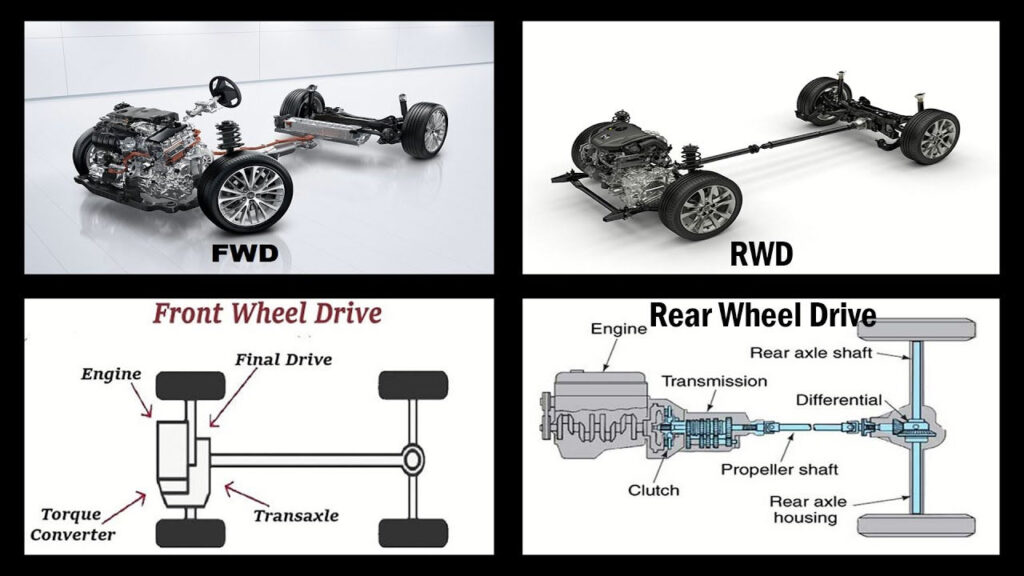
The drive shaft, also called a propeller shaft or Cardan shaft, serves as the critical link between the transmission and the differential in rear-wheel and four-wheel drive vehicles. This component must transmit substantial torque across considerable distances while accommodating the constant angular changes that occur as the suspension moves and the vehicle travels over uneven terrain. Most automotive drive shafts typically last between 75,000 and 150,000 miles under normal driving conditions, though this lifespan can vary significantly based on driving habits and maintenance practices.
The drive shaft incorporates universal joints that allow it to flex and rotate at varying angles while maintaining constant rotational speed. These joints represent one of the most ingenious solutions in automotive engineering, using a cross-shaped mechanism that permits each end of the shaft to rotate at different angles while transmitting full torque. Without this flexibility, the rigid connection would quickly fail as the vehicle’s suspension articulates during normal driving.
The Camshaft: Orchestrating Valve Timing
The camshaft plays a conductor’s role in engine operation, controlling the precise opening and closing of intake and exhaust valves. This shaft rotates at exactly half the speed of the crankshaft in four-stroke engines, with carefully designed lobes that push valves open at precisely the right moment in the combustion cycle. The timing of these valve operations directly impacts engine efficiency, power output, and fuel economy. Modern high-performance engines often feature variable valve timing systems that adjust camshaft operation based on engine speed and load demands.
Balance Shafts: Smoothing Out the Rough Edges
Balance shafts represent a relatively modern addition to shaft engine technology, designed specifically to counteract the inherent vibrations that occur in certain engine configurations. These components rotate in precisely calculated patterns that generate forces opposing the engine’s natural vibrations. By effectively canceling out these unbalanced forces, balance shafts allow engines to run more smoothly with significantly reduced vibration levels. This innovation has enabled manufacturers to use smaller, more efficient engines without sacrificing the smooth operation that drivers expect.
Materials and Manufacturing: Building Shaft Engines for Durability
Steel Alloys: The Traditional Powerhouse
Forged steel remains the most common material for automotive shaft engines due to its exceptional strength and durability properties. The forging process aligns the metal’s grain structure, creating components that can withstand enormous cyclic stresses without failing. Manufacturers typically use specialized alloys like 40Cr steel for drive shafts, which provides an optimal balance of tensile strength, fatigue resistance, and cost effectiveness. This medium-carbon alloy steel exhibits symmetric tensile fatigue limits around 427 MPa and bending fatigue limits of approximately 501 MPa, making it ideal for the demanding loads encountered in normal vehicle operation.
The heat treatment process for steel shaft components involves carefully controlled heating and cooling cycles that transform the metal’s microstructure. Mid-frequency quenching produces a ferrite and pearlite structure that combines hardness with toughness. Surface treatments like shot peening and cold rolling introduce beneficial compressive stresses that significantly improve fatigue life by preventing crack initiation at the surface.
Aluminum: The Lightweight Alternative
Aluminum alloys have gained popularity in performance and luxury vehicles where weight reduction translates directly into improved acceleration, handling, and fuel efficiency. While aluminum cannot match steel’s ultimate strength, it offers approximately one-third the density while providing adequate strength for many applications. The weight savings from aluminum drive shafts can reach several kilograms per vehicle, contributing to overall performance improvements and reduced emissions. Aluminum also provides excellent corrosion resistance without requiring protective coatings, reducing long-term maintenance requirements.
Composite Materials: The Future of Shaft Design
Advanced composite materials represent the cutting edge of shaft engine technology. Manufacturers increasingly use filament winding processes to create drive shafts from carbon fiber and other composite materials. These high-tech components offer exceptional strength-to-weight ratios that surpass both steel and aluminum. Composite shafts also provide superior damping characteristics that naturally absorb vibrations, potentially eliminating the need for additional balancing components. However, the higher manufacturing costs currently limit composite shafts primarily to high-performance and racing applications.
Common Shaft Engine Problems and Warning Signs
Vibration: The First Sign of Trouble
Excessive vibration represents the most common symptom of shaft engine problems. Statistics indicate that over 60% of drive shaft vibration issues stem from dynamic imbalance, particularly after prolonged use or operation under heavy loads. When you notice intense shaking coming from underneath your vehicle, especially at speeds between 50 and 80 kilometers per hour, worn universal joints, damaged bearings, or shaft imbalance are likely culprits. These vibrations occur because the shaft no longer rotates smoothly around its center axis, creating oscillating forces that transmit through the entire vehicle structure.
Unusual Noises: Listening for Failure
Strange sounds provide another critical warning sign of impending shaft engine failure. Clicking, squeaking, or grinding noises typically indicate worn universal joints that lack proper lubrication. Clunking sounds when shifting from drive to reverse suggest excessive play in the drivetrain connections. These acoustic warnings occur because worn components develop clearances that allow metal-on-metal contact during operation. The universal joint, being a key component connecting the drive shaft to the transmission, relies heavily on properly lubricated internal bearings for smooth operation.
Difficulty Turning: Steering System Stress
When shaft engine components fail, they can place additional loads on steering systems, making turns feel heavy or unresponsive. This symptom particularly affects front-wheel drive and four-wheel drive vehicles where the drive shafts connect directly to the steering components. Worn universal joints or damaged CV joints create uneven power distribution that forces the steering system to work harder, especially during low-speed maneuvers. Addressing these issues promptly prevents damage to more expensive steering components.
Complete Failure: Understanding the Consequences
If left unaddressed, shaft engine problems inevitably lead to catastrophic failure. A completely failed drive shaft can cause loss of vehicle control, create dangerous situations on the road, and inflict severe damage on surrounding components. The ripple effect extends to the differential, transmission, steering system, and even wheel assemblies. Research shows that failing drive shafts create vibrations that damage transmission components over time, potentially resulting in repair costs far exceeding the price of simple shaft replacement.
Maintenance and Lifespan: Maximizing Shaft Engine Durability
Regular inspection and maintenance dramatically extend shaft engine component lifespan. Most drive shafts in modern vehicles last approximately 120,000 kilometers under normal conditions, though heavy-duty use or inadequate maintenance can significantly reduce this expectation. Preventive maintenance should include checking for proper lubrication, inspecting universal joint condition, verifying shaft alignment, and examining protective boots for cracks or damage.
The lubrication system represents the lifeblood of any shaft engine component. Without proper lubrication, friction increases dramatically, generating excessive heat that accelerates wear. Under high-heat conditions such as prolonged highway driving or heavy towing, grease can degrade and lose its protective properties. Some older vehicles require manual greasing of universal joints, making regular maintenance schedules critical for preventing premature failure.
Professional inspections should occur during regular service intervals, typically every 20,000 to 40,000 kilometers. Technicians check for worn bearings, damaged seals, shaft runout, and proper balance. They also examine the protective boots that prevent contamination of critical components. Even small tears in these boots can allow water and dirt to enter, creating an abrasive mixture that rapidly destroys bearings and joints.
Shaft Engine Design Considerations for Different Vehicle Types
Front-Wheel Drive Configuration
Front-wheel drive vehicles use relatively short shaft assemblies that connect the transmission directly to the front wheels. These halfshafts must accommodate steering angles while transmitting power, requiring constant velocity joints that maintain uniform rotation despite changing angles. The compact design reduces weight and improves packaging efficiency, allowing manufacturers to maximize interior space. Most modern compact cars and sedans utilize this configuration for its fuel efficiency advantages and simplified manufacturing.
Rear-Wheel Drive Systems
Rear-wheel drive vehicles require much longer drive shafts that span the entire length of the chassis, connecting the transmission at the front to the rear differential. This configuration provides excellent weight distribution and handling characteristics, making it popular in performance vehicles and trucks. The longer shaft must maintain perfect balance across its entire length while accommodating the significant angular changes that occur during suspension articulation. Similar to what you’d find in a 4.7 dodge engine configuration, rear-wheel drive systems excel in applications requiring high torque delivery and towing capacity.
All-Wheel and Four-Wheel Drive Complexity
All-wheel drive and four-wheel drive vehicles incorporate multiple shaft assemblies that deliver power to all four wheels simultaneously or on-demand. These systems require a front drive shaft, rear drive shaft, and a transfer case that splits power between the axles. The additional complexity increases maintenance requirements but provides superior traction in challenging conditions. Many modern SUVs and crossovers use sophisticated all-wheel drive systems that electronically control power distribution based on real-time traction conditions.
Advanced Technologies in Modern Shaft Engine Systems
Electronic Monitoring and Diagnostics
Contemporary vehicles incorporate sophisticated sensors that continuously monitor shaft engine component condition. These systems detect abnormal vibrations, temperature increases, or torque fluctuations that indicate developing problems. Advanced diagnostic tools allow technicians to identify specific failure modes before they cause complete component breakdown. Some luxury vehicles even feature predictive maintenance systems that analyze operating patterns and recommend service before problems occur.
Variable Geometry Systems
Modern performance engines increasingly use variable geometry shaft systems that adapt to changing driving conditions. Variable valve timing systems adjust camshaft operation based on engine speed, load, and efficiency requirements. These systems optimize power delivery across the entire RPM range while maintaining excellent fuel economy. Some advanced designs even incorporate separate intake and exhaust cam phasing for maximum flexibility.
Lightweight Engineering Solutions
The automotive industry’s push toward improved fuel efficiency drives continuous innovation in shaft engine design. Engineers employ computer-aided design and finite element analysis to optimize shaft geometry, removing unnecessary material while maintaining structural integrity. Advanced manufacturing techniques like hydroforming create complex hollow shaft designs that minimize weight without compromising strength. These innovations contribute significantly to overall vehicle efficiency improvements.
Troubleshooting Guide: Diagnosing Shaft Engine Issues
When experiencing potential shaft engine problems, systematic diagnosis helps identify the root cause accurately. Start by documenting when symptoms occur—do vibrations happen only at specific speeds, or are noises present constantly? Note whether problems worsen during acceleration, deceleration, or turning maneuvers. This information helps mechanics narrow down the affected components quickly.
Physical inspection provides valuable diagnostic information. With the vehicle safely raised on a lift, check for visible damage including dents, cracks, or bent sections. Manually rotate the shaft while feeling for rough spots, binding, or excessive play. Inspect universal joints for rust-colored dust that indicates worn seals. Examine protective boots for tears or damage that might have allowed contamination.
Professional diagnostic equipment can reveal problems invisible to visual inspection. Vibration analyzers identify specific frequencies that correlate with particular component failures. Thermal imaging detects abnormal heat generation from excessive friction. Computer diagnostic systems retrieve fault codes from electronic monitoring systems, pinpointing issues with extreme precision.
Cost Considerations and Repair Options
Repair vs. Replacement Decision Making
Minor shaft engine issues like worn universal joints often permit individual component replacement, with typical costs ranging from $200 to $600 including labor. However, when the main shaft body shows damage or multiple components have failed simultaneously, complete replacement usually provides better long-term value. A new drive shaft assembly typically costs between $400 and $1,200 depending on vehicle type, with installation adding another $150 to $300 in labor charges.
OEM vs. Aftermarket Parts
Original equipment manufacturer parts guarantee perfect fitment and meet factory specifications exactly. However, high-quality aftermarket alternatives often provide comparable performance at reduced cost. Premium aftermarket manufacturers frequently offer improved designs that address known weaknesses in original components. When selecting replacement parts, prioritize reputable brands with proven track records over cheap alternatives that might fail prematurely.
Preventive Maintenance Investment
Regular maintenance represents the most cost-effective approach to shaft engine longevity. Spending $100 to $200 annually on inspections and preventive services prevents thousands of dollars in catastrophic failure costs. This proactive approach also improves resale value by maintaining comprehensive service records that demonstrate proper vehicle care.
Industry Applications Beyond Automotive
Shaft engine technology extends far beyond passenger vehicles into numerous industrial applications. Heavy machinery, marine vessels, aircraft, and wind turbines all rely on similar power transmission principles. Industrial drive shafts often operate under even more extreme conditions than automotive applications, requiring specialized materials and designs. Marine propeller shafts must withstand continuous immersion in corrosive saltwater while transmitting enormous torque. Understanding automotive shaft engines provides foundational knowledge applicable across these diverse fields.
Future Trends in Shaft Engine Technology
Electric Vehicle Adaptations
The transition toward electric vehicles fundamentally changes shaft engine requirements. Electric motors produce instant maximum torque, eliminating the need for complex multi-speed transmissions. However, the high torque levels stress shaft components differently than traditional internal combustion engines. Engineers develop new shaft designs optimized for electric powertrains, often incorporating integrated motor and differential assemblies that eliminate traditional drive shafts entirely in single-motor configurations.
Smart Manufacturing and Industry 4.0
Advanced manufacturing technologies revolutionize shaft production quality and efficiency. Automated inspection systems using machine vision and artificial intelligence detect microscopic defects that human inspectors might miss. Additive manufacturing techniques enable complex internal geometries impossible with traditional machining. Real-time process monitoring ensures consistent quality while reducing waste and energy consumption.
Sustainable Materials Research
Environmental concerns drive research into more sustainable shaft engine materials and manufacturing processes. Recycled materials, bio-based composites, and environmentally friendly heat treatment methods reduce the industry’s carbon footprint. Some manufacturers already successfully incorporate recycled steel and aluminum into production while maintaining performance standards. This trend will accelerate as regulations and consumer preferences increasingly favor sustainable manufacturing.
FAQs About Shaft Engine Components
Q: What is the average lifespan of a shaft engine component?
A: Most drive shaft assemblies last between 75,000 and 150,000 miles depending on driving conditions and maintenance quality. Crankshafts and camshafts typically last the engine’s lifetime if properly maintained, often exceeding 200,000 miles in modern vehicles.
Q: Can I drive with a damaged shaft engine component?
A: While technically possible for short distances, driving with known shaft problems risks complete failure, loss of vehicle control, and expensive damage to transmission and differential components. Immediate professional inspection is strongly recommended.
Q: How do I know if my shaft engine needs service?
A: Watch for warning signs including unusual vibrations, especially at highway speeds, clicking or clunking noises when accelerating or turning, difficulty steering, or visible damage during visual inspection. Any of these symptoms warrant immediate professional diagnosis.
Q: What causes premature shaft engine failure?
A: The most common causes include inadequate lubrication, improper installation or alignment, excessive loads from aggressive driving or towing, contamination from damaged protective boots, and lack of regular maintenance inspections.
Q: Are aftermarket shaft components as good as original equipment?
A: High-quality aftermarket components from reputable manufacturers often match or exceed OEM specifications. However, cheap alternatives may use inferior materials or less precise manufacturing processes. Research brands carefully and prioritize quality over minimal cost savings.
Q: How much does shaft engine repair typically cost?
A: Costs vary widely based on the specific component and vehicle type. Simple universal joint replacement might cost $200-400, while complete drive shaft replacement typically ranges from $500-1,500 including parts and labor. Complex repairs involving transmission or differential damage can exceed $3,000.
Take Action to Protect Your Shaft Engine Investment
Understanding shaft engine systems empowers you to make informed maintenance decisions and recognize problems early before they escalate into expensive repairs. Whether you drive a compact car, performance vehicle, or heavy-duty truck, these critical components deserve your attention and proper care.
Don’t wait for complete failure to address shaft engine concerns. Schedule regular inspections as part of your normal maintenance routine, particularly if you frequently tow heavy loads, drive on rough terrain, or have accumulated high mileage. Professional technicians can identify developing issues and recommend cost-effective solutions before catastrophic failures occur.
Ready to ensure your shaft engine components operate flawlessly? Take action today by scheduling a comprehensive drivetrain inspection with a qualified technician. Early detection and preventive maintenance protect your investment, ensure safe vehicle operation, and prevent the inconvenience and expense of roadside breakdowns.
For more information about maintaining your vehicle’s critical engine components, visit authoritative sources like the Society of Automotive Engineers, Motor Vehicle Maintenance Council, and manufacturer-specific technical documentation. Stay informed, stay proactive, and keep your shaft engine system running smoothly for years to come.
Sources and Citations:
- Energy Education. (2025). “Drive shaft.” Retrieved from https://energyeducation.ca/encyclopedia/Drive_shaft
- Wikipedia. (2026). “Drive shaft.” Retrieved from https://en.wikipedia.org/wiki/Drive_shaft
- Wikipedia. (2026). “Crankshaft.” Retrieved from https://en.wikipedia.org/wiki/Crankshaft
- ScienceDirect. (2019). “Failure and root cause analysis of vehicle drive shaft.” Retrieved from https://www.sciencedirect.com/science/article/abs/pii/S1350630717308506
- MDPI Metals Journal. (2024). “Failure Mechanism of Rear Drive Shaft in a Modified Pickup Truck.” Retrieved from https://www.mdpi.com/2075-4701/14/6/641
Article last updated: January 2026