In this guide
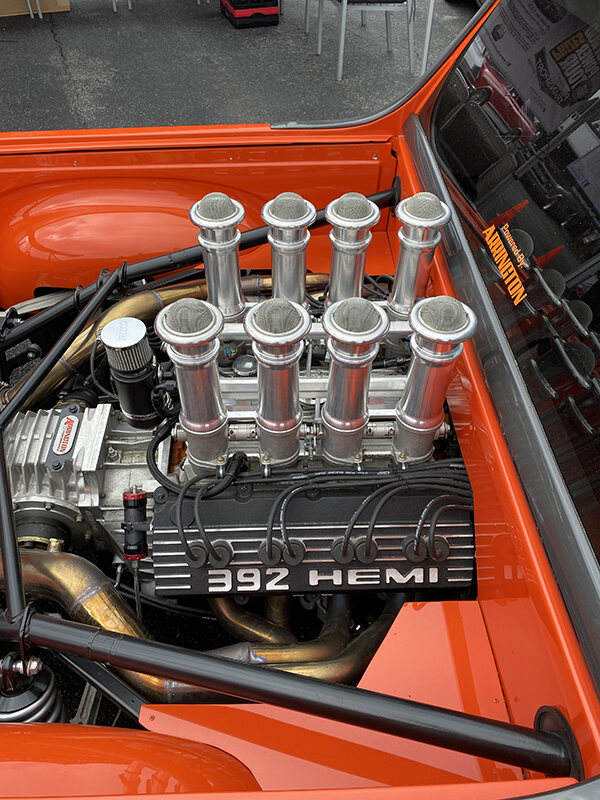
When you’re in the market for a 6.4 HEMI engine for sale, you’re looking at one of the most powerful and reliable V8 engines Chrysler has ever produced. The 6.4L HEMI, also known as the 392 HEMI, represents the pinnacle of American muscle engineering, delivering impressive horsepower and torque figures that have made it a favorite among performance enthusiasts, truck owners, and classic car restorers alike. This powerplant has earned its reputation through years of proven performance in vehicles ranging from the Dodge Challenger and Charger to the Ram 2500 and 3500 heavy-duty trucks.
Understanding where to find these engines, what to look for during your search, and how to ensure you’re getting the best value for your investment can make the difference between a successful purchase and a costly mistake. Whether you’re planning an engine swap, rebuilding a damaged vehicle, or simply upgrading your current ride, this comprehensive guide will walk you through everything you need to know about purchasing a 6.4 HEMI engine.
Understanding the 6.4L HEMI Engine Specifications and Performance
The 6.4 HEMI engine produces between 370 to 485 horsepower depending on the specific application and model year, with torque figures ranging from 429 to 475 lb-ft. This naturally aspirated V8 features a displacement of 392 cubic inches (6.4 liters), which is where it gets its “392” designation that harkens back to the legendary 1960s muscle car era. The engine utilizes advanced technologies including Variable Valve Timing (VVT), which optimizes performance across the entire RPM range, and a sophisticated fuel injection system that maximizes both power output and fuel efficiency.
The block is constructed from cast iron for durability, while the cylinder heads are aluminum alloy to reduce weight and improve heat dissipation. With a compression ratio of 10.9:1, the engine delivers exceptional performance on pump gasoline while maintaining reliability for daily driving or heavy-duty applications.
The 6.4L HEMI has been installed in various Dodge, Chrysler, and Ram vehicles since 2011, making it one of the most widely available modern V8 engines on the secondary market. Applications include the Dodge Challenger SRT 392, Dodge Charger SRT 392, Jeep Grand Cherokee SRT, Ram 2500 and 3500 Heavy Duty trucks, and even the Chrysler 300 SRT. Each application may have slight variations in tuning, accessories, and peripheral components, which is crucial to understand when searching for a 6.4 HEMI engine for sale.
The engine’s modular design means that many components are interchangeable between applications, though some wiring harnesses, computer modules, and accessory drives may differ. This versatility has created a robust aftermarket support network with countless performance upgrades, replacement parts, and technical resources available to owners and enthusiasts.
Where to Find Quality 6.4 HEMI Engines for Sale
Finding a reliable 6.4 HEMI engine for sale requires knowing where to look and which sources tend to offer the best combination of quality, pricing, and customer support. Salvage yards and auto recyclers represent one of the most cost-effective options, particularly for engines pulled from wrecked vehicles with low mileage. These facilities often provide warranties ranging from 30 to 90 days and may offer installation services or technical support. Online marketplaces like eBay Motors, Facebook Marketplace, and Craigslist offer direct-from-seller options where you can sometimes negotiate better prices, though these purchases carry more risk as you’re often buying from individuals rather than businesses with accountability.
Specialized engine retailers and rebuilders provide professionally inspected, tested, and sometimes remanufactured units that come with comprehensive warranties, though at premium prices compared to salvage yard alternatives.
Authorized Mopar dealers occasionally have 6.4 HEMI engines for sale as factory replacement units, typically sourced directly from Chrysler’s parts division. These engines are brand new, come with full manufacturer warranties, and include all necessary gaskets and hardware for installation. While this option represents the highest price point, it also offers maximum peace of mind for buyers who want guaranteed reliability and full support from the manufacturer. Performance engine builders and specialty shops offer another avenue, particularly for those seeking modified or upgraded versions of the standard engine. These builders often start with used cores that they completely disassemble, inspect, and rebuild to higher performance specifications using upgraded components like forged pistons, performance camshafts, and enhanced valve train components.
Key sources for purchasing include:
- Salvage yards and auto recyclers with online inventory systems
- Specialized engine retailers like Powertrain Products Inc and Fraser Engines
- Online marketplaces including eBay Motors and Car-Part.com
- Authorized Mopar dealerships for new factory engines
- Performance engine builders offering custom builds
- Private sellers through enthusiast forums and classified ads
Price Ranges and What Affects Cost
The price of a 6.4 HEMI engine for sale varies significantly based on factors including mileage, condition, included accessories, and whether it’s a complete drop-in assembly or a bare block. Salvage yard engines typically range from $3,500 to $6,500 depending on mileage and completeness, with lower mileage units commanding premium prices. Engines pulled from vehicles with 30,000 to 50,000 miles generally fall in the $5,000 to $6,500 range, while higher mileage units (100,000+ miles) might be available for $3,500 to $4,500.
Professionally remanufactured engines from reputable rebuilders typically cost between $6,500 and $9,500, reflecting the labor, parts, and warranty coverage included in the package. Brand new factory engines from Mopar can exceed $10,000 to $15,000, representing the highest price point but offering zero-mile reliability.
Complete engine assemblies that include all accessories, wiring harnesses, computers, and transmission adapters command higher prices than bare engines or short blocks. A complete turn-key setup ready for installation might cost an additional $1,500 to $3,000 compared to just the long block assembly. Geographic location also plays a role in pricing, with engines in metropolitan areas or regions with high concentrations of Dodge/Ram vehicles often more readily available at competitive prices. Seasonal demand fluctuates as well, with spring and summer months typically seeing increased prices due to higher demand for engine swaps and project builds. Smart buyers often shop during fall and winter when demand decreases and sellers may be more motivated to negotiate on price.
What to Inspect When Buying a Used 6.4 HEMI Engine
Before finalizing your purchase of a 6.4 HEMI engine for sale, thorough inspection is essential to avoid costly surprises after installation. Start by verifying the engine’s VIN stamp matches the seller’s description and documentation, ensuring you’re getting exactly what was advertised. Inspect the exterior for obvious damage including cracked blocks, damaged oil pan, broken mounting ears, or stripped bolt holes that could complicate installation. Check for evidence of oil leaks around valve covers, oil pan gaskets, front and rear main seals, and timing cover, as these issues indicate either poor maintenance or internal problems. Remove the oil fill cap and look inside for sludge buildup, which suggests inadequate oil changes or overheating issues that may have compromised internal components.
Request a compression test if possible, with all cylinders ideally showing within 10% of each other and meeting manufacturer specifications of approximately 165-175 psi. Low compression in one or more cylinders could indicate worn piston rings, damaged valves, or head gasket failure. Ask about the engine’s history including mileage, why it was removed, maintenance records, and whether it was running when removed from the vehicle. Engines pulled from wrecked vehicles with front-end damage may have hidden issues from impact forces, while those removed for transmission or other component failures are generally lower risk. Inspect all accessory mounting points, threaded holes, and brackets to ensure nothing is damaged or missing that you’ll need for your specific application.
Common Issues and What to Avoid
While the 6.4 HEMI is generally reliable, certain issues are worth watching for when shopping for a 6.4 HEMI engine for sale. The Multi-Displacement System (MDS), which deactivates cylinders under light load to improve fuel economy, has been known to develop problems including lifter failures, particularly in engines that haven’t received regular oil changes with the correct specification oil. Some buyers specifically seek non-MDS versions or plan to delete the system entirely to avoid potential complications. Cam and lifter wear has affected some higher-mileage examples, especially those operated with extended oil change intervals or incorrect oil viscosity. Listen for ticking noises or request video of the engine running if possible, as these can indicate lifter or valvetrain issues.
Exhaust manifold bolt failures plague many HEMI engines including the 6.4L variant, where the bolts break off inside the cylinder head due to thermal cycling and corrosion. While this doesn’t affect engine internals, it requires drilling out the broken bolts and potentially using helicoil inserts for repair, adding time and expense to your installation. Verify that all exhaust manifold bolts are intact or factor in repair costs if they’re broken. Some engines, particularly those from Ram trucks, may have been operated under heavy loads or extreme conditions that accelerated wear. Understanding the vehicle’s history and usage pattern helps assess potential longevity and reliability of the engine you’re considering.
Warning signs to avoid:
- Excessive sludge buildup indicating poor maintenance
- Evidence of overheating like warped heads or damaged head gaskets
- Broken exhaust manifold bolts (common but repairable)
- Unusual noises or irregular compression readings
- Modified engines without documentation of work performed
- Engines sold “as-is” with no ability to inspect or test
Installation Considerations and Compatibility
Installing a 6.4 HEMI engine requires understanding compatibility issues, especially if you’re swapping it into a vehicle that didn’t originally have this powerplant. The engine uses a specific bellhousing bolt pattern that mates with Chrysler’s 545RFE, 65RFE, 66RFE, 68RFE, and Aisin AS69RC automatic transmissions, or the Tremec TR-6060 manual transmission. If your vehicle has a different transmission, you’ll need an adapter or complete transmission swap to match. The engine control module (ECM) and wiring harness must be compatible with your chassis, which may require standalone aftermarket engine management systems like those from Holley, AEM, or MoTec for non-Chrysler applications.
Cooling system requirements differ between applications, with truck versions requiring more robust radiators and cooling fans than passenger car variants. Verify that your vehicle’s cooling system can handle the heat output from this powerful V8, particularly if you’re installing it in a lighter vehicle or one with a smaller factory radiator.
Oil pan configuration varies between vehicles, with rear-wheel-drive passenger cars using different pans than four-wheel-drive trucks, affecting ground clearance and steering component interference. Exhaust manifolds or headers must be selected based on your chassis design, as what fits a Challenger won’t necessarily work in a Ram truck or custom application. Power steering pump location and drive systems differ between applications, requiring careful parts selection to ensure all accessories align properly with your vehicle’s existing systems.
Warranty and Return Policies to Look For
When purchasing a 6.4 HEMI engine for sale, warranty coverage provides crucial protection against defects and failures that might not be apparent during initial inspection. Reputable salvage yards typically offer 30 to 90-day warranties covering major internal components like the block, crankshaft, pistons, connecting rods, and cylinder heads. These warranties usually require professional installation and may be void if the engine is modified or used in racing applications. Engine retailers and rebuilders often provide more comprehensive coverage ranging from 12 months to 36 months or even unlimited mileage warranties on fully remanufactured units. Read warranty terms carefully to understand what’s covered, what’s excluded, required maintenance intervals, and the claim process if problems arise.
Return policies vary significantly between sellers, with some offering no returns on used engines while others allow returns within a specified timeframe if the engine doesn’t meet advertised specifications. Private party sales rarely include any warranty or return options, placing all risk on the buyer and emphasizing the importance of thorough pre-purchase inspection.
New Mopar engines come with the manufacturer’s standard powertrain warranty, typically matching what would be provided with a new vehicle purchase. Document everything about your purchase including serial numbers, correspondence with the seller, condition reports, and installation details, as this information becomes critical if you need to file a warranty claim or dispute. Consider purchasing from sellers with established reputations and customer reviews, even if it means paying slightly more than the absolute lowest price available.
Performance Upgrades and Modification Potential
One of the appealing aspects of buying a 6.4 HEMI engine for sale is its tremendous potential for performance enhancement, with the aftermarket offering countless upgrade options. The stock engine responds extremely well to forced induction, with supercharger kits from manufacturers like Magnuson, Whipple, and ProCharger capable of boosting output to 650-800+ horsepower on otherwise stock internal components. These kits range from $6,000 to $12,000 depending on brand and included components, transforming the already powerful engine into a tire-shredding monster. Cold air intake systems, performance exhaust headers, and cat-back exhaust systems provide modest power gains of 15-35 horsepower combined while improving throttle response and producing a more aggressive exhaust note.
Camshaft upgrades offer significant performance improvements, with aftermarket cams from companies like Comp Cams, Texas Speed, and Mast Motorsports providing different power characteristics depending on your goals. Aggressive street cams might add 40-60 horsepower while maintaining streetability, whereas dedicated race cams can extract even more power at the expense of idle quality and low-end torque. Cylinder head porting and upgraded valve springs complement camshaft swaps, maximizing airflow and supporting higher RPM operation. Engine management tuning through the factory ECM or standalone systems unlocks hidden performance by optimizing fuel delivery, ignition timing, and transmission shift points for your specific combination of modifications.
Popular performance modifications include:
- Supercharger or turbocharger kits (650-800+ HP potential)
- Cold air intake systems (10-20 HP gain)
- Long tube headers (15-25 HP gain)
- Performance camshafts (40-100+ HP gain depending on profile)
- Cylinder head porting and polishing
- Performance valve train components
- Engine management tuning and calibration
- Nitrous oxide systems for peak power bursts
Shipping and Logistics for Engine Purchase
Purchasing a 6.4 HEMI engine for sale from a distant seller requires understanding shipping options, costs, and potential complications. These engines weigh approximately 450-550 pounds depending on included accessories, requiring freight shipping rather than standard parcel services. Freight carriers like R+L Carriers, YRC Freight, and Old Dominion specialize in heavy equipment transport with typical shipping costs ranging from $200 to $600 depending on distance and whether the shipment qualifies for commercial or residential delivery. Engines shipped on pallets with proper crating and protection fare better during transit than those wrapped only in cardboard or plastic wrap.
Liftgate service adds $75 to $150 to shipping costs but becomes necessary if you don’t have a loading dock or forklift available at your delivery location. Inside delivery, where drivers bring items into a garage or shop rather than just curbside, costs additional fees but provides convenience and reduces damage risk. Verify insurance coverage is included with your shipment, as damage claims without proper coverage can leave you absorbing repair or replacement costs.
Inspect the engine immediately upon delivery while the driver is still present, documenting any visible damage with photos before signing the delivery receipt. Many sellers offer local pickup as an alternative to shipping, which eliminates freight costs and allows you to inspect the engine in person before taking possession.
Documentation and Legal Considerations
When finalizing your purchase of a 6.4 HEMI engine for sale, proper documentation protects both buyer and seller while ensuring legal compliance. Request and retain a bill of sale that includes the engine serial number, date of purchase, seller information, price paid, and a statement describing the engine’s condition and included components. This document serves as proof of ownership and may be required for registration or emissions compliance in some jurisdictions. If the engine came from a salvaged vehicle, ask for the vehicle’s title or salvage documentation showing the VIN matches the engine serial number, providing a clear chain of ownership.
Some states require engine swaps to meet emissions standards equivalent to the recipient vehicle’s model year, necessitating retention of all emissions control equipment and documentation proving the engine is newer than or the same year as the vehicle receiving it. California and several other states have particularly strict engine swap regulations requiring referee inspections and BAR labels for legal street use. Research your local regulations before purchasing to ensure your planned installation will be legal and able to pass required inspections.
Core charges, which are refundable deposits on the old engine you’re replacing, may apply when purchasing from some retailers who want your old engine for rebuilding purposes. Understand whether core return is required for any deposit refund and what condition the core must be in for acceptance.
Comparing New vs. Remanufactured vs. Used Options
The decision between new, remanufactured, or used when shopping for a 6.4 HEMI engine for sale involves balancing budget constraints against reliability requirements and warranty preferences. Brand new Mopar engines represent the gold standard with zero miles, factory specifications, complete warranty coverage, and guaranteed compatibility, but come with price tags that may exceed many project budgets at $10,000 to $15,000 or more. These engines make sense for valuable vehicles, warranty-critical applications, or situations where absolute reliability is non-negotiable and budget is less constrained.
Professionally remanufactured engines from reputable builders occupy the middle ground, offering thoroughly inspected and rebuilt assemblies with new wear components, upgraded parts in some cases, and substantial warranties at prices typically 30-40% below new engine costs. Quality remanufacturers completely disassemble engines, clean all components, inspect everything for wear or damage, machine surfaces as needed, and reassemble with new bearings, gaskets, seals, timing components, and other wear items. The result is essentially a like-new engine with proven core components at significantly reduced cost. Warranties on remanufactured engines vary from 12 months to 36 months or longer, providing good protection against defects.
Used engines from salvage yards offer the lowest upfront costs but carry more risk regarding unknown history, potential hidden damage, and limited warranty coverage. However, low-mileage used engines from wrecked vehicles often provide excellent value, particularly when pulled from vehicles with documented maintenance history and verified mileage. The key is sourcing from reputable yards that properly test engines, provide accurate mileage information, and stand behind their products with reasonable warranties. For budget-conscious buyers willing to accept some additional risk, used engines can deliver thousands of trouble-free miles at half the cost of remanufactured alternatives.
Essential Tools and Parts for Installation
Successfully installing your 6.4 HEMI engine requires having the right tools and supporting components ready before beginning the project. An engine hoist rated for at least 1,000 pounds capacity is essential for safely removing the old engine and installing the new one, with leveling features allowing proper angle adjustment during installation. Engine stands provide secure support for the engine during preparation and assembly of accessories before installation. Standard mechanic’s tool sets including sockets, wrenches, screwdrivers, and pliers are necessary, along with specialty tools like torque wrenches capable of accurate readings from 10 to 150 ft-lbs for proper fastener tightening.
New gaskets and seals should be installed even if the engine appears complete, including oil pan gasket, valve cover gaskets, front and rear main seals, timing cover gasket, and intake manifold gaskets. Fresh fluids including the correct specification engine oil (typically 5W-20 or 0W-40 depending on climate), engine coolant meeting Chrysler specifications (OAT formulation), and new oil and air filters ensure optimal performance from initial startup. Motor mounts specific to your application, possibly including polyurethane upgraded versions for improved longevity, must be acquired if not included with the engine purchase.
Installation essentials checklist:
- Engine hoist and load leveler
- Engine stand for assembly work
- Complete socket and wrench sets
- Torque wrenches (multiple ranges)
- New gasket sets and seals
- Correct specification engine oil and filters
- Proper coolant and hoses
- Wiring harness and connectors
- Application-specific motor mounts
- Transmission adapter if needed
- Exhaust components for connection
Maintenance Requirements After Installation
Once your 6.4 HEMI engine is installed and running, following proper maintenance procedures ensures longevity and reliable performance for years to come. Initial break-in period requires special attention with the first 500 miles driven at varying speeds and loads, avoiding sustained high RPM operation or heavy acceleration to allow piston rings to properly seat and internal components to mate correctly. Change the oil and filter at 500 miles after initial startup, even if you installed fresh oil before first operation, as this removes metal particles and assembly lubricants that accumulate during break-in.
Regular oil changes using the manufacturer-specified grade and meeting MS-6395 certification for MDS-equipped engines should occur every 5,000 to 7,500 miles depending on operating conditions, with more frequent intervals for severe duty use including towing, racing, or extreme climate operation. The 6.4 HEMI holds approximately 7 quarts of oil, making oil changes moderately expensive but critical for engine longevity. Spark plugs should be replaced every 30,000 miles using the correct heat range and gap specification, with performance applications potentially requiring more frequent replacement and premium plugs for optimal combustion.
Cooling system maintenance including coolant replacement every 100,000 miles or 10 years with proper OAT (Organic Acid Technology) formulation prevents corrosion and maintains proper heat transfer. Air filter replacement every 15,000 to 30,000 miles depending on environmental conditions ensures unrestricted airflow for optimal performance and fuel economy. Valve adjustment isn’t required as the 6.4 HEMI uses hydraulic roller lifters that automatically maintain proper valve lash, though periodic inspection of rocker arms and pushrods during other maintenance can identify developing issues before they become serious problems. For those concerned about other engine issues in different vehicles, similar careful attention should be paid to warning indicators like a BMW check engine light, which can signal problems requiring immediate attention.
Finding Reputable Sellers and Avoiding Scams
The online marketplace for 6.4 HEMI engine for sale listings includes both legitimate businesses and opportunistic scammers, making buyer vigilance essential for avoiding costly mistakes. Research sellers thoroughly before sending payment, checking business ratings with the Better Business Bureau, reading customer reviews on Google and Facebook, and searching for complaints or scam reports on forums and social media. Established businesses with physical addresses, phone numbers, and years of operation history are generally more trustworthy than anonymous sellers with only email contact or recently created accounts.
Be extremely cautious of deals that seem too good to be true, as engines priced significantly below market value often indicate stolen property, misrepresented condition, or outright scams where you send money and receive nothing. Request detailed photos showing all angles of the engine including serial numbers, accessory components, and any damage, with the seller including a handwritten note with current date in photos to prove they actually possess the item. Video of the engine running if possible provides valuable assurance about its mechanical condition and helps verify the seller’s claims about functionality.
Use secure payment methods offering buyer protection like PayPal Goods and Services rather than wire transfers, cryptocurrency, or money orders that provide no recourse if the transaction goes wrong. For high-value purchases, consider using escrow services that hold payment until you receive and inspect the engine, releasing funds to the seller only after you confirm satisfaction. Meet in person for local transactions when possible, inspecting the engine before handing over payment and avoiding sellers who refuse to allow pre-purchase inspection. Trust your instincts and walk away from transactions that feel suspicious or involve sellers who pressure you to act quickly or bypass normal verification procedures.
Maximizing Resale Value of Your Old Engine
If you’re replacing an existing engine with your newly purchased 6.4 HEMI engine, properly handling the old powerplant can recoup several hundred to several thousand dollars depending on its condition and desirability. Clean the engine thoroughly before listing it for sale, removing accumulated grime, oil residue, and road debris to present it in the best possible condition. Take high-quality photos from multiple angles in good lighting, clearly showing identifying information like displacement and model designation while highlighting any recent repairs or upgrades.
Document the engine’s history including mileage, maintenance records, reason for removal, and whether it was running when removed from the vehicle. Engines pulled during upgrades rather than due to failure command higher prices as buyers have confidence in their mechanical condition. Include all accessories, brackets, wiring harnesses, sensors, and components with the sale as complete engines are worth significantly more than bare blocks or partial assemblies. Price competitively based on current market conditions by researching recent sold listings for similar engines rather than simply looking at what others are asking.
Consider selling through multiple channels simultaneously including local classified ads, enthusiast forums specific to your engine’s application, Facebook Marketplace, and eBay Motors to maximize exposure to potential buyers. Offer local pickup to avoid shipping complications and costs, though being willing to arrange freight shipping expands your potential buyer pool significantly. Be honest about any known issues or defects as transparency builds buyer confidence and reduces the likelihood of disputes or return requests after sale completion.
Technical Specifications Comparison Table
| Specification | 6.4L HEMI (392) | Competitive Engines |
|---|---|---|
| Displacement | 6.4L / 392 cubic inches | 6.2L (LS3/L86), 5.0L (Coyote) |
| Horsepower | 370-485 HP | 420-460 HP (LS3), 460 HP (Coyote) |
| Torque | 429-475 lb-ft | 460 lb-ft (LS3), 420 lb-ft (Coyote) |
| Configuration | OHV V8 | OHV V8 (LS), DOHC V8 (Coyote) |
| Compression Ratio | 10.9:1 | 10.7:1 (LS3), 11.0:1 (Coyote) |
| Bore x Stroke | 4.09″ x 3.72″ | 4.06″ x 3.62″ (LS3), 3.63″ x 3.65″ (Coyote) |
| Weight | ~450-550 lbs | ~460 lbs (LS3), ~440 lbs (Coyote) |
| Fuel System | Sequential MPI | Sequential MPI |
| Cylinder Head Material | Aluminum | Aluminum |
| Block Material | Cast Iron | Aluminum (LS), Aluminum (Coyote) |
Real-World Performance and Owner Experiences
Actual owners of vehicles powered by the 6.4 HEMI engine consistently report impressive performance, excellent reliability when properly maintained, and tremendous satisfaction with the powerplant’s capabilities. Forum discussions and owner surveys reveal average fuel economy ranging from 13-16 MPG in city driving to 20-24 MPG on highways for passenger car applications, while truck versions typically achieve 11-14 city and 16-19 highway depending on load and driving style. Performance testing shows 0-60 MPH acceleration times between 4.5 to 5.5 seconds in Challenger and Charger applications, with quarter-mile times in the low-to-mid 12-second range at 110-115 MPH for stock vehicles.
Long-term reliability reports indicate engines frequently exceeding 150,000 to 200,000 miles with proper maintenance including regular oil changes, cooling system care, and addressing issues promptly when they arise. Common owner modifications include cold air intakes and cat-back exhaust systems as entry-level upgrades providing modest performance improvements and enhanced engine sound. More serious enthusiasts often progress to supercharger installations, camshaft swaps, and comprehensive builds yielding 600-800+ horsepower for serious street and strip performance. The strong aftermarket support network ensures parts availability and technical knowledge for virtually any modification or repair scenario owners might encounter.
Regional Availability and Market Trends
Geographic location significantly impacts availability and pricing of 6.4 HEMI engine for sale listings, with certain regions offering more options and competitive pricing than others. The southwestern United States, particularly Arizona, Nevada, and southern California, tends to have higher availability due to large populations of Dodge, Ram, and Chrysler vehicles combined with salvage operations that process accident vehicles regularly. Major metropolitan areas like Los Angeles, Phoenix, Dallas, Houston, and Atlanta typically maintain healthy inventories at multiple salvage yards and engine retailers, creating competitive pricing environments beneficial to buyers.
Northern states with harsh winter climates and road salt usage may have engines available at lower prices due to vehicle bodies deteriorating faster than mechanical components, resulting in salvage situations where engines remain in good condition even when bodywork is beyond economical repair. However, these engines may have corrosion issues on external components like exhaust manifolds, accessory brackets, and wiring that require attention during installation. Market trends show steady demand for 6.4 HEMI engines with prices remaining relatively stable over the past few years, though specific model years and applications fluctuate based on vehicle production numbers and popularity among enthusiasts.
Seasonal variations affect market dynamics with spring and summer seeing increased demand as enthusiasts start new project builds and undertake engine swaps during favorable weather conditions. Fall and winter typically bring softer demand and better negotiating opportunities for buyers willing to purchase during off-peak seasons. Supply disruptions from natural disasters, economic downturns affecting vehicle replacement rates, and changes in scrappage policies can temporarily impact availability in specific regions, making flexibility in sourcing location advantageous for finding the best deals.
Frequently Asked Questions About 6.4 HEMI Engine for Sale
Q: What is the average price for a 6.4 HEMI engine for sale?
A: Used 6.4 HEMI engines typically range from $3,500 to $6,500 depending on mileage and condition, while remanufactured versions cost between $6,500 and $9,500. Brand new factory Mopar engines can exceed $10,000 to $15,000. Low-mileage salvage yard engines with under 50,000 miles generally command prices in the $5,000 to $6,500 range.
Q: How many miles can a 6.4 HEMI engine last?
A: With proper maintenance including regular oil changes using correct specification fluids, 6.4 HEMI engines routinely exceed 150,000 to 200,000 miles before requiring major overhaul. Some examples have documented over 300,000 miles with appropriate care, particularly in highway-driven applications that avoid severe duty cycles.
Q: Can I install a 6.4 HEMI engine in my vehicle?
A: Installation depends on your vehicle’s transmission compatibility, chassis design, and available space. The 6.4 HEMI works with Chrysler’s 545RFE, 65RFE, 66RFE, 68RFE, and AS69RC automatic transmissions or TR-6060 manual transmission. Swapping into non-Chrysler vehicles requires custom mounts, wiring, exhaust, and often aftermarket engine management systems.
Q: What should I look for when buying a used 6.4 HEMI engine?
A: Inspect for oil leaks, verify compression is within specifications across all cylinders, check for sludge buildup indicating poor maintenance, examine exhaust manifold bolt condition, request the engine’s history including mileage and reason for removal, and ensure the VIN stamp matches seller documentation. Always verify warranty terms before purchasing.
Q: Do 6.4 HEMI engines have common problems?
A: The main issues include MDS system lifter failures when not properly maintained with correct oil, camshaft and lifter wear in high-mileage examples, and exhaust manifold bolt breakage due to thermal cycling. These engines are generally reliable when maintained properly with regular oil changes using manufacturer-specified fluids.
Q: Is a 6.4 HEMI engine more powerful than a 5.7 HEMI?
A: Yes, the 6.4 HEMI produces significantly more power with 370-485 horsepower and 429-475 lb-ft of torque compared to the 5.7 HEMI’s 345-395 horsepower and 410 lb-ft of torque. The larger displacement and improved cylinder head design provide substantial performance advantages.
Q: Where can I find the best deals on 6.4 HEMI engines for sale?
A: Check salvage yards with online inventory systems, specialized engine retailers, eBay Motors for nationwide options, and local Dodge/Chrysler enthusiast forums where members sometimes sell engines from part-outs. Shopping during fall and winter often yields better pricing than peak spring and summer seasons.
Q: What warranty should I expect with a 6.4 HEMI engine purchase?
A: Salvage yard engines typically include 30-90 day warranties on major internal components. Remanufactured engines from professional builders offer 12-36 months coverage. New Mopar engines include manufacturer powertrain warranties. Private party sales rarely include warranties, making thorough pre-purchase inspection critical.
Q: Can a 6.4 HEMI engine be supercharged?
A: Yes, the 6.4 HEMI responds extremely well to supercharging with kits from Magnuson, Whipple, and ProCharger capable of producing 650-800+ horsepower on stock internal components. The strong factory bottom end tolerates significant power increases when properly tuned and maintained.
Q: How much does shipping cost for a 6.4 HEMI engine?
A: Freight shipping for a 6.4 HEMI engine typically costs $200 to $600 depending on distance and delivery type. Liftgate service adds $75-150 if you don’t have loading dock access. Local pickup eliminates shipping costs and allows pre-purchase inspection.
Take Action: Secure Your 6.4 HEMI Engine Today
Now that you understand the crucial factors involved in purchasing a 6.4 HEMI engine for sale, it’s time to begin your search with confidence and knowledge that will help you make the best possible decision for your specific needs and budget. Start by determining your exact requirements including whether you need a complete drop-in assembly or just a long block, your budget constraints, acceptable mileage range, and required warranty coverage. Create a spreadsheet comparing available options from multiple sources including salvage yards, engine retailers, and private sellers to identify the best combination of price, condition, and seller reputation.
Don’t rush your purchase decision, as taking time to research thoroughly, inspect carefully, and verify seller credibility will save you from costly mistakes and disappointment. Contact multiple sellers to compare not just pricing but also their willingness to provide detailed information, allow inspection, and stand behind their products with appropriate warranties. Remember that the cheapest option isn’t always the best value when you factor in potential hidden problems, lack of warranty coverage, or questionable seller reliability.
Ready to find your perfect 6.4 HEMI engine for sale? Begin your search today by checking reputable salvage yards, contacting specialized engine retailers, and exploring online marketplaces to compare current inventory and pricing. Your high-performance dream build is just one quality engine purchase away from becoming reality.
Source: Autoblog – Chrysler HEMI V8 Production