In this guide
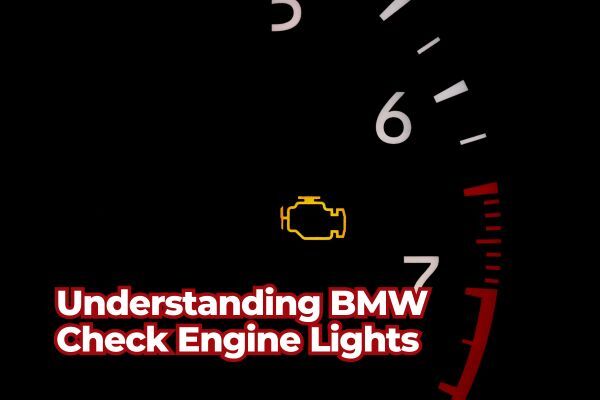
When that dreaded BMW check engine light illuminates on your dashboard, it can trigger immediate concern and anxiety. This amber-colored warning indicator, officially known as the malfunction indicator lamp (MIL), serves as your vehicle’s primary communication system for alerting you to potential issues within the engine management system. Understanding what triggers this light, how to diagnose the underlying problems, and knowing the appropriate steps to take can save you significant time, money, and stress while protecting your vehicle’s longevity and performance.
What Is the BMW Check Engine Light and Why Does It Turn On?
The BMW check engine light represents a sophisticated onboard diagnostic system that continuously monitors your vehicle’s engine performance, emissions control systems, and various electronic components. Modern BMW vehicles utilize an advanced computer system called the Engine Control Unit (ECU) or Engine Control Module (ECM) that receives input from dozens of sensors strategically placed throughout the engine and exhaust system. When any of these sensors detect readings that fall outside the predetermined acceptable ranges programmed by BMW engineers, the system triggers the check engine warning light to alert the driver of a potential malfunction.
The primary function of this warning system extends beyond simple mechanical failure detection. The BMW engine warning light plays a crucial role in emissions control compliance, ensuring your vehicle meets environmental regulations while maintaining optimal fuel efficiency and engine performance. The system can detect issues ranging from minor problems like a loose gas cap to severe malfunctions such as catalytic converter failure or engine misfires that could cause permanent damage if left unaddressed.
BMW’s diagnostic system stores specific diagnostic trouble codes (DTCs) whenever the check engine light activates. These alphanumeric codes follow a standardized format established by the Society of Automotive Engineers (SAE), with BMW also incorporating manufacturer-specific codes for proprietary systems. The codes begin with a letter indicating the affected system—P for powertrain, B for body, C for chassis, and U for network communication—followed by four digits that specify the exact nature and location of the detected problem.
Common Causes of BMW Check Engine Light Activation
Oxygen Sensor Failures
Oxygen sensor malfunctions represent one of the most frequent causes of BMW check engine light activation, accounting for approximately 10-15% of all diagnostic codes according to automotive repair statistics. BMW vehicles typically feature multiple oxygen sensors positioned before and after the catalytic converter in the exhaust system. These sensors measure the oxygen content in the exhaust gases, allowing the ECU to adjust the air-fuel mixture for optimal combustion efficiency. When an oxygen sensor fails or provides inaccurate readings, the engine cannot maintain proper fuel mixture ratios, resulting in decreased fuel economy, increased emissions, and potential damage to the catalytic converter over time. Symptoms accompanying oxygen sensor failure often include rough idling, hesitation during acceleration, and noticeably reduced gas mileage that can decrease efficiency by 20% or more.
Catalytic Converter Problems
The catalytic converter serves as a critical emissions control component that converts harmful pollutants in exhaust gases into less harmful substances through chemical reactions. BMW catalytic converters contain precious metals like platinum, palladium, and rhodium that facilitate these reactions. When the check engine light indicates catalytic converter inefficiency or failure, the underlying cause often traces back to prolonged neglect of other maintenance issues, particularly oxygen sensor failures or engine misfires that allow unburned fuel to enter the exhaust system. A failing catalytic converter produces distinctive symptoms including a sulfur or rotten egg smell from the exhaust, significantly reduced engine performance especially during acceleration, rattling noises from underneath the vehicle, and dramatically decreased fuel economy. Replacement costs for BMW catalytic converters can range from $1,500 to $3,500 depending on the model and configuration.
Mass Airflow Sensor Issues
The mass airflow (MAF) sensor measures the volume and density of air entering the engine, providing essential data that the ECU uses to calculate the appropriate amount of fuel injection. Located in the air intake system between the air filter and throttle body, this sensor can become contaminated with dirt, oil residue from over-oiled aftermarket air filters, or carbon deposits over time. When the MAF sensor provides incorrect readings or fails completely, the engine computer cannot properly calibrate the fuel mixture, leading to rich or lean running conditions. Common symptoms of MAF sensor problems include rough or unstable idle, difficulty starting the engine especially when cold, hesitation or stumbling during acceleration, black smoke from the exhaust indicating rich fuel mixture, and the check engine light accompanied by codes such as P0171 (system too lean) or P0174 (system too lean bank 2).
Spark Plug and Ignition Coil Failures
BMW engines rely on precise ignition timing and strong spark energy to achieve complete combustion of the air-fuel mixture in each cylinder. Spark plugs and ignition coils work in tandem to create the electrical arc necessary for ignition. BMW vehicles, particularly models with high-performance engines, place significant demands on these ignition components. Spark plugs gradually wear down over time as the electrode material erodes, increasing the gap and weakening the spark. Ignition coils can fail due to heat stress, vibration, or internal electrical breakdowns. When spark plugs or coils malfunction, the engine experiences misfires—incomplete combustion events that trigger the check engine light while often causing it to flash, indicating severe misfires that can damage the catalytic converter. Drivers typically notice rough engine operation, loss of power, increased fuel consumption, and sometimes a distinctive smell of unburned gasoline from the exhaust.
Vacuum Leaks and Hose Problems
The engine vacuum system in BMW vehicles consists of numerous rubber hoses and connections that control various functions including brake assist, emissions control, and fuel pressure regulation. These rubber components deteriorate over time due to heat exposure, age, and environmental factors, developing cracks, brittleness, or complete separation. When vacuum leaks occur, unmetered air enters the engine, disrupting the carefully calibrated air-fuel ratio that the engine computer expects. The oxygen sensors detect this lean condition and trigger the check engine light, typically accompanied by codes indicating lean fuel trim conditions. Symptoms of vacuum leaks include high or erratic idle speed, hissing sounds from the engine compartment, decreased engine performance, and rough running especially at idle or low speeds.
Fuel System Component Failures
Fuel system problems encompassing fuel pump failures, clogged fuel filters, or malfunctioning fuel injectors can trigger the BMW check engine light while causing various performance issues. The fuel pump delivers gasoline from the tank to the engine at precise pressure levels, while fuel injectors atomize and spray fuel directly into the combustion chambers or intake manifold depending on the engine design. Modern BMW direct injection systems operate at extremely high pressures, sometimes exceeding 2,000 psi, making them sensitive to fuel quality and contamination. When fuel system components fail, the engine cannot receive adequate fuel delivery, resulting in lean running conditions, misfires, difficulty starting, loss of power under load, and eventual check engine light activation with codes related to fuel pressure, injector performance, or fuel trim corrections.
How to Diagnose Your BMW Check Engine Light
Using an OBD-II Scanner
The most effective first step in diagnosing a BMW check engine light involves using an On-Board Diagnostics II (OBD-II) scanner to retrieve stored diagnostic trouble codes from the vehicle’s computer system. Every BMW manufactured after 1996 features a standardized OBD-II port typically located beneath the driver’s side dashboard near the steering column. While basic code readers available at auto parts stores for $20-$100 can retrieve generic powertrain codes, serious BMW owners and enthusiasts often invest in BMW-specific diagnostic tools or professional-grade scanners that can access manufacturer-specific codes, view live data streams, perform component tests, and provide more detailed information about stored codes including freeze frame data that captures engine operating conditions at the moment the code was set.
Popular OBD-II scanner options include basic code readers like the Actron CP9690 or Innova 3160g for casual users, mid-range scanners like the Autel MaxiCOM series that offer enhanced functionality and manufacturer-specific capabilities, and professional-grade tools like the Snap-on MODIS or Bosch ADS 625 used by dealerships and independent repair shops. For BMW-specific diagnostics, many owners prefer dedicated BMW scanning software such as INPA, Rheingold, or ISTA that runs on laptop computers and connects through specialized USB-to-OBD cables, providing comprehensive access to all vehicle systems beyond just the engine computer.
Understanding Diagnostic Trouble Codes
Diagnostic trouble codes follow a standardized five-character format that conveys specific information about detected malfunctions. The first character indicates the affected system: P for powertrain (engine and transmission), B for body systems, C for chassis systems, and U for network communication issues. The second digit specifies whether the code is generic (0) following SAE standards or manufacturer-specific (1) unique to BMW. The third digit identifies the subsystem affected, such as fuel and air metering (1), ignition system (3), or emissions control (4). The final two digits pinpoint the specific fault detected. For example, code P0171 breaks down as: P (powertrain), 0 (generic), 1 (fuel and air metering), 71 (system too lean, bank 1).
Common BMW check engine light codes include P0171/P0174 indicating lean fuel trim conditions often caused by vacuum leaks or MAF sensor issues, P0300 series codes signaling engine misfires with the last digit identifying the specific cylinder, P0420/P0430 codes indicating catalytic converter efficiency below threshold, P0128 showing the engine coolant not reaching proper operating temperature possibly due to thermostat failure, and P0401 indicating insufficient exhaust gas recirculation flow. Understanding these codes provides valuable diagnostic direction, though proper diagnosis requires considering the codes in context with symptoms, operating conditions, and potentially multiple related codes that paint a complete picture of the underlying problem.
Professional Diagnostic Services
While DIY code reading provides valuable initial information about BMW engine light problems, complex issues often require professional diagnostic expertise and equipment. BMW dealerships and specialized independent repair shops possess factory-level diagnostic tools, technical service bulletins documenting known issues and recommended repairs, access to BMW engineering resources, and trained technicians with extensive experience working specifically on BMW vehicles. Professional diagnostics typically involve comprehensive testing beyond simple code reading, including analyzing live data streams to observe sensor readings during various operating conditions, performing component-specific tests such as compression testing or fuel pressure measurements, checking for technical service bulletins or software updates that address known issues, and using oscilloscopes or other specialized equipment to diagnose intermittent electrical problems.
The cost of professional BMW diagnostic services varies significantly depending on location and shop type. BMW dealerships typically charge $150-$250 for diagnostic services, while independent BMW specialists often offer similar expertise at $100-$175 per diagnostic hour. Some shops waive diagnostic fees if you proceed with recommended repairs, while others charge separately regardless of whether repairs are performed. When selecting a diagnostic service provider, consider factors beyond just price, including BMW-specific experience and certification, availability of proper diagnostic equipment, customer reviews and reputation, warranty coverage on diagnostic work and subsequent repairs, and clear communication about findings and recommendations.
Step-by-Step Guide to Reading BMW Check Engine Codes
Retrieving diagnostic codes from your BMW requires following a systematic process that ensures accurate code reading and proper interpretation. Begin by locating the OBD-II diagnostic port, which in most BMW models sits under the driver’s side dashboard to the left of the steering column, though some models position it differently. With the vehicle in park (automatic) or neutral (manual) and the parking brake engaged, turn the ignition to the ON position without starting the engine, allowing the vehicle’s electrical systems to power up completely. Connect your OBD-II scanner firmly to the diagnostic port, ensuring a secure connection that won’t disconnect during the reading process.
Follow your scanner’s specific menu prompts to access the diagnostic code reading function, typically labeled as “Read Codes” or “Scan Vehicle.” The scanner will communicate with your BMW’s engine computer and retrieve all stored diagnostic trouble codes, including current codes that are presently triggering the check engine light and pending codes that have been detected but haven’t yet met the criteria to illuminate the warning light. Write down all retrieved codes along with their descriptions, as you’ll need this information for research and repair planning. Many scanners also provide freeze frame data showing engine operating conditions—speed, load, coolant temperature, and other parameters—at the exact moment each code was set, offering valuable diagnostic clues.
After recording the codes, research each one using online resources like the BMW check engine light diagnostic database or manufacturer-specific repair information. Look for patterns such as multiple codes related to the same system suggesting a common root cause, or codes that logically connect to explain a cascade of failures. Before clearing codes to reset the check engine light, consider that erasing codes also deletes valuable diagnostic information including freeze frame data, and the light will simply return if the underlying problem persists. Most experienced technicians recommend addressing the root cause first, then clearing codes to verify the repair resolved the issue.
BMW Check Engine Light Repair Costs and Solutions
DIY Repairs vs. Professional Service
The decision between DIY repairs and professional service for BMW check engine light issues depends on multiple factors including the specific problem diagnosed, your mechanical skill level and tool availability, time constraints, and the potential consequences of incorrect repairs. Some common BMW check engine light problems lend themselves well to DIY repairs for moderately skilled enthusiasts. These include replacing spark plugs which requires basic hand tools and typically costs $100-$200 for parts compared to $300-$500 at a shop, cleaning or replacing the MAF sensor at $50-$200 for parts versus $200-$400 professionally, fixing vacuum leaks after careful inspection at $20-$100 for replacement hoses versus $200-$500 for professional diagnosis and repair, replacing the gas cap for $15-$40 compared to $50-$100 at a shop, and clearing minor codes after addressing simple issues using an inexpensive code reader.
Professional repairs become necessary or advisable for complex problems requiring specialized knowledge, diagnostic equipment, or tools that most home mechanics don’t possess. These situations include catalytic converter replacement involving exhaust system work and emissions compliance testing, electrical system diagnoses requiring advanced testing equipment and wiring diagrams, transmission-related codes necessitating specialized transmission diagnostic tools and knowledge, engine mechanical problems such as internal component failures or timing system issues, and any situation where misdiagnosis or incorrect repairs could cause additional expensive damage. Many BMW owners find that a hybrid approach works best—using DIY code reading for initial diagnosis, researching the problem thoroughly online through BMW enthusiast forums and technical resources, then consulting with professional shops for complex repairs while possibly performing simpler preliminary or follow-up work themselves.
Typical Repair Costs by Problem Type
Understanding expected BMW check engine light repair costs helps with budgeting and evaluating repair estimates. The following cost ranges reflect typical market prices including parts and labor, though actual costs vary significantly based on location, shop rates, vehicle model, and specific circumstances. Oxygen sensor replacement typically runs $200-$500 per sensor with most BMWs having two to four sensors, making complete replacement potentially costly at $800-$2,000 for all sensors though single sensor failure is more common. Catalytic converter replacement represents one of the most expensive check engine light repairs at $1,500-$3,500 depending on whether your BMW has one or multiple converters and whether you choose OEM or high-quality aftermarket parts.
Mass airflow sensor replacement costs $200-$600 depending on whether cleaning resolves the issue or complete replacement becomes necessary. Spark plug and ignition coil replacement varies by engine configuration, with four-cylinder engines requiring less investment at $300-$600 for a complete set of plugs and coils, while six-cylinder models run $500-$900 and eight-cylinder engines can exceed $1,000-$1,500 for complete ignition system renewal. Vacuum leak repairs range dramatically from $50-$150 for simple hose replacements that DIY owners can easily perform, to $500-$1,200 for complex intake manifold gasket replacements requiring significant disassembly. Fuel pump replacement costs $800-$1,500 including the pump assembly and labor for fuel tank access, while fuel injector replacement or cleaning services run $300-$800 depending on whether professional cleaning solves the problem or individual injector replacement becomes necessary.
Preventive Maintenance to Avoid Check Engine Light Issues
Preventive maintenance represents the most cost-effective approach to minimizing BMW check engine light problems and extending vehicle reliability. Following BMW’s recommended maintenance schedule provides the foundation for preventing many common issues that trigger warning lights. Critical maintenance items include oil changes using BMW-approved synthetic oil specifications at intervals not exceeding 7,500-10,000 miles despite BMW’s extended service intervals, as shorter intervals promote engine longevity especially in turbocharged models that place additional stress on engine oil. Air filter replacement every 15,000-30,000 miles prevents contamination of the mass airflow sensor while ensuring proper air flow and combustion efficiency.
Fuel system maintenance including fuel filter replacement every 30,000-50,000 miles prevents contamination from reaching fuel injectors, while periodic fuel injector cleaning services using quality detergent additives or professional cleaning equipment maintains optimal spray patterns and prevents carbon buildup. Spark plug replacement following BMW’s recommendations typically at 60,000-100,000 mile intervals depending on spark plug type and engine model prevents misfires and ensures complete combustion. Cooling system maintenance including coolant flushes every 2-4 years using BMW-approved coolant prevents thermostat failures and overheating conditions that can trigger check engine lights. Regular inspection of vacuum hoses, intake boots, and rubber components allows early detection of deterioration before complete failures occur.
BMW Models Most Affected by Check Engine Light Problems
E46 3 Series (1999-2005)
The BMW E46 3 Series generation developed a reputation for specific check engine light problems that owners should monitor closely. These popular models frequently experience vacuum leak issues particularly from the intake boot connecting the mass airflow sensor to the throttle body, developing cracks and tears that allow unmetered air into the engine causing lean fuel trim codes. Secondary air injection system failures represent another common E46 problem, with the electric air pump and associated valves failing and triggering check engine lights along with emissions test failures in states requiring emissions testing. VANOS system problems affecting BMW’s variable valve timing mechanism can cause rough running, loss of power, and check engine light activation due to worn seals or solenoid failures.
E46 cooling system components including expansion tanks, water pumps, and thermostats commonly fail, and when the thermostat sticks open preventing proper engine warm-up, code P0128 triggers the check engine light while significantly impacting fuel economy and heater performance. Oxygen sensor failures occur frequently in E46 models with higher mileage, particularly the downstream sensors positioned after the catalytic converters. Despite these known issues, the E46 remains beloved for its driving dynamics and with proper maintenance and addressing common problems proactively, these vehicles can provide reliable long-term service.
E90 3 Series (2006-2013)
The E90 generation 3 Series introduced advanced technology including widespread use of direct fuel injection and turbocharging, bringing new check engine light challenges. High-pressure fuel pump failures became notorious in early N54 and N55 turbocharged engines, causing fuel pressure-related codes, rough running, and potentially leaving drivers stranded. BMW issued recalls and extended warranties for some affected vehicles, though many owners still faced expensive out-of-pocket repairs costing $1,000-$1,500. Wastegate rattle and turbocharger problems plague N54 and N55 engines, with failing wastegate actuators causing overboost or underboost conditions that trigger check engine lights and dramatic performance changes.
Valve cover and oil filter housing gasket leaks commonly develop in E90 models, and while not always immediately triggering check engine lights, oil leaks onto hot exhaust components create burning oil smells and potential fire hazards while eventually leading to oxygen sensor contamination and associated codes. Carbon buildup on intake valves represents a significant issue in direct injection engines that don’t benefit from fuel washing over intake valves, eventually causing rough idle, misfires, and check engine lights that require expensive walnut blasting cleaning services costing $500-$800. Coolant system expansion tanks crack frequently, leading to overheating conditions and potential severe engine damage if not addressed promptly when the check engine light appears alongside temperature warnings.
F30 3 Series (2012-2019)
F30 3 Series models continued BMW’s technology advancement with increasingly complex engines and electronic systems that sometimes create unique check engine light scenarios. Turbocharger wastegate position sensor failures occur in B58 and B48 engines, triggering persistent check engine lights even when turbos function normally, frustrating owners with intermittent codes that clear temporarily only to return. Timing chain issues affecting some B48 four-cylinder engines cause rattling noises on cold starts and can trigger check engine lights related to camshaft position correlation, potentially requiring expensive timing chain replacement if caught late.
Fuel injector problems particularly in high-pressure direct injection systems cause misfires and check engine lights, sometimes requiring multiple injector replacements that cost $200-$400 per injector plus labor. Battery registration issues unique to BMW’s intelligent battery management system can trigger multiple electrical system codes and check engine lights after battery replacement if proper coding procedures aren’t followed. Despite these concerns, F30 models generally demonstrate improved reliability compared to earlier generations, particularly when owners stay current with software updates and maintenance requirements.
Understanding BMW Check Engine Light Colors and Behaviors
Solid vs. Flashing Check Engine Light
The BMW check engine light behavior provides crucial information about problem severity and urgency of repairs. A solid, steady amber check engine light indicates the onboard diagnostic system has detected a malfunction that affects emissions or vehicle performance but doesn’t pose an immediate threat to engine safety. This condition allows continued vehicle operation, though addressing the underlying problem soon prevents potential additional damage, failed emissions tests, and reduced fuel economy. Most oxygen sensor failures, small vacuum leaks, and minor fuel trim issues trigger solid check engine lights that, while requiring attention, don’t necessitate immediate vehicle shutdown.
A flashing or blinking BMW check engine light signals a severe engine misfire occurring in real-time, representing a critical situation requiring immediate attention. Severe misfires allow unburned fuel to enter the exhaust system where it can ignite inside the catalytic converter, generating extreme temperatures exceeding 1,400 degrees Fahrenheit that can melt the converter’s internal ceramic substrate, causing complete failure and repair costs often exceeding $2,000. When you observe a flashing check engine light, reduce vehicle speed immediately, avoid heavy acceleration or high engine loads, and seek repair services as quickly as possible. Many BMW owners make the critical error of continuing to drive with a flashing check engine light, converting what might have been a $300 spark plug and coil replacement into a $3,000 catalytic converter disaster.
Additional Warning Lights and Their Meanings
BMW vehicles often display multiple warning lights simultaneously when certain problems develop, helping identify specific issues more precisely than the check engine light alone. The EML (Engine Management Light) or reduced engine power warning sometimes appears alongside the check engine light when the engine computer activates limp mode—a protective strategy that limits engine power, throttle response, and maximum RPM to prevent damage. Limp mode activation typically results from serious faults like throttle body failures, major sensor malfunctions, or transmission problems that the computer deems potentially damaging if full engine capability remains available.
The drivetrain warning light (a yellow or amber circle containing an exclamation point inside a gear) indicates problems with transmission, all-wheel drive systems, or electronic drivetrain management, frequently appearing with check engine lights when transmission-related diagnostic codes trigger. Emissions workshop warnings specifically point toward emissions control system failures like catalytic converter efficiency problems, EVAP system leaks, or secondary air injection malfunctions. When multiple warning lights appear together, this often indicates either a serious single failure affecting multiple systems, or a cascade of related problems that share a common root cause requiring comprehensive diagnosis rather than addressing symptoms individually.
Advanced BMW Check Engine Light Troubleshooting
Live Data Analysis and Fuel Trims
Understanding live data parameters from your BMW’s engine computer provides diagnostic insights beyond basic trouble codes. Experienced technicians rely heavily on analyzing real-time sensor readings to pinpoint problems that may not generate specific codes or to distinguish between multiple possible causes of a particular code. Short-term fuel trim (STFT) and long-term fuel trim (LTFT) values reveal how much the engine computer adjusts fuel delivery to maintain proper air-fuel ratios, with normal values ranging from -10% to +10%. Negative fuel trim values indicate the computer reducing fuel delivery because the mixture runs rich, possibly due to a leaking fuel injector, failed oxygen sensor reading incorrectly lean, or a contaminated MAF sensor over-reporting air flow.
Positive fuel trim values show the computer adding extra fuel to compensate for a lean condition caused by vacuum leaks, weak fuel pressure, clogged fuel injectors, or exhaust leaks before oxygen sensors allowing outside air to enter the exhaust stream. Extreme fuel trim values exceeding ±20% indicate serious problems the engine computer can barely compensate for, often triggering lean or rich fuel trim codes (P0171, P0172, P0174, P0175). Monitoring fuel trims while driving under various conditions—idle, light acceleration, highway cruise, and wide-open throttle—helps isolate whether problems occur under specific loads or persist constantly, dramatically narrowing diagnostic possibilities.
Intermittent vs. Persistent Codes
Intermittent BMW check engine light problems present some of the most challenging diagnostic scenarios, where lights illuminate then disappear without obvious patterns. The onboard diagnostic system requires specific conditions called “drive cycles” to set codes and illuminate warning lights, and problems that occur inconsistently may not meet these criteria during every trip. Temperature-related failures that only occur when components reach certain temperatures, vibration-induced electrical connector problems that create momentary open circuits, and failing components that work correctly sometimes but fail unpredictably all contribute to intermittent check engine lights frustrating owners and technicians alike.
Diagnostic strategies for intermittent problems include monitoring freeze frame data that captures exact operating conditions when codes set, helping recreate those conditions during testing. Checking for technical service bulletins addressing intermittent issues in specific BMW models often reveals known problems with recommended repair procedures. Performing thorough visual inspections of wiring harnesses, connectors, and components looking for signs of wear, corrosion, or damage that might cause intermittent failures. Some repair shops use extended data logging over multiple drive cycles to capture elusive problems that don’t occur during short test drives. Understanding that some intermittent problems require component replacement based on probability and symptom patterns even without definitive testing results, especially for known failure-prone components in specific BMW models.
The Role of Software Updates in BMW Check Engine Light Issues
Software and firmware updates for BMW engine control modules and related systems sometimes resolve check engine light problems without requiring physical component repairs. BMW periodically releases updated calibrations that address known issues, improve performance, refine fuel delivery strategies, and correct programming errors that cause false diagnostic codes. Some BMW check engine light problems result entirely from software bugs or calibration issues rather than actual hardware failures. For example, certain E90 3 Series models with N54 engines experienced persistent lean fuel trim codes that BMW resolved through ECU software updates modifying fuel trim adaptation strategies and oxygen sensor monitoring parameters.
Accessing BMW software updates typically requires visiting a BMW dealership or independent shop with BMW factory diagnostic equipment and access to BMW’s technical network. Software update costs vary from complimentary when BMW issues recalls or customer care programs addressing widespread problems, to $150-$300 when shops charge for diagnostic time and update installation. Before replacing expensive components for persistent check engine light codes, checking for applicable software updates proves worthwhile and potentially saves thousands of dollars in unnecessary repairs. Online BMW forums and enthusiast communities often share information about software updates addressing specific problems, helping owners determine whether updates might resolve their particular check engine light issues before authorizing extensive diagnostic work or part replacements.
BMW Check Engine Light and Emissions Testing
Emissions testing requirements in many states create additional pressure to resolve BMW check engine light issues, as vehicles cannot pass emissions inspections with illuminated check engine lights regardless of actual emissions output. The OBD-II portion of emissions testing involves connecting to the diagnostic port and verifying no stored diagnostic trouble codes, no illuminated malfunction indicator lamp, and completion of all required readiness monitors demonstrating the vehicle’s emission control systems have undergone proper self-testing. Even if your BMW’s actual tailpipe emissions fall well below legal limits, an illuminated check engine light results in automatic inspection failure in most jurisdictions.
Readiness monitors complicate emissions testing scenarios where recent repairs or code clearing occurred shortly before inspection. BMW vehicles require specific drive cycles under varying conditions—cold starts, highway speeds, idle periods, and multiple operating temperature ranges—for readiness monitors to complete their self-tests and report “ready” status. Simply clearing check engine light codes immediately before emissions testing proves futile as incomplete readiness monitors cause automatic inspection failure in most testing programs. Preparing for emissions testing with a BMW check engine light history requires allowing adequate drive time after repairs, typically 50-150 miles under varied conditions, ensuring all readiness monitors complete their protocols before scheduling inspection appointments.
Impact of BMW Check Engine Light on Vehicle Performance
Performance degradation accompanying BMW check engine light activation varies dramatically depending on the underlying cause and whether the engine computer implements protective measures like limp mode. Minor problems like small evaporative emissions leaks or marginal oxygen sensor degradation might cause no noticeable performance changes, with the check engine light serving as an early warning before issues worsen. Moderate problems including single cylinder misfires, vacuum leaks, or MAF sensor failures typically produce observable symptoms like rough idle, hesitation during acceleration, reduced fuel economy by 10-20%, and diminished power output particularly during high-demand situations like merging onto highways or climbing steep grades.
Severe issues triggering limp mode or affecting multiple cylinders dramatically impact drivability, limiting maximum speed to 40-50 mph, restricting engine RPM to 3,000-4,000 depending on the specific problem, eliminating turbo boost in forced-induction engines, and creating rough, unstable engine operation that makes even low-speed driving unpleasant. Failed catalytic converters create tremendous exhaust back pressure that suffocates engine breathing, sometimes limiting power output by 50% or more and making normal highway speeds impossible to maintain. Understanding the performance impact of specific problems helps prioritize repairs and determine whether immediate roadside assistance becomes necessary versus continuing to drive carefully to a repair facility.
Long-Term Consequences of Ignoring BMW Check Engine Lights
Delaying repairs for BMW check engine light problems often transforms minor issues into expensive catastrophes through cascading failures and collateral damage. The most dramatic example involves ignoring misfires, where a simple $200 spark plug and coil replacement evolves into a $2,500 bill including melted catalytic converter replacement after continued operation with severe misfires. Failing oxygen sensors force the engine to operate in open-loop mode without proper feedback, causing rich fuel delivery that gradually damages catalytic converters, increases fuel consumption significantly, and eventually triggers catalytic converter efficiency codes requiring expensive repairs. Vacuum leaks left unaddressed force long-term lean operation that increases combustion temperatures, potentially causing piston damage, cylinder head warping, or valve burning requiring engine rebuild costs exceeding $5,000-$10,000 in worst-case scenarios.
Preventable transmission damage sometimes results from engine problems that create violent driveline vibrations or impose extreme loads transmission components weren’t designed to handle. Insurance and warranty complications can arise when check engine light issues contribute to more severe failures, as some policies exclude coverage for consequential damage resulting from deferred maintenance or ignored warning indicators. Resale value suffers when vehicle history reports show extended periods with unaddressed check engine lights, making potential buyers suspicious of overall vehicle care and maintenance standards. The false economy of delaying repairs almost always costs more in the long run compared to addressing problems promptly when they first appear.
BMW Check Engine Light Reset Procedures
Resetting the check engine light after completing repairs verifies the problem resolution and allows the onboard diagnostic system to begin monitoring again with a clean slate. The most reliable reset method involves using an OBD-II scanner’s code clearing function, which erases stored diagnostic trouble codes and resets readiness monitors, requiring subsequent drive cycles to re-establish monitor completion status. This method provides certainty that codes cleared successfully and allows verification that lights don’t immediately return when the ignition cycles. An alternative manual reset procedure involves disconnecting the battery negative terminal for 15-30 minutes, though this method also erases all learned engine parameters, radio presets, and electronic system settings, requiring relearning periods where the engine may run somewhat roughly until the computer reestablishes its adaptive values.
Temporary check engine light disappearance after battery disconnection doesn’t indicate successful problem resolution if the underlying issue persists. The diagnostic system requires specific conditions and drive cycles before re-triggering codes and illuminating warning lights, creating a false sense of security lasting anywhere from a few miles to several hundred miles depending on the problem nature. Proper diagnostic practice involves addressing root causes first, then clearing codes and performing verification drives under varied conditions to confirm repairs solved the problem before considering the issue truly resolved. Repeatedly clearing codes without fixing underlying problems serves no beneficial purpose and potentially masks serious issues requiring immediate attention.
BMW-Specific Check Engine Light Tools and Resources
BMW-specific diagnostic tools provide capabilities beyond generic OBD-II scanners, accessing manufacturer-proprietary systems and data streams unavailable through standard protocols. INPA (Interface for Programmable Applications) represents a popular enthusiast-level diagnostic software originally developed for BMW dealership use, now available through gray-market channels for use with compatible USB-to-OBD cables. INPA provides comprehensive access to all BMW control modules, real-time sensor data, component activation tests, and coding functions, though the interface appears dated and requires some technical knowledge to navigate effectively. Rheingold/ISTA represents BMW’s current dealer-level diagnostic and programming platform, offering the most comprehensive access to vehicle systems including software updates, complete vehicle coding, and extensive diagnostic capabilities.
Consumer-grade BMW scanners like the Carly for BMW adapter and smartphone app combination provide user-friendly interfaces for code reading, live data monitoring, and some coding functions at affordable price points around $70-$100. The Schwaben by Foxwell scanner specifically designed for BMW, MINI, and Rolls-Royce vehicles offers excellent middle-ground capabilities including comprehensive code reading, component testing, oil service resets, and battery registration at prices typically under $200. Online resources supporting BMW check engine light diagnosis include Bimmerforums.com hosting active communities discussing specific problems and solutions, Bimmerpost.com providing detailed technical discussions and repair documentation, and various BMW model-specific forums where owners share experiences and repair procedures for common issues affecting their particular vehicles.
Table: Common BMW Check Engine Light Codes and Meanings
| Code | Description | Common Causes | Typical Repair Cost |
|---|---|---|---|
| P0171 | System Too Lean (Bank 1) | Vacuum leaks, MAF sensor failure, fuel pressure issues | $150-$800 |
| P0174 | System Too Lean (Bank 2) | Vacuum leaks, MAF sensor failure, intake manifold leaks | $150-$800 |
| P0300 | Random/Multiple Cylinder Misfire Detected | Spark plugs, ignition coils, fuel quality, vacuum leaks | $200-$1,000 |
| P0420 | Catalyst System Efficiency Below Threshold (Bank 1) | Failed catalytic converter, oxygen sensor failure | $400-$2,500 |
| P0430 | Catalyst System Efficiency Below Threshold (Bank 2) | Failed catalytic converter, oxygen sensor failure | $400-$2,500 |
| P0128 | Coolant Thermostat Temperature Below Regulating Temperature | Stuck-open thermostat, faulty coolant temperature sensor | $200-$500 |
| P0401 | Exhaust Gas Recirculation Flow Insufficient | EGR valve failure, carbon buildup, vacuum line problems | $250-$800 |
| P0171 | Fuel System Too Lean | Vacuum leaks, weak fuel pump, clogged injectors | $150-$1,200 |
| P0455 | Evaporative Emission Control System Leak Detected (Large Leak) | Loose or faulty gas cap, EVAP system leaks, purge valve failure | $20-$600 |
| P0506 | Idle Control System RPM Lower Than Expected | Vacuum leaks, throttle body carbon buildup, idle control valve | $150-$500 |
Frequently Asked Questions About BMW Check Engine Light
What does it mean when my BMW check engine light comes on?
When your BMW check engine light illuminates, it indicates your vehicle’s onboard diagnostic system has detected a malfunction affecting engine performance, emissions control, or related systems. The light serves as an early warning system alerting you to problems ranging from minor issues like a loose gas cap to serious malfunctions requiring immediate attention. The specific cause can only be determined by retrieving diagnostic trouble codes using an OBD-II scanner or professional diagnostic equipment.
Can I drive my BMW with the check engine light on?
Driving with a BMW engine warning light depends entirely on the light’s behavior and accompanying symptoms. A solid, steady check engine light typically allows continued operation though repairs should be scheduled soon to prevent potential damage progression. However, a flashing check engine light indicates severe engine misfires requiring immediate attention—continuing to drive risks expensive catalytic converter damage. If the check engine light appears alongside other warnings like oil pressure, temperature, or brake system lights, stop driving immediately and seek assistance. For general information about engine maintenance, visit our general engine resources.
How much does it cost to diagnose a BMW check engine light?
Professional BMW check engine light diagnosis costs typically range from $100-$250 depending on whether you visit an independent BMW specialist or dealership. Many auto parts stores offer free basic code reading, though this only retrieves codes without providing comprehensive diagnosis, interpretation, or testing to verify the root cause. Some repair shops waive diagnostic fees when you authorize recommended repairs, while others charge separately regardless of whether you proceed with service.
Can a BMW check engine light reset itself?
The BMW check engine light can turn off automatically if the problem resolves itself and the onboard diagnostic system completes successful monitoring cycles without detecting the fault again. This commonly occurs with temporary issues like loose gas caps that get properly tightened, or intermittent connection problems that temporarily correct themselves. However, the diagnostic codes remain stored in the vehicle’s computer memory even after the light extinguishes, and the problem will likely return if the underlying cause persists. Proper diagnosis and repair remain necessary even when lights turn off spontaneously.
What’s the difference between a solid and flashing BMW check engine light?
A solid BMW check engine light indicates detected malfunctions affecting emissions or performance but not posing immediate danger to the engine, allowing continued operation though repairs should be addressed reasonably soon. A flashing check engine light signals severe engine misfires occurring in real-time, representing an emergency situation where continued operation can cause expensive catalytic converter damage requiring immediate reduction in speed and load followed by prompt repair services.
How do I clear my BMW check engine light?
Clearing a BMW check engine light properly requires first diagnosing and repairing the underlying problem, then using an OBD-II scanner to erase stored codes and reset the system. Simply clearing codes without fixing root causes results in the light returning once the diagnostic system detects the problem again. Alternative manual reset methods include disconnecting the battery negative terminal for 15-30 minutes, though this erases learned engine parameters and electronic settings requiring relearning periods.
Will my BMW pass emissions testing with the check engine light on?
No, vehicles cannot pass emissions testing in jurisdictions requiring OBD-II inspection when the check engine light is illuminated. Even if actual tailpipe emissions fall within acceptable limits, an active malfunction indicator lamp causes automatic inspection failure. Additionally, recently cleared codes leave readiness monitors incomplete, also causing inspection failure until the vehicle completes sufficient drive cycles allowing monitors to run their self-tests and report ready status.
What are the most common causes of BMW check engine lights?
The most common BMW check engine light triggers include oxygen sensor failures affecting air-fuel mixture monitoring, mass airflow sensor problems causing incorrect air volume readings, spark plug and ignition coil failures producing engine misfires, vacuum leaks introducing unmetered air into the intake system, catalytic converter efficiency deterioration from age or contamination, and fuel system problems including pump failures or injector malfunctions. Specific common causes vary somewhat by model generation and engine type.
Should I use a BMW dealership or independent shop for check engine light repairs?
Both BMW dealerships and specialized independent shops can effectively diagnose and repair check engine light problems. Dealerships offer factory-trained technicians, genuine OEM parts, comprehensive warranty coverage, and access to the latest technical information and software updates, typically at premium prices. Independent BMW specialists often provide comparable expertise and diagnostic capabilities at 20-30% lower labor rates while offering more flexible parts sourcing options including quality aftermarket components. For complex electrical issues or vehicles under warranty, dealerships often provide advantages, while independent shops excel for common mechanical repairs and routine maintenance.
How long can I drive with my BMW check engine light on before causing damage?
The safe driving duration with an illuminated BMW check engine light varies dramatically depending on the underlying cause. Minor issues like small EVAP system leaks or marginal oxygen sensor degradation allow extended operation measured in weeks or months without causing additional damage, though fuel economy and performance may suffer. Moderate problems including single cylinder misfires should be addressed within days to prevent catalytic converter damage. Severe issues like multiple cylinder misfires indicated by flashing check engine lights require immediate attention within minutes to hours to prevent expensive consequential damage. When uncertain about severity, obtaining prompt diagnosis provides peace of mind and prevents potential cascade failures.
Take Action on Your BMW Check Engine Light Today
Don’t let that BMW check engine light turn into an expensive repair nightmare. Whether you’re dealing with a solid warning light or a flashing emergency indicator, taking prompt action protects your investment and ensures your BMW continues delivering the performance and reliability you expect. Start by retrieving diagnostic codes using an OBD-II scanner to understand what your vehicle is telling you, research common causes specific to your BMW model and engine configuration, and schedule professional diagnosis if the problem exceeds your comfort level for DIY repairs.
Remember that addressing BMW check engine light issues promptly almost always costs less than waiting until small problems escalate into major failures. Your BMW’s sophisticated diagnostic system provides valuable early warnings designed to protect expensive components like catalytic converters, prevent being stranded by complete failures, and maintain optimal performance and fuel economy. Take advantage of online BMW communities, manufacturer resources, and trusted repair professionals to keep your ultimate driving machine running at its best.
Sources and Citations:
- BMW North America Technical Service Information
- Society of Automotive Engineers (SAE) OBD-II Standards
- National Institute for Automotive Service Excellence (ASE)
- BMW CCA Technical Articles and Forums