The Complete Guide to the 3126 Cat Engine: Performance, Reliability, and Maintenance
Understanding the Legacy of the 3126 CAT Engine
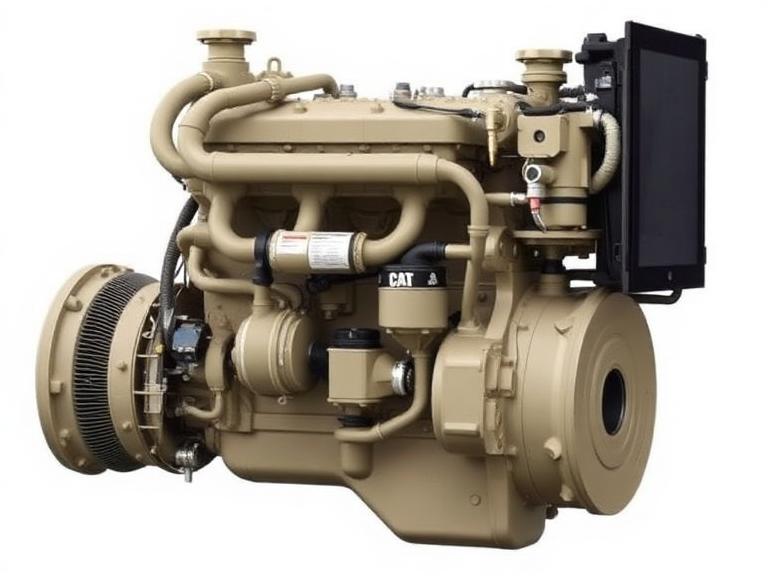
The 3126 CAT engine represents a significant chapter in Caterpillar’s legacy of diesel engine manufacturing. Introduced in the mid-1990s, this inline 6-cylinder, turbocharged diesel engine became a popular choice for medium-duty trucks, buses, and various industrial applications. The 3126 Caterpillar engine was designed to deliver reliable power output ranging from 170 to 330 horsepower, making it versatile enough for diverse commercial applications. Understanding the capabilities, common issues, and maintenance requirements of the 3126 cat engine is essential for operators, mechanics, and fleet managers who rely on these powerplants for their daily operations. This comprehensive guide explores everything from the engine’s specifications and performance characteristics to troubleshooting common problems and implementing effective maintenance strategies that extend the engine’s service life.
What is the 3126 CAT Engine? A Comprehensive Overview
The 3126 CAT engine is a 7.2-liter (439 cubic inch) inline 6-cylinder turbocharged diesel engine manufactured by Caterpillar Inc. from approximately 1997 to 2003. This engine was specifically engineered to meet the growing demand for cleaner, more efficient diesel engines while maintaining the durability and reliability that Caterpillar customers expected. The 3126 engine featured electronic controls through Caterpillar’s Programmable Electronic Engine Control (PEEC) system, which allowed for better fuel management, emissions control, and diagnostic capabilities compared to its mechanical predecessors. The engine was designed with a cast iron block and head, providing exceptional durability under demanding operating conditions. The Cat 3126 engine utilized a high-pressure fuel injection system with electronically controlled unit injectors, which delivered precise fuel metering and contributed to improved fuel economy and reduced emissions compared to older mechanical injection systems.
Key Specifications of the 3126 Caterpillar Engine
The technical specifications of the 3126 cat engine reveal why it became such a popular choice for medium-duty applications:
- Displacement: 7.2 liters (439 cubic inches)
- Configuration: Inline 6-cylinder
- Aspiration: Turbocharged and aftercooled
- Bore x Stroke: 4.33 inches x 5.00 inches (110 mm x 127 mm)
- Compression Ratio: 16.0:1
- Power Output: 170-330 horsepower (depending on rating)
- Torque Output: 420-860 lb-ft (depending on rating)
- Injection System: Electronic Unit Injector (EUI)
- Engine Control: PEEC (Programmable Electronic Engine Control)
- Weight: Approximately 1,350-1,450 pounds (dry weight)
- Emissions: Designed to meet EPA standards through 2003
Performance Characteristics and Applications of the Cat 3126
The 3126 cat engine was engineered to deliver consistent performance across a wide range of operating conditions and applications. The engine’s turbocharged and aftercooled design provided excellent power density, allowing it to produce substantial horsepower from a relatively compact package. The electronic fuel injection system enabled precise fuel delivery throughout the engine’s operating range, resulting in smooth power delivery and responsive throttle characteristics. The Cat 3126 was particularly well-suited for applications requiring moderate to heavy power outputs with excellent fuel efficiency, including delivery trucks, school buses, RVs, fire trucks, and industrial equipment. The engine’s broad torque curve made it especially effective in stop-and-go operations and applications requiring frequent acceleration and deceleration cycles.
Common Applications for the 3126 Caterpillar Engine
The versatility of the 3126 cat engine led to its adoption across numerous industries and vehicle types:
- Medium-Duty Trucks: Including delivery trucks, box trucks, flatbeds, and utility vehicles manufactured by companies like Freightliner, International, and Ford
- School Buses: Thomas Built, Blue Bird, and other bus manufacturers equipped their vehicles with the 3126 engine
- Recreational Vehicles: Many Class A and Class C motorhomes utilized the Cat 3126 engine for its combination of power and reliability
- Fire and Emergency Vehicles: Fire trucks and ambulances benefited from the engine’s reliable performance
- Construction Equipment: Various pieces of mobile construction equipment incorporated the 3126 powerplant
- Marine Applications: The engine was adapted for some marine installations requiring reliable auxiliary power
- Industrial Equipment: Generators, pumps, and other stationary equipment utilized the 3126 CAT engine
The Evolution: From 3116 to 3126 to C7
Understanding the 3126 cat engine requires context within Caterpillar’s engine development timeline. The 3126 engine represented a significant evolution from the mechanically-injected 3116 engine that preceded it. While the 3116 was a proven and reliable engine, the introduction of electronic controls in the 3126 Caterpillar engine marked Caterpillar’s transition toward modern engine management systems. The electronic unit injector system provided superior fuel atomization, precise injection timing, and better emissions control compared to the mechanical systems. However, the 3126 itself was eventually replaced by the C7 engine in 2003, which featured improved electronics, better emissions control to meet stricter EPA standards, and enhanced durability features. The C7 retained the same basic 7.2-liter displacement but incorporated lessons learned from the 3126 cat engine platform while addressing some of its known weaknesses.
Comparison Table: 3116 vs 3126 vs C7 Engines
| Feature | 3116 | 3126 | C7 |
|---|---|---|---|
| Production Years | 1988-1997 | 1997-2003 | 2003-2009 |
| Fuel System | Mechanical Injection | Electronic Unit Injector | HEUI (Hydraulic Electronic Unit Injector) |
| Control System | Mechanical | PEEC Electronic | ADEM Electronic |
| Horsepower Range | 170-300 HP | 170-330 HP | 190-350 HP |
| Emissions | Pre-EPA ’98 | EPA ’98-’03 | EPA ’04-’07 |
| Reliability Rating | Excellent | Good | Very Good |
| Maintenance Complexity | Simple | Moderate | Moderate-High |
Common Problems and Issues with the 3126 CAT Engine
While the 3126 cat engine earned a reputation for decent reliability, it also developed a track record of specific recurring issues that operators and mechanics should understand. One of the most significant problems associated with the Cat 3126 engine involves the electronic unit injectors, which can fail prematurely due to contaminated fuel, inadequate fuel pressure, or electronic control issues. Injector failures often manifest as rough running, poor fuel economy, excessive smoke, and loss of power. Another common issue involves the high-pressure oil pump, which supplies oil pressure to operate the injectors—when this pump fails or loses pressure, the engine will not run properly or may not start at all. The 3126 Caterpillar engine also gained notoriety for head gasket failures, particularly in higher-mileage engines or those subjected to overheating conditions, with symptoms including coolant loss, white exhaust smoke, and coolant mixing with engine oil.
Top 10 Known Issues with the 3126 Cat Engine
- Electronic Unit Injector Failures: Injectors can fail due to contamination, electrical issues, or wear, requiring expensive replacement
- High-Pressure Oil Pump Problems: Pump failures result in loss of injection pressure and engine performance issues
- Head Gasket Failures: Particularly common in engines with higher mileage or overheating history
- Turbocharger Issues: Worn or failed turbochargers reduce power output and increase exhaust smoke
- Cooling System Problems: Radiator, water pump, and thermostat failures can lead to overheating and engine damage
- HEUI Pump Seal Leaks: Oil leaks from the high-pressure pump seals require seal replacement
- Wiring Harness Degradation: Electrical connections can corrode or break, causing intermittent problems
- Sensor Failures: Various sensors (oil pressure, coolant temperature, position sensors) can fail and trigger fault codes
- Air System Leaks: Leaking intake manifold gaskets or turbo connections reduce engine efficiency
- Fuel System Contamination: Water or debris in the fuel system can damage injectors and cause performance issues
Maintenance Requirements for Optimal 3126 Engine Performance
Proper maintenance is absolutely critical for maximizing the service life and reliability of the 3126 cat engine. Regular oil changes using the correct specification oil (typically 15W-40 diesel engine oil meeting API CJ-4 or better) should be performed every 10,000-15,000 miles or as specified by the manufacturer, though more frequent changes may be warranted in severe service conditions. The fuel system requires particular attention—using clean, high-quality diesel fuel and replacing fuel filters at recommended intervals (typically every 15,000-25,000 miles) helps prevent injector damage and maintains optimal performance. The Cat 3126 engine cooling system should be serviced regularly, with coolant changed every 2-3 years using extended-life coolant that meets Caterpillar specifications to prevent corrosion and maintain proper heat transfer. Air filter maintenance is equally important, as restricted air flow can reduce power output and increase exhaust gas temperatures, potentially causing turbocharger damage.
Essential Maintenance Schedule for the 3126 Caterpillar Engine
| Maintenance Task | Interval | Critical Notes |
|---|---|---|
| Engine Oil Change | Every 10,000-15,000 miles | Use 15W-40 diesel oil meeting API CJ-4 or better specifications |
| Oil Filter Replacement | With each oil change | Always use quality filters meeting OEM specifications |
| Fuel Filter Replacement | Every 15,000-25,000 miles | Replace both primary and secondary filters; drain water separator |
| Air Filter Service | Every 25,000-50,000 miles | Inspect more frequently in dusty conditions; replace when restricted |
| Coolant System Service | Every 2-3 years | Use extended-life coolant; flush system completely during changes |
| Valve Adjustment | Every 150,000 miles | Critical for maintaining proper engine timing and performance |
| Belt Inspection/Replacement | Every 50,000-100,000 miles | Check for cracks, glazing, or excessive wear; replace as needed |
| Turbocharger Inspection | Every 100,000 miles | Check for shaft play, oil leaks, and boost pressure |
| Injector Testing | As needed or every 200,000 miles | Test for proper spray pattern and electronic operation |
| ECM Software Updates | As available | Updates can improve performance and address known issues |
Troubleshooting and Diagnostics for the 3126 Cat Engine
Diagnosing problems with the 3126 cat engine requires understanding both mechanical principles and electronic diagnostic procedures. The engine’s electronic control system stores diagnostic trouble codes (DTCs) that can be retrieved using Caterpillar Electronic Technician (Cat ET) software or compatible scan tools, providing valuable insights into system malfunctions. Common fault codes include those related to injector circuit failures, sensor out-of-range conditions, and communication errors between control modules. When troubleshooting the Cat 3126, mechanics should begin with a thorough visual inspection checking for obvious issues like fuel leaks, damaged wiring, loose connections, or vacuum leaks before proceeding to more complex diagnostic procedures. Performing systematic tests of fuel pressure, injection pressure, boost pressure, and electrical circuits helps isolate the root cause of performance problems rather than simply replacing parts based on symptoms alone.
Diagnostic Approach for Common 3126 Engine Problems
For Hard Starting or No-Start Conditions:
- Verify adequate battery voltage and starter motor operation
- Check for proper fuel supply pressure (should be 40-70 PSI)
- Test injection actuation pressure using diagnostic software
- Inspect for air in the fuel system or clogged fuel filters
- Verify proper operation of the crankshaft and camshaft position sensors
- Check for diagnostic trouble codes using appropriate scan equipment
For Loss of Power or Poor Performance:
- Inspect air filter restriction and intake system for leaks
- Test turbocharger boost pressure (should reach 20-30 PSI under load)
- Verify proper fuel pressure throughout the operating range
- Check for exhaust restrictions or damaged exhaust components
- Test individual injector operation and response time
- Perform cylinder contribution tests to identify weak cylinders
- Verify proper operation of the wastegate actuator on the turbocharger
For Excessive Smoke or Emissions:
- White smoke typically indicates coolant entering combustion chambers (head gasket failure)
- Black smoke suggests overfueling, restricted air intake, or turbocharger problems
- Blue smoke indicates oil consumption from worn rings or valve guides
- Perform compression testing to assess cylinder sealing
- Inspect for oil leaks into the intake manifold or turbocharger
- Check turbocharger for excessive shaft play or oil seal leakage
Fuel System Deep Dive: Understanding the 3126’s EUI Technology
The electronic unit injector (EUI) fuel system represents one of the most significant technological features of the 3126 cat engine. Unlike conventional fuel injection systems where the injection pump is separate from the injectors, the EUI system integrates the high-pressure pump mechanism directly into each injector body. This design allows for extremely high injection pressures (up to 21,000 PSI) and precise electronic control over injection timing and duration. The Cat 3126 engine utilizes engine oil under high pressure, supplied by a dedicated high-pressure oil pump, to actuate the injectors—when the ECM energizes the solenoid in each injector, it allows high-pressure oil to force the injector plunger downward, creating the fuel injection event. This hydraulic-electronic design provides several advantages including multiple injection events per combustion cycle, precise fuel metering, and reduced emissions, but it also creates dependencies on both the fuel system and the engine lubrication system working flawlessly together.
How the 3126 EUI System Works
The operation of the 3126 Caterpillar engine fuel injection system involves several coordinated steps:
- Low-Pressure Fuel Supply: A gear-type fuel transfer pump draws fuel from the tank and delivers it at 40-70 PSI to the fuel manifold
- Fuel Distribution: The fuel manifold supplies diesel fuel to each of the six electronic unit injectors
- High-Pressure Oil Generation: A dedicated hydraulic pump driven by the engine creates oil pressure of approximately 500-1,200 PSI
- Oil Distribution: High-pressure engine oil is routed through passages in the cylinder head to each injector
- Electronic Control: The ECM determines the precise timing and duration of injection based on sensor inputs
- Injection Event: When triggered, each injector solenoid opens, allowing high-pressure oil to force the injector plunger down, creating injection pressures exceeding 20,000 PSI
- Fuel Atomization: The extremely high pressure forces fuel through tiny nozzle orifices, creating a fine spray pattern for efficient combustion
Cooling System Considerations for the 3126 Engine
Maintaining proper operating temperature is crucial for the longevity and performance of the 3126 cat engine. The cooling system must effectively dissipate the tremendous amount of heat generated during combustion while maintaining the engine within its optimal temperature range of 180-200°F. The Cat 3126 utilizes a pressurized cooling system with a thermostatically-controlled coolant flow, radiator, water pump, and coolant passages integrated throughout the engine block and cylinder head. The system’s pressure cap typically maintains 15-16 PSI of pressure, which raises the boiling point of the coolant and prevents cavitation in the water pump. Common cooling system failures include radiator leaks, water pump bearing failures, thermostat malfunctions, and deteriorated hoses, all of which can lead to overheating and potentially catastrophic engine damage if not addressed promptly.
Signs of Cooling System Problems in the 3126 Cat Engine
- Coolant temperature gauge reading higher than normal operating range
- Visible coolant leaks under the vehicle or around engine components
- White exhaust smoke indicating coolant burning in combustion chambers
- Coolant appearing in the engine oil (milky appearance on dipstick)
- Overflowing coolant reservoir or pressure cap venting steam
- Poor cabin heat output indicating restricted coolant flow
- Fluctuating temperature gauge readings suggesting air in the system
- External coolant stains or residue on engine components
- Sweet smell from exhaust indicating coolant consumption
- Loss of coolant without visible external leaks
Turbocharger Operation and Maintenance for the 3126
The turbocharger on the 3126 cat engine plays a vital role in achieving the engine’s rated power output by forcing additional air into the combustion chambers, allowing more fuel to be burned efficiently. The turbo is driven by exhaust gases flowing through the turbine housing, which spins a shaft connected to a compressor wheel that pressurizes incoming air before it enters the engine. The Cat 3126 turbocharger typically produces boost pressures in the range of 20-30 PSI depending on engine load and speed, significantly increasing the engine’s volumetric efficiency and power output compared to a naturally aspirated configuration. Proper turbocharger maintenance involves ensuring clean engine oil at correct levels (the turbo bearings are lubricated by engine oil), allowing proper warm-up and cool-down periods, checking for excessive shaft play or bearing wear, and inspecting for oil leaks or damaged compressor and turbine wheels that could indicate imminent failure.
Electronic Control System: The Brain of the 3126
The Programmable Electronic Engine Control (PEEC) system serves as the central intelligence governing all aspects of 3126 cat engine operation. This sophisticated computer continuously monitors dozens of sensor inputs including engine speed, load, temperature, pressure, and position information, then calculates optimal fuel delivery, injection timing, and other parameters hundreds of times per second. The ECM controls not only the fuel injection system but also monitors various engine protection systems that can derate or shut down the engine if dangerous conditions are detected, such as low oil pressure, high coolant temperature, or overspeed conditions. Understanding the electronic control system is essential for proper diagnosis of Cat 3126 performance issues, as many problems that might seem mechanical in nature actually originate from faulty sensors, damaged wiring, or ECM programming issues.
Key Sensors in the 3126 Engine Control System
- Crankshaft Position Sensor: Provides engine speed and crankshaft position data crucial for injection timing
- Camshaft Position Sensor: Helps ECM identify which cylinder is on compression stroke for proper injection sequencing
- Coolant Temperature Sensor: Monitors engine temperature for optimal fuel delivery and protection functions
- Oil Pressure Sensor: Monitors lubrication system pressure and triggers warnings or protection shutdowns
- Boost Pressure Sensor: Measures turbocharger boost for fuel mapping and protection against overboost
- Atmospheric Pressure Sensor: Allows ECM to compensate for altitude changes
- Fuel Temperature Sensor: Helps ECM adjust fuel delivery for temperature-related density changes
- Throttle Position Sensor: Provides driver demand input for power output control
Rebuild vs. Replace: Making the Right Decision for Your 3126
When a 3126 cat engine experiences major failure or reaches high mileage with declining performance, operators face a critical decision between rebuilding the existing engine or replacing it with a different powerplant. An in-frame overhaul of the Cat 3126, which typically includes replacing pistons, rings, bearings, gaskets, and potentially cylinder head work, generally costs between $8,000 and $15,000 depending on the extent of machining required and parts replacement. A complete out-of-frame rebuild, which includes all components of an in-frame plus crankshaft work, block machining, and potentially more extensive repairs, can range from $15,000 to $25,000 or more. By comparison, sourcing a remanufactured 3126 Caterpillar engine from Caterpillar or other reputable rebuilders typically costs $12,000 to $20,000 with a warranty, while used engines from salvage yards might be available for $3,000 to $8,000 with varying conditions and unknown history.
Factors to Consider When Deciding on Engine Repair vs. Replacement
Consider Rebuilding the Existing 3126 When:
- The engine has relatively low hours/mileage (under 300,000 miles)
- The failure is limited to specific components rather than widespread wear
- The vehicle or equipment has significant remaining service life
- Downtime can be managed during the rebuild process
- A trusted, experienced technician is available for the work
- The engine block and major castings are in good condition
- Budget allows for a quality rebuild with proper parts
Consider Replacement (Remanufactured or Different Engine) When:
- The engine has very high mileage or multiple previous repairs
- Core components like the block or head are damaged beyond economical repair
- The vehicle will remain in service for many more years
- Warranty coverage is important for business planning
- Quick turnaround time is critical
- Upgrading to a more modern engine (like C7 or later) makes operational sense
- The cost of rebuild approaches or exceeds replacement cost
Improving 3126 Engine Longevity: Best Practices
Extending the service life of a 3126 cat engine requires a combination of proper maintenance, operational practices, and addressing problems before they escalate into major failures. One of the most important factors affecting longevity is maintaining absolutely clean fuel—installing additional fuel filtration, using fuel additives to prevent microbial growth, and keeping fuel storage tanks clean dramatically reduces injector failures and extends fuel system life. Operating practices also matter significantly: allowing proper warm-up time before applying heavy loads, avoiding excessive idling when possible, and performing proper cool-down procedures after hard work helps prevent thermal shock and reduces turbocharger wear. The Cat 3126 responds well to conscientious operators who monitor gauges, address warning lights promptly, and maintain the engine according to or exceeding the manufacturer’s recommendations rather than deferring maintenance until problems occur.
Top 15 Tips for Maximum 3126 Engine Life
- Use Premium Fuel: Always use clean, high-quality diesel fuel from reputable suppliers with proper cetane rating
- Change Oil Regularly: Never exceed recommended oil change intervals; consider shorter intervals in severe service
- Monitor Coolant: Check coolant level, condition, and freeze protection regularly; address leaks immediately
- Keep It Clean: Maintain clean air filters and inspect for intake system leaks that allow unfiltered air
- Warm Up Properly: Allow the engine to reach operating temperature before applying heavy loads
- Cool Down After Work: Let the engine idle for 3-5 minutes after hard work before shutdown to cool the turbocharger
- Address Codes Immediately: Don’t ignore check engine lights or fault codes; diagnose and repair promptly
- Use Genuine Parts: When possible, use Caterpillar or equivalent quality parts rather than cheap alternatives
- Prevent Fuel Contamination: Replace fuel filters regularly; drain water separators frequently
- Monitor Operating Temperatures: Watch coolant and oil temperature gauges; investigate any abnormal readings
- Check Belts and Hoses: Inspect drive belts and coolant hoses regularly; replace before failure occurs
- Maintain Proper Oil Level: Check oil level regularly and maintain within recommended operating range
- Service Turbocharger: Follow proper procedures for turbo care; change oil regularly with quality oil
- Keep Records: Document all maintenance and repairs for future reference and diagnosis
- Train Operators: Ensure all operators understand proper starting, operating, and shutdown procedures
Real-World Performance: Case Studies and User Experiences
Understanding how the 3126 cat engine performs in real-world applications provides valuable context beyond manufacturer specifications. Many fleet operators and owner-operators have logged extensive experience with these engines across various applications. In school bus service, for example, numerous districts reported achieving 200,000-300,000 miles from their Cat 3126 engines with proper maintenance, though some experienced injector failures requiring significant repairs in the 150,000-200,000 mile range. RV owners frequently report mixed experiences, with well-maintained units providing reliable service for 100,000-200,000 miles, while others experienced frustrating problems with injectors, oil pumps, or cooling systems that tarnished the engine’s reputation in the recreational vehicle community. Medium-duty truck operators in delivery service typically found the 3126 Caterpillar engine to be adequate for moderate loads but sometimes lacking in power for heavier applications or mountainous terrain compared to larger displacement competitors.
Quote from Industry Experience
“The 3126 CAT can be a decent engine if you stay on top of maintenance and address problems early. The key is fuel quality—we’ve seen injector life cut in half by contaminated fuel. Keep the fuel clean, change the oil religiously, and don’t ignore warning lights, and you can get good service from these engines.” — Fleet Maintenance Manager, Regional Delivery Company
Comparing the 3126 to Competitors from the Same Era
When evaluating the 3126 cat engine, it’s helpful to understand how it compared to competitive offerings from other manufacturers during its production run. The Cummins ISB (5.9L and 6.7L versions) offered similar horsepower ratings and became extremely popular in similar applications, generally developing a reputation for better durability and longer service life, though with higher initial cost. The Detroit Diesel Series 50 provided comparable power in a 4-cylinder configuration, offering lighter weight but sometimes less refinement and different maintenance characteristics. International’s DT466 and its variants provided significantly more displacement (7.6L) and torque, making them popular for applications requiring heavy pulling power, though they were larger and heavier than the Cat 3126. Each engine had its strengths and weaknesses, but the 3126 Caterpillar engine carved out a significant market share through Caterpillar’s dealer network, brand reputation, and competitive pricing during its production years.
Competitive Engine Comparison Table
| Engine | Displacement | Power Range | Key Strengths | Common Issues |
|---|---|---|---|---|
| 3126 CAT | 7.2L | 170-330 HP | Caterpillar support network, compact size | Injector failures, head gaskets |
| Cummins ISB | 5.9L/6.7L | 175-325 HP | Excellent durability, widespread support | Higher cost, some turbo issues |
| Detroit Series 50 | 8.5L | 250-430 HP | High power density, good fuel economy | Electronic complexity, some reliability concerns |
| International DT466 | 7.6L | 210-300 HP | High torque, proven design | Larger/heavier, moderate fuel economy |
| Mercedes MBE900 | 4.8L | 170-250 HP | Refined operation, good fuel economy | Limited parts availability, costly repairs |
Fuel Economy Expectations for the 3126 Engine
Fuel economy with the 3126 cat engine varies considerably based on application, load, driving conditions, and maintenance condition, but operators can generally expect certain ranges of performance. In school bus applications operating on relatively flat routes with frequent stops, fuel economy typically ranges from 6-8 miles per gallon, while highway coach operations might achieve 8-10 MPG under optimal conditions. Medium-duty delivery trucks with the Cat 3126 generally see 8-12 MPG depending on route characteristics, cargo weight, and driving style. RV operators typically report 8-12 MPG for Class A motorhomes and 10-14 MPG for lighter Class C applications, though actual results vary significantly based on weight, aerodynamics, terrain, and driving habits. Factors affecting fuel economy include proper engine maintenance (clean air filters, functioning injectors, correct tire pressure), driving techniques (smooth acceleration, appropriate gear selection, minimizing idle time), and operating conditions (grade, wind, temperature, and load weight).
Understanding Diagnostic Trouble Codes (DTCs) on the 3126
The 3126 cat engine electronic control system can generate numerous diagnostic trouble codes when system malfunctions are detected. Understanding these codes helps technicians and operators quickly identify problem areas and take appropriate corrective action. Codes are typically categorized by severity: inactive codes indicate past faults that are no longer present, active codes represent current problems affecting engine operation, and logged codes provide a history of issues for troubleshooting intermittent problems. Common fault codes on the Cat 3126 engine include codes related to injector circuit faults (indicating open or shorted injector solenoids), sensor out-of-range codes (showing when sensor readings fall outside expected parameters), and communication errors between modules. Retrieving and interpreting these codes requires proper diagnostic equipment, typically Caterpillar Electronic Technician (Cat ET) software or compatible third-party scan tools capable of communicating with the engine ECM.
Frequently Encountered 3126 Diagnostic Codes
- Code 253: Injector Solenoid Circuit – indicates electrical problem with one or more injectors
- Code 342: Cylinder Misfire Detected – suggests fuel delivery or compression problem in specific cylinder
- Code 94: Low Fuel Pressure – indicates transfer pump failure or fuel supply restriction
- Code 100: High Engine Oil Pressure – may indicate sensor failure or actual excessive pressure
- Code 105: High Intake Manifold Temperature – suggests turbocharger or cooling system problem
- Code 111: Coolant Level Low – indicates coolant loss requiring immediate attention
- Code 190: Engine Overspeed – ECM detected engine speed exceeding safe limits
- Code 441: Battery Voltage High – charging system overcharging the batteries
The 3126 in Marine Applications: Special Considerations
While the 3126 cat engine was primarily designed for on-highway and industrial applications, it found its way into some marine installations as auxiliary power units and in specific vessel types. Marine applications present unique challenges including constant vibration, exposure to corrosive salt air, high humidity environments, and different duty cycles compared to vehicular use. The Cat 3126 in marine service requires specialized cooling system configurations to handle seawater or freshwater cooling with heat exchangers, modified exhaust systems to manage wet exhaust applications, and enhanced corrosion protection for electrical components exposed to maritime environments. Maintenance schedules often differ from highway applications, with more frequent inspections of heat exchangers, sacrificial anodes, raw water pumps, and other marine-specific components. Operators of marine-installed 3126 Caterpillar engines should follow marine-specific service procedures and use appropriate corrosion inhibitors and protective coatings to extend equipment life in harsh saltwater environments.
Emissions Standards and the 3126’s Environmental Impact
The 3126 cat engine was designed during a transitional period in diesel emissions regulations, with production spanning from pre-EPA ’98 standards through EPA 2003 requirements. Early versions of the engine produced relatively higher emissions of nitrogen oxides (NOx) and particulate matter compared to modern engines equipped with exhaust aftertreatment systems. The electronic fuel injection system on the Cat 3126 provided better emissions control than older mechanical engines through precise fuel metering and timing, but the engine lacked the selective catalytic reduction (SCR), diesel particulate filters (DPF), and exhaust gas recirculation (EGR) systems that became mandatory on later engines. This means that while the 3126 Caterpillar engine met the emissions standards in effect during its production years, it would not comply with current EPA regulations for new engines. However, existing 3126 engines remain legal to operate and maintain, as emissions regulations typically apply to new engine sales rather than requiring retrofits of existing equipment.
Parts Availability and Support for the 3126 Engine
One consideration for operators maintaining 3126 cat engine equipment is the long-term availability of parts and technical support. Caterpillar has generally maintained excellent parts support for legacy engines, and most components for the Cat 3126 remain available through Caterpillar dealers and aftermarket suppliers. However, as the engine ages further from its production end date (2003), some specialized components may become harder to source or may only be available as remanufactured or aftermarket parts rather than new OEM components. Electronic components like ECMs and sensors typically remain available but may require programming or calibration when replaced. Many common wear items including filters, belts, gaskets, and bearings are readily available from multiple sources, while more specialized components like injectors, high-pressure oil pumps, and turbochargers may require sourcing from Caterpillar dealers or specialized remanufacturers to ensure proper quality and compatibility with the 3126 cat engine system.
Converting or Repowering: Alternatives to Keeping the 3126
Some operators facing expensive repairs on their 3126 cat engine or experiencing chronic reliability problems explore the option of repowering with a different engine. This process involves removing the existing engine and installing a different powerplant, which may be a newer Caterpillar model, a competitor’s engine, or in some cases a completely different technology like natural gas or electric power. Repowering with a Caterpillar C7 engine offers a relatively straightforward path since the C7 was designed as the 3126’s successor with similar mounting points and specifications, though differences in emissions equipment and electronics require careful planning. Installing competitor engines like Cummins ISB or Paccar PX series requires custom adapter plates, wiring harnesses, and potentially modifications to cooling, exhaust, and mounting systems. The economics of repowering depend on the value of the vehicle or equipment, expected remaining service life, availability of suitable replacement engines, and the cost of conversion compared to purchasing a different vehicle with the desired powerplant already installed.
Understanding Injection Actuation Pressure in the 3126
A critical parameter for proper operation of the 3126 cat engine is injection actuation pressure (IAP), also called high-pressure oil pressure. This is the hydraulic pressure that actuates the electronic unit injectors, and it must be maintained within specified ranges for proper engine operation. The system’s high-pressure oil pump generates this pressure, with normal operating pressure typically ranging from 500 PSI at idle to 1,000-1,200 PSI at rated load. The ECM monitors injection actuation pressure and will derate or shut down the engine if pressure falls below minimum thresholds, as inadequate pressure prevents proper fuel injection and can cause engine damage. Diagnosing IAP problems on the Cat 3126 engine requires proper test equipment and understanding of the system—common causes of low IAP include high-pressure oil pump wear, internal leakage in injectors allowing oil to bypass into the fuel return, and restrictions or leaks in the high-pressure oil passages within the cylinder head.
Cold Weather Operation of the 3126 Cat Engine
Operating the 3126 cat engine in cold climates presents specific challenges and requires additional preparation compared to warm-weather operation. Diesel fuel can gel or wax in extremely cold temperatures, potentially clogging fuel filters and preventing fuel flow—using winter-blend diesel fuel or fuel additives helps prevent these issues. Engine oil also thickens in cold weather, making starting more difficult and reducing lubrication efficiency during warm-up, so using appropriate cold-weather oil viscosity (such as 5W-40 or 0W-40 in extremely cold climates) improves cold starting and reduces wear. Block heaters and coolant heaters significantly improve cold starting ability and reduce engine wear by pre-warming the engine before starting. The Cat 3126 benefits from proper glow plug operation if equipped, and battery capacity should be tested before winter as cold weather significantly reduces available cranking power. Operators should allow extended warm-up periods in very cold weather before applying heavy loads to allow oil and coolant to reach proper operating temperatures throughout the engine.
Cylinder Head Design and Common Head-Related Issues
The cylinder head on the 3126 cat engine is a critical component that contains the fuel injectors, valves, valve train components, and coolant and oil passages. The head is cast iron construction, providing durability but also making it susceptible to cracking if severely overheated or subjected to thermal shock. Common head-related problems on the Cat 3126 include head gasket failures, which can allow coolant into combustion chambers or oil galleries, resulting in coolant consumption, overheating, or oil contamination. Valve guide wear is another issue that can develop in high-mileage engines, causing oil consumption and potentially valve sealing problems. Injector cup (sleeve) leaks can allow combustion gases to enter the cooling system or coolant to seep into combustion chambers, creating hard starting and rough running conditions. Repairing head-related issues typically requires removing the cylinder head, which is a major service procedure involving careful attention to torque specifications and proper reassembly procedures to ensure reliable operation of the 3126 Caterpillar engine.
Oil Analysis: A Preventive Maintenance Tool for the 3126
Regular oil analysis provides valuable insights into the internal condition of the 3126 cat engine and can detect developing problems before they result in catastrophic failures. By sending oil samples to a laboratory for analysis at consistent intervals (typically with each oil change), operators can monitor wear metal concentrations, contaminant levels, and oil condition over time. Increasing levels of metals like iron, aluminum, copper, or chromium indicate accelerated wear of specific components—for example, elevated iron suggests piston ring or cylinder liner wear, while increased copper might indicate bearing wear. The presence of coolant in the oil sample (detected through glycol testing) alerts operators to head gasket problems or other cooling system leaks before visual contamination becomes obvious. Fuel dilution in the oil can indicate injector leakage or combustion problems. Establishing a baseline with early samples and monitoring trends over time makes oil analysis particularly effective for the Cat 3126, allowing proactive maintenance decisions based on actual engine condition rather than arbitrary mileage intervals alone.
Performance Tuning and Modifications for the 3126
Some operators explore performance tuning options for their 3126 cat engine seeking increased horsepower, improved throttle response, or better fuel economy. However, modifications to the Cat 3126 should be approached with caution, as the engine’s electronic controls, fuel system, and mechanical components are engineered to work together at specific power levels. ECM tuning or “chip” modifications can alter fuel delivery parameters to increase power output, but this may exceed the design limits of injectors, pistons, connecting rods, or other components, potentially reducing reliability and engine life. Turbocharger upgrades or modifications can provide increased boost pressure for more power but may require supporting modifications to fuel delivery and engine monitoring systems. The most reliable approach to increasing power from a 3126 Caterpillar engine involves ensuring the engine is operating at its optimal factory rating (as 3126 engines were sold in various horsepower ratings) and addressing any existing issues that may be limiting performance rather than trying to exceed the engine’s designed capabilities through aggressive modifications.
The Role of Aftercooling in 3126 Performance
The 3126 cat engine incorporates an aftercooler (also called an intercooler) to reduce the temperature of compressed air coming from the turbocharger before it enters the intake manifold. This cooling process increases air density, allowing more oxygen molecules into the combustion chambers and improving combustion efficiency while reducing the tendency for engine knock and lowering combustion temperatures. The aftercooler on the Cat 3126 is typically an air-to-air design, using ambient airflow to cool the pressurized intake air through a heat exchanger mounted in front of or near the radiator. Maintaining proper aftercooler function is important for optimal engine performance—restrictions or damage to the aftercooler core reduce cooling efficiency, resulting in higher intake temperatures and reduced power output. Operators should inspect the aftercooler for physical damage, blocked passages, oil contamination (which can indicate turbocharger seal failure), and ensure clean airflow through the cooling fins during routine maintenance of their 3126 cat engine.
Transmission and Drivetrain Compatibility with the 3126
The 3126 cat engine was mated to various transmission types depending on the application, including fully automatic transmissions like Allison 1000, 2000, and 3000 series models, as well as automated manual transmissions and conventional manual gearboxes. Transmission selection significantly impacts the overall performance characteristics and reliability of the complete powertrain. Allison automatic transmissions paired with the Cat 3126 generally provide smooth, reliable operation well-suited to applications requiring frequent shifting like school buses and delivery trucks, though they require their own maintenance including regular fluid and filter changes. The 3126 Caterpillar engine’s torque characteristics work well with automatic transmissions, providing adequate torque at lower RPMs for smooth acceleration and grade climbing. In manual transmission applications, drivers must be mindful of the engine’s power band and shift appropriately to maintain performance, as the 3126 doesn’t produce the massive low-end torque of some larger displacement competitors. Proper matching of final drive ratios to the engine’s power characteristics and intended use is important for optimal performance and fuel economy.
Preventive Measures Against Common 3126 Failures
Learning from the common failure modes of the 3126 cat engine allows operators to implement specific preventive measures that reduce the likelihood of expensive repairs. To protect against injector failures, implement rigorous fuel quality control including additional filtration, regular fuel filter changes, and using fuel additives to prevent microbial growth and maintain lubricity. Protecting against high-pressure oil pump failures involves using quality engine oil, maintaining proper oil levels, changing oil at recommended intervals, and addressing any oil pressure abnormalities immediately. Preventing head gasket failures requires vigilant monitoring of cooling system condition, promptly addressing any overheating incidents, maintaining proper coolant mixture and quality, and ensuring the cooling system can adequately dissipate heat during maximum load conditions. Regular inspection and testing of the electronic control system, including wiring harness condition, sensor operation, and ECM programming, helps prevent problems caused by electrical faults. By focusing preventive maintenance on the Cat 3126’s known weak points, operators can significantly improve reliability and reduce unexpected downtime.
End-of-Life Decisions: When to Retire a 3126 Engine
Eventually, every 3126 cat engine reaches a point where continued operation becomes uneconomical or impractical. Making intelligent decisions about when to retire an engine requires considering multiple factors beyond simple mileage numbers. An engine that has received excellent maintenance throughout its life might remain viable at 300,000+ miles, while one with poor service history might be better retired at 150,000 miles. Economics play a crucial role—if repair costs approach or exceed the value of the vehicle or equipment, retirement makes financial sense unless the host equipment has been recently upgraded or has special value. Availability of replacement parts becomes more challenging as engines age, and at some point, sourcing critical components may become impractical. Emissions regulations may also factor into retirement decisions if operating areas implement restrictions on older engines. Many operators establish decision criteria based on repair cost thresholds (such as retiring the 3126 Caterpillar engine if repairs exceed 50% of vehicle value) or failure frequency (multiple major repairs within a short timeframe suggesting systemic problems).
Getting Expert Help with Your 3126 Cat Engine
While many maintenance tasks and minor repairs on the 3126 cat engine can be performed by skilled mechanics, complex diagnostic work and major repairs often require specialized knowledge, tools, and equipment. Caterpillar dealerships employ factory-trained technicians with access to proprietary diagnostic software, technical service bulletins, and specialized tools designed specifically for Cat engines. Independent diesel repair shops with experience on the Cat 3126 can often provide quality service at lower rates than dealerships, though capabilities vary significantly between shops. When selecting a service provider for 3126 cat engine work, consider asking about their specific experience with this engine model, availability of proper diagnostic equipment (particularly Cat ET software), access to technical information and training, and their track record with similar repairs. For fleet operators, establishing relationships with trusted service providers before emergencies occur ensures better service and potentially preferential scheduling when urgent repairs are needed.
Call to Action: Keep Your 3126 Cat Engine Running Strong
If you own or operate equipment powered by a 3126 cat engine, now is the time to take proactive steps to ensure reliable performance and maximum service life. Schedule a comprehensive inspection of your engine’s critical systems including fuel delivery, cooling, lubrication, and electronic controls. Implement a rigorous maintenance schedule that meets or exceeds Caterpillar’s recommendations, paying particular attention to fuel quality and filtration. Address any existing fault codes, performance issues, or minor problems before they escalate into expensive failures. Consider establishing a relationship with a qualified service provider experienced in 3126 Caterpillar engine diagnostics and repair. Whether you’re running a single RV with a 3126 or managing a fleet of delivery trucks, investing in proper maintenance and timely repairs pays dividends through improved reliability, reduced downtime, and extended equipment life. Don’t wait for a breakdown—take action today to protect your investment in your 3126 cat engine equipment.
Frequently Asked Questions About the 3126 Cat Engine
How long does a 3126 CAT engine last?
With proper maintenance and care, a 3126 cat engine can typically last 200,000-300,000 miles, though some engines have exceeded 400,000 miles in favorable conditions. Lifespan depends heavily on maintenance quality, operating conditions, load factors, and how quickly problems are addressed. Engines used in severe service (constant heavy loads, extreme temperatures, poor maintenance) may experience shorter lifespans, while those in moderate-duty applications with excellent maintenance can exceed typical expectations.
What are the most common problems with the 3126 CAT engine?
The most common problems with the 3126 Caterpillar engine include electronic unit injector failures, high-pressure oil pump issues, head gasket failures, turbocharger problems, and cooling system leaks. Injector failures are particularly prevalent and can be caused by contaminated fuel, electrical problems, or wear. Many of these issues can be minimized through proper maintenance, quality fuel, and prompt attention to developing problems.
What is the horsepower rating of a 3126 CAT engine?
The 3126 cat engine was offered in various horsepower ratings ranging from 170 HP to 330 HP, depending on the specific application and configuration. Common ratings included 170, 190, 210, 230, 250, 275, 300, and 330 HP. The actual rating of a specific engine can be determined from the engine serial number plate or by reading the ECM programming with diagnostic software.
Can you increase the horsepower of a 3126 engine?
While it is technically possible to increase horsepower on a 3126 cat engine through ECM tuning or programming changes, doing so may exceed the design limits of engine components and reduce reliability. If your engine is currently rated below its maximum available rating, it may be possible to safely reprogram it to a higher factory rating. However, increasing beyond factory specifications requires careful consideration of the impact on engine longevity and may void warranties.
What engine replaced the 3126 CAT?
Caterpillar replaced the 3126 cat engine with the C7 engine beginning in 2003. The C7 retained the same 7.2-liter displacement but featured improved electronics, enhanced emissions control systems to meet stricter EPA standards, and various engineering improvements addressing known issues from the 3126 platform. The C7 was itself later replaced by the C9 and other models as emissions regulations continued to evolve.
How do you check injection actuation pressure on a 3126?
Checking injection actuation pressure on a 3126 Caterpillar engine requires connecting diagnostic software (Caterpillar ET or compatible tool) to the ECM. The software can display actual injection actuation pressure in real-time, allowing comparison to specifications. Normal pressure ranges from approximately 500 PSI at idle to 1,000-1,200 PSI under load. Low pressure indicates problems with the high-pressure oil pump, injector leakage, or restrictions in the oil supply system.
Is the 3126 CAT engine good for RVs?
The 3126 cat engine was commonly installed in Class A and Class C motorhomes during its production years. RV owner experiences vary—well-maintained units often provide reliable service, while others have experienced frustrating injector and cooling system problems. The engine provides adequate power for most RV applications, though some owners feel it lacks sufficient power for heavy RVs or mountainous terrain. When purchasing a used RV with a 3126, thorough inspection and verification of maintenance history is particularly important.
What kind of oil should I use in a 3126 CAT engine?
Caterpillar recommends using diesel engine oil meeting API CJ-4 or better specifications for the 3126 cat engine. The most common viscosity is 15W-40, though 10W-30 may be used in moderate climates and 5W-40 or 0W-40 in very cold environments. Always use high-quality oil from reputable brands and change at recommended intervals. Synthetic or synthetic blend oils may provide additional protection, particularly in severe operating conditions or temperature extremes.
How much does it cost to rebuild a 3126 CAT engine?
Rebuilding a 3126 cat engine typically costs between $8,000 and $15,000 for an in-frame overhaul, and $15,000 to $25,000 or more for a complete out-of-frame rebuild. Costs vary significantly based on the extent of damage, machine shop work required, parts replacement needed, and labor rates in your area. Remanufactured engines from Caterpillar or reputable rebuilders generally cost $12,000-$20,000 with warranty coverage.
What causes white smoke from a 3126 engine?
White smoke from a 3126 cat engine typically indicates coolant entering the combustion chambers and being burned, most commonly caused by head gasket failure, cracked cylinder head, or leaking injector cups. Continuous white smoke, especially when accompanied by coolant loss, sweet smell in exhaust, or coolant in the oil, requires immediate attention as continued operation can cause severe engine damage. Temporary white smoke on cold startup that clears as the engine warms may be normal condensation.
Citations and References for the 3126 CAT Engine
For additional information about the 3126 cat engine, consider consulting these authoritative sources:
- Caterpillar Official Documentation: Service manuals, operation and maintenance guides, and technical specifications available through Caterpillar dealers
- Caterpillar Engine Specifications: Official
 Caterpillar 3126 Engine Information
 - Industry Forums and Communities: The Highway and Heavy Parts forum, iRV2 forum, and other diesel engine communities where operators share real-world experiences
- Technical Service Bulletins: Available through Caterpillar SIS (Service Information System) covering known issues and recommended repairs
- Trade Publications: Articles in Heavy Duty Trucking, FleetOwner, and similar publications covering diesel engine technology and maintenance
Summary: Making Informed Decisions About the 3126 Cat Engine
The 3126 cat engine represents an important transitional design in Caterpillar’s diesel engine evolution, bridging the gap between purely mechanical engines and modern fully-electronic powerplants. Understanding both the capabilities and limitations of this engine allows operators to make informed decisions about maintenance, repairs, and long-term equipment planning. While the 3126 Caterpillar engine has known issues—particularly with injectors, oil pumps, and head gaskets—many of these problems can be prevented or minimized through proper maintenance practices, quality fuel, and prompt attention to developing issues. For operators currently running equipment with the Cat 3126 engine, implementing comprehensive preventive maintenance programs, monitoring performance parameters, and addressing problems early provides the best path to reliable service and maximum return on investment. Whether you’re considering purchasing equipment with a 3126, maintaining a current fleet, or evaluating repair options, understanding this engine’s characteristics and requirements enables better decision-making and more successful outcomes.
Related Engine Guides