In this guide
The vanagon 50 degree syncro tdi engine crossmember represents one of the most critical components when converting your Volkswagen Vanagon to a modern TDI diesel engine. This specialized mounting system has revolutionized how enthusiasts approach engine swaps in Syncro four-wheel-drive Vanagons, offering a robust solution that addresses the unique challenges of mounting a TDI engine at the optimal 50-degree angle. Whether you’re a seasoned mechanic or an ambitious DIY enthusiast, understanding the intricacies of this crossmember system is essential for a successful conversion that delivers reliable performance for years to come.
What Is a Vanagon 50 Degree Syncro TDI Engine Crossmember?
The vanagon 50 degree syncro TDI engine crossmember is a precisely engineered mounting bracket system specifically designed to secure modern TDI (Turbocharged Direct Injection) diesel engines in Volkswagen Vanagon Syncro models at a 50-degree orientation. This mounting angle isn’t arbitrary—it represents the optimal compromise between maximizing interior space, maintaining proper drivetrain alignment, and ensuring adequate clearance for the Syncro’s four-wheel-drive components. The crossmember serves as the foundational connection point between the engine and the vehicle’s frame, distributing engine weight and torque loads across multiple mounting points to prevent stress concentrations that could lead to frame damage or excessive vibration during operation.
The engineering behind the vanagon syncro tdi crossmember addresses several critical challenges that standard mounting systems cannot adequately resolve. Traditional Vanagon engine mounts were designed for air-cooled boxer engines that sit much lower in the chassis, whereas TDI engines from Volkswagen’s modern lineup are taller, heavier, and generate significantly more torque. The 50-degree mounting angle positions the engine to work harmoniously with the Syncro’s transfer case and front differential while providing mechanics with reasonable access to maintenance points like the oil filter, alternator, and turbocharger components. This crossmember system typically includes reinforced steel construction with precision-machined mounting holes, adjustable positioning brackets, and vibration-dampening polyurethane or rubber bushings that isolate engine movement from the passenger compartment.
Why the 50-Degree Angle Matters for Syncro TDI Conversions
The 50-degree engine angle specification in the vanagon 50 degree syncro tdi engine crossmember system isn’t just a technical detail—it’s the result of extensive testing and real-world experience from the Vanagon conversion community. This specific angle optimizes the relationship between the engine’s output shaft and the transmission input shaft, ensuring smooth power transfer without creating excessive wear on universal joints or constant velocity joints in the drivetrain. When the engine angle deviates significantly from this 50-degree specification, driveline vibrations increase dramatically, leading to premature wear on transmission mounts, differential bearings, and even the transfer case gears that distribute power between front and rear axles in Syncro models.
The geometric precision of this mounting angle also affects coolant flow throughout the engine’s cooling system, oil return passages to the oil pan, and even turbocharger oil drain efficiency. Modern TDI engines rely on gravity-assisted oil return from the turbocharger, and mounting the engine at an improper angle can create oil pooling that leads to turbocharger seal failure and excessive oil consumption. The 50 degree syncro tdi crossmember ensures that all fluid passages operate within the manufacturer’s intended parameters, even though the engine is being installed in a vehicle it was never originally designed for. Additionally, this angle maximizes ground clearance underneath the oil pan, which is crucial for Syncro owners who use their vehicles for off-road adventures where underbody protection is paramount.
Key Components of the Vanagon TDI Syncro Crossmember System
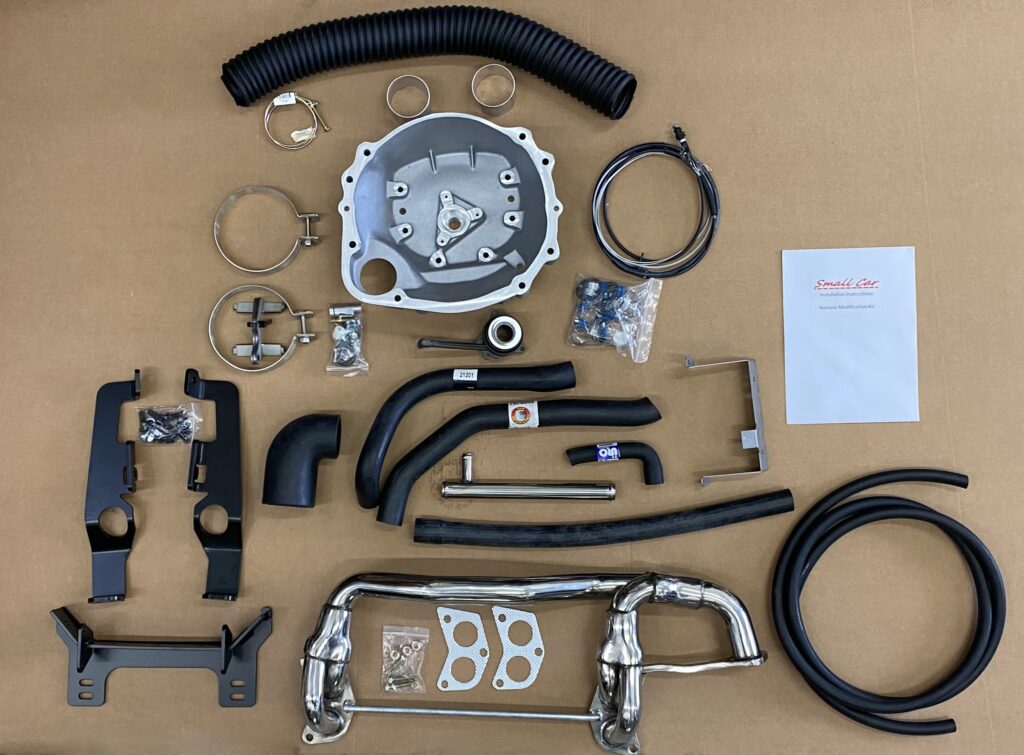
Understanding the individual components that comprise the vanagon 50 degree syncro tdi engine crossmember system helps mechanics and DIY enthusiasts appreciate the engineering sophistication required for successful TDI conversions. The primary structural element is the main crossmember bar, typically fabricated from 3/16-inch or thicker steel plate that spans the width of the engine bay. This bar features multiple mounting tabs welded at precise angles and locations to bolt directly to the Vanagon’s existing frame rails, eliminating the need for extensive chassis modifications that could compromise structural integrity or complicate vehicle registration and inspection processes.
Attached to this main crossmember are adjustable engine mount brackets that accommodate the specific TDI engine variant being installed, whether it’s the popular 1.9L ALH engine from 1998-2003 Jettas and Golfs, the 1.9L BEW engine from 2004-2005 models, or the larger 2.0L TDI engines from more recent vehicles. These brackets feature slotted mounting holes that allow for fine-tuning engine position to achieve perfect alignment with the transmission and ensure the engine sits at the correct 50-degree angle. High-quality vanagon syncro tdi engine crossmember systems also include polyurethane or upgraded rubber motor mounts that provide superior vibration isolation compared to the factory Vanagon mounts, reducing the diesel engine’s characteristic low-frequency rumble that would otherwise transmit directly into the cabin.
Supporting components include transmission mount adapters, torque reaction arms that prevent excessive engine rotation under heavy acceleration or deceleration, and often custom-fabricated exhaust hangers positioned to support the TDI’s front exhaust pipe without creating stress points that lead to cracking. Many aftermarket suppliers also provide detailed hardware kits with grade 8 bolts, lock washers, and thread-locking compound to ensure every connection remains secure despite the constant vibration and thermal cycling that engine mounts experience throughout their service life.
Installation Process for the Vanagon 50 Degree Syncro TDI Crossmember
Installing a vanagon 50 degree syncro tdi engine crossmember requires careful planning, appropriate tools, and attention to detail throughout every step of the process. The installation typically begins with complete engine bay preparation, which involves removing the original Vanagon engine, transmission, and all associated mounting hardware. This creates a clean workspace and allows for thorough inspection of the frame rails where the new crossmember will attach. Many experienced installers recommend sandblasting and painting the frame rails during this stage to ensure a corrosion-free mounting surface that will provide decades of reliable service in environments where salt exposure or moisture might otherwise compromise metal-to-metal contact points.
The crossmember installation sequence typically starts with test-fitting the main bar to verify proper alignment with the frame rail mounting points, checking for any interference with existing Syncro components like the front differential, transfer case linkage, or fuel lines that may require relocation. Once satisfactory fitment is confirmed, installers apply thread-locking compound to frame rail bolts and torque them to manufacturer specifications, usually between 65-85 foot-pounds depending on bolt diameter and grade. The TDI engine is then positioned on an engine hoist or suitable support structure, carefully lowered into position while maintaining the critical 50-degree angle, and the engine mount brackets are loosely attached to both the crossmember and engine mounting points.
Achieving perfect alignment requires patience and often multiple adjustments to the slotted mounting holes before final tightening. Installers use digital angle finders or precision levels to verify the 50-degree specification while simultaneously checking that the engine output shaft aligns concentrically with the transmission input shaft within acceptable tolerances (typically less than 0.030 inches of offset). Once alignment is confirmed, all mounting bolts are progressively tightened in a star pattern to ensure even load distribution across all mounting points. The final installation steps include connecting the transmission mount, installing torque reaction arms, routing engine bay wiring harnesses away from hot exhaust components, and performing a comprehensive pre-start inspection to verify that no fasteners were overlooked and all clearances remain adequate throughout the engine’s full range of motion under torque load.
Performance Benefits of Proper TDI Crossmember Installation
When correctly installed, the vanagon 50 degree syncro tdi engine crossmember delivers substantial performance improvements and reliability enhancements compared to improvised mounting solutions or incorrectly angled installations. The primary benefit is exceptional drivetrain smoothness, with properly aligned driveshafts experiencing minimal vibration even during aggressive acceleration or when operating at highway speeds where resonance frequencies can amplify minor misalignments into major comfort issues. Owners consistently report that correctly mounted TDI engines deliver power to the wheels with noticeably less noise, vibration, and harshness compared to conversions using generic mounting brackets or adapted components from other vehicle platforms.
The structural integrity provided by a purpose-built syncro tdi engine crossmember prevents common failure modes that plague poorly executed conversions, including cracked frame rails from concentrated stress points, broken motor mounts from excessive engine movement, and transmission case damage from misaligned input shafts. The engineered mounting system also optimizes weight distribution across the front axle, maintaining the Vanagon’s already nose-heavy balance without creating extreme forward weight bias that could negatively affect handling characteristics or increase front tire wear. For Syncro owners who venture off-road, the improved ground clearance and protected routing of vulnerable components like oil pans and exhaust systems reduces the risk of expensive damage from rock strikes or deep ruts that could bend or puncture components.
Long-term reliability improvements extend beyond just drivetrain components to include the engine itself, as proper mounting angles ensure consistent oil pressure to critical bearing surfaces, optimal turbocharger lubrication, and efficient coolant circulation that prevents hot spots capable of causing head gasket failure or warped cylinder heads. Many owners report that TDI engines mounted with quality crossmember systems routinely exceed 300,000 miles with only routine maintenance, whereas engines mounted at incorrect angles frequently experience premature turbocharger failure, excessive oil consumption, and cooling system issues that require expensive repairs or complete engine replacement.
Compatibility Considerations for Different Vanagon and TDI Models
Not all vanagon 50 degree syncro tdi engine crossmember systems offer universal compatibility across every Vanagon variant and TDI engine generation, making careful research essential before purchasing mounting components. Vanagon Syncro models were produced from 1985 through 1991 (1992 in some markets), and while the basic chassis architecture remained consistent, subtle variations in frame rail dimensions, suspension mounting points, and body panel clearances can affect crossmember fitment. Earlier Syncro models with the manual differential lock system have slightly different front differential positioning compared to later models with vacuum-actuated engagement, potentially requiring customized exhaust routing or minor modifications to standard crossmember designs.
TDI engine selection significantly impacts crossmember requirements, as different engine codes feature varying accessory layouts, oil pan configurations, and motor mount positions. The popular 1.9L ALH engine from 1998-2003 represents the most straightforward conversion option, with abundant aftermarket support and well-documented installation procedures. The 2004-2005 BEW engines introduced pump-dui injectors and slightly modified accessory drives that may require different alternator bracket configurations. Newer common-rail TDI engines like the 2.0L CJAA offer more power but bring increased complexity with emissions equipment, electronic throttle control requirements, and physically larger dimensions that can challenge even experienced installers working with standard vanagon syncro tdi crossmember systems.
Transmission pairing also affects crossmember selection, as Vanagon conversions typically utilize either adapted Vanagon manual transmissions with custom bellhousing adapters or complete TDI transmissions modified for Syncro four-wheel-drive integration. Each approach requires specific mounting solutions, with adapted Vanagon transmissions maintaining factory Syncro transfer case positioning while TDI transmission conversions may require relocated crossmember mounting points to accommodate different transmission case dimensions. Reputable crossmember manufacturers provide detailed compatibility charts specifying which engine codes, transmission types, and Vanagon years their products support, and consulting these resources before purchase prevents costly compatibility issues during installation.
Common Installation Challenges and Solutions
Even experienced mechanics encounter challenges when installing a vanagon 50 degree syncro tdi engine crossmember, and understanding common obstacles helps prevent project delays and ensures successful outcomes. The most frequent issue involves achieving proper front-to-rear engine positioning within the engine bay, as moving the engine too far forward can create interference with the radiator or intercooler mounting locations, while positioning it too far rearward may cause the transmission to contact the rear firewall or limit access to clutch components during future maintenance. This challenge requires careful measurement before final installation, often using cardboard templates or temporary positioning blocks to verify clearances before permanently tightening mounting hardware.
Exhaust system routing presents another significant challenge, as the TDI’s front exhaust pipe exits from the rear of the engine and must navigate around the Syncro’s front differential, steering linkage, and frame rails before connecting to the remainder of the exhaust system. Standard vanagon 50 degree syncro tdi crossmember installations often require custom exhaust fabrication, with experienced installers creating multi-piece systems featuring slip joints that allow for thermal expansion and engine movement without creating stress concentrations. Using mandrel-bent tubing rather than crush-bent pipes maintains consistent internal diameter throughout the exhaust system, optimizing turbocharger performance and reducing backpressure that could limit power output or increase exhaust gas temperatures beyond safe operating limits.
Electrical integration challenges frequently arise when connecting modern TDI engine management systems to aging Vanagon chassis wiring, particularly for conversions retaining factory TDI electronics rather than using standalone engine management systems. Proper grounding becomes critical, as voltage drops from corroded or inadequate ground connections can cause intermittent sensor failures, starting problems, or complete engine shutdown without warning. Successful installations typically involve creating new dedicated ground points on the crossmember itself, ensuring that engine electrical components ground directly to the engine block rather than relying on potentially compromised chassis ground paths. The kennedy engineering stage 2 228mm friction disc and similar upgraded drivetrain components often accompany TDI conversions, requiring additional electrical considerations for clutch switch integration and proper transmission control unit communication.
Maintenance and Long-Term Care for Your TDI Crossmember
Maintaining a vanagon 50 degree syncro tdi engine crossmember system ensures decades of reliable service and prevents common deterioration modes that can compromise mounting integrity over time. Regular inspection intervals should occur every 10,000 miles or annually, whichever comes first, with particular attention paid to motor mount condition, crossmember bolt torque retention, and any signs of frame rail cracking adjacent to mounting points. Motor mounts naturally deteriorate from constant load cycling and exposure to engine heat, with polyurethane mounts typically lasting 50,000-75,000 miles before requiring replacement and rubber mounts showing wear slightly sooner. Early signs of motor mount failure include increased engine movement visible during acceleration and deceleration, abnormal vibration transmitted into the cabin, and clunking sounds when engaging the clutch or shifting gears.
Corrosion prevention represents another critical maintenance consideration, particularly for Vanagons operated in environments with road salt exposure or high humidity that accelerates rust formation on steel components. Annual inspection should include removing any accumulated dirt or debris from crossmember surfaces, checking for rust formation at welded joints where moisture can become trapped, and applying rust-inhibiting spray or paint to any areas where the protective coating has been damaged by stone impacts or abrasion. Some owners choose to have their vanagon syncro tdi engine crossmember systems powder-coated during initial installation, creating a durable finish that resists corrosion far better than conventional paint and simplifies long-term maintenance by eliminating the need for frequent touch-up work.
Retorquing mounting bolts periodically prevents loosening from vibration and thermal cycling, with most manufacturers recommending verification of torque specifications at the 500-mile mark after initial installation, again at 5,000 miles, and then annually thereafter. This simple maintenance task takes less than an hour to complete and can prevent catastrophic failures where loosened mounting bolts allow excessive engine movement that damages surrounding components or causes complete mount separation. During retorquing procedures, installers should also inspect thread condition on mounting bolts, replacing any fasteners showing signs of stretching, corrosion, or thread damage to maintain the structural integrity that keeps heavy TDI engines securely positioned throughout aggressive driving conditions.
Cost Analysis: DIY vs Professional Installation
The financial investment required for a complete vanagon 50 degree syncro tdi engine crossmember installation varies dramatically based on whether owners tackle the project themselves or contract professional fabrication and installation services. Quality crossmember kits from reputable manufacturers typically range from $800 to $1,500 depending on included components, material quality, and whether the system includes upgraded motor mounts, torque reaction arms, and detailed installation instructions. DIY enthusiasts must also budget for specialized tools including torque wrenches capable of 100+ foot-pound specifications, engine hoists or support equipment, digital angle finders for verifying mounting angles, and potentially welding equipment if frame reinforcement or custom bracketry is required for specific installation variations.
Professional installation costs vary regionally but generally range from $2,000 to $4,000 for labor alone, with experienced Vanagon specialists commanding premium rates justified by their expertise in avoiding common pitfalls and ensuring proper alignment throughout the installation process. This professional service typically includes test-fitting, custom fabrication of any required adapter brackets, complete electrical integration, exhaust system fabrication and installation, and post-installation road testing to verify proper operation. For owners lacking mechanical experience, appropriate workspace, or the time required to complete a crossmember installation (typically 20-40 hours for first-time installers), professional installation represents excellent value by ensuring correct execution and potentially preventing expensive corrective work necessitated by installation errors.
The total project cost including the vanagon 50 degree syncro tdi engine crossmember, engine acquisition, transmission adaptation, cooling system upgrades, and professional installation typically ranges from $8,000 to $15,000 for complete TDI conversions. While this represents substantial investment, the reliability improvements, fuel economy gains (often improving from 13-16 MPG with original gas engines to 22-28 MPG with TDI power), and increased resale value typically recover the conversion cost over 3-5 years of normal use. Vanagons with properly executed TDI conversions consistently command $8,000-$12,000 premiums over comparable original-engine examples in the used vehicle market, making this conversion one of the few automotive modifications that genuinely adds value rather than merely satisfying personal preferences.
Where to Source Quality Vanagon TDI Crossmember Systems
Selecting a reputable supplier for your vanagon 50 degree syncro tdi engine crossmember significantly impacts installation success and long-term reliability, as manufacturing quality varies considerably across available options. Several specialized companies have built strong reputations within the Vanagon community for producing engineered mounting systems backed by extensive real-world testing and responsive customer support. These established suppliers typically offer multiple crossmember configurations tailored to specific engine and transmission combinations, provide detailed installation manuals with professional photography illustrating every step, and maintain customer service departments staffed by personnel who understand the unique challenges of Vanagon TDI conversions.
Online Vanagon communities and forums represent invaluable resources for identifying quality suppliers and avoiding vendors selling substandard products, as experienced owners freely share their installation experiences, photograph fitment issues or quality concerns, and recommend suppliers who delivered exceptional products and support. The most respected manufacturers within these communities typically participate directly in forum discussions, address customer concerns transparently, and continuously refine their designs based on installer feedback and emerging best practices. Before purchasing a vanagon syncro tdi crossmember system, potential buyers should request references from customers who completed installations with specific crossmember models, review installation photo threads documenting complete conversions, and verify that suppliers offer reasonable return policies or fitment guarantees that protect buyers from unexpected compatibility issues.
Price should never be the sole determining factor when selecting crossmember suppliers, as the least expensive options frequently prove most costly overall when factoring in time spent addressing fitment problems, purchasing supplementary hardware to compensate for inadequate included components, or replacing poorly manufactured brackets that fail prematurely. Quality crossmember systems use proper material specifications (typically 3/16-inch or thicker steel plate rather than lighter gauge materials inadequate for supporting heavy TDI engines), feature precision laser-cut or CNC-machined mounting holes rather than roughly hand-drilled apertures, and include comprehensive hardware kits with grade 8 fasteners rather than requiring installers to source appropriate bolts from hardware stores. The modest price premium for proven designs from established suppliers pays dividends in reduced installation frustration and confidence that the finished system will provide reliable service for the vehicle’s remaining operational life.
Performance Modifications and Upgrades
Once a vanagon 50 degree syncro tdi engine crossmember is properly installed, many owners explore performance modifications that capitalize on the TDI engine’s substantial tuning potential while maintaining the reliable foundation provided by quality engine mounting. ECU tuning represents the most cost-effective power enhancement, with aftermarket software modifications safely increasing horsepower from stock levels of 90-100 HP to 130-150 HP while simultaneously improving torque output from approximately 155 lb-ft to 220-240 lb-ft. These gains transform the Vanagon’s driving character from adequately powered to genuinely quick for a vehicle of this size and weight, with enhanced passing ability, improved hill-climbing performance, and stronger acceleration from stoplight situations.
Turbocharger upgrades complement ECU tuning by addressing the stock turbo’s limited flow capacity at higher power levels, with popular options including larger frame Garrett or BorgWarner units that support 150-180 HP while maintaining reasonable turbo lag characteristics important for daily driving. Supporting modifications typically include upgraded intercoolers that reduce intake air temperatures for denser air charge and reduced knock tendency, high-flow exhaust systems that minimize backpressure affecting turbocharger efficiency, and enhanced fuel delivery systems featuring larger injector nozzles or high-pressure fuel pump upgrades. Each performance modification increases stress on the vanagon syncro tdi engine crossmember system through higher torque output and more aggressive engine movement under load, reinforcing the importance of quality mounting components and regular maintenance inspections.
Drivetrain upgrades often accompany engine performance enhancements to handle increased power without premature component failure, including clutch disc upgrades with higher clamping force and friction materials better suited to elevated torque levels, upgraded transmission gear sets if using adapted Vanagon gearboxes, and strengthened CV joints and axle shafts designed for off-road applications. The earlier referenced kennedy engineering stage 2 228mm friction disc represents one popular clutch upgrade delivering reliable engagement with modified TDI engines while maintaining acceptable pedal effort for daily driving. These complementary modifications create a cohesive powertrain package that maximizes the Vanagon’s practical utility without compromising the reliability that makes these vehicles ideal for remote travel and adventure applications.
Real-World Case Studies and Owner Experiences
Examining real-world installations of the vanagon 50 degree syncro tdi engine crossmember provides valuable insights into practical performance, common challenges, and long-term satisfaction among owners who have completed this conversion. One extensively documented case study involves a 1987 Syncro Westfalia converted using a 1.9L ALH TDI engine paired with an adapted Vanagon manual transmission, with the owner reporting over 175,000 conversion miles accumulated across seven years of year-round use including multiple cross-country road trips and regular off-road excursions. This owner emphasized the importance of quality crossmember installation, noting that proper alignment and regular maintenance inspections allowed the mounting system to remain trouble-free despite subjected to substantial abuse including deep water crossings, severe washboard roads, and sustained high-speed highway operation through mountainous terrain.
Another notable conversion featured a 1990 Syncro equipped with a 2.0L common-rail TDI producing 170 HP after ECU tuning, representing one of the more ambitious installations requiring extensive custom fabrication to accommodate the physically larger engine within the Vanagon’s limited engine bay space. This owner’s documented build thread highlighted challenges related to exhaust routing, intercooler placement, and cooling system integration that required creative problem-solving beyond standard vanagon 50 degree syncro tdi crossmember installation procedures. Despite these additional complexities, the completed conversion delivered exceptional performance with reported 0-60 MPH times around 11 seconds (compared to 25+ seconds for stock Vanagon Syncro models) and highway fuel economy averaging 27 MPG, demonstrating the substantial improvements possible with thorough planning and skilled execution.
Multiple owners have also reported their experiences converting two-wheel-drive Vanagons to TDI power, finding that while similar crossmember systems are required, the installation process is somewhat simplified by the absence of front differential clearance concerns and transfer case integration requirements. These conversions often achieve even better fuel economy than Syncro variants due to reduced drivetrain friction losses, with some owners reporting averages approaching 30 MPG during highway-focused driving. The consistent theme across all documented case studies involves satisfaction with conversion results, with owners universally stating they would repeat the process if starting another Vanagon project and often describing the TDI conversion as transformative for the vehicle’s practical utility and enjoyment during extended travel.
Frequently Asked Questions About Vanagon 50 Degree Syncro TDI Engine Crossmember
What makes the 50-degree angle critical for the vanagon syncro tdi engine crossmember?
The 50-degree mounting angle ensures optimal alignment between the TDI engine’s output shaft and the transmission input shaft, minimizing driveline vibration and component wear. This angle also maintains proper oil return passages from the turbocharger, optimizes coolant flow, and maximizes ground clearance for the oil pan while working around the Syncro’s front differential and transfer case components.
Can I install a vanagon 50 degree syncro tdi engine crossmember myself, or should I hire a professional?
DIY installation is certainly possible for mechanically inclined individuals with appropriate tools, workspace, and 20-40 hours available for the project. However, professional installation ensures proper alignment, prevents common mistakes, and typically includes warranty coverage for the installation work. First-time converters often benefit from professional assistance at minimum for the critical alignment and test-fitting stages.
How long does a properly installed vanagon syncro tdi engine crossmember last?
Quality crossmember systems fabricated from appropriate materials and maintained properly can last the lifetime of the vehicle. Motor mounts attached to the crossmember typically require replacement every 50,000-75,000 miles depending on mount material and driving conditions, but the structural crossmember itself rarely requires replacement barring accident damage or severe corrosion from neglected maintenance.
What TDI engines work best with the vanagon 50 degree syncro tdi engine crossmember?
The 1.9L ALH TDI engine from 1998-2003 Volkswagen models represents the most popular choice due to abundant availability, straightforward mechanical systems, and extensive aftermarket support. The 1.9L BEW and 2.0L common-rail engines also work well but introduce additional complexity with emissions equipment and electronic systems that may require more extensive integration work.
Will installing a vanagon tdi engine crossmember affect my vehicle’s registration or emissions compliance?
Registration and emissions requirements vary by jurisdiction, with some states or countries requiring emissions testing that TDI-converted Vanagons may not pass without additional modifications like catalytic converters and functioning emissions control systems. Consulting local regulations before beginning conversion work prevents potential registration complications, and some jurisdictions offer exemptions for older vehicles or off-road use designations that may simplify compliance.
How much weight does the vanagon 50 degree syncro tdi crossmember add to the vehicle?
The crossmember system itself typically weighs between 25-40 pounds depending on design, but the complete TDI conversion actually reduces overall vehicle weight compared to the original Vanagon gas engine and associated components. TDI engines weigh approximately 280-320 pounds complete with accessories, while original Vanagon engines and their cooling systems weighed close to 400 pounds, resulting in a modest overall weight reduction that slightly improves handling and fuel economy.
Can the crossmember accommodate engine modifications like larger turbochargers?
Quality vanagon 50 degree syncro tdi engine crossmember systems are designed with sufficient clearance to accommodate common performance modifications including larger turbochargers, upgraded intercoolers, and enhanced exhaust systems. However, extreme modifications may require custom fabrication or modified mounting positions, making it advisable to plan anticipated upgrades during initial crossmember selection to ensure compatibility.
What maintenance does a vanagon syncro tdi engine crossmember require?
Annual inspection of mounting bolts, motor mounts, and frame rails represents the primary maintenance requirement. Retorquing bolts at the 500-mile, 5,000-mile, and annual intervals prevents loosening from vibration, while periodic motor mount inspection identifies wear before failure occurs. Applying rust-inhibiting treatments to steel surfaces protects against corrosion that could compromise structural integrity over decades of service.
Call to Action
If you’re ready to transform your Volkswagen Vanagon Syncro with reliable diesel power and exceptional fuel economy, investing in a quality vanagon 50 degree syncro tdi engine crossmember represents the critical foundation for a successful conversion. Don’t compromise on this essential component—research reputable suppliers, consult experienced installers, and choose engineered mounting systems backed by proven real-world performance. Whether you’re tackling the installation yourself or working with professional fabricators, proper crossmember selection and installation ensures your TDI conversion delivers decades of reliable service for all your adventures. Start planning your conversion today by connecting with the Vanagon community, gathering detailed specifications for your specific vehicle and engine combination, and sourcing the components that will make your TDI dreams a reality.
For more information about compatible drivetrain components and engine conversion resources, explore comprehensive guides and technical articles at leading Vanagon specialty suppliers and enthusiast forums where experienced owners share their expertise.
Sources and Citations:
For detailed technical specifications and purchasing information about the vanagon 50 degree syncro tdi engine crossmember, consult established Vanagon conversion specialists including GoWesty, Rocky Mountain Westy, and Vanagon Motive, which maintain comprehensive resources documenting TDI conversion best practices and component compatibility. Additional technical information can be found through online Vanagon communities including TheSamba.com Vanagon forum sections, where thousands of documented conversions provide real-world installation experiences and troubleshooting guidance.
Note: This article provides general information based on common practices within the Vanagon conversion community. Always verify compatibility for your specific vehicle and engine combination, follow manufacturer installation instructions, and consult qualified professionals when uncertain about any aspect of engine conversion work.