In this guide
The BMW B58 engine represents one of the most significant achievements in modern automotive engineering, combining impressive power output with remarkable reliability and efficiency. If you’re searching for a b58 engine for sale, understanding what makes this engine special, where to find quality units, and how to ensure you’re getting the best value is crucial for making an informed purchasing decision.
What Makes the B58 Engine a Top Choice for Performance Enthusiasts?
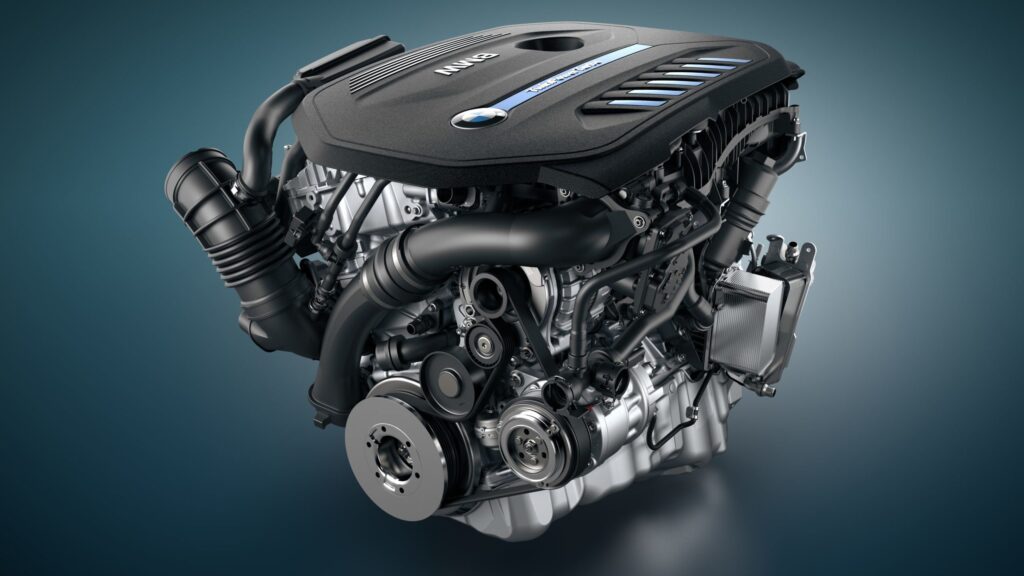
The B58 is BMW’s third generation of modular inline-six turbocharged engines, first introduced in 2015. This powerplant has earned widespread acclaim from automotive journalists, tuning experts, and BMW enthusiasts worldwide for its exceptional combination of performance, durability, and modification potential. When you’re considering a b58 engine for sale, you’re looking at an engine that has won multiple awards, including being named to Ward’s 10 Best Engines list for three consecutive years from 2016 to 2018.
The B58 features a closed-deck engine block design, which provides superior strength compared to its predecessor, the N55. This robust construction means the engine can handle significantly more boost pressure and power output, making it an ideal candidate for performance upgrades. The engine utilizes a twin-scroll turbocharger, direct fuel injection, variable valve timing on both intake and exhaust camshafts (Double-VANOS), and variable valve lift (Valvetronic) on the intake side. These technologies work together to deliver smooth power delivery across the entire rev range while maintaining impressive fuel efficiency for a performance-oriented engine.
The B58’s iron block construction with an aluminum head creates an optimal balance between durability and weight savings. The engine produces between 320 to 382 horsepower in stock form, depending on the specific application and tuning, with torque figures ranging from 330 to 369 lb-ft. This broad power band makes the B58 incredibly versatile, whether you’re daily driving, track racing, or drag racing. The engine’s robust internals can reliably handle 600+ horsepower with proper supporting modifications, which explains why the market for b58 engines for sale continues to grow as more enthusiasts discover its potential.
Understanding B58 Engine Variants and Applications
Before purchasing a b58 engine for sale, it’s essential to understand the different variants available and their specific applications. BMW has produced several versions of the B58, each with unique characteristics and tuning that affect performance, compatibility, and pricing. The primary variants include the B58B30M0, B58B30M1, B58B30O0, and the latest B58TU (Technical Update) versions introduced in 2020.
The B58B30M0 was the original variant, first appearing in the 2016 340i and later in the 440i models. This version produces 320-326 horsepower and represents the base specification of the B58 family. It features a single turbocharger with a wastegate pressure of approximately 17-18 psi in stock form. Despite being the entry-level variant, the M0 shares the same robust block and head design as higher-output versions, making it an excellent foundation for performance builds at often lower prices in the used market.
The B58B30M1 variant delivers increased output, typically found in the M340i, M440i, and certain Z4 M40i models. This version produces 382 horsepower and 369 lb-ft of torque, achieved through revised turbocharger mapping, upgraded cooling systems, and enhanced engine management calibration. The M1 variant also features improvements to the oil cooling system and modified intake manifold design, which contribute to its ability to sustain higher performance levels during extended driving sessions.
The B58TU (Technical Update) represents the most recent evolution of the platform, incorporating several refinements based on years of real-world performance data. Introduced in 2020 model year vehicles, the TU variant features a revised cylinder head with integrated exhaust manifold, updated turbocharger with electronically controlled wastegate, and improvements to the cooling system. These changes result in reduced turbo lag, improved thermal efficiency, and enhanced durability. When searching for a b58 engine for sale, TU variants typically command premium prices but offer the latest technological improvements and often come with lower mileage since they’re newer.
Common B58 Applications Across BMW Lineup
| Vehicle Model | Years | B58 Variant | Horsepower | Torque (lb-ft) |
|---|---|---|---|---|
| 340i/440i | 2016-2019 | B58B30M0 | 320-326 | 330 |
| M340i/M440i | 2020-Present | B58TU M1 | 382 | 369 |
| X3 M40i/X4 M40i | 2018-Present | B58B30M1/TU | 355-382 | 369 |
| Z4 M40i | 2019-Present | B58B30M1/TU | 382 | 369 |
| Toyota Supra | 2020-Present | B58B30M1/TU | 335-382 | 365-369 |
| X5 M50i/X6 M50i | 2019-Present | B58TU | 523* | 553* |
| X7 M50i | 2019-Present | B58TU | 523* | 553* |
*Note: M50i models use a twin-turbocharged version with significantly different specifications
Where to Find Quality B58 Engines for Sale
Finding a reliable b58 engine for sale requires knowing where to look and understanding the different sourcing options available. The market for B58 engines includes salvage yards, specialized engine retailers, online marketplaces, and authorized BMW dealerships, each offering distinct advantages and potential drawbacks. Your choice should depend on your budget, technical expertise, warranty requirements, and intended application.
Specialized automotive recyclers and salvage yards represent one of the most cost-effective sources for used B58 engines. These facilities acquire vehicles from insurance claims, accidents, and other sources, then part them out to sell individual components. Reputable salvage yards often test their engines before sale and may offer limited warranties ranging from 30 to 90 days. When buying from salvage yards, always request compression test results, oil analysis data if available, and detailed information about the vehicle’s history and mileage. Quality salvage operations will provide this documentation and often allow inspection before purchase. Expect to pay between $3,500 to $7,000 for a complete used B58 engine from salvage sources, depending on mileage, variant, and included accessories.
Online marketplaces like eBay Motors, Facebook Marketplace, and specialized forums such as Bimmerpost have become increasingly popular venues for finding b58 engines for sale. These platforms connect individual sellers with buyers across the country, often resulting in competitive pricing. However, purchasing through online marketplaces requires extra diligence, including requesting video evidence of the engine running, obtaining compression test results, verifying the seller’s reputation through reviews and ratings, and understanding the return policy. Private party sales typically range from $4,000 to $8,500 for used engines, with pricing heavily influenced by mileage, documentation, and included components like turbos, injectors, and wiring harnesses.
Remanufactured engine suppliers offer another compelling option for those seeking reliability with cost savings compared to new engines. Companies specializing in BMW engine rebuilding completely disassemble B58 engines, replace worn components, update problematic parts with improved versions, and reassemble to factory specifications or better. Reputable remanufacturers provide comprehensive warranties ranging from 1 to 3 years and often upgrade known weak points during the rebuild process. Remanufactured b58 engines for sale typically cost between $8,000 to $12,000, representing a middle ground between used and new options while offering peace of mind through warranty coverage.
Authorized BMW dealerships sell brand-new factory B58 engines, though at premium prices reflecting their genuine BMW parts status and comprehensive warranty coverage. New B58 engines from dealerships can cost anywhere from $12,000 to $18,000 or more, depending on the specific variant, included accessories, and current BMW pricing. This option makes most sense for insurance repairs, warranty situations, or builds where maximum reliability and full manufacturer backing are paramount considerations. Dealerships also have access to the latest technical service bulletins and can ensure you receive the correct engine variant for your specific application.
For those interested in performance builds or general engine information, resources like general engine guides can provide valuable background knowledge, similar to how specialized tools like tower factory cheat engine help with specific applications.
Key Factors to Consider When Buying a B58 Engine
Purchasing a b58 engine for sale involves carefully evaluating multiple factors beyond just the asking price. Making an informed decision requires understanding engine condition indicators, verifying authenticity, assessing what components are included, and determining compatibility with your specific vehicle or project. Taking time to thoroughly research and inspect potential purchases can save thousands of dollars and countless hours of frustration down the road.
Mileage verification stands as one of the most critical factors in assessing a used B58 engine’s value and remaining service life. While the B58 has proven exceptionally durable, with many examples exceeding 150,000 miles without major issues, lower mileage generally indicates less wear and potentially longer remaining service life. However, mileage alone doesn’t tell the complete story.
An engine with 60,000 highway miles maintained with regular oil changes using quality synthetic oil may be in better condition than a 30,000-mile engine that experienced neglected maintenance, aggressive driving, or modification. Request service records, oil change receipts, and any available maintenance documentation to verify proper care. Engines with complete service histories typically command 15-25% premium pricing but offer significantly reduced risk of hidden problems.
Compression and leak-down testing provide objective data about internal engine condition that visual inspection cannot reveal. A proper compression test on all six cylinders should show readings within 10% of each other, typically ranging from 170 to 190 psi on a healthy B58. Significant variation between cylinders or overall low compression readings may indicate worn piston rings, valve problems, or head gasket issues. Leak-down testing offers even more detailed information by pressurizing each cylinder individually and measuring how much pressure escapes, along with where it’s leaking. Reputable sellers of b58 engines for sale should be willing to provide recent compression and leak-down test results, and exceptional sellers may perform these tests while you observe.
Included components and accessories significantly impact the final cost and installation complexity of your B58 engine purchase. A “complete” engine should include the engine block, cylinder head, intake manifold, exhaust manifold, turbocharger, fuel injectors, ignition coils, oil pan, valve cover, and all necessary sensors. Many sellers strip valuable components before sale, particularly turbos and injectors, which can cost $1,500 to $3,000 to replace. Always clarify exactly what’s included before committing to purchase. Some sellers offer “long block” configurations (engine block and head assembly only) at reduced prices, while others provide everything needed for installation including wiring harnesses, engine mounts, and accessories. Factor these differences into your total cost calculations when comparing b58 engines for sale from different sources.
Turbocharger condition deserves special attention since the B58’s turbo is integral to its performance character and represents one of the most expensive components to replace. Inspect the turbocharger for shaft play by attempting to move the compressor wheel laterally and in-and-out. Minimal movement is normal, but excessive play indicates worn bearings requiring rebuild or replacement.
Check both the compressor and turbine wheels for blade damage, and examine the housings for cracks or oil leaks. The turbocharger should spin freely without grinding noises or resistance. If possible, request video evidence of the engine running, listening for turbo whine, which could indicate bearing wear. A failing turbo doesn’t necessarily disqualify an engine purchase, but should be reflected in the price with $1,200 to $2,000 discount being reasonable for engines needing turbo work.
B58 Engine Inspection Checklist
- External condition: Check for oil leaks around valve cover, oil pan, timing cover, and rear main seal
- Cylinder head: Inspect for cracks, warping, or damage to valve cover mating surface
- Timing components: Verify timing chain, guides, and tensioner condition if accessible
- Cooling system: Check for coolant leaks, corrosion, or damage to water pump and thermostat housing
- Fuel system: Inspect fuel injectors, high-pressure fuel pump, and fuel rail for leaks or damage
- Electrical components: Verify condition of ignition coils, sensors, and wiring harness connectors
- Oil system: Check oil pan for damage, verify proper oil level, and inspect oil for contamination
- Documentation: Request and verify engine code, production date, and mileage records
- Testing data: Obtain compression test results, leak-down test results, and borescope inspection if available
- Warranty information: Confirm any remaining factory warranty or seller-provided warranty coverage
Performance Potential and Modification Capabilities
One primary reason enthusiasts seek b58 engines for sale is the platform’s exceptional modification potential and proven ability to handle significant power increases. The B58’s robust closed-deck block design, forged crankshaft, and strong connecting rods create a foundation capable of supporting 600+ horsepower on completely stock internals with proper supporting modifications. This modification-friendly nature has established the B58 as one of the most popular platforms for performance builds in recent years, competing with legendary engines like the 2JZ and RB26 for tuner attention.
Stage 1 modifications typically involve basic bolt-on upgrades requiring no internal engine work and can increase power output to 450-500 horsepower. These modifications usually include an aftermarket downpipe to reduce exhaust backpressure, upgraded charge pipe and intercooler to support increased boost pressure, and custom ECU tuning to optimize fuel and ignition maps. Stage 1 builds represent the sweet spot for many B58 owners, offering substantial performance gains with minimal impact on reliability when executed properly.
Quality tuning is essential at this level, with reputable tuners like Bootmod3, MHD, and BM3 offering proven calibrations specifically developed for B58 engines. Stage 1 modifications typically add 100-130 horsepower and 120-150 lb-ft of torque over stock, with total investment ranging from $1,500 to $3,000 depending on parts quality.
Stage 2 upgrades push the B58 platform into the 550-650 horsepower range by addressing more substantial limiting factors. This level typically requires upgrading the turbocharger to a larger unit capable of flowing more air, such as the Pure Turbos Stage 2 upgrade, Precision Turbo 6266, or similar offerings. Supporting modifications include upgraded fuel injectors to provide additional fuel delivery, high-flow fuel pump to maintain proper fuel pressure, methanol injection system for intercooling and octane supplementation, upgraded charge piping and intercooler, and comprehensive ECU tuning. Stage 2 builds begin approaching the limits of stock B58 internals, making proper tuning absolutely critical to engine longevity.
Conservative tuning with appropriate safety margins can maintain reliability even at these power levels. Expect to invest $6,000 to $12,000 in parts and tuning for a comprehensive Stage 2 build.
Built engine configurations for those targeting 700+ horsepower require opening the engine and upgrading internal components. This level involves replacing stock pistons with forged units rated for higher boost pressure, upgrading connecting rods to forged steel units, installing upgraded main and rod bearings, porting and polishing the cylinder head, upgrading valve springs and retainers, and installing a more aggressive camshaft profile. Built engines typically use larger turbochargers like Precision 6766, 6870, or even larger depending on power goals.
These comprehensive builds can reliably produce 800-1000+ horsepower, though at this level the transmission, driveline, and supporting systems also require significant upgrades. Built engine projects represent serious investments, with costs ranging from $15,000 to $30,000 or more depending on component quality and power targets.
B58 Modification Power Levels
Stock Configuration:
- Horsepower: 320-382 hp (variant dependent)
- Torque: 330-369 lb-ft
- Boost Pressure: 17-20 psi
- Modifications: None
- Estimated Cost: $0
Stage 1 (Bolt-On):
- Horsepower: 450-500 hp
- Torque: 450-500 lb-ft
- Boost Pressure: 22-26 psi
- Modifications: Downpipe, intercooler, charge pipe, ECU tune
- Estimated Cost: $1,500-$3,000
Stage 2 (Turbo Upgrade):
- Horsepower: 550-650 hp
- Torque: 550-650 lb-ft
- Boost Pressure: 26-32 psi
- Modifications: Upgraded turbo, injectors, fuel pump, methanol injection, ECU tune
- Estimated Cost: $6,000-$12,000
Built Engine (Full Build):
- Horsepower: 700-1000+ hp
- Torque: 700-1000+ lb-ft
- Boost Pressure: 32-45+ psi
- Modifications: Forged internals, large turbo, comprehensive fuel system, head work, ECU tune
- Estimated Cost: $15,000-$30,000+
Pricing Guide for B58 Engines in Current Market
Understanding current market pricing for b58 engines for sale helps buyers negotiate effectively and recognize good deals versus overpriced units. The B58 engine market has matured since the platform’s 2015 introduction, with pricing influenced by factors including mileage, variant type, condition, included components, seller reputation, geographic location, and current market demand. Prices fluctuate seasonally, with higher demand during spring and summer typically driving prices upward compared to fall and winter months.
Used engines in average condition with mileage between 50,000 to 100,000 miles represent the most common offerings in today’s market. These engines typically come from accident-damaged vehicles or insurance total-loss situations where the engine remained undamaged. Expect to pay $4,500 to $6,500 for M0 variants (340i/440i applications) in this mileage range when sourced from reputable salvage yards or online marketplaces. The higher-output M1 variants (M340i/M440i applications) command premiums of $1,000 to $2,000, typically selling for $5,500 to $8,500 in similar condition. These prices assume the engine includes all major components like turbocharger, fuel injectors, and manifolds, but may not include accessories like alternators, AC compressors, or complete wiring harnesses.
Low-mileage examples under 30,000 miles represent premium offerings that command significantly higher prices reflecting their minimal wear and maximum remaining service life. These engines often come from newer vehicles involved in front-end collisions where chassis damage totaled the vehicle but left the engine unscathed. Low-mileage b58 engines for sale typically sell for $7,000 to $10,000 for M0 variants and $8,500 to $12,000 for M1/TU variants. While these higher prices may seem steep, they often represent better long-term value when considering the reduced likelihood of issues and extended service life before major maintenance becomes necessary. Low-mileage engines also tend to include more complete accessory packages and better documentation regarding service history.
Remanufactured engines offer an alternative to used engines by providing like-new condition with comprehensive warranties at prices below new factory engines. Quality remanufacturing processes involve complete disassembly, inspection of all components, replacement of wear items, updating of problematic parts with improved versions, and reassembly to factory specifications or better. Remanufactured B58 engines typically cost $8,000 to $13,000 depending on the remanufacturer’s reputation, warranty length, and specific build specifications. This option makes particular sense for installation in vehicles where reliability is paramount or when the buyer lacks mechanical expertise to properly evaluate used engine condition.
Brand-new factory engines from BMW dealerships represent the ultimate in reliability and warranty coverage but command premium pricing reflecting their genuine BMW parts status. New B58 engines typically cost $12,000 to $18,000 depending on variant and included components, with some dealers charging even more depending on local market conditions. Insurance repairs or warranty situations often justify these costs, and some builders with substantial budgets choose new engines for high-end builds where cost takes secondary importance to having a perfect foundation. New engines include full BMW warranty coverage and access to technical support from factory-trained technicians.
Regional Price Variations
Geographic location significantly impacts b58 engine for sale pricing due to factors like local supply and demand dynamics, shipping costs, and regional economic conditions. Engines tend to be more expensive in areas with limited supply and high BMW ownership rates, while markets with abundant supply from multiple salvage yards often feature more competitive pricing. Coastal markets like California, New York, and Florida typically see 10-20% higher prices than Midwest and Southern markets. Buyers willing to arrange shipping from distant sellers can often save hundreds or even thousands of dollars, though shipping costs for engines typically range from $200 to $600 depending on distance and shipping method.
Installation Considerations and Compatibility Issues
Successfully installing a b58 engine for sale requires careful attention to compatibility factors, supporting systems requirements, and technical challenges specific to this platform. While the B58 shares similar dimensions and mounting points across different applications, various detail differences can complicate swaps or replacements if not properly addressed during planning stages. Understanding these factors before purchase prevents costly surprises and ensures the engine integration proceeds smoothly.
Engine management and wiring compatibility represents one of the most complex aspects of B58 installation, particularly for engine swaps into older vehicles or different platforms. The B58 uses sophisticated DME (Digital Motor Electronics) systems that integrate with numerous vehicle systems including transmission control, stability control, instrument cluster, and more. Direct replacement installations into the same model vehicle simplify this process significantly, requiring only basic wiring harness connection and DME coding to VIN. However, swaps into different chassis or older vehicles require comprehensive standalone engine management solutions or extensive DME modification. Companies like Haltech, AEM, and Syvecs offer standalone ECU systems compatible with B58 applications, though setup requires significant technical expertise and tuning knowledge.
Transmission compatibility must be carefully considered since the B58 has been paired with different transmission types across various applications. BMW used both the ZF 8HP automatic transmission and 6-speed manual transmissions behind B58 engines in different models. The ZF 8HP represents the most common pairing and has proven robust at stock power levels, though tuned applications exceeding 550-600 horsepower often experience reliability issues requiring transmission upgrades or replacement with stronger units. Manual transmission applications are less common but highly sought-after by enthusiast buyers. When purchasing a b58 engine for sale, verify which transmission type you need and ensure the engine includes the appropriate bellhousing, flywheel or flexplate, and starter motor for your application.
Cooling system requirements become especially critical in modified B58 applications or when installing the engine in vehicles with different cooling system designs. The B58 produces substantial heat output, particularly at elevated power levels, requiring properly sized radiators, oil coolers, and intercoolers to maintain safe operating temperatures. Factory BMW cooling systems are generally adequate for stock or Stage 1 applications, but Stage 2 and beyond typically benefit from upgraded radiators, larger oil coolers, and significantly more efficient intercoolers. Installation in non-BMW chassis requires custom fabrication of cooling system components and careful attention to coolant flow rates and heat exchanger sizing. Insufficient cooling capacity can cause catastrophic engine damage, making this area one where cutting corners proves extremely costly.
Exhaust system compatibility varies depending on turbo configuration and intended application. Stock B58 exhaust manifolds are integrated into the cylinder head on TU variants, while earlier versions use separate cast manifolds. Downpipes connect between the turbocharger outlet and the mid-pipe section, with aftermarket options available in both catted and catless configurations. When purchasing a b58 engine for sale for swap applications, you’ll likely need to fabricate custom exhaust systems from the turbo outlet back, requiring knowledge of proper tube sizing, merge collector design, and exhaust velocity optimization. Performance applications benefit from 3-inch or larger exhaust systems to minimize backpressure, particularly on modified engines producing 450+ horsepower.
Critical Installation Components Checklist
- Engine mounts: Verify compatibility with chassis and fabricate custom mounts if necessary
- Wiring harness: Ensure complete harness or plan for standalone ECU installation
- DME/ECU: Confirm proper DME variant and coding for your application
- Transmission adapter: Verify transmission compatibility and obtain necessary adapters
- Cooling system: Plan for adequate radiator, oil cooler, and intercooler capacity
- Exhaust system: Source or fabricate downpipe and exhaust system compatible with installation
- Fuel system: Ensure fuel pump and lines can support engine’s requirements
- Air intake: Fabricate or source intake system compatible with installation location
- Accessories: Plan for alternator, AC compressor, power steering pump mounting
- Computer coding: Arrange for DME coding and configuration post-installation
Common Issues and Maintenance Considerations
While the B58 has earned a reputation for exceptional reliability compared to previous BMW turbocharged engines, understanding common issues helps buyers of b58 engines for sale make informed decisions and budget appropriately for potential maintenance needs. Most B58 problems are relatively minor and easily addressed with proper maintenance, though a few issues warrant particular attention when evaluating used engines or planning for long-term ownership.
Oil filter housing gasket leaks represent one of the most common B58 issues, typically manifesting between 30,000 to 60,000 miles as the original gasket begins deteriorating. This problem causes oil seepage from the housing located at the front of the engine, sometimes dripping onto the ground but more often appearing as oil residue on the engine block and components. While not immediately catastrophic, oil leaks can worsen over time and potentially lead to significant oil loss if neglected.
Replacement of the oil filter housing gasket is a relatively straightforward repair costing $200 to $400 if performed by independent shops, or $400 to $600 at BMW dealerships. When inspecting a b58 engine for sale, carefully examine the oil filter housing area for signs of fresh oil or residue indicating current or recent leaking.
Coolant transfer pipe leaks have affected some early B58 engines, particularly 2016-2018 model years. The issue involves coolant pipes running along the passenger side of the engine developing leaks at connection points or through the pipe material itself. Symptoms include coolant smell from the engine bay, visible coolant residue on engine components, gradual coolant level decrease, and potential overheating in severe cases. BMW issued Technical Service Bulletin (TSB) addressing this issue and may cover repairs under warranty or goodwill depending on vehicle age and mileage.
Aftermarket companies now offer improved aftermarket coolant transfer pipe kits using more durable materials and better connection designs. Repair costs range from $500 to $1,200 depending on whether dealership or independent shop performs the work. Engines showing signs of coolant leaks should be priced accordingly or the seller should address the issue before sale.
Carbon buildup on intake valves affects all direct-injection engines including the B58, though the issue tends to be less severe than on previous BMW engines due to improved PCV system design. Direct injection sprays fuel directly into the combustion chamber rather than through the intake ports, meaning intake valves don’t receive the cleaning effect of gasoline washing over them. Over time, oil vapor from the crankcase ventilation system deposits on intake valves, reducing flow and potentially causing rough idle, misfires, or reduced power.
Walnut blasting to remove carbon deposits is typically needed every 80,000 to 120,000 miles, costing $400 to $700. Some owners supplement professional cleaning with periodic use of CRC intake valve cleaner or similar products. When buying high-mileage b58 engines for sale, inquire whether carbon cleaning has been performed and budget for this service if the engine approaches or exceeds 80,000 miles without previous cleaning.
High-pressure fuel pump failure occurs occasionally on B58 engines, particularly those subjected to low fuel levels, contaminated fuel, or extended oil change intervals. The high-pressure fuel pump is driven by the engine camshaft and uses engine oil for lubrication, making it vulnerable to damage from degraded oil or insufficient oil level. Symptoms include difficulty starting, poor performance, reduced power output, and check engine lights for fuel pressure faults.
Replacement involves significant labor due to the pump’s location, with total costs typically ranging from $1,200 to $2,000. Preventative measures include maintaining proper oil levels, using quality oil, following recommended oil change intervals, and avoiding running the fuel tank to extremely low levels. When evaluating used engines, review maintenance records for evidence of proper oil change intervals, as engines with documented regular maintenance are far less likely to experience fuel pump problems.
B58 Maintenance Schedule and Costs
| Service Item | Interval | DIY Cost | Shop Cost |
|---|---|---|---|
| Oil Change (6 quarts 0W-30) | 7,500 miles | $60-$80 | $120-$180 |
| Spark Plugs | 30,000 miles | $80-$120 | $200-$300 |
| Air Filter | 30,000 miles | $30-$50 | $80-$120 |
| Coolant Flush | 60,000 miles | $50-$80 | $200-$300 |
| Transmission Service | 50,000 miles | $150-$200 | $400-$600 |
| Valve Cover Gasket | As needed | $100-$150 | $400-$600 |
| Intake Valve Cleaning | 80,000 miles | N/A | $400-$700 |
| Turbo Wastegate Rattle Fix | As needed | $50-$100 | $500-$800 |
Legal and Warranty Considerations
Purchasing a b58 engine for sale involves understanding legal obligations, warranty coverage, and proper documentation to protect your investment and ensure compliance with applicable regulations. Different types of engine purchases carry different levels of legal protection and warranty coverage, making it essential to understand what guarantees apply to your specific transaction and what recourse exists if problems arise after purchase.
Salvage yard purchases typically include limited warranty coverage ranging from 30 to 90 days, though terms vary significantly between sellers. Most salvage warranties cover complete engine failure but exclude normal wear items, external accessories, and damage caused by improper installation. Read warranty terms carefully before purchase, paying particular attention to what’s covered, coverage duration, installation requirements, return process, and any labor coverage. Some salvage yards require professional installation using licensed mechanics to maintain warranty validity, while others allow DIY installation. Obtain all warranty documentation in writing before completing the transaction, and verify the seller maintains adequate business insurance and licensing. Reputable salvage operations belong to industry associations like the Automotive Recyclers Association (ARA) and follow established quality standards.
Private party purchases generally occur “as-is” with no warranty unless the seller specifically provides written guarantee of engine condition. When buying from individual sellers, exercise extra caution and perform thorough inspections before exchanging money. Consider requesting a purchase agreement documenting the engine’s advertised condition, mileage, and included components. This documentation provides some legal recourse if the seller misrepresented the engine’s condition, though pursuing claims through small claims court involves time, expense, and uncertain outcomes. Some buyers choose to have purchase agreements notarized to add additional legal weight to the transaction. Never send money before physically inspecting the engine or using escrow services for distant transactions requiring shipping before inspection.
Remanufactured engine warranties typically provide 1 to 3 years of coverage with some companies offering unlimited mileage warranties during the coverage period. These warranties usually require proper installation following manufacturer specifications, use of recommended fluids and maintenance products, and adherence to break-in procedures. Read remanufactured engine warranty terms carefully, noting whether coverage includes parts only or both parts and labor. Parts-only warranties leave you responsible for labor costs if warranty work becomes necessary, potentially adding thousands of dollars in expenses. Better remanufacturers offer comprehensive parts and labor coverage and maintain networks of authorized installation facilities. Verify the remanufacturer maintains adequate financial stability and business insurance to honor warranty claims years into the future.
Emissions compliance must be considered when purchasing b58 engines for sale for installation in vehicles subject to emissions testing. Most states require engines to be from the same or newer model year as the vehicle, meet all emissions standards applicable to the vehicle’s year, and retain all original emissions equipment. Swapping a B58 into older vehicles may require CARB approval or engineering certification in states like California with strict modification regulations. Document engine source, production date, and emissions equipment to demonstrate compliance during inspections. Failure to meet emissions requirements can result in failed inspections, fines, or requirements to remove the engine and restore original configuration.
Shipping and Logistics for Engine Purchases
Successfully receiving a b58 engine for sale from distant sellers requires careful planning of shipping logistics, proper packaging to prevent damage during transit, and clear communication regarding delivery expectations and responsibilities. Engine shipping represents a significant expense, typically ranging from $200 to $600 or more depending on distance, shipping method, and required delivery services, making it essential to factor these costs into total purchase price calculations when comparing options from different geographic locations.
Freight shipping via carriers like R+L Carriers, Estes Express, or Old Dominion represents the most common method for engines shipped on pallets. The seller should securely mount the engine to a wooden pallet using bolts or heavy-duty straps, wrap the entire assembly in industrial stretch wrap or shrink wrap, and protect protruding components with cardboard or foam padding.
Standard freight shipping to a commercial address with loading dock typically costs less than residential delivery where liftgate service is required to lower the pallet to ground level. Freight companies charge additional fees for residential delivery, liftgate service, and inside delivery, potentially adding $100 to $300 to base shipping costs. Request freight quotes before finalizing purchase and clarify whether quoted prices include all necessary accessorial charges.
Specialized automotive freight services offered by companies like uShip or specialized auto parts transporters sometimes provide better rates and more experience handling automotive components. These services connect shippers with independent carriers who bid on shipping jobs, potentially resulting in lower costs than traditional freight carriers. However, quality and reliability vary significantly between individual carriers, making it essential to review carrier ratings, insurance coverage, and reviews before accepting bids. Verify the carrier maintains adequate cargo insurance covering the engine’s full value in case of damage or loss during transit.
Self-pickup eliminates shipping costs but requires travel to the seller’s location, proper vehicle or trailer for transport, and appropriate equipment for loading the engine. Pickup trucks with adequate payload capacity can usually transport engines without trailers, though proper tie-down equipment and weight distribution remain critical for safety. Some buyers rent cargo vans, box trucks, or enclosed trailers for engine pickup, particularly when traveling long distances where weather protection becomes important. Factor fuel costs, vehicle rental fees, and travel time into self-pickup cost calculations to determine whether this option provides actual savings compared to shipping. Self-pickup does offer the significant advantage of inspecting the engine in person before payment and immediately addressing any discrepancies from the seller’s description.
Receiving and inspection procedures should begin immediately upon delivery to identify any shipping damage or discrepancies from the seller’s description. Document the engine’s condition with detailed photographs and video before signing delivery paperwork, noting any visible damage, missing components, or packaging issues. Freight carriers require notation of damages on delivery receipts to support insurance claims, so never sign bills of lading noting clear delivery if visible damage exists. Contact the seller immediately regarding any problems to discuss resolution options while documentation remains fresh and shipping carrier liability can still be pursued.
Making the Purchase: Negotiation and Transaction Tips
Successfully negotiating and completing a b58 engine for sale purchase requires strategic approach to pricing discussions, clear communication about expectations, and proper documentation to protect both parties’ interests. Whether buying from salvage yards, online sellers, or remanufacturers, applying proven negotiation techniques can often result in significant savings or improved terms that enhance overall transaction value.
Research comparable listings before making offers to establish realistic market pricing for engines matching the condition, mileage, and variant you’re considering. Document multiple similar listings including asking prices, included components, seller locations, and any disclosed issues to support your negotiation position. This research provides objective market data demonstrating fair pricing rather than arbitrary lowball offers that may offend sellers and end negotiations prematurely. Expect to pay within 10-15% of average market pricing for engines in similar condition, as sellers with engines priced significantly below market likely face quality issues or have incomplete descriptions requiring careful investigation.
Identify negotiating leverage by noting any discrepancies, missing components, needed repairs, or market conditions favoring buyers. Missing turbos, damaged accessories, high mileage, lack of documentation, or signs of deferred maintenance all represent legitimate reasons to negotiate reduced pricing. Seasonal factors also influence negotiating position, with winter months typically offering more buyer leverage due to reduced demand for automotive projects. Frame negotiations positively by acknowledging the engine’s positive attributes while reasonably discussing concerns that affect value. Sellers respond better to respectful negotiation acknowledging their asking price rationale while presenting objective reasons for reduced offers.
Payment methods significantly impact transaction security for both buyers and sellers, particularly in private party sales or online marketplace purchases. Cash payments offer simplicity but provide no documentation or recourse if problems arise, making them risky for large transactions. Bank cashier’s checks provide more security but can be forged, requiring sellers to verify funds cleared before releasing engines. PayPal Goods and Services offers buyer protection but charges fees that some sellers resist. Escrow services provide maximum security by holding funds until both parties fulfill obligations but add costs and complexity suitable mainly for high-value transactions. Discuss payment methods upfront and use methods providing appropriate protection for transaction value while respecting seller’s legitimate concerns about payment security.
Documentation requirements should be clarified before finalizing purchase to ensure proper title transfer where applicable and maintenance of records supporting warranty claims or future resale. Salvage yards should provide bills of sale documenting purchase price, engine identification numbers, source vehicle information, mileage, and warranty terms. Private sellers should similarly provide written bills of sale along with any available service records, receipts for maintenance, or documentation of engine origin. Remanufacturers provide comprehensive warranty documents, build specifications, and often photographic documentation of rebuild process. Maintain all documentation in organized files as evidence for warranty claims, future sale, or potential legal disputes.
Negotiation Checklist
- Research completed sales and current listings for comparable engines
- Document all questions and concerns about specific engine for sale
- Determine maximum budget including shipping, installation, and necessary repairs
- Prepare reasonable initial offer based on market research and engine condition
- Identify seller motivation and timeline to gauge negotiating leverage
- Request additional photos, videos, or testing if description lacks detail
- Discuss payment methods and terms before making final offer
- Clarify included components and accessories in detail
- Confirm warranty coverage terms, duration, and claim process
- Obtain all agreements and descriptions in writing before payment
Finding Reputable Sellers and Avoiding Scams
The market for b58 engines for sale unfortunately includes dishonest sellers misrepresenting engine condition, identity, or history to maximize profits at buyers’ expense. Developing ability to identify reputable sellers and recognize common scam patterns protects your investment and prevents costly mistakes that could leave you with unusable engines or empty bank accounts after dealing with fraudulent operations.
Red flags in online listings include vague descriptions lacking specific details about mileage, variant, or included components, unusually low pricing significantly below market rates, refusal to provide additional photos or videos, pressure to complete transactions quickly, requests for payment through untraceable methods, newly created seller accounts with no transaction history, and reluctance to allow in-person inspection or third-party verification. Legitimate sellers understand buyers need detailed information and time to make informed decisions, while scammers create artificial urgency encouraging rushed decisions before buyers discover problems. Trust your instincts when listings or seller communication patterns seem suspicious, and never send payment to sellers refusing reasonable documentation or verification requests.
Verification methods help confirm engine authenticity and seller legitimacy before committing to purchase. Request the engine identification number and use online VIN decoders or BMW dealer service departments to verify the engine matches the seller’s description regarding variant, production date, and original application. Google image reverse searches can identify photos stolen from other listings or websites and used to misrepresent engines. Check seller addresses against business databases to verify legitimate business operations rather than residential addresses suggesting unlicensed operations. Review seller feedback and ratings on platforms like eBay, Facebook Marketplace, or automotive forums to gauge reputation and identify patterns of complaints or issues.
Payment protection strategies minimize risk when purchasing from unfamiliar sellers or making large transactions. Use payment methods offering buyer protection like PayPal Goods and Services or credit cards, which allow dispute resolution if sellers fail to deliver advertised products. Avoid wire transfers, cryptocurrency, gift cards, or other payment methods offering no recourse if problems arise. Consider using escrow services for high-value transactions, where third parties hold funds until both buyer and seller fulfill obligations. Document all communications with sellers, save copies of listings and descriptions, and maintain records of agreements to support dispute resolution or legal action if necessary.
Professional inspection services available in some markets allow third-party mechanics to inspect engines before purchase, providing objective assessments of condition supporting or contradicting seller claims. Services like these typically cost $100 to $300 but can save thousands by identifying problems before money changes hands. Mobile mechanics or shop-based inspections offer varying levels of service from visual inspection to comprehensive testing including compression tests, leak-down tests, and borescope examination. The peace of mind and risk reduction provided by professional inspection often justifies the cost, particularly for high-value purchases or unfamiliar sellers.
Preparing Your Vehicle or Project for B58 Installation
Successfully integrating a b58 engine for sale into your vehicle or project requires careful preparation ensuring all supporting systems, mounting points, and components are ready to receive the engine. Proper preparation before the engine arrives prevents installation delays, identifies potential issues requiring solutions, and creates organized workspaces facilitating efficient work during installation phases when time pressure increases.
Workspace preparation begins with ensuring adequate space for engine removal (if replacing existing engine), new engine storage, and working area around the vehicle. Professional shops typically allocate minimum 200 square feet per vehicle for engine work, though home builders can work in less space with creative organization. Ensure proper lighting from multiple angles to illuminate work areas, adequate ventilation if working indoors, and access to electrical power for tools. Collect necessary tools before beginning including engine hoist or crane rated for at least 1,000 pounds capacity, engine stand for supporting removed engine, complete socket and wrench sets, specialized BMW tools for specific applications, and proper lifting straps or chains for engine handling.
Component acquisition should address all parts needed for installation that don’t come with the purchased engine. Common items include new engine mounts (if worn or different from original), fresh fluids including oil, coolant, and brake fluid if bleeding becomes necessary, new filters for oil, air, and fuel systems, replacement gaskets for connections disturbed during installation, upgraded cooling system components if planning performance applications, and any custom fabrication items like exhaust components, wiring adaptations, or mounting brackets. Ordering parts before beginning installation prevents frustrating delays waiting for deliveries while the vehicle sits disassembled.
Professional support resources should be identified and contacted before installation begins so expert assistance is available if unexpected challenges arise. Locate BMW specialists or performance shops familiar with B58 engines who can provide advice, lending specialized tools, or performing specific tasks beyond DIY capabilities like ECU coding or complex wiring integration. Join online communities and forums dedicated to B58 engines where experienced members share knowledge, troubleshooting advice, and installation documentation. Consider purchasing factory service manuals or subscribing to online technical information systems like Mitchell1 or AllData providing detailed procedures, specifications, and diagrams supporting proper installation.
Budget planning should account for all costs including the engine purchase, shipping, supporting components, fluids and filters, specialized tools requiring purchase or rental, professional services for tasks beyond DIY capability, unexpected issues requiring additional parts or labor, and buffer funding for contingencies. Realistic budgets for B58 engine installations typically total 150-200% of engine purchase price when accounting for all these factors, with higher percentages applying to complex swap applications versus simple replacement installations.
B58 Engine for Sale: Your Source for Premium BMW Power
When you’re ready to purchase a b58 engine for sale, choosing a reputable supplier with comprehensive quality control processes, transparent documentation, and solid warranty coverage protects your investment and ensures you receive the engine described in listings. Leading suppliers maintain extensive inventories covering different B58 variants, mileage ranges, and price points suitable for various applications from budget replacements to premium low-mileage examples for high-end builds.
Quality engine retailers test all engines before sale using standardized procedures including compression testing across all cylinders, leak-down testing to verify sealing, visual inspection of all major components, verification of included accessories, and documentation review confirming engine identity and mileage. These vendors photograph engines from multiple angles showing overall condition and specific areas of interest, and maintain organized warehouses with climate-controlled storage protecting engines from environmental damage. Customer service teams answer technical questions, provide compatibility guidance, and support installation with available technical resources.
Warranty coverage from professional engine retailers typically extends 30 to 90 days depending on engine condition and price point, with clear terms explaining coverage scope, claim procedures, and any installation requirements affecting warranty validity. Extended warranty options may be available for additional cost providing longer coverage periods or enhanced protection including labor reimbursement. Compare warranty terms carefully when evaluating different suppliers, as comprehensive coverage from reputable companies provides significantly better protection than minimal coverage from unknown sellers even if purchase prices differ modestly.
Take Action: Secure Your B58 Engine Today
The b58 engine for sale market moves quickly, with the best examples selling within days or even hours of listing due to strong demand from BMW enthusiasts, tuners, and builders. Waiting for perfect conditions or opportunity often means missing quality engines to faster-acting buyers who understand this platform’s exceptional value proposition. Start your engine search today by researching available inventory, contacting sellers with detailed questions about specific units, and preparing your purchase budget and installation plan.
Whether you need a direct replacement engine for a failed unit, want to upgrade from a different BMW engine platform, or plan an ambitious swap project putting B58 power into an unexpected chassis, taking action now positions you to capitalize on good deals before other buyers claim them. Use the comprehensive information provided in this guide to evaluate options confidently, negotiate effectively, and complete your purchase with reasonable assurance you’re getting quality engine suitable for your specific needs and budget.
Don’t let analysis paralysis prevent you from moving forward on your B58 project. The knowledge you’ve gained here equips you to make informed decisions, avoid common pitfalls, and successfully navigate the purchasing process from initial research through final installation. Start searching for your b58 engine for sale today and join thousands of enthusiasts experiencing the incredible performance, reliability, and modification potential this exceptional BMW engine provides.
Frequently Asked Questions About B58 Engines for Sale
What is the average price for a used B58 engine for sale?
Used B58 engines typically range from $4,500 to $8,500 depending on mileage, variant, and condition. Lower-output M0 variants from 340i/440i models generally cost $4,500 to $6,500 with average mileage, while higher-output M1 variants from M340i/M440i models command $5,500 to $8,500. Low-mileage examples under 30,000 miles sell for $7,000 to $12,000 depending on variant. Remanufactured engines cost $8,000 to $13,000, and brand-new factory engines from BMW dealerships range from $12,000 to $18,000 or more.
How much horsepower can a stock B58 engine handle?
Stock B58 engines with factory internals can reliably handle 600-650 horsepower when properly tuned with appropriate supporting modifications including upgraded turbo, fuel system, and intercooler. Conservative tuning with safety margins maintains reliability even at these elevated power levels. Beyond 650 horsepower, forged pistons, upgraded connecting rods, and comprehensive internal builds become necessary to ensure reliability and prevent engine damage from excessive cylinder pressures.
What are the most common problems with B58 engines?
The most common B58 issues include oil filter housing gasket leaks appearing around 30,000-60,000 miles, coolant transfer pipe leaks primarily on 2016-2018 models, carbon buildup on intake valves requiring cleaning every 80,000-120,000 miles, and occasional high-pressure fuel pump failures particularly on engines with neglected maintenance. Despite these issues, the B58 is generally considered highly reliable compared to previous BMW turbocharged engines, and most problems are relatively minor and easily addressed.
Can I use a B58 engine from a Toyota Supra in my BMW?
Yes, B58 engines from Toyota Supra are mechanically identical to BMW applications and can be used interchangeably. However, wiring harnesses, engine management systems, and accessory configurations may differ between BMW and Toyota applications, potentially requiring modifications during installation. Verify the specific B58 variant in the Supra matches your requirements, as earlier Supras used slightly lower-output versions while later models received higher-output specifications matching M340i/M440i applications.
What modifications can I do to increase B58 power output?
Stage 1 modifications including downpipe, upgraded intercooler, charge pipe, and ECU tuning increase power to 450-500 horsepower. Stage 2 upgrades adding turbo replacement, upgraded fuel injectors, high-flow fuel pump, and methanol injection achieve 550-650 horsepower. Built engine configurations with forged internals, large turbochargers, and comprehensive supporting modifications can produce 800-1000+ horsepower. Always use quality tuning from reputable tuners like Bootmod3, MHD, or BM3 to ensure reliability and proper engine operation.
Where can I find a B58 engine for sale near me?
Search local automotive salvage yards specializing in BMW parts, check online marketplaces like eBay Motors and Facebook Marketplace filtering by location, browse BMW-specific forums like Bimmerpost where members often list parts, contact specialized BMW mechanics and performance shops that sometimes have engines available, and call authorized BMW dealerships asking about available used or new engines. Expanding your search radius to include surrounding states often reveals additional inventory and potentially better pricing.
Do B58 engines come with warranty when purchased used?
Warranty coverage varies significantly by seller type and source. Salvage yards typically provide 30-90 day warranties covering complete engine failure but excluding wear items and accessories. Private party sales generally occur as-is without warranty unless specifically documented in writing. Remanufactured engines include 1-3 year warranties with comprehensive coverage when terms are followed. Brand-new factory BMW engines include full manufacturer warranty. Always obtain warranty terms in writing before purchase and understand coverage limitations and claim procedures.
What should I inspect before buying a used B58 engine?
Perform or request compression testing showing consistent readings across all cylinders within 10% of each other, inspect for oil leaks around valve cover, oil pan, and timing cover, check turbocharger for excessive shaft play or blade damage, verify cooling system components show no leaks or damage, examine wiring harness and electrical connectors for damage or corrosion, request service records documenting proper maintenance, verify engine variant matches your requirements, and obtain engine identification number for authenticity verification. Consider professional inspection services for high-value purchases.