In this guide
Why the K24 Engine Dominates the Performance Market
When searching for a k24 engine for sale, you’re looking at one of Honda’s most legendary powerplants—a 2.4-liter inline-four engine that has revolutionized both street and track performance since its introduction in 2001. The K24 engine represents the pinnacle of Honda’s K-series engineering, offering an exceptional balance of reliability, power potential, and affordability that makes it the go-to choice for engine swaps, rebuilds, and performance builds worldwide.
The K24 engine series has earned its reputation through decades of proven performance in vehicles ranging from the Honda CR-V and Accord to the Acura TSX and Element. What makes this engine truly special is its robust block design, which can handle significant power increases with proper modifications, while maintaining the legendary Honda reliability that enthusiasts have trusted for generations. Whether you’re building a turbocharged street machine, a naturally aspirated track weapon, or simply need a replacement engine for your daily driver, understanding the K24 platform is essential before making your purchase.
In this comprehensive guide, we’ll explore everything you need to know about finding a k24 engine for sale, including the different variants available, pricing considerations, what to look for when buying, installation requirements, and how to maximize your investment. By the end of this article, you’ll have the knowledge to make an informed decision and find the perfect K24 engine for your specific needs and budget.
Understanding K24 Engine Variants: Which Model Is Right for You?
The K24 engine family encompasses numerous variants, each with distinct characteristics that affect performance, compatibility, and value. Before you start searching for a k24 engine for sale, it’s crucial to understand these differences to ensure you select the right engine for your application. The K24 series can be broadly categorized into several generations, each offering unique advantages depending on your intended use.
K24A Series: First Generation Powerhouses
The K24A series represents the first generation of K24 engines and includes some of the most sought-after variants for performance applications. The K24A1, found in 2002-2006 Honda CR-Vs, features a compression ratio of 9.6:1 and produces approximately 160 horsepower. While this might seem modest, the K24A1’s robust block design and excellent low-end torque make it an ideal foundation for forced induction builds. The lower compression ratio means you can run higher boost levels without extensive internal modifications, making it a favorite among turbo enthusiasts.
The K24A2, installed in 2004-2008 Acura TSX models, is widely considered one of the best K24 variants for naturally aspirated builds. With a 10.5:1 compression ratio, aggressive camshaft profiles, and a true VTEC system on both intake and exhaust cams, the K24A2 produces 200 horsepower from the factory. This engine features the highly desirable RBB cylinder head, which offers superior flow characteristics compared to other K24 heads. When you find a K24A2 engine for sale, expect to pay a premium due to its performance capabilities and relative scarcity.
The K24A4 and K24A8 variants, found in various Honda Elements and Accords, offer different characteristics. The K24A4 features a single-stage VTEC system and produces around 166 horsepower, while the K24A8 shares similar specifications but with slight variations in tuning. These engines represent excellent value options when searching for a k24 engine for sale, particularly if you’re planning significant modifications that will replace the factory valvetrain components anyway.
K24Z Series: Modern Efficiency Meets Performance
The K24Z series represents Honda’s second generation of K24 engines, introduced around 2008 with improvements in fuel efficiency and emissions compliance while maintaining strong performance. The K24Z1, found in 2008-2012 Honda Accords, produces 190 horsepower and features Honda’s i-VTEC system with variable timing control on both intake and exhaust camshafts. This engine uses a drive-by-wire throttle body and requires additional wiring considerations for engine swap applications, but offers excellent reliability and availability in the used market.
The K24Z3, installed in 2012-2015 Honda Civic Si models, is particularly interesting for performance enthusiasts. While it produces 201 horsepower from the factory, the Z3 variant features a high-compression design (11.0:1) and aggressive camshaft profiles that respond exceptionally well to bolt-on modifications. When properly tuned with intake, exhaust, and ECU calibration, the K24Z3 can approach 230-240 wheel horsepower naturally aspirated. Finding a K24Z3 engine for sale can be challenging due to lower production numbers, but it’s worth the search for serious naturally aspirated builds.
The K24Z7, found in 2013-2017 Honda Accord models, represents one of the most modern K24 variants available. This engine features Earth Dreams technology with direct injection, producing 185 horsepower with improved fuel economy. However, the direct injection system adds complexity to engine swaps and tuning, making earlier K24 variants more popular for performance applications. When evaluating a k24 engine for sale, consider whether the advanced technology of newer variants aligns with your project goals and technical capabilities.
K24W Series: The Latest Evolution
The K24W series represents Honda’s most recent K24 evolution, featuring extensive use of direct injection technology and advanced engine management systems. The K24W engines, found in 2018 and newer Honda Accords, produce between 185-192 horsepower depending on tuning. While these engines offer excellent fuel economy and low emissions, their complexity makes them less ideal for traditional engine swap applications. Most enthusiasts searching for a k24 engine for sale focus on earlier K24A and K24Z variants that offer simpler integration and proven aftermarket support.
Where to Find Quality K24 Engines for Sale: Your Sourcing Strategy
Locating a reliable k24 engine for sale requires understanding the various marketplace options available and knowing how to evaluate sellers and their offerings. The market for K24 engines is robust, with options ranging from salvage yard pulls to fully rebuilt performance engines, each with different price points, warranty coverage, and reliability expectations. Developing a strategic approach to sourcing your K24 engine will save you time, money, and potential headaches down the road.
Salvage Yards and Auto Recyclers
Salvage yards represent one of the most cost-effective sources for finding a k24 engine for sale, particularly if you’re comfortable with used engines and have the mechanical knowledge to assess their condition. Most reputable auto recyclers test their engines before sale, checking compression across all cylinders and verifying that the engine turns freely without abnormal noises. When purchasing from a salvage yard, always ask about the engine’s mileage, the condition of the donor vehicle, and whether they offer any warranty or return policy.
Major salvage yard networks like LKQ Corporation, Pull-A-Part, and Car-Part.com maintain extensive inventories of K24 engines from various donor vehicles. These networks allow you to search their national databases, compare prices across multiple locations, and arrange shipping if necessary. Expect to pay between $500-$1,500 for a salvage yard K24 engine depending on variant, mileage, and condition. The K24A2 from Acura TSX models typically commands higher prices due to demand from the performance community, while K24A1 and K24A4 variants from CR-Vs and Elements offer more affordable entry points.
When visiting salvage yards in person, bring basic tools to perform your own inspection. Remove the valve cover to check for sludge buildup, inspect the timing chain area for wear, and if possible, perform a compression test on all four cylinders. Healthy K24 engines should show compression readings between 180-210 psi with no more than 10% variation between cylinders. Document the engine’s condition with photos and note the engine code stamped on the block to verify you’re getting the specific variant you want. Many enthusiasts have successfully built their dream projects starting with a carefully selected salvage yard K24 engine for sale.
Online Marketplaces and Forums
Online platforms have revolutionized how enthusiasts find K24 engines for sale, offering access to nationwide inventory and specialized sellers. Websites like eBay Motors, Facebook Marketplace, and Craigslist feature thousands of k24 engine for sale listings at any given time, ranging from complete engine and transmission combos to bare long blocks. These platforms allow you to filter by location, price, condition, and specific variant, making it easier to find exactly what you need for your build.
Honda and Acura enthusiast forums such as Honda-Tech, K20A.org, and Acura World maintain dedicated classifieds sections where members list K24 engines and related components. These community-driven marketplaces often feature more detailed descriptions, multiple photos, and the ability to verify a seller’s reputation through their post history and feedback from other members. Forum members tend to be more knowledgeable about what they’re selling, properly identifying engine variants and disclosing any known issues. Prices in enthusiast forums typically reflect fair market value, as overpriced listings are quickly called out by the community.
When buying through online marketplaces, prioritize sellers who provide detailed information including engine code, mileage verification, compression test results, and clear photos showing the engine from multiple angles. Be wary of listings with vague descriptions, stock photos, or prices significantly below market value, as these often indicate problems or misrepresented products. Always ask about the engine’s history—why it was removed, how long it’s been stored, and what accessories are included. Many reputable online sellers offer shipping services, but verify the shipping costs upfront, as engines typically weigh 300-400 pounds and can cost $200-$400 to ship domestically.
Specialized Engine Importers and Rebuilders
For those seeking higher-quality options when shopping for a k24 engine for sale, specialized engine importers and professional rebuilders offer premium products with warranties and quality guarantees. Japanese engine importers source low-mileage engines from Japanese domestic market (JDM) vehicles, taking advantage of Japan’s strict vehicle inspection regime that often leads to early vehicle retirement despite minimal engine wear. These JDM K24 engines typically have 40,000-60,000 miles and show minimal wear compared to domestic counterparts with similar age.
Companies like JDM Engine Zone, JDM New York, and Tiger Japanese Engines specialize in importing and selling JDM K24 engines with typical prices ranging from $1,800-$3,500 depending on variant and included accessories. These engines usually come with a 30-90 day warranty and often include the complete engine harness, ECU, and transmission, simplifying the installation process. The premium pricing reflects not only the engine’s condition but also the importer’s testing, cleaning, and warranty support. For serious builds where reliability is paramount, a JDM K24 engine for sale from a reputable importer offers peace of mind worth the additional investment.
Professional engine rebuilders offer the highest quality option for those seeking maximum reliability and performance. Companies specializing in Honda performance builds can source a core K24 engine, completely disassemble it, replace all wear items, upgrade internal components, and blueprinting for optimal performance. A professionally rebuilt K24 engine with upgraded components typically costs $3,500-$6,000 or more depending on specifications. This option makes most sense for high-performance builds where you’re planning significant power increases and want the confidence of knowing every component meets strict quality standards. Many rebuilders offer warranties of 12-24 months or more, providing long-term protection for your investment.
Pricing Guide: What You Should Expect to Pay for K24 Engines
Understanding current market pricing for K24 engines helps you evaluate listings and negotiate effectively when you find a k24 engine for sale that meets your requirements. K24 engine prices vary significantly based on variant, condition, mileage, included accessories, and geographic location. Having realistic price expectations prevents you from overpaying while helping you recognize genuine bargains when they appear. The following pricing breakdown reflects current market conditions as of 2024-2025 and can serve as your reference guide.
Budget-Friendly Options: $500-$1,200
At the entry level, you can find basic K24 engines in the $500-$1,200 range, typically from salvage yards or private sellers looking to quickly move inventory. These engines usually come from high-mileage donor vehicles (150,000+ miles) or may have unknown history. Common variants in this price range include K24A4 engines from Honda Elements and base model K24A engines from CR-Vs and Accords. While these engines can serve as excellent cores for rebuilt projects or forced induction builds where you’ll be replacing internal components anyway, they require thorough inspection before purchase.
When evaluating budget k24 engines for sale, factor in potential reconditioning costs. A typical K24 engine refresh including new timing chain, water pump, oil pump, gaskets, and seals costs $400-$800 in parts alone, plus labor if you’re not doing the work yourself. Despite the additional investment, starting with a budget engine can make sense if you’re planning extensive modifications or building on a tight budget. Just ensure the block is in good condition without cracks, severe scoring, or other damage that would require expensive machine work or replacement.
Mid-Range Options: $1,200-$2,500
The mid-range price bracket offers the best value for most buyers seeking a k24 engine for sale, combining reasonable pricing with better condition and more desirable variants. In this range, you’ll find lower-mileage K24A engines (80,000-120,000 miles) from reputable salvage yards, private party sales of engines pulled from running vehicles, and less desirable variants of sought-after engines like the K24A2. Many engines in this price category include valuable accessories like the alternator, AC compressor, power steering pump, and complete wiring harness, which can represent $300-$500 in additional value.
Expect to pay toward the upper end of this range ($2,000-$2,500) for cleaner examples of performance-oriented variants like the K24A2 from Acura TSX or K24Z3 from Honda Civic Si. These engines command premium pricing due to their superior factory specifications and strong demand from the enthusiast community. However, the investment pays dividends in reduced modification costs and better baseline performance. A mid-range K24A2 engine for sale with verified low mileage and compression test results represents an excellent foundation for builds ranging from mild street upgrades to serious naturally aspirated track builds.
Premium Options: $2,500-$5,000+
Premium k24 engines for sale in the $2,500-$5,000+ range include JDM imports with ultra-low mileage, professionally rebuilt engines with warranties, and complete engine swap packages with all necessary accessories and electronics. JDM K24A engines with 40,000-60,000 kilometers (25,000-37,000 miles) typically sell for $2,500-$3,500 and represent exceptional value considering their minimal wear and comprehensive warranty coverage. These engines often look nearly new despite being 10-15 years old, reflecting Japan’s meticulous maintenance standards and lower annual mileage compared to North American vehicles.
Fully rebuilt K24 engines with performance upgrades occupy the upper end of this price range. A professional rebuild with forged pistons, upgraded connecting rods, performance camshafts, and blueprinted assembly can easily exceed $5,000-$8,000 depending on component selection. While this represents significant investment, it provides a known-quantity foundation capable of reliably handling 400-600+ horsepower with proper tuning and supporting modifications. For serious performance builds, starting with a properly built engine eliminates uncertainty and provides warranty protection worth the premium pricing.
Complete K24 Engine Buying Checklist: Ensure You Get What You Pay For
Before committing to any k24 engine for sale, use this comprehensive checklist to evaluate the engine’s condition, verify the seller’s claims, and ensure you’re making a sound investment. Taking time to thoroughly inspect and document an engine before purchase prevents costly surprises and ensures you’re getting exactly what you expect. Whether buying in person or arranging remote purchase, following these verification steps protects your investment and provides confidence in your purchase decision.
Visual Inspection and Documentation
Start your evaluation with a thorough visual inspection of the engine’s exterior. Look for obvious damage signs including cracks in the block or cylinder head, bent or broken external components, and evidence of oil leaks around valve covers, oil pan, and timing cover. Check for corrosion or rust on exposed metal surfaces, which can indicate long-term storage in poor conditions or exposure to moisture. While surface rust on accessory brackets is normal and easily cleaned, rust on machined surfaces or deep corrosion in cooling passages suggests more serious problems.
Verify the engine code stamped on the block matches the variant the seller claims. The K24 engine code is typically stamped on a machined pad on the front of the block near the oil filter. Common codes include K24A1, K24A2, K24A4, K24Z1, K24Z3, etc. Cross-reference this code with Honda’s engine designation system to confirm you’re getting the specific variant you want. Document everything with photos, including the engine code, any visible damage, and the overall condition from multiple angles. If buying a K24A2 engine for sale specifically for its superior head and VTEC system, verification prevents receiving a less desirable variant misrepresented by an unknowledgeable seller.
Remove the valve cover if possible to inspect the valvetrain and camshafts. A healthy K24 engine should show clean, lightly-colored oil residue with minimal sludge buildup. Heavy black sludge or varnish deposits indicate poor maintenance history and potential internal problems. Inspect the camshaft lobes for wear, pitting, or scoring. The rocker arms should move freely without excessive play, and the timing chain should show minimal slack when the cover is removed. Any unusual wear patterns or obvious damage should prompt further investigation or reconsideration of the purchase.
Mechanical Testing and Verification
Performing or reviewing mechanical tests provides critical insight into the engine’s internal condition beyond what visual inspection reveals. A compression test is the single most valuable diagnostic tool when evaluating a k24 engine for sale. All four cylinders should show compression readings between 180-210 psi with no more than 10% variance between the highest and lowest cylinders. Readings below 150 psi or variations exceeding 15% suggest worn piston rings, valve problems, or head gasket issues requiring repair before the engine can be used reliably.
If the seller can run the engine, a leak-down test provides even more detailed information about internal sealing. A leak-down test pressurizes each cylinder individually while the valves are closed, measuring how much pressure escapes and where it goes. Healthy K24 engines should show less than 10% leakage per cylinder. Excessive leakage heard through the exhaust indicates exhaust valve problems, leakage through the intake suggests intake valve issues, and air bubbling through the coolant points to head gasket failure. While leak-down testing requires more equipment and time, it’s worth requesting if available, especially for higher-priced engines.
Check the timing chain condition and tension. K24 engines use a maintenance-free timing chain system that typically lasts 200,000+ miles with proper oil changes. However, neglected maintenance can cause premature chain stretch leading to poor performance or catastrophic failure. With the timing cover removed, the chain should show minimal slack with less than half an inch of free play at the longest run between sprockets. Worn timing chain guides or tensioners are common failure points; inspect these components for cracking, grooving, or missing material. Replacing a timing chain, guides, and tensioners costs $300-$500 in parts, so factor this into your offer if these components show significant wear.
Accessories and Completeness Assessment
Determine what accessories and components are included with the k24 engine for sale, as missing items can add significant cost to your installation. A “complete” engine should include all external accessories like alternator, power steering pump, AC compressor, intake manifold, exhaust manifold, and all necessary brackets and hardware. The engine wiring harness and ECU are particularly valuable for engine swap applications, potentially worth $300-$800 on their own depending on variant and condition. Sellers sometimes strip valuable accessories to sell separately, so verify exactly what’s included before finalizing the purchase.
For engine swap applications, having the complete accessory package from the donor vehicle simplifies installation significantly. The throttle body, fuel rail with injectors, sensors (MAP, TPS, IAT, coolant temp, etc.), and ignition coils are all necessary for the engine to run properly. Missing sensors or components may seem minor but can cost $200-$400 to replace through Honda dealerships. Some sellers offer “long blocks” (just the engine block and cylinder head) for buyers who already have accessories or are mixing components from multiple engines for custom builds. Understanding what’s included helps you accurately compare prices between different listings.
Check the transmission if included in the package. Many sellers offer engine and transmission combos, which provides excellent value for complete swap applications. Verify the transmission type and gear ratios match your needs—K24 engines mate to various 5-speed and 6-speed manual transmissions as well as automatic transmissions depending on the donor vehicle. Manual transmission K24 packages are typically more valuable and desirable for performance applications. Test the transmission if possible by shifting through all gears and checking for smooth operation without grinding, popping out of gear, or excessive noise. A good used K-series transmission is worth $400-$800, making a complete engine-transmission package an excellent value when you find one.
Installation Considerations: Planning Your K24 Engine Swap
Successfully installing a k24 engine for sale into your project vehicle requires careful planning, proper tools, and understanding of the technical challenges involved. Whether you’re replacing a failed engine with an identical unit or swapping a K24 into a different chassis, preparation and knowledge significantly impact the project’s success, cost, and timeline. The K24 platform’s popularity means extensive documentation and support exist for most common swaps, but every installation presents unique considerations requiring problem-solving and adaptation.
Direct Replacement vs. Engine Swap Scenarios
Direct replacement installations, where you’re replacing a failed K24 with another K24 in the same model vehicle, represent the simplest installation scenario. The new engine bolts directly into existing mounts, connects to the original wiring harness and ECU, and mates to the existing transmission without modification. Even in direct replacement scenarios, consider minor differences between engine variants—a K24A2 swapped into a vehicle originally equipped with a K24A4 may require ECU reprogramming or harness modifications to fully utilize the upgraded engine’s capabilities.
Engine swaps installing a K24 into a vehicle that didn’t originally come with one present significantly more complexity but offer rewarding performance improvements. Popular K24 swap platforms include Honda Civics (EK, EG, and earlier generations), Honda CRXs, Acura Integras, and even Mazda Miatas with the help of adapter kits. These swaps require custom or aftermarket engine mounts, transmission crossmember modifications, custom axle solutions, wiring harness adaptation, and ECU integration. When purchasing a k24 engine for sale for a swap application, prioritize variants that include complete wiring harnesses and ECUs, as these components save hundreds of hours of electrical work.
Hasport, Innovative Mounts, and Hybrid Racing manufacture complete engine mount kits for popular K24 swap applications, typically costing $300-$600 depending on chassis and engine combination. These kits provide precision-fit mounting solutions that place the engine in optimal position for clearance, drivetrain geometry, and weight distribution. Many kits include transmission mounts and pitch stops to manage engine movement under acceleration. Research whether quality mount kits exist for your specific swap before committing to the project—some obscure combinations may require custom fabrication adding significant cost and complexity to the installation.
Electrical Integration and Engine Management
Electrical integration represents one of the most challenging aspects of K24 swaps, particularly when installing the engine into a chassis that didn’t originally accommodate it. K24 engines require sophisticated engine management systems to control fuel injection, ignition timing, VTEC engagement, and emissions equipment. You have several options for engine management when installing your k24 engine for sale, ranging from using the original Honda ECU with harness adaptation to standalone aftermarket engine management systems offering more tuning flexibility and feature sets.
Using the factory Honda ECU provides the most cost-effective and reliable engine management solution if you can make it work with your application. Services like K-Tuned, Rywire, and Hasport offer conversion harnesses that adapt K24 wiring to work in various chassis, properly integrating the engine electronics with the vehicle’s body systems. These harnesses handle challenges like different connector types, signal conversions, and integrating Honda’s CAN-bus communication systems. Expect to pay $400-$800 for quality conversion harnesses depending on complexity. The factory ECU approach works excellently for mild builds staying close to stock power levels but may limit tuning options for heavily modified applications.
Standalone engine management systems like Hondata KPro, AEM Infinity, or Haltech Elite offer maximum tuning flexibility for modified K24 engines. These systems replace the factory ECU entirely, providing complete control over fuel, ignition, VTEC engagement, boost control (for turbo applications), and data logging. Standalone ECUs excel in high-performance applications where you’re significantly exceeding stock power levels, mixing components from different K-series engines, or adding forced induction. Costs range from $1,200-$2,500 for the ECU plus professional tuning services ($500-$1,500), making this approach best suited for serious performance builds. The investment pays dividends in reliability and performance for engines producing 300+ horsepower where precise tuning becomes critical.
Supporting Modifications and Complementary Upgrades
When installing your k24 engine for sale, consider supporting modifications that maximize performance, reliability, and drivability. The K24’s robust platform responds exceptionally well to complementary upgrades that address limitations of the stock configuration. For naturally aspirated builds, focus on improving breathing through intake, exhaust, and engine management upgrades. A quality cold air intake ($200-$400), properly-sized exhaust header ($400-$800), and high-flow exhaust system ($600-$1,200) typically net 15-25 horsepower gains while improving throttle response and sound.
The cooling system deserves attention, particularly in high-performance or track applications. Upgrading to an aluminum radiator ($200-$400), high-flow water pump, and quality thermostat ensures optimal operating temperatures under demanding conditions. K24 engines are sensitive to heat soak in hot climates or extended hard driving, so improved cooling capacity provides insurance against overheating-related failures. Consider upgrading to synthetic oil (0W-20 or 5W-30) from reputable brands like Mobil 1, Pennzoil Platinum, or Royal Purple, which provides better protection at high temperatures and under high loads compared to conventional oils.
For forced induction builds planning to add a turbocharger to your K24 engine for sale, invest in forged internals, upgraded fuel system, and proper boost control before making power. The stock K24 connecting rods and pistons can typically handle 350-400 horsepower reliably, but beyond this level, forged internals become necessary. Companies like CP Pistons, Wiseco, and JE offer complete forged piston and rod packages designed for forced induction K24 applications, costing $1,500-$2,500 for quality components. Combined with proper tuning, upgraded fuel injectors, and a properly-sized turbocharger, a built K24 can reliably produce 500-600+ horsepower making it competitive with much more expensive platforms.
Performance Potential: Maximizing Your K24 Investment
Understanding the performance capabilities of different k24 engines for sale helps you select the right variant for your goals and budget accordingly for supporting modifications. The K24 platform’s versatility allows builds ranging from mild street upgrades adding 20-30 horsepower to full race engines producing 600+ horsepower with forced induction. Your specific performance goals should guide your engine selection, as different K24 variants have distinct advantages depending whether you’re building naturally aspirated or boosted, prioritizing peak power or broad torque, or optimizing for street or track use.
Naturally Aspirated Performance Builds
Naturally aspirated K24 builds appeal to purists who appreciate high-revving Honda power without the complexity and maintenance requirements of forced induction. The K24A2 from Acura TSX represents the gold standard for naturally aspirated applications, with its high compression ratio (10.5:1), aggressive camshafts, and superior RBB cylinder head flowing significantly better than other K24 heads. A stock K24A2 produces approximately 200 horsepower at the crank, but with bolt-on modifications and professional tuning, you can achieve 220-240 wheel horsepower, representing exceptional naturally aspirated output from a 2.4-liter engine.
Key modifications for naturally aspirated K24 builds include intake and exhaust optimization, camshaft upgrades, and cylinder head work. A complete intake system with properly-sized throttle body ($300-$500), high-flow intake manifold like the RBC or PRB ($400-$800 used), and quality header with tuned exhaust system ($1,000-$2,000 combined) provide the foundation for power gains. Upgraded camshafts from companies like Brian Crower, Skunk2, or Toda offer more aggressive profiles that increase high-RPM power while maintaining acceptable idle quality and drivability. Stage 2-3 camshafts typically add 20-30 horsepower when combined with proper tuning and supporting modifications, costing $800-$1,500 for quality cams.
Professional cylinder head porting and polishing extracts maximum airflow from the K24’s aluminum head, providing gains throughout the RPM range. Experienced head porters like Bisimoto or Magnus Motorsports can improve flow by 10-15% through careful material removal, valve seat work, and valve guide work. Combined with upgraded valve springs and titanium retainers to handle aggressive cam profiles and higher RPM limits, head work costs $1,200-$2,500 but represents the single most effective naturally aspirated modification. A fully-built naturally aspirated K24 with quality components and professional tuning can achieve 260-280 wheel horsepower—remarkable output that competes with many six-cylinder engines while maintaining the K24’s legendary reliability and 9,000+ RPM capability.
Forced Induction: Turbo and Supercharger Applications
Forced induction unlocks the K24’s true performance potential, with properly-built engines reliably producing 400-600+ horsepower while maintaining street drivability. The K24’s robust block design, plentiful displacement, and strong aftermarket support make it an excellent candidate for turbocharger or supercharger installation. When selecting a k24 engine for sale for forced induction builds, consider that lower-compression variants like the K24A1 (9.6:1) can run higher boost levels on pump gas without extensive internal modifications, while high-compression engines like the K24A2 or K24Z3 require compression reduction or race fuel for safe boost levels.
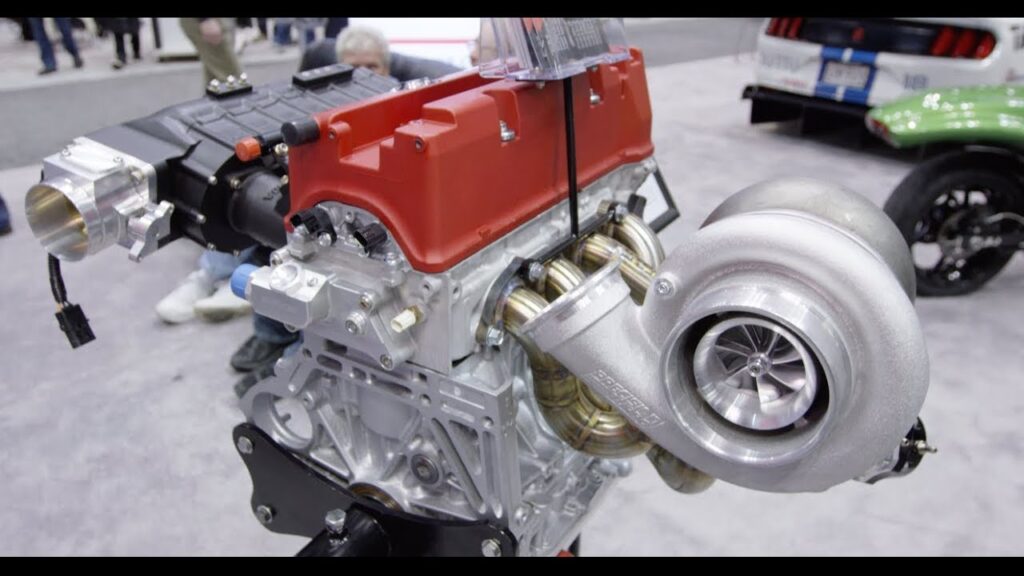
Single turbocharger setups represent the most popular forced induction approach for K24 engines, offering excellent boost response and power potential with reasonable complexity. Complete K24 turbo kits from companies like Full-Race, Precision Turbo, or Evo8 Turbo include the turbocharger, manifold, wastegate, intercooler, piping, and all necessary hardware, with prices ranging from $3,500-$6,500 depending on turbocharger size and component quality. A properly-sized turbocharger (GT3076R or similar) can support 400-500 horsepower on a stock-internal K24 with good tuning, while larger turbos (GTX3582R or similar) support 600+ horsepower when paired with forged internals and race fuel.
Supercharger kits offer different advantages, including instant boost response, linear power delivery, and simpler installation compared to turbo setups. Kraftwerks and CT Engineering manufacture complete supercharger systems specifically for K24 applications, using centrifugal superchargers that mount to the engine’s accessory drive system. Supercharger kits typically cost $4,500-$6,500 and can safely produce 300-350 horsepower on stock internals with proper tuning. While turbocharged setups ultimately offer higher power potential, superchargers provide exceptional drivability and bolt-on simplicity that appeals to enthusiasts prioritizing street performance over outright power numbers. Whether turbo or supercharged, a forced induction K24 engine for sale properly built and tuned provides performance that rivals dedicated sports cars costing significantly more.
Maintenance and Longevity: Protecting Your K24 Investment
Once you’ve found the perfect k24 engine for sale and completed your installation, proper maintenance ensures years of reliable performance from this legendary Honda powerplant. K24 engines are renowned for their durability and longevity, with many examples exceeding 250,000-300,000 miles with routine maintenance. However, neglect or improper maintenance can quickly degrade even the most robust engine. Understanding the K24’s specific maintenance requirements and common failure points allows you to proactively address potential issues before they become expensive problems.
Essential Maintenance Schedule and Best Practices
Oil changes represent the single most important maintenance task for K24 engine longevity. Honda recommends 0W-20 synthetic oil for most K24 variants, changed every 7,500 miles under normal conditions or every 3,750 miles under severe service (track use, extreme temperatures, frequent towing). However, most enthusiasts running performance-modified K24 engines opt for more frequent oil changes (3,000-5,000 miles) using high-quality synthetic oils like Mobil 1 Extended Performance, Pennzoil Platinum, or Royal Purple. These premium oils provide superior protection against heat and mechanical stress while maintaining proper viscosity under demanding conditions. Always use Honda or high-quality aftermarket oil filters like Wix or Mobil 1—cheap filters can cause oil starvation issues leading to premature bearing wear.
The timing chain system requires minimal maintenance but deserves periodic inspection, particularly on high-mileage engines. Unlike timing belts requiring replacement every 60,000-100,000 miles, K24 timing chains typically last the engine’s lifetime with proper oil changes. However, worn tensioners or guides can cause chain slack leading to timing problems or catastrophic failure if ignored. Listen for rattling noises from the timing cover area during cold starts—this often indicates worn tensioners requiring replacement. A complete timing chain service including new chain, guides, tensioners, and water pump costs $500-$800 in parts and represents good preventive maintenance for engines approaching 200,000 miles.
Cooling system maintenance prevents overheating-related failures that can destroy head gaskets or warp aluminum cylinder heads. Flush and replace coolant every 30,000 miles or 3 years using Honda genuine coolant or equivalent high-quality alternatives. Inspect coolant hoses for softness, cracking, or leaking, replacing any suspect hoses before they fail. The thermostat should be replaced if you experience irregular operating temperatures or cooling system issues. Upgrading to an aluminum radiator during routine maintenance provides additional cooling capacity and eliminates potential corrosion issues common with aging factory radiators. Proper cooling system maintenance costs $200-$300 every few years but prevents thousand-dollar head gasket repairs.
Common Issues and Preventive Solutions
While K24 engines are exceptionally reliable, certain issues appear more frequently and deserve attention when you purchase a k24 engine for sale or maintain your existing engine. The VTEC solenoid gasket commonly leaks oil on high-mileage K24 engines, leaving oil residue on the VTEC solenoid area at the rear of the cylinder head. This gasket costs $15-$30 and takes 30 minutes to replace, preventing oil leaks that can cause emissions issues or leave unsightly oil spots in your garage. Many K24 owners proactively replace this gasket during routine maintenance to avoid future problems.
Valve cover gasket leaks are another common issue on aging K24 engines, typically appearing around 100,000-150,000 miles. Oil seeping from the valve cover gasket runs down the side of the engine, potentially dripping onto exhaust components causing smoke and burning oil smell. Replacing the valve cover gasket costs $40-$60 for quality parts and represents straightforward maintenance requiring basic tools. While replacing the valve cover gasket, inspect the PCV valve and replace if necessary—a clogged PCV valve can cause excessive crankcase pressure leading to oil leaks from multiple seals and gaskets. This comprehensive valve cover area service takes 1-2 hours and prevents multiple oil leak sources.
The motor mounts on K24-equipped vehicles wear over time, causing excessive engine movement that leads to vibration, drivetrain clunk, and potential damage to exhaust and cooling system components. Inspect motor mounts every 50,000 miles for cracking, tearing, or excessive sagging. Quality replacement mounts from Innovative, Hasport, or genuine Honda parts cost $300-$600 for a complete set and dramatically improve vehicle refinement while protecting other components from stress caused by excessive engine movement. Many enthusiasts upgrade to polyurethane-filled mounts offering improved durability and reduced engine movement compared to stock rubber mounts, though with slight increases in vibration transmission to the chassis.
Legal and Regulatory Considerations for K24 Engine Swaps
Before purchasing a k24 engine for sale for an engine swap application, understand the legal and emissions implications that vary significantly by location. Engine swaps can create complicated regulatory situations, particularly regarding emissions compliance, vehicle registration, and insurance coverage. Navigating these regulations properly avoids fines, registration problems, or insurance claim denials. While regulations vary by state, province, and country, certain principles and best practices apply broadly to K24 swap projects.
Emissions Compliance and CARB Regulations
California’s strict emissions regulations, enforced by the California Air Resources Board (CARB), set standards that influence regulations nationwide and require special attention for any engine swap project. CARB regulations require that any engine swap install an engine of the same year or newer than the chassis, retain all emissions equipment from both the donor and recipient vehicles, and not increase emissions compared to the original configuration. Complete K24 swaps including the engine, ECU, wiring harness, and all emissions equipment have the best chance of passing CARB certification if properly documented and executed.
The CARB Executive Order (EO) system certifies specific engine swap combinations and aftermarket parts as legal for street use in California. Check the CARB website for executive orders covering your specific swap combination—some popular K24 swaps into Honda Civics have received official certification simplifying the legalization process. Any modification lacking a CARB executive order is technically illegal for street use in California, though enforcement varies. Many enthusiasts complete K24 swaps in California by working with referee stations that verify emissions compliance through testing rather than executive orders, providing a path to legalization even for unique combinations.
Outside California, emissions regulations vary significantly by state and jurisdiction. Some states have no emissions testing requirements, allowing virtually any engine swap without regulatory complications. Other states require emissions testing but accept any configuration passing the actual emissions test regardless of original equipment. Research your local regulations thoroughly before committing to a k24 engine for sale for swap purposes. Join local car clubs and online forums to learn from others who have successfully navigated the regulatory process in your area. Understanding regulations upfront prevents discovering compliance issues after investing thousands of dollars in your project.
Insurance and Registration Considerations
Notify your insurance company about any engine swap to ensure proper coverage. Insurance companies may adjust your policy premiums based on the engine swap, particularly if it significantly increases vehicle value or performance. Some insurers offer specialized modified vehicle coverage through programs designed for enthusiasts, often providing agreed-value coverage, modified parts coverage, and track day insurance unavailable through standard policies. Companies like Hagerty, Grundy, and American Collectors Insurance specialize in modified and performance vehicles, often offering better rates and coverage than mainstream insurers for heavily-modified K24 swap projects.
Registration and title implications vary by jurisdiction, with some requiring documentation of the engine swap through inspections or paperwork. Many states require an inspection by law enforcement or a state-designated inspector to verify that the vehicle identification number (VIN) matches the title and that the vehicle meets safety standards. The inspection typically doesn’t deeply investigate the engine swap but ensures the vehicle isn’t stolen and remains safe for operation. Prepare documentation showing you legally purchased the k24 engine for sale, including receipts, bills of sale, and the donor vehicle title if applicable. This documentation proves the engine’s legal origin if questions arise during inspection or registration renewal.
Real-World K24 Build Examples and Case Studies
Examining successful K24 projects provides inspiration and practical insights for your own build when you find the perfect k24 engine for sale. These case studies illustrate different approaches to K24 builds, from budget-friendly daily drivers to high-performance track weapons, demonstrating the platform’s versatility. Learning from others’ successes and challenges helps you avoid common pitfalls while identifying strategies and component choices that deliver results.
Case Study 1: Budget-Friendly K24A1 Turbo Civic Build
Mike from Portland, Oregon built an impressive K24A1 turbo setup in his 1999 Honda Civic hatchback for approximately $6,500 total investment including the engine purchase. He found a salvage yard K24A1 from a 2005 CR-V with 145,000 miles for $650, investing another $400 in preventive maintenance including timing chain service, new gaskets, and fresh fluids. The lower compression ratio of the K24A1 (9.6:1) allowed him to run 12 psi of boost on 91 octane pump gas without internal modifications, making it ideal for his budget-focused forced induction build.
Mike installed the engine using a Hasport mount kit ($550) and Rywire conversion harness ($680), keeping the factory K24 ECU which he tuned using Hondata KPro ($1,295). For forced induction, he chose a GT3076R turbocharger with a Full-Race manifold and external wastegate ($2,800 for complete kit), CX Racing intercooler and piping ($450), and Walbro 450 fuel pump with Injector Dynamics 1000cc injectors ($650 combined). After professional dyno tuning ($500), Mike’s budget K24 turbo build produced 387 wheel horsepower and 325 lb-ft of torque while maintaining excellent drivability and reliability for daily driving and weekend autocross events. His build demonstrates how a carefully-selected k24 engine for sale combined with smart component choices delivers impressive performance without breaking the bank.
Case Study 2: K24A2 Naturally Aspirated Track Build
Sarah from Austin, Texas pursued the naturally aspirated route with her K24A2 swap into a 2000 Acura Integra track car. She purchased a low-mileage K24A2 from a 2006 Acura TSX through a JDM importer for $2,400, specifically choosing this variant for its superior cylinder head and aggressive factory camshafts. Her naturally aspirated approach prioritized high-RPM power and reliability over peak output, accepting lower power numbers than forced induction for a simpler, more maintenance-free track car.
Sarah invested in supporting modifications that maximized naturally aspirated performance, including Skunk2 Stage 2 camshafts ($1,150), RBC intake manifold ($650), Skunk2 MegaPower header ($675), and complete exhaust system ($800). She sent the cylinder head to Bisimoto Engineering for port and polish work with upgraded valve springs and titanium retainers ($1,850), essential for safely reaching her 8,800 RPM redline.
The engine received professional tuning with Hondata KPro ($1,500 including tuning), achieving 248 wheel horsepower and 182 lb-ft of torque. While lower than turbo builds, this power level in a lightweight Integra provides exceptional track performance with linear power delivery and reliability that allows Sarah to focus on driving rather than maintenance. Her build showcases how the right k24 engine for sale properly configured for naturally aspirated performance creates a rewarding track weapon.
Case Study 3: K24Z3 All-Motor Street Build
James from Denver, Colorado built his daily-driven 2013 Honda Civic Si around the factory K24Z3 engine, proving that impressive naturally aspirated performance doesn’t always require engine swaps. Rather than searching for a k24 engine for sale, James maximized his existing K24Z3’s potential through carefully-selected bolt-on modifications and professional tuning. His approach demonstrates that the “best” K24 isn’t always the one purchased separately but sometimes the one already in your vehicle when properly developed.
James’s modification list included PRL Motorsports cold air intake ($395), PRL catless downpipe ($550), 27Won header ($645), Skunk2 MegaPower exhaust ($750), and Hondata FlashPro ($695) for ECU tuning. These modifications, combined with careful dyno tuning optimizing the factory K24Z3’s already-aggressive 11.0:1 compression ratio, yielded 238 wheel horsepower and 178 lb-ft of torque—a gain of approximately 35 wheel horsepower over stock. The linear power delivery and broad torque curve maintained excellent daily drivability while providing genuine performance upgrades for spirited weekend driving. James’s approach cost approximately $3,500 total, demonstrating that maximizing your existing K24 can sometimes provide better value than purchasing and installing a different variant.
Frequently Asked Questions About K24 Engines for Sale
What is the most reliable K24 engine variant?
The K24A2 from the 2004-2008 Acura TSX is widely considered the most desirable variant, but all K24 engines demonstrate exceptional reliability when properly maintained. The K24A1 from Honda CR-Vs offers excellent durability with its lower compression ratio making it ideal for forced induction applications. For pure reliability in stock configuration, the K24Z1 from 2008-2012 Honda Accords provides modern engine management with improved fuel efficiency and emissions compliance. Ultimately, any K24 variant properly maintained with regular oil changes, cooling system service, and preventive maintenance will reliably exceed 250,000 miles, making the “most reliable” variant largely dependent on how well the previous owner maintained the specific engine you’re considering.
How much horsepower can a stock K24 engine handle?
Stock internal K24 engines with factory connecting rods and pisons can reliably handle approximately 350-400 horsepower with proper tuning and supporting modifications. The lower-compression K24A1 (9.6:1) tends to tolerate forced induction slightly better than higher-compression variants, but all K24 blocks share similar strength characteristics. Beyond 400 horsepower, forged pistons and upgraded connecting rods become necessary for reliability and longevity. Some K24 owners have pushed stock internals to 450+ horsepower briefly, but most experienced builders recommend forged internals for any application targeting over 400 horsepower for long-term reliability. The K24’s robust block design accepts significant power increases, but responsible builders match internal components to intended power levels rather than pushing marginal configurations.
What transmission works best with K24 engines?
The K-series 6-speed manual transmissions from 2006-2011 Honda Civic Si and 2004-2008 Acura TSX represent the ideal pairing for K24 engines in performance applications, offering close-ratio gearing, excellent shift quality, and proven durability for modified engines producing 400+ horsepower. The K20 6-speed transmissions from 2002-2006 Acura RSX Type-S also work excellently, sharing similar specifications and direct bolt-up compatibility. For budget builds or daily driver applications, the 5-speed manual transmissions from various K24-equipped vehicles provide good reliability though with wider gear spacing less suited to performance driving. Automatic transmission options exist but are generally avoided in performance builds due to lower power handling capacity and increased weight.
Where can I find a K24 engine for sale near me?
Start your search with local salvage yards and auto recyclers, which typically maintain K24 inventory from donor vehicles in various conditions at competitive prices ($500-$1,500). Use online salvage yard networks like Car-Part.com to search multiple yards simultaneously, finding K24 engines within reasonable driving distance or available for shipping. Online marketplaces including eBay Motors, Facebook Marketplace, and Craigslist feature thousands of k24 engines for sale nationwide with varying prices, conditions, and included accessories. Honda and Acura enthusiast forums maintain classifieds sections where knowledgeable community members list engines with detailed specifications and transparent pricing. For premium options, JDM engine importers and professional engine builders offer high-quality K24 engines with warranties, though at higher prices reflecting their condition and support services.
Do K24 engines require premium fuel?
Stock K24 engines with factory compression ratios run perfectly well on regular 87 octane fuel, as Honda designs these engines for reliable operation on standard pump gas. However, higher-compression variants like the K24A2 (10.5:1) and K24Z3 (11.0:1) benefit from premium 91-93 octane fuel, particularly when driven aggressively or modified with performance parts. Using premium fuel in these higher-compression engines prevents detonation and allows the engine control system to optimize timing for maximum performance.
Modified K24 engines, especially forced induction applications, typically require premium fuel or even race fuel depending on compression ratio, boost levels, and tuning. Always consult with your engine builder or tuner regarding appropriate fuel requirements for your specific configuration—using inadequate fuel octane can cause catastrophic engine damage through detonation.
How long does K24 engine installation typically take?
A straightforward K24 engine replacement in a vehicle originally equipped with a K24 engine typically takes an experienced mechanic 8-12 hours including removal of the old engine, installation of the new engine, connecting all systems, and verifying proper operation. DIY installations often take weekend enthusiasts 2-3 full days working at a comfortable pace with proper tools and facilities.
Engine swap installations placing a K24 into a different chassis require significantly more time, typically 40-80 hours depending on chassis compatibility, custom fabrication requirements, and electrical integration complexity. First-time swaps take longer as you work through unexpected challenges and learn the process, while subsequent builds proceed more efficiently with experience. Professional shops can complete K24 swaps in 1-3 weeks depending on their workload and the project’s complexity.
What are common problems with used K24 engines?
Common issues with used k24 engines for sale include timing chain stretch and worn tensioners causing rattling on cold starts, particularly on high-mileage units exceeding 200,000 miles. Valve cover gasket and VTEC solenoid gasket leaks frequently appear around 100,000-150,000 miles, leaving oil residue on the engine exterior but rarely causing serious problems if addressed promptly.
Some K24 variants experience carbon buildup on intake valves over time, particularly K24Z7 direct injection engines, potentially causing rough idle and reduced performance requiring professional cleaning. Crankshaft position sensor failures occasionally occur, causing no-start conditions or intermittent stalling, but represent inexpensive fixes with $60 sensors and 30 minutes labor. Despite these minor issues, K24 engines remain exceptionally reliable with proper maintenance, and most problems encountered with used engines relate to deferred maintenance rather than inherent design weaknesses.
Can I use K20 parts with my K24 engine?
The K20 and K24 share extensive parts compatibility, allowing enthusiasts to mix components optimizing their builds’ characteristics. The K20 cylinder head bolts directly to K24 blocks, creating what the community calls “K20/K24 hybrid” builds combining the K24’s displacement and torque with the K20’s high-flowing head and aggressive camshafts. The K20A2 head from 2002-2006 Acura RSX Type-S is particularly popular for this application, featuring excellent flow characteristics and proven high-RPM capability.
Most K20 and K24 internal components including pistons, connecting rods, and crankshafts interchange within specific parameters, though verify compatibility for your specific combination. The intake manifolds, throttle bodies, fuel rails, and many accessories swap between K20 and K24 engines, providing flexibility for builders sourcing components from various donors to create optimized configurations.
Take Action: Find Your Perfect K24 Engine for Sale Today
The K24 engine platform offers exceptional value, reliability, and performance potential whether you’re seeking a replacement engine for your daily driver, planning an exciting engine swap project, or building a dedicated track weapon. With numerous variants available at different price points, supporting modifications for every budget, and proven reliability exceeding 250,000 miles with proper maintenance, the K24 remains one of the best four-cylinder engines ever produced. Your journey toward K24 ownership begins with understanding the variants, knowing where to find quality engines, and making informed purchasing decisions based on your specific needs and goals.
Start your search for a k24 engine for sale today by exploring the resources and strategies outlined in this comprehensive guide. Whether you choose a budget-friendly salvage yard K24A1 for a forced induction build, invest in a premium JDM K24A2 for naturally aspirated performance, or purchase a professionally-rebuilt engine for maximum reliability, proper research and careful evaluation ensure you get exceptional value from your investment. The K24 community remains active and supportive, with extensive documentation, technical resources, and experienced builders willing to share knowledge helping you succeed with your project.
Ready to power your project with Honda’s legendary K24 engine? Explore K24 engines for sale from reputable suppliers offering quality engines at competitive prices with warranty protection and shipping options. Don’t settle for inferior alternatives—choose the K24 platform trusted by thousands of enthusiasts worldwide for its perfect combination of performance, reliability, and value. Your dream build awaits, and the perfect K24 engine is out there ready to transform your project into reality.
For more information on engine modifications and performance upgrades, visit our comprehensive guide on engine performance and maintenance covering everything from basic maintenance to advanced tuning techniques.
Sources:
- Honda Motor Company Official Technical Documentation
- K-series Engine Community Forums and Build Threads
- Automotive Performance Engineering Research
- Salvage Industry Market Analysis Reports
Note: All prices and specifications mentioned in this article are based on market conditions as of 2024-2025 and may vary based on location, condition, and availability. Always verify specific details with sellers before making purchasing decisions.