In this guide
Understanding KPFF Consulting Engineers and Their Industry Leadership
KPFF Consulting Engineers stands as one of North America’s premier structural and civil engineering firms, delivering innovative design solutions across multiple disciplines. Founded in 1960, this employee-owned company has grown from a small Seattle-based practice into a powerhouse with over 20 offices spanning the United States. The firm’s reputation centers on technical excellence, collaborative problem-solving, and sustainable design practices that have shaped skylines and infrastructure across the continent.
The engineering landscape demands firms that can navigate complex regulatory environments while pushing the boundaries of what’s structurally possible. KPFF Consulting Engineers addresses these challenges through integrated teams of structural engineers, civil engineers, and specialized consultants who work seamlessly on projects ranging from high-rise towers to transportation infrastructure. Their approach combines cutting-edge technology with decades of accumulated expertise, making them a preferred partner for architects, developers, and public agencies seeking reliability and innovation.
What distinguishes KPFF from competitors is their employee ownership model, which fosters long-term thinking and accountability. When engineers have ownership stakes in project outcomes, quality naturally elevates. This structure has enabled the firm to maintain consistent leadership in seismic design, sustainable building practices, and complex structural systems that require deep technical knowledge. Their portfolio includes landmark projects that demonstrate both aesthetic sensitivity and engineering rigor, from museums and performing arts centers to hospitals and educational facilities.
Core Engineering Services Offered by KPFF Consulting Engineers
Structural Engineering Excellence
Structural engineering forms the backbone of KPFF Consulting Engineers’ service offerings, encompassing everything from initial concept development through construction administration. Their structural teams specialize in designing safe, efficient, and economical building systems that meet or exceed code requirements while accommodating architectural vision. This includes steel and concrete frame design, timber structures, post-tensioned systems, and innovative hybrid solutions that optimize material performance.
The firm’s structural engineers regularly tackle challenging projects in high-seismic zones, requiring sophisticated analysis and detailing strategies. They employ advanced modeling software and performance-based design methodologies to ensure buildings can withstand extreme events. Projects in Seattle, San Francisco, and Los Angeles showcase their expertise in seismic resilience, incorporating base isolation systems, damping devices, and ductile detailing that protects both life safety and property. Their work on healthcare facilities, data centers, and emergency operations centers demands continuous operation standards that go beyond conventional building codes.
KPFF’s approach to structural design integrates sustainability from the project’s inception. They evaluate embodied carbon in material selections, design for deconstruction and future adaptability, and optimize structural systems to minimize material waste. This forward-thinking perspective aligns with global efforts to reduce construction’s environmental footprint. Their engineers collaborate closely with architects to expose structural elements as architectural features, creating honest expressions of how buildings stand while reducing finish materials and associated costs.
Civil Engineering and Site Development
The civil engineering division at KPFF Consulting Engineers handles comprehensive site development, including grading and drainage design, utility coordination, stormwater management, and transportation planning. Urban infill projects require creative solutions to maximize developable area while meeting increasingly stringent environmental regulations. KPFF’s civil engineers navigate complex jurisdictional requirements, coordinating with municipal agencies to secure approvals and permits that keep projects on schedule.
Stormwater management has evolved into a specialized discipline requiring deep knowledge of hydrology, water quality treatment, and low-impact development techniques. KPFF implements green infrastructure solutions including bioretention systems, permeable pavements, and constructed wetlands that manage runoff while creating amenity spaces. Their projects demonstrate how engineering can enhance site ecology rather than merely mitigate impacts. This expertise proves particularly valuable in dense urban contexts where space for traditional detention ponds is unavailable.
Transportation infrastructure represents another civil engineering strength for the firm. They design roads, bridges, transit facilities, and pedestrian networks that improve connectivity while prioritizing safety and accessibility. Multi-modal transportation planning integrates vehicle circulation with bicycle facilities, transit stops, and pedestrian zones to create complete streets that serve diverse users. KPFF’s civil engineers also specialize in parking structure design, developing efficient layouts that balance capacity requirements with construction economy and user experience.
Specialized Engineering Disciplines
Beyond core structural and civil services, KPFF Consulting Engineers offers specialized expertise in seismic engineering, parking structure design, historic preservation, and forensic investigations. Their seismic engineering group includes recognized experts who contribute to building code development and industry standards. They perform peer reviews of critical facilities, conduct seismic risk assessments for existing building portfolios, and design retrofit solutions that extend structure lifespans while meeting current performance objectives.
Historic preservation projects require sensitivity to original construction methods and materials while introducing modern systems and meeting contemporary codes. KPFF’s preservation specialists assess existing structural conditions, develop stabilization strategies, and design interventions that respect historic character. They’ve worked on iconic buildings across the country, balancing preservation mandates with functional requirements and life safety improvements. This work demands careful documentation, materials analysis, and creative problem-solving to achieve owner objectives within preservation guidelines.
Forensic engineering investigations help clients understand structural failures, construction defects, and building performance issues. KPFF’s forensic teams analyze damaged structures, identify causation, and develop remediation strategies. Their investigations span buildings, bridges, retaining walls, and other constructed works. Expert testimony and litigation support complement their technical analysis capabilities. This service line benefits from the firm’s broad project experience and deep technical knowledge across multiple structural systems and materials.
Notable Projects and Portfolio Achievements
Landmark Buildings and Civic Infrastructure
KPFF Consulting Engineers has contributed structural and civil engineering to numerous iconic projects that define urban skylines. In Seattle, they engineered the Space Needle’s seismic retrofit, a complex project that strengthened this landmark structure while it remained open to the public. The retrofit included installing a damping system and upgrading structural connections to meet modern seismic standards without altering the tower’s distinctive appearance. This project exemplifies their ability to solve complex engineering challenges under constrained conditions.
Cultural institutions represent another portfolio strength, including performing arts centers, museums, and libraries that require column-free spaces, sophisticated acoustical isolation, and vibration control. The Kauffman Center for the Performing Arts in Kansas City showcases their expertise in designing for acoustical performance, with structural systems engineered to prevent vibration transmission between performance spaces. Museum projects demand precise environmental control and the ability to support heavy exhibit loads while maintaining flexible gallery spaces. KPFF’s experience spans renovations of historic museum buildings and design of contemporary facilities with innovative exhibition capabilities.
Educational facilities form a significant portion of their portfolio, from K-12 schools to research universities. These projects balance cost constraints with durability requirements, creating learning environments that support evolving pedagogical approaches. Science buildings require structural systems that accommodate heavy laboratory equipment, vibration-sensitive research instruments, and hazardous materials containment. Student housing projects optimize repetitive layouts while responding to site conditions and campus design standards. Athletics facilities present unique challenges including long-span roofs, specialty equipment loads, and dynamic loading from crowds and activities.
Healthcare and Mission-Critical Facilities
Healthcare facility design represents a specialized niche where KPFF Consulting Engineers demonstrates particular expertise. Hospitals require structural systems that support heavy medical equipment, allow for future modifications, and maintain operation during and after seismic events. The firm has engineered numerous hospital towers, medical office buildings, and specialty care facilities that meet stringent performance criteria. These projects incorporate isolation systems for MRI machines, reinforced floors for heavy imaging equipment, and seismically isolated utility systems that maintain functionality after major earthquakes.
Mission-critical facilities including data centers, emergency operations centers, and public safety facilities demand the highest levels of structural reliability. KPFF designs these facilities to remain operational during extreme events, incorporating redundancy, robust structural systems, and isolated mechanical systems. Data centers require precise vibration control, heavy floor load capacity, and flexible layouts that accommodate rapid technology changes. Emergency operations centers must withstand seismic forces exceeding standard building code requirements while maintaining full functionality, serving as command posts during disasters.
Research facilities present unique engineering challenges including controlling vibration for nanotechnology equipment, supporting heavy research apparatus, and accommodating specialized infrastructure. KPFF has engineered cleanroom facilities, vivarium buildings, and interdisciplinary research centers that push structural design boundaries. These projects require close coordination with equipment manufacturers, research scientists, and facility operators to understand performance requirements. The firm’s ability to translate operational requirements into structural solutions sets them apart in this specialized market sector.
Transportation and Infrastructure Projects
Transportation infrastructure projects demonstrate KPFF Consulting Engineers’ capabilities in bridge design, transit facilities, and multimodal transportation systems. They’ve designed pedestrian bridges, vehicular overpasses, and signature structures that become community landmarks. Bridge projects require consideration of seismic forces, traffic loading, environmental conditions, and long-term durability. The firm employs advanced analysis techniques to optimize spans and structural systems, balancing initial cost with lifecycle performance.
Transit facilities including light rail stations, bus rapid transit terminals, and intermodal centers represent growing practice areas as cities invest in public transportation. These projects integrate structural engineering with site civil work, creating seamless connections between transportation modes. Station designs must accommodate large passenger volumes, provide weather protection, and incorporate accessibility features while expressing civic identity. KPFF’s transit work spans elevated platforms, underground stations, and at-grade facilities across different urban contexts.
Parking structures constitute a specialized building type where efficiency directly impacts project economics. KPFF has refined parking design through hundreds of projects, developing layouts that maximize capacity while maintaining user-friendly circulation. They design both above-grade and below-grade parking, cast-in-place concrete and precast systems, and automated parking technologies. Their parking structures incorporate sustainable features including electric vehicle charging infrastructure, stormwater management, and solar canopy systems that generate renewable energy while providing weather protection.
Geographic Presence and Regional Expertise
West Coast Engineering Leadership
The western United States serves as KPFF Consulting Engineers’ historic home base and remains their strongest geographic market. Offices in Seattle, Portland, San Francisco, Los Angeles, and San Diego provide comprehensive regional coverage across the Pacific states. This concentration reflects both the region’s seismic challenges and robust construction markets. West Coast offices have developed deep expertise in seismic design, timber construction, and sustainable building practices that align with regional values and regulatory frameworks.
Seattle’s office, the firm’s founding location, maintains leadership in innovative structural systems and sustainable design. Projects throughout the Puget Sound region demonstrate their ability to navigate complex environmental regulations while delivering cost-effective solutions. The Pacific Northwest’s timber industry influences their structural material selections, with engineered wood products and mass timber systems featured prominently in recent projects. This regional expertise positions them as thought leaders in timber engineering as the industry embraces wood construction for taller buildings.
California’s seismic environment demands the highest level of structural engineering expertise, and KPFF Consulting Engineers has responded with offices staffed by recognized seismic design specialists. Their California teams work on some of the state’s most demanding projects including hospitals, high-rise towers, and critical infrastructure. Experience with California’s strict seismic codes and rigorous peer review processes gives them credibility with building officials and approval agencies. They’ve contributed to seismic code development and regularly present at industry conferences on advanced seismic design topics.
National Expansion and Regional Offices
Geographic expansion beyond the West Coast has established KPFF Consulting Engineers as a truly national firm. Offices in Denver, Phoenix, Austin, and other cities extend their reach into growing markets across the Mountain West and Southwest. These regional offices maintain the firm’s technical standards while building relationships with local architects, developers, and agencies. Expansion strategy focuses on markets with strong growth fundamentals and alignment with KPFF’s project type expertise, particularly higher education, healthcare, and institutional work.
The firm’s presence in emerging markets like Austin reflects their strategic focus on technology-sector growth regions. Austin’s booming economy drives demand for office buildings, research facilities, and residential towers where KPFF’s expertise delivers value. Similarly, Denver’s robust construction market supports a diverse project portfolio including commercial, residential, and institutional work. Regional offices benefit from corporate resources including specialized engineering groups, quality assurance programs, and knowledge management systems that maintain consistency across locations.
Midwest and East Coast expansions round out national coverage, with offices serving markets from Chicago to New York. These offices tackle regional challenges including extreme weather conditions, aging infrastructure, and dense urban contexts. Project types emphasize adaptive reuse and urban infill development where KPFF’s problem-solving capabilities shine. Working within existing building envelopes and constrained sites demands creative engineering approaches that maximize development potential while respecting neighborhood character. Their national footprint enables them to support clients with multi-market portfolios, providing consistent service delivery regardless of project location.
Technical Capabilities and Innovation
Advanced Analysis and Building Information Modeling
KPFF Consulting Engineers invests heavily in computational tools and building information modeling (BIM) technologies that enhance design quality and project coordination. Their engineers employ finite element analysis, nonlinear dynamic analysis, and computational fluid dynamics to understand complex structural behavior. Advanced analysis enables performance-based design approaches where structures are engineered to meet specific performance objectives rather than prescriptive code minimums. This methodology produces more efficient designs and better outcomes for critical facilities requiring enhanced performance.
Building information modeling has transformed project delivery, and KPFF has embraced BIM across all offices and project types. They develop detailed 3D structural models that coordinate with architectural and MEP systems, identifying conflicts before construction begins. BIM coordination reduces field conflicts, minimizes change orders, and improves construction quality. Their models serve multiple purposes beyond coordination including quantity takeoffs, construction sequencing visualization, and facility management applications. KPFF’s BIM expertise extends to training team members and collaborating with project partners to maximize technology benefits.
Parametric modeling tools enable rapid design iteration and optimization studies that would be impractical with traditional methods. Engineers can test multiple framing schemes, evaluate material alternatives, and optimize member sizes while maintaining code compliance. This capability supports value engineering efforts and helps clients make informed decisions about design tradeoffs. The firm’s technology committee evaluates emerging tools and establishes standards for software implementation, ensuring teams adopt proven technologies that enhance productivity and design quality.
Sustainable Engineering and Embodied Carbon Reduction
Sustainability has evolved from optional enhancement to core design requirement, and KPFF Consulting Engineers has positioned themselves as leaders in sustainable structural engineering. They quantify embodied carbon in structural systems, comparing alternatives to minimize environmental impacts. Material selection decisions consider lifecycle impacts including extraction, manufacturing, transportation, construction, operation, and end-of-life disposition. This holistic perspective identifies opportunities to reduce carbon footprints without compromising structural performance or significantly increasing costs.
Timber construction represents a major focus area given wood’s lower embodied carbon compared to steel and concrete. KPFF has engineered numerous mass timber projects including offices, residential buildings, and institutional facilities. Mass timber systems including cross-laminated timber (CLT), nail-laminated timber (NLT), and glue-laminated beams offer aesthetic appeal, carbon sequestration, and rapid construction timelines. The firm contributes to code development efforts enabling taller timber buildings, expanding opportunities for wood construction in markets traditionally dominated by concrete and steel.
Structural optimization reduces material quantities while maintaining safety and performance, directly cutting embodied carbon. KPFF employs optimization algorithms that minimize structural weight subject to code-prescribed constraints. These tools identify efficient framing layouts, optimize member sizes, and evaluate system alternatives. Optimized designs reduce material waste, lower transportation impacts, and decrease construction costs. The firm also designs for deconstruction, detailing connections that facilitate future disassembly and material reuse rather than demolition and disposal. This circular economy approach aligns with emerging sustainability frameworks prioritizing material circularity.
Seismic Resilience and Performance-Based Design
Seismic engineering represents a core competency where KPFF Consulting Engineers maintains recognized expertise. Their seismic specialists contribute to ASCE committees, SEAOC committees, and code development efforts that advance the profession. Performance-based seismic design allows engineers and owners to select performance objectives beyond prescriptive code minimums, tailoring structural systems to functional requirements. Critical facilities requiring continuous operation adopt enhanced performance objectives, while conventional buildings may target code minimum performance balancing safety and economics.
Base isolation and supplemental damping systems provide seismic protection for buildings requiring enhanced performance. KPFF has designed isolated buildings including hospitals, museums, and emergency facilities where seismic protection justifies additional investment. Base isolation systems decouple buildings from ground motion, dramatically reducing seismic forces transmitted to structures and contents. Damping devices dissipate seismic energy, reducing structural response without isolation systems’ complexity and cost. Selection between isolation, damping, and conventional systems depends on performance objectives, site conditions, and project budgets.
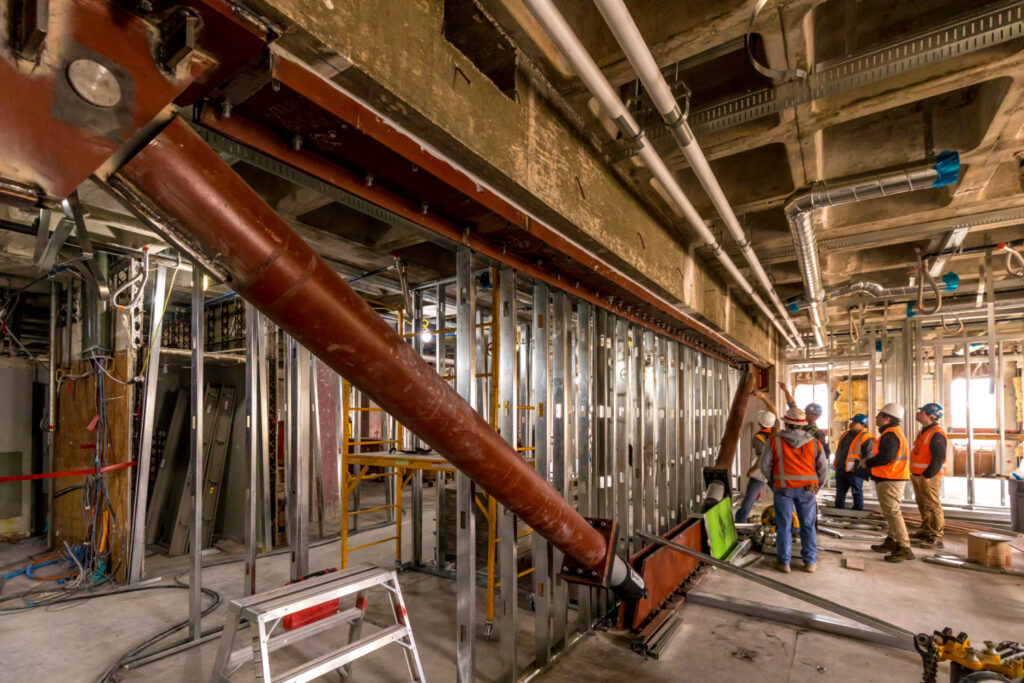
Seismic retrofit of existing buildings extends structure lifespans while improving life safety. KPFF evaluates existing buildings for seismic vulnerability, identifies deficiencies, and develops retrofit strategies meeting owner objectives. Retrofit approaches range from life safety improvements to full code compliance, with corresponding cost implications. Historic buildings require sensitive interventions that strengthen structures without compromising character-defining features. The firm’s experience spans unreinforced masonry buildings, non-ductile concrete frames, and steel moment frames with welded connections vulnerable to brittle fracture.
Industry Recognition and Professional Leadership
Awards and Project Recognition
KPFF Consulting Engineers has accumulated numerous industry awards recognizing engineering excellence and project innovation. The Structural Engineers Association of California presents annual Excellence in Structural Engineering awards, and KPFF projects regularly earn recognition across multiple categories. Awards validate technical achievement while providing marketing value and employee recognition. Project teams value external validation of their work, and clients benefit from association with award-winning projects that demonstrate design excellence.
American Council of Engineering Companies (ACEC) Engineering Excellence Awards represent the industry’s most prestigious recognition program. KPFF submits outstanding projects annually, earning Grand Awards and Honor Awards for exceptional engineering achievement. Winning projects demonstrate innovation, complexity, social value, and successful challenge resolution. Recognition spans project types including transportation infrastructure, building structures, and specialized facilities. These awards raise firm visibility among potential clients and position KPFF as an industry leader capable of tackling the most demanding projects.
Sustainable design awards from organizations including the U.S. Green Building Council recognize projects achieving high performance and environmental responsibility. KPFF-engineered buildings have earned LEED certifications at Platinum and Gold levels, demonstrating commitment to sustainability beyond rhetoric. These certifications verify measurable performance in energy efficiency, water conservation, material selection, and indoor environmental quality. As sustainability becomes increasingly important to building owners and occupants, demonstrated experience with green building programs provides competitive advantage.
Professional Organization Leadership
Individual engineers at KPFF Consulting Engineers contribute to professional organizations that advance structural engineering knowledge and practice standards. Participation in ASCE committees, SEAOC committees, and other technical groups keeps engineers current with emerging research while influencing code development. Committee work demands time investment but provides professional development opportunities and establishes thought leadership. Engineers who contribute to code committees gain deep understanding of requirements’ intent, improving their ability to apply codes appropriately on projects.
Conference presentations and technical publications showcase KPFF’s expertise to industry audiences. Engineers present case studies of innovative projects, research findings, and lessons learned from challenging assignments. Publications in journals including STRUCTURE magazine, Modern Steel Construction, and Concrete International reach practicing engineers nationwide. These contributions benefit the broader profession while raising KPFF’s profile. Thought leadership establishes credibility that translates into business development opportunities and attracts talented engineers seeking intellectually stimulating careers.
Mentorship programs and university partnerships develop the next generation of structural engineers. KPFF engineers teach university courses, serve on advisory boards, and host student tours introducing engineering careers. Internship programs provide students hands-on experience while creating recruitment pipelines. The firm’s commitment to professional development extends beyond formal programs to daily mentoring relationships between junior and senior engineers. This knowledge transfer maintains technical excellence as experienced engineers retire and new graduates join the profession.
Career Opportunities and Company Culture
Employee Ownership and Career Development
The employee ownership structure at KPFF Consulting Engineers creates unique career opportunities where engineers can achieve ownership stakes in a thriving professional services firm. Unlike publicly traded corporations where ownership is distant from daily operations, KPFF’s model enables engineers to become owner-principals sharing in firm success. This structure aligns individual interests with long-term firm health, encouraging quality work and client relationship building. Employee owners think like entrepreneurs while benefiting from established firm infrastructure and reputation.
Career paths at KPFF accommodate diverse interests and strengths. Technical specialists can advance without necessarily managing people, while those with leadership capabilities can pursue management tracks. The firm values both technical excellence and business development, recognizing that sustainable success requires both capabilities. Project management roles develop skills in client communication, team coordination, and delivery excellence. Business development positions focus on relationship building, proposal development, and strategic growth initiatives. This flexibility enables engineers to craft careers aligned with personal strengths and interests.
Professional development programs invest in employee growth through technical training, leadership development, and continuing education. Engineers maintain professional licenses requiring continuing education, and KPFF facilitates this through internal training programs and conference attendance. Technical workshops cover emerging topics including mass timber design, performance-based seismic engineering, and sustainable design strategies. Leadership programs develop management capabilities for engineers assuming supervisory responsibilities. The firm recognizes that investing in people creates competitive advantage through superior technical capabilities and client service.
Work Environment and Project Diversity
Project diversity at KPFF Consulting Engineers exposes engineers to varied building types, structural systems, and technical challenges that accelerate professional growth. Rather than specializing narrowly, engineers work across project types developing broad capabilities. One month might involve designing a concrete podium for a residential tower, the next month seismic evaluation of a historic building, and the following month bridge design for a transit agency. This variety keeps work engaging while building versatile skill sets valued in the profession.
Collaborative work environments emphasize team-based problem solving over individual heroics. Projects involve engineers at multiple experience levels working together, with senior engineers providing guidance while junior engineers contribute fresh perspectives. This collaborative approach produces better solutions than individuals working in isolation. Regular design reviews bring team members together to evaluate project progress, identify issues, and coordinate solutions. The culture encourages questioning assumptions and proposing alternatives, even from junior team members.
Work-life balance initiatives recognize that sustainable careers require reasonable workloads and personal time. While project deadlines occasionally demand extra effort, KPFF aims for consistent workloads that enable engineers to maintain interests outside work. Flexible work arrangements including hybrid remote work accommodate personal circumstances. The firm understands that attracting and retaining talented engineers requires competitive compensation, interesting work, and reasonable lifestyle expectations. Employee satisfaction surveys inform management decisions about workplace policies and resource allocation.
Working with KPFF Consulting Engineers
Project Delivery and Client Collaboration
Successful projects require effective collaboration between KPFF Consulting Engineers and project partners including architects, contractors, and owners. Early engineer involvement during conceptual design enables structural systems to inform architectural decisions rather than accommodate predetermined layouts. This integrated approach produces more efficient designs where structure and architecture work together. KPFF engineers participate in design charrettes, schematic design workshops, and value engineering sessions that explore alternatives and optimize solutions.
Communication protocols ensure project information flows efficiently between team members. BIM collaboration environments provide centralized project information accessible to all consultants. Regular coordination meetings address interdisciplinary issues, track action items, and maintain project schedules. KPFF assigns project principals who remain engaged throughout project duration, providing leadership continuity and maintaining client relationships. Project managers handle day-to-day coordination while principals guide strategic decisions and review key deliverables.
Quality assurance programs verify design accuracy and code compliance through structured review processes. Independent reviewers check calculations, examine drawings, and verify specifications before documents are issued. This internal peer review catches errors before they reach clients or contractors, maintaining design quality and protecting professional liability. The firm’s quality management system documents procedures for calculation formats, drawing standards, and design review protocols. Consistent quality processes across offices ensure clients receive similar service regardless of project location.
Fee Structures and Project Budgets
Engineering fees represent a small percentage of total project costs but significantly impact project outcomes. KPFF Consulting Engineers structures fees to align with project scope, complexity, and schedule. Fixed fee arrangements provide cost certainty for defined scopes, while hourly billing accommodates evolving project requirements. The firm works with clients to establish fee budgets that enable appropriate design effort without unnecessary conservatism. Adequate engineering fees ensure designs receive proper analysis, detailing, and review rather than rushed work that creates construction problems.
Value engineering studies evaluate design alternatives seeking cost savings without compromising performance. These studies work best when structural engineers participate actively, identifying opportunities based on construction cost implications. Material substitutions, system alternatives, and detail simplifications can reduce construction costs significantly. However, value engineering should not simply cheapen designs by eliminating safety margins or reducing quality. Effective value engineering maintains project objectives while finding more efficient solutions through creativity and technical knowledge.
Fee proposals outline scope assumptions, deliverables, and exclusions to ensure shared understanding between engineer and client. Clearly defined scopes prevent disputes about what services fees include. Additional services including excessive revisions, scope changes, and extended project durations warrant fee adjustments. KPFF’s project principals discuss scope changes proactively, documenting impacts before performing additional work. This transparent approach maintains positive client relationships while ensuring fair compensation for services provided.
Technology Integration and Digital Engineering
Structural Analysis Software and Tools
KPFF Consulting Engineers employs industry-leading structural analysis software including ETABS, SAP2000, RAM Structural System, and RISA3D for building analysis and design. These platforms enable engineers to model complex structures, apply code-prescribed loads, and perform linear and nonlinear analysis. Software selection depends on project type, structural system, and specific analysis requirements. The firm maintains licenses for multiple platforms, ensuring engineers can select optimal tools for each project rather than forcing projects into limited software capabilities.
Specialized analysis tools address unique project requirements including seismic isolation analysis, blast-resistant design, and progressive collapse evaluation. Perform-3D enables nonlinear dynamic analysis required for performance-based seismic design of critical facilities. LS-DYNA and similar explicit dynamics codes model blast loads and impact events. These sophisticated tools require specialized training and experience to apply appropriately. KPFF maintains internal expertise in advanced analysis methods, providing specialized services for projects requiring capabilities beyond conventional analysis.
Foundation design software evaluates soil-structure interaction, designs deep foundations, and analyzes retaining structures. Programs including LPILE, SHAFT, and FB-MultiPier model pile foundations under lateral and axial loading. These tools account for complex soil behavior, load transfer mechanisms, and group effects that hand calculations cannot address practically. Geotechnical engineers and structural engineers coordinate closely on foundation design, with structural engineers providing loading information and geotechnical engineers characterizing soil properties. This collaboration ensures foundations meet both structural and geotechnical requirements.
Construction Technology and Field Engineering
Construction technology adoption transforms how contractors build projects, and KPFF Consulting Engineers adapts design practices to leverage these technologies. Robotic total stations enable precise layout of structural elements, reducing field errors. Contractors use digital models for fabrication and assembly, requiring engineers to provide models meeting fabrication tolerances. Precast concrete and structural steel fabricators extract information directly from BIM models, eliminating manual takeoffs and reducing errors. This digital workflow demands higher modeling precision but produces better constructed outcomes.
Drones provide construction progress documentation and quality verification capabilities previously impractical. KPFF engineers review drone imagery comparing as-built conditions to design intent, identifying deviations requiring correction. This remote inspection capability proves particularly valuable for large sites, tall structures, and difficult-to-access areas. Contractors also use drones for surveying, progress tracking, and marketing documentation. As drone technology improves and regulations evolve, applications will expand further into routine construction administration.
Augmented reality applications overlay digital design information onto physical construction, helping field personnel verify installation accuracy. Workers wearing AR headsets see virtual elements superimposed on actual construction, comparing as-built to design. This technology catches errors during construction rather than after completion, reducing rework costs. While still emerging, AR holds promise for improving construction quality and reducing field conflicts. KPFF monitors these technologies, adopting those that demonstrate value for clients and project teams.
Understanding Structural Engineering for Clients
What Structural Engineers Do
Structural engineers ensure buildings, bridges, and other constructed works can safely resist applied loads including gravity, wind, seismic forces, and environmental conditions. KPFF Consulting Engineers provides the technical expertise ensuring structures stand up reliably over intended service lives. This involves analyzing load paths, sizing structural members, detailing connections, and specifying materials appropriate for project conditions. Structural design balances safety, economy, constructability, and architectural expression.
Load analysis begins with understanding how buildings will be used and what forces they’ll experience. Dead loads include permanent construction materials, while live loads represent occupancy and operational demands. Environmental loads including wind, snow, seismic, and temperature effects vary by geographic location and project characteristics. Building codes prescribe minimum load values, but engineers may use enhanced loads for important facilities. KPRF engineers evaluate all applicable loads, combining them per code requirements to determine design forces.
Structural systems including moment frames, braced frames, shear walls, and diaphragms resist lateral forces from wind and earthquakes. System selection depends on building height, occupancy, seismic zone, and architectural requirements. Moment frames provide flexible interior layouts without braced frame or shear wall intrusions but require larger member sizes. Braced frames and shear walls resist lateral forces efficiently but constrain architectural planning. Hybrid systems combine multiple lateral systems, optimizing performance and layout flexibility. KPFF engineers work with architects to select systems balancing technical and architectural requirements.
Reading Structural Drawings
Structural drawings communicate design intent to contractors and fabricators constructing projects. KPFF Consulting Engineers produces comprehensive drawing sets including foundation plans, framing plans, details, and schedules specifying structural elements. Understanding how to read these drawings helps clients and project partners grasp design concepts and coordinate construction activities. Foundation plans show footing sizes, locations, and reinforcement details transferring building loads to soil. Framing plans illustrate beam and column layouts, member sizes, and connection types.
Details provide enlarged views of complex connections, reinforcement arrangements, and construction sequences requiring additional clarification. Standard details address common conditions repeated throughout projects, while special details address unique situations. Sections cut through buildings showing multiple floor levels, foundation depths, and roof structures in single views. These orthographic projections help contractors understand three-dimensional relationships from two-dimensional drawings. Learning to mentally translate 2D drawings into 3D reality takes practice but becomes intuitive with experience.
Specifications complement drawings, describing materials, quality standards, and installation requirements. Division 3 specifications cover concrete materials and placement procedures, while Division 5 addresses structural steel fabrication and erection. These written documents supplement graphic information on drawings, providing comprehensive project requirements. KPFF engineers coordinate drawings and specifications ensuring consistency between documents. Contractors rely on both documents during construction, with specifications generally taking precedence when conflicts exist.
Common Structural Systems Explained
Steel frame construction offers strength, ductility, and speed advantages for mid-rise and high-rise buildings. Structural steel members including wide flange beams and columns connect through welded or bolted joints creating moment frames or braced frames. Steel framing accommodates large spans with relatively shallow floor systems, maximizing ceiling heights within building envelopes. KPFF Consulting Engineers designs steel frames for office buildings, residential towers, and institutional facilities where steel’s characteristics align with project requirements.
Concrete construction provides fire resistance, mass, and acoustic isolation valuable for residential buildings and parking structures. Cast-in-place concrete systems including flat slabs, post-tensioned slabs, and two-way slabs offer design flexibility and cost-effective construction. Precast concrete systems including hollow-core planks, double tees, and architectural panels enable rapid enclosure with factory-controlled quality. Concrete’s thermal mass moderates interior temperatures, reducing mechanical system demands. The material’s durability and minimal maintenance requirements make it economical over building lifecycles.
Mass timber systems represent emerging construction approaches using engineered wood products including cross-laminated timber (CLT), glue-laminated beams, and nail-laminated timber. These systems offer rapid construction, aesthetic appeal, and lower embodied carbon than steel or concrete. KPFF has embraced mass timber, engineering numerous projects that demonstrate wood’s viability for multi-story construction. Building code changes enabling taller timber buildings expand opportunities for this sustainable construction method. Timber’s renewable nature and carbon sequestration capabilities align with client sustainability goals.
Comparative Analysis: KPFF vs. Other Engineering Firms
| Feature | KPFF Consulting Engineers | Traditional Engineering Firms | Niche Specialists |
|---|---|---|---|
| Ownership Structure | Employee-owned partnership | Publicly traded or private equity | Founder-owned or small partnerships |
| Geographic Coverage | 20+ offices across North America | Varies widely | Typically single or few locations |
| Service Integration | Structural, civil, seismic specialties | Often single discipline or fully multi-disciplinary | Deep expertise in narrow area |
| Project Scale | Small to mega-projects | Similar range | Often limited to specialty projects |
| Seismic Expertise | Nationally recognized specialists | Varies by location | May exceed or lack focus |
| Sustainability Focus | Integrated sustainable design | Increasingly common | Varies significantly |
| Technology Adoption | Advanced BIM and analysis tools | Industry-standard practices | May lead or lag depending on niche |
| Quality Assurance | Formal multi-level review processes | Standard peer review | Varies by firm size |
This comparison demonstrates KPFF Consulting Engineers’ positioning as a large, technically sophisticated firm maintaining personal service and employee ownership. Their scale provides resources and expertise beyond typical local firms while avoiding bureaucracy often associated with mega-firms. Clients benefit from accessing specialized knowledge while working with stable, invested team members.
Industry Trends Affecting Structural Engineering
Mass Timber and Sustainable Materials
The structural engineering profession is experiencing a paradigm shift toward mass timber construction as building codes expand height and area allowances for timber buildings. KPFF Consulting Engineers actively participates in this movement, designing tall wood buildings that demonstrate timber’s technical and environmental advantages. Mass timber construction reduces embodied carbon by 50% or more compared to concrete and steel alternatives, supporting climate change mitigation goals. Wood’s aesthetic qualities create warm, inviting interior environments that occupants prefer over exposed concrete and steel.
Technological advances in timber manufacturing produce engineered wood products with consistent properties and impressive strength-to-weight ratios. CLT panels enable rapid construction with large prefabricated elements erected in days rather than weeks required for cast-in-place concrete. Timber’s lighter weight reduces foundation demands, particularly valuable on sites with challenging soil conditions. Fire performance concerns that historically limited timber use have been addressed through heavy timber elements maintaining structural integrity through protective char layers formed during fire exposure.
Sustainable material specifications extend beyond timber to include low-carbon concrete mixes, recycled steel, and bio-based insulation materials. KPFF engineers evaluate material environmental impacts using life cycle assessment tools that quantify carbon emissions, energy consumption, and other environmental metrics. Specifying concrete with supplementary cementitious materials including fly ash and slag reduces Portland cement content, cutting embodied carbon significantly. These specifications require coordination with local suppliers ensuring availability while meeting project budgets and schedules.
Resilience and Climate Adaptation
Climate change impacts structural engineering through increased extreme weather events, rising sea levels, and shifting temperature patterns. KPFF Consulting Engineers incorporates resilience considerations into designs, helping clients prepare for changing environmental conditions. Coastal projects account for projected sea level rise over building lifespans, elevating structures and protecting mechanical systems from flooding. Enhanced wind design responds to increasing hurricane intensity, particularly in Gulf Coast and Atlantic regions experiencing stronger storms.
Wildfire resilience has emerged as critical design consideration in western states experiencing longer fire seasons and larger conflagrations. Structures in wildland-urban interface zones require fire-resistive construction, defensible space, and protected ventilation preventing ember entry. KPFF designs buildings that can survive wildfire exposure, protecting occupants and property. These measures include non-combustible exterior cladding, tempered glazing, and roof systems resisting ember ignition. Insurance requirements increasingly mandate wildfire-resistant construction, making resilience design an economic imperative beyond life safety.
Resilient structural systems anticipate damage and enable rapid recovery rather than assuming structures will emerge unscathed from extreme events. This philosophy accepts that major disasters will cause some damage but designs structures to maintain function or return to service quickly. Redundant load paths, compartmentalized systems, and protected utility risers enhance resilience. Critical facilities including hospitals and emergency operations centers adopt resilient
design as standard practice, but concepts are expanding into commercial and residential applications as owners recognize long-term value.
Digital Twins and Smart Buildings
Digital twin technology creates virtual building models updated continuously with real-world performance data from sensors monitoring structural health, environmental conditions, and system operations. KPFF Consulting Engineers explores digital twin applications for structures requiring ongoing monitoring including bridges, high-rises, and critical facilities. Sensors embedded during construction measure strains, deflections, vibrations, and other structural responses, comparing actual performance to design predictions. This real-time data enables predictive maintenance, identifies developing problems before failures occur, and validates design assumptions.
Smart building systems integrate structural monitoring with mechanical, electrical, and operational systems creating comprehensive facility management platforms. These systems optimize building performance, reduce operating costs, and extend component lifespans through data-driven maintenance. For structural engineers, smart systems provide feedback on how structures actually behave under service loads, informing future designs. Long-term monitoring validates design assumptions, identifies overly conservative provisions, and highlights areas requiring enhanced attention.
Implementation challenges include sensor cost, data management, and defining action thresholds triggering human intervention. However, sensor costs continue declining while data analytics capabilities improve, making comprehensive monitoring increasingly practical. KPFF anticipates broader adoption of structural health monitoring, particularly for high-value assets where monitoring costs represent tiny fractions of replacement values. This trend will transform structural engineering from one-time design exercises to ongoing structure lifecycle management.
Frequently Asked Questions About KPFF Consulting Engineers
What services does KPFF Consulting Engineers provide?
KPFF Consulting Engineers offers comprehensive structural engineering, civil engineering, seismic engineering, parking structure design, historic preservation, and forensic investigation services. Their structural teams design building frames, foundations, and lateral systems for projects ranging from residential buildings to high-rise towers. Civil engineering services include site development, grading, drainage, utility design, and transportation infrastructure. Specialized groups focus on seismic design, sustainable engineering, and building enclosure consulting, providing clients with integrated expertise across multiple disciplines.
Where are KPFF Consulting Engineers office locations?
KPFF Consulting Engineers maintains over 20 offices throughout the United States, with primary locations in Seattle, Portland, San Francisco, Los Angeles, San Diego, Denver, Phoenix, Austin, and other major markets. This geographic distribution enables them to serve clients nationally while maintaining local presence and relationships. Regional offices understand local building codes, construction practices, and permit processes, facilitating smoother project delivery. Their West Coast offices represent the firm’s historical base, while continued expansion into emerging markets extends service coverage across the country.
What makes KPFF Consulting Engineers different from other engineering firms?
KPFF Consulting Engineers distinguishes itself through employee ownership, technical excellence, and integrated service delivery. The employee ownership model creates long-term thinking and accountability that clients experience through consistent project teams and committed service. Technical capabilities including advanced seismic design, sustainable engineering, and complex structural systems set them apart from generalist firms. Their scale provides specialized expertise and resources while maintaining collaborative culture and personal service. This combination delivers sophisticated technical solutions with relationship-based service that clients value.
Does KPFF Consulting Engineers work on residential projects?
Yes, KPFF Consulting Engineers designs structural systems for residential projects including single-family homes, townhouses, mid-rise apartment buildings, and high-rise condominium towers. Their residential portfolio spans affordable housing, market-rate developments, and luxury residences across various construction types. Engineers understand residential market economics, designing cost-effective structures meeting code requirements without unnecessary conservatism. Residential projects benefit from the same technical expertise and quality assurance applied to larger commercial and institutional work, ensuring residents receive well-engineered buildings.
How does KPFF Consulting Engineers approach sustainable design?
KPFF Consulting Engineers integrates sustainability throughout their design process, quantifying embodied carbon in structural systems and specifying low-impact materials. They employ life cycle assessment tools evaluating environmental impacts from material extraction through end-of-life disposition. Design strategies include structural optimization reducing material quantities, specification of low-carbon concrete mixes, and mass timber systems sequestering carbon. Their sustainable design expertise extends beyond LEED compliance to comprehensive approaches addressing climate change through reduced embodied carbon and enhanced resilience.
What types of clients does KPFF Consulting Engineers serve?
KPFF Consulting Engineers serves diverse clients including developers, architects, public agencies, healthcare systems, educational institutions, and corporations. Developer clients value their ability to deliver cost-effective designs meeting aggressive schedules. Architects appreciate collaborative design approaches where structural systems enhance architectural concepts. Public agencies rely on their expertise with complex procurement processes and public accountability requirements. Healthcare and institutional clients seek specialized knowledge designing mission-critical facilities requiring enhanced performance. This client diversity demonstrates the firm’s versatility and broad capabilities.
How much do KPFF Consulting Engineers services cost?
Engineering fee structures at KPFF Consulting Engineers vary based on project scope, complexity, schedule, and client requirements. Fees typically represent 1-3% of construction costs for building projects, though percentages vary with project characteristics. Complex projects requiring extensive analysis, unusual structural systems, or fast-track schedules warrant higher fees than straightforward designs. The firm works with clients establishing appropriate fee budgets enabling quality design without excessive conservatism. Fee proposals clearly define scope, deliverables, and assumptions ensuring shared understanding of what services include and preventing surprises during project execution.
What is KPFF Consulting Engineers’ experience with seismic design?
KPFF Consulting Engineers maintains nationally recognized seismic engineering expertise with specialists contributing to building codes and industry standards. Their portfolio includes seismic design and retrofit projects for hospitals, emergency facilities, high-rise towers, and critical infrastructure throughout high-seismic regions. Services range from performance-based design of new construction to seismic evaluation and retrofit of existing buildings. They employ advanced analysis techniques including nonlinear response history analysis, design base isolation and damping systems, and provide peer review services for critical facilities requiring independent verification of seismic design adequacy.
Case Studies: KPFF Engineering Solutions
Urban High-Rise Tower Project
A 40-story mixed-use tower in downtown Seattle presented significant structural challenges including high seismic forces, constrained site access, and aggressive schedule demands. KPFF Consulting Engineers developed an efficient structural system using reinforced concrete core walls for lateral resistance and post-tensioned floor slabs spanning from core to perimeter columns. This system minimized floor depth, maximizing rentable area within zoning height limits while providing excellent seismic performance through the concrete core’s ductility and strength.
Site constraints limited crane access and material staging areas, requiring careful construction sequencing coordination. KPFF worked closely with the contractor’s engineering team, reviewing shop drawings promptly and accommodating reasonable field requests that didn’t compromise structural integrity. Post-tensioned slabs enabled rapid construction with floor cycles of four days, accelerating schedule and reducing financing costs. The project achieved LEED Gold certification with structural contributions including optimized concrete mixes reducing embodied carbon and exposed concrete ceilings eliminating suspended finish materials.
Advanced seismic analysis using nonlinear response history methods demonstrated the structure would meet enhanced performance objectives exceeding code minimums. This analysis enabled efficient design avoiding over-conservatism while ensuring excellent seismic performance. The completed building provides 450 residential units above ground-floor retail and 10 levels of below-grade parking, contributing to downtown housing supply and urban density goals. This project exemplifies KPFF’s ability to navigate complex urban sites delivering efficient structures supporting architectural vision and owner objectives.
Historic Theater Renovation
A 1920s-era theater renovation required seismic strengthening while preserving historic character and maintaining tight construction budgets. KPFF Consulting Engineers evaluated existing structural conditions through field investigation and archival research, identifying seismic deficiencies requiring correction. The unreinforced masonry walls lacked adequate lateral resistance, and timber roof trusses needed strengthening to meet modern load requirements. Preservation guidelines limited visible alterations, requiring concealed strengthening strategies that wouldn’t impact historic character.
The structural solution included shotcrete shear walls hidden within existing wall cavities, steel moment frames within existing framing bays, and fiber-reinforced polymer reinforcement discreetly applied to timber members. These interventions significantly improved seismic performance without altering the building’s appearance from public spaces. The design respected preservation standards while meeting current building codes, a balance requiring creativity and technical sophistication. Close coordination with preservation authorities ensured design approaches satisfied multiple stakeholder requirements.
Construction phasing enabled the theater to maintain limited operations during renovation, preserving revenue and community programming. KPFF provided construction administration services, responding to field conditions and coordinating structural modifications with other building system upgrades. The completed project extended the building’s service life by decades, preserved important community asset, and demonstrated that historic structures can meet modern performance standards through thoughtful engineering. This case study illustrates KPFF’s expertise with sensitive renovation projects balancing preservation and safety.
Sustainable Campus Science Building
A university science building pursuing net-zero energy performance required innovative structural approaches supporting aggressive sustainability goals. KPFF Consulting Engineers collaborated with the design team from project inception, integrating structural decisions with architectural, mechanical, and envelope strategies. The structural system used mass timber for columns and beams with cross-laminated timber floor panels, significantly reducing embodied carbon compared to conventional concrete or steel alternatives. Exposed timber elements provided aesthetic warmth while eliminating ceiling finishes and reducing material consumption.
Detailed embodied carbon analysis compared multiple structural alternatives, quantifying environmental impacts and supporting informed material selections. The mass timber system sequestered approximately 1,200 tons of CO2 equivalent while reducing foundation loads through lightweight construction. Optimized concrete mixes for the building’s concrete foundations substituted 50% of Portland cement with slag cement, further cutting carbon footprint. These structural decisions contributed significantly toward net-zero carbon goals while maintaining competitive construction costs.
The building houses research laboratories requiring strict vibration control for sensitive equipment. KPFF designed floor systems meeting stringent vibration criteria through careful span selection, member sizing, and damping strategies. The timber structure successfully accommodated these demanding performance requirements, demonstrating that sustainable materials need not compromise technical performance. The project earned LEED Platinum certification and national recognition for sustainable design, validating the integrated design approach and innovative structural system. This case study showcases KPFF’s leadership in sustainable engineering and complex institutional facilities.
Enhancing Your Understanding of Structural Engineering
For those interested in learning more about engine-related topics and engineering fundamentals, exploring resources about automotive and mechanical systems can provide valuable context. Understanding how different engineering disciplines approach problem-solving creates appreciation for the integrated nature of modern construction and manufacturing. Visit General Engine resources to explore additional engineering concepts, including topics like the vanagon 50 degree syncro tdi engine crossmember and other mechanical systems that share problem-solving approaches with structural engineering.
Ready to work with KPFF Consulting Engineers on your next project? Contact their regional offices to discuss how their structural and civil engineering expertise can support your development goals. Whether you’re planning a high-rise tower, renovating a historic building, or designing critical infrastructure, KPFF Consulting Engineers brings technical excellence and collaborative spirit to every engagement. Visit KPFF Consulting Engineers to learn more about their services, view project portfolios, and connect with their engineering professionals.
The information in this article about KPFF Consulting Engineers is based on publicly available resources and industry knowledge. For specific project inquiries, capabilities, or current services, please contact KPFF Consulting Engineers directly through their official website.