In this guide
The automotive industry has witnessed a dramatic shift toward smaller, more efficient engines without sacrificing performance. At the forefront of this revolution stands the Chevy TurboMax engine, a groundbreaking turbocharged powerplant that has redefined what drivers can expect from modern vehicles. This comprehensive guide explores everything you need to know about this innovative engine technology, from its technical specifications to real-world performance and reliability.
What is the Chevy TurboMax Engine?
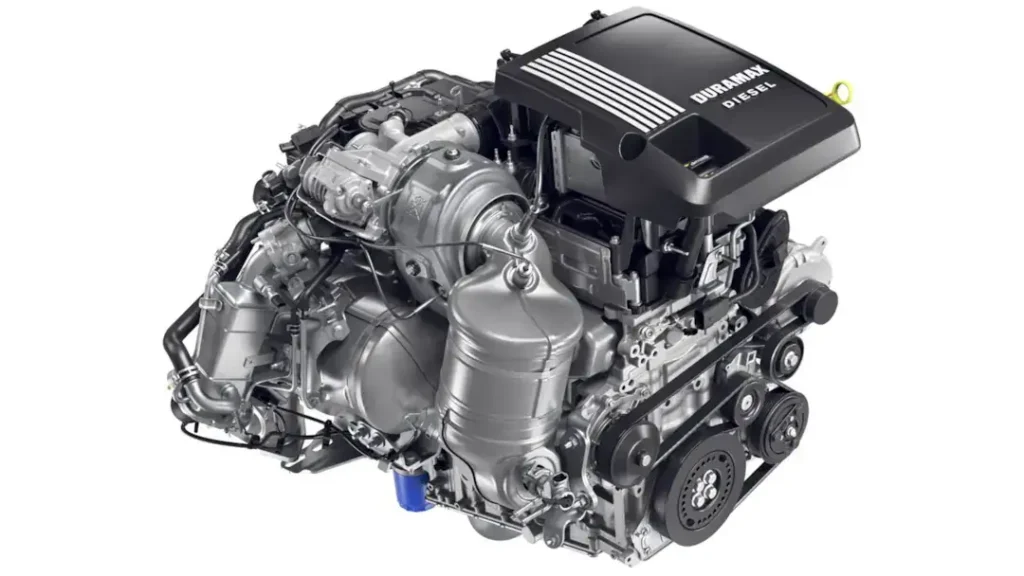
The Chevy TurboMax engine represents General Motors’ commitment to combining fuel efficiency with robust performance through advanced turbocharging technology. This engine family encompasses several displacement options, primarily focusing on four-cylinder configurations that deliver power traditionally associated with larger six-cylinder engines. The TurboMax designation signifies Chevrolet’s premium turbocharged engine offerings, engineered to provide maximum performance while maintaining excellent fuel economy ratings.
At its core, the TurboMax engine utilizes forced induction technology to compress incoming air, allowing more oxygen to enter the combustion chamber. This process enables the engine to burn more fuel efficiently, producing significantly more power than a naturally aspirated engine of similar size. The result is an impressive power-to-weight ratio that enhances vehicle acceleration, towing capacity, and overall driving dynamics without the fuel consumption penalties associated with larger displacement engines.
The engineering philosophy behind the Chevy TurboMax focuses on three primary objectives: delivering robust low-end torque for real-world driving situations, maintaining fuel efficiency across various driving conditions, and ensuring long-term reliability through advanced materials and precision manufacturing. These engines feature direct fuel injection, variable valve timing, and sophisticated engine management systems that optimize performance across the entire RPM range while minimizing emissions and maximizing fuel economy.
Technical Specifications and Engine VariantsThe Chevy TurboMax engine is officially designated as the L3B 2.7-liter turbocharged inline four-cylinder gasoline engine, representing a significant departure from traditional V6 and V8 configurations. This engine produces 310 horsepower and an impressive 430 pound-feet of torque, numbers that exceed many larger displacement engines in capability and low-end pulling power.
Core Engine Specifications
| Specification | Details |
|---|---|
| Displacement | 2.7 liters (166.4 cubic inches) |
| Configuration | Inline 4-cylinder |
| Aspiration | Turbocharged with dual-volute turbocharger |
| Power Output | 310 horsepower |
| Torque Output | 430 lb-ft |
| Fuel Injection | Direct injection |
| Fuel Economy (Silverado 1500) | 19 MPG city / 22 MPG highway |
| Maximum Towing Capacity | Up to 9,500 pounds (Silverado 1500) |
The technical foundation of this powerplant reveals engineering excellence throughout its construction. The engine features a fully forged steel bottom end, forged steel crankshaft that’s 30% stiffer than previous designs, iron liners cast into the block, and cast-iron ring carriers borrowed from diesel engine technology. This diesel-inspired construction allows the TurboMax engine to handle extreme loading conditions while maintaining long-term durability comparable to larger displacement engines.
The dual-volute turbocharger represents one of the engine’s most innovative features, featuring a unique design that separates exhaust flow into two distinct paths, enhancing efficiency and responsiveness while delivering improved torque on demand without typical turbo lag. This technological advancement ensures drivers experience immediate power delivery across all driving conditions, from highway merging to steep grade climbing with heavy trailers.
Advanced thermal management systems work continuously to optimize engine temperature. The engine incorporates priority oil flow with a pressure relief valve to maintain proper lubrication, an electric water pump for continuous cooling, active thermal management that adjusts for weather conditions, and piston cooling jets for enhanced lubrication under high loads. These systems work in concert to ensure the Chevy TurboMax engine maintains optimal operating temperatures regardless of ambient conditions or workload demands.
Vehicle Applications and Availability
The Chevy TurboMax engine serves as the standard powerplant for the 2025 Chevrolet Silverado 1500 and is available as an upgrade option in the 2025 Chevrolet Colorado, appearing in Colorado’s Trail Boss, Z71, and ZR2 off-road trims. This strategic positioning allows Chevrolet to offer capable performance across both full-size and midsize truck segments while maintaining competitive fuel efficiency ratings.
For the Silverado 1500, the TurboMax comes standard on several trims including Work Truck, Custom, Custom Trail Boss, LT, RST, and LT Trail Boss, making it accessible to buyers across various price points and configuration preferences. This broad availability demonstrates Chevrolet’s confidence in the engine’s capability to serve as a volume powerplant rather than a specialized performance option.
The engine’s application extends beyond Chevrolet’s lineup. GM also offers the TurboMax in sibling GMC vehicles like the Sierra 1500, ensuring consistent powertrain availability across General Motors’ light-duty truck portfolio. This shared platform approach allows GM to achieve economies of scale in production while delivering consistent performance characteristics across multiple brand identities.
When compared to previous generation engines, the improvements become immediately apparent. Compared to the 2022 Chevrolet Colorado’s 3.6-liter V6 engine that produced 308 horsepower and 275 lb-ft of torque, the TurboMax boasts just two more horsepower but delivers torque in another league at 430 lb-ft. This massive torque advantage translates directly into superior towing capability, improved acceleration under load, and better overall drivability in real-world truck applications.
Fuel Efficiency and Cylinder Deactivation Technology
Modern truck buyers demand both capability and efficiency, requirements that traditionally conflicted in powertrain design. The Chevy TurboMax addresses this challenge through sophisticated fuel management technologies that optimize consumption without compromising performance. Active Fuel Management technology intelligently shuts down two of the four cylinders under light loads to conserve fuel, with seamless transitions between two and four-cylinder modes that are virtually unnoticeable to drivers.
The cylinder deactivation system monitors driving conditions continuously, engaging only when power demands are modest and instantly reactivating all cylinders when acceleration or additional power becomes necessary. This intelligent management allows the engine to operate as a fuel-sipping two-cylinder during highway cruising or light-throttle urban driving, then instantly transform into a full four-cylinder powerhouse when towing demands or spirited driving requires maximum output.
Stop-start technology further enhances efficiency by automatically shutting off the engine when the truck comes to complete stops and restarting instantly when the brake pedal is released. This feature proves particularly beneficial in urban environments where frequent stops accumulate significant idle time. While some drivers initially express concerns about start-stop systems, the TurboMax implementation operates smoothly with minimal intrusion, and the feature can be temporarily disabled if preferred.
Real-world fuel economy numbers demonstrate the TurboMax engine’s efficiency advantages. The 2.7-liter TurboMax High-Output engine delivers 19/22 MPG city/highway in the Silverado 1500, compared to 16/21 MPG for the 5.3-liter EcoTec3 V8. This three MPG advantage in city driving and one MPG improvement on highways may seem modest but translates into substantial fuel savings over the vehicle’s lifetime, particularly for commercial operators or high-mileage drivers who accumulate tens of thousands of miles annually.
The efficiency gains become even more impressive when considering the performance differential. The Chevy TurboMax delivers comparable or superior torque to larger V8 engines while consuming significantly less fuel, achieving the holy grail of powertrain engineering: doing more with less. This efficiency doesn’t come from sacrificing capability but rather from intelligently managing combustion, air delivery, and fuel consumption through advanced engine management systems.
Performance Comparison: TurboMax vs Traditional V6 and V8 Engines
Understanding how the Chevy TurboMax engine compares to both previous generation V6 engines and current V8 options provides valuable context for potential buyers. The TurboMax produces more torque than the Silverado’s 5.3-liter V8 base option, with the four-cylinder delivering 430 lb-ft compared to just 383 lb-ft from the V8, though the powerful 6.2-liter V8 manages to produce 30 lb-ft more than the TurboMax at 460 lb-ft.
Engine Comparison Table
| Engine | Horsepower | Torque (lb-ft) | Configuration | Fuel Economy (City/Hwy) |
|---|---|---|---|---|
| 2.7L TurboMax | 310 hp | 430 lb-ft | I4 Turbo | 19/22 MPG |
| Previous 3.6L V6 | 308 hp | 275 lb-ft | V6 NA | Lower than TurboMax |
| 5.3L EcoTec3 V8 | 355 hp | 383 lb-ft | V8 | 16/21 MPG |
| 6.2L EcoTec3 V8 | 420 hp | 460 lb-ft | V8 | Lower than 5.3L |
The torque advantage of the TurboMax over both the previous V6 and the smaller V8 option deserves particular emphasis. Torque, not horsepower, determines a truck’s ability to accelerate heavy loads, climb steep grades, and tow trailers confidently. The TurboMax’s 430 lb-ft torque output means it can outperform larger engines in precisely the scenarios truck owners encounter most frequently in real-world usage.
The TurboMax demonstrates impressive real-world performance, capable of returning 23 MPG on the highway and 19 MPG around town in the GMC Canyon while delivering strong acceleration. This combination of performance and economy represents exactly what modern truck engineering strives to achieve, successfully delivering V6-beating capability with four-cylinder efficiency.
Acceleration metrics further demonstrate the TurboMax engine’s capability. When under the hood of Chevrolet’s flagship Colorado ZR2 Bison, the TurboMax propels the mid-size truck from 0 to 60 mph in less than eight seconds. For a truck weighing over 4,500 pounds and equipped for serious off-road capability, this represents genuinely impressive performance that many sports sedans would struggle to match.
Engineering Excellence: Diesel-Inspired Design Philosophy
The Chevy TurboMax engine borrows heavily from diesel engine construction principles, a strategic decision that pays dividends in durability and longevity. The engine is designed like a diesel, utilizing diesel technology for high loads and including a fully forged bottom end, which provides diesel-like torque and similar fuel economy without the mass and complications of actual diesel powertrains.
This diesel-inspired approach manifests in several critical engineering decisions. Traditional gasoline engines typically use cast components in the lower end to reduce costs and weight. However, the extreme cylinder pressures generated by turbocharging combined with the loads imposed by truck applications demand stronger construction. The forged steel crankshaft, forged connecting rods, and reinforced engine block create a foundation capable of withstanding punishment that would quickly destroy conventional gasoline engine internals.
The iron liners cast into the aluminum block represent another diesel-derived technology. These iron liners are spun in a refractory and cast directly into the block, handling incredibly high loads while maintaining dimensional stability. This construction method combines the weight savings of an aluminum block with the durability of traditional iron cylinder construction, optimizing the strength-to-weight ratio critical for modern truck applications.
Cast-iron ring carriers in the piston assembly further demonstrate the diesel influence. These components, uncommon in gasoline engines, provide exceptional wear resistance and dimensional stability under the elevated temperatures and pressures generated by turbocharged combustion. The result is an engine that maintains tight tolerances and low oil consumption even after hundreds of thousands of miles, matching or exceeding the legendary durability expectations Chevrolet truck owners have come to expect.
The engineering team’s decision to incorporate these heavy-duty components adds modest weight and cost compared to conventional gasoline engine construction. However, the longevity benefits and enhanced capability justify these trade-offs, particularly for commercial users who depend on their trucks for income generation and cannot afford premature engine failures or expensive rebuilds.
Towing and Payload Capabilities
Truck buyers prioritize towing and payload capabilities above nearly every other specification, making these metrics critical for evaluating the Chevy TurboMax engine’s suitability for work applications. The 2.7-liter TurboMax High-Output engine delivers a maximum towing capacity of up to 9,500 pounds in the Silverado 1500, compared to 11,200 pounds when fitted with the 5.3-liter EcoTec3 V8.
The 1,700-pound towing capacity difference between the TurboMax and 5.3L V8 represents a meaningful gap for users who regularly tow near maximum capacity. However, for the vast majority of truck owners who never approach maximum towing limits, the TurboMax’s 9,500-pound capability proves more than adequate. This capacity handles large travel trailers, equipment trailers, boat combinations, and virtually any recreational or light commercial towing application with confidence and stability.
Understanding that torque, not horsepower, determines towing capability provides context for the TurboMax’s impressive numbers. The engine develops peak torque at relatively low RPMs, ensuring strong pulling power is available exactly when needed during trailer acceleration, grade climbing, and passing maneuvers. The turbocharger spools quickly, delivering boost pressure and torque multiplication nearly instantaneously when the driver depresses the accelerator pedal.
Payload capacity, while less frequently discussed than towing, matters enormously for commercial truck operators and contractors. The TurboMax’s lighter weight compared to V8 alternatives actually improves payload capacity in some configurations, as the reduced powertrain weight allows more of the truck’s gross vehicle weight rating to be dedicated to cargo rather than the engine itself. This weight advantage can mean the difference between hauling required materials in one trip versus two, directly impacting productivity and profitability.
The eight-speed automatic transmission paired with all TurboMax applications optimizes power delivery and maintains ideal engine speeds during towing. This transmission features closely spaced gear ratios that allow the engine to remain in its optimal torque band regardless of speed or load, ensuring responsive performance whether towing up mountain passes or cruising empty on highways.
Advanced Technologies and Features
Modern engines function as sophisticated computer-controlled systems rather than purely mechanical devices, and the Chevy TurboMax exemplifies this evolution. The engine management system monitors hundreds of parameters per second, continuously adjusting fuel delivery, ignition timing, turbocharger boost pressure, and valve timing to optimize performance, efficiency, and emissions across all operating conditions.
Direct fuel injection represents a cornerstone technology enabling the TurboMax’s impressive performance and efficiency. Unlike traditional port fuel injection that sprays fuel into the intake port, direct injection delivers precisely metered fuel directly into the combustion chamber at extremely high pressure. This approach allows for more complete combustion, reduces the risk of pre-ignition or knock, and enables higher compression ratios that extract more energy from each drop of fuel.
Variable valve timing adjusts both intake and exhaust valve opening and closing points based on engine speed, load, and operating conditions. At low speeds and light loads, the system retards valve timing to improve fuel economy and reduce emissions. Under hard acceleration or heavy loads, the system advances valve timing to maximize power output and throttle response. This continuous optimization ensures the engine always operates at peak efficiency for current demands rather than compromising across all conditions.
The electric water pump represents a departure from traditional mechanically-driven cooling systems. The electric water pump continually cools the engine for enhanced performance every time you drive, operating independently of engine speed and allowing coolant flow to be optimized based on actual cooling needs rather than simply engine RPM. This approach improves cold-weather warm-up times, enhances cooling capacity under extreme conditions, and reduces parasitic power losses during light-load operation.
Active thermal management extends beyond basic engine cooling to optimize operating temperatures throughout the powertrain. This system heats engine components during cold weather and cools them during hot weather, ensuring components reach ideal operating temperatures quickly regardless of ambient conditions. Faster warm-up reduces wear during cold starts, improves cabin heating, and brings the engine into its most efficient operating range sooner.
Reliability and Longevity Expectations
Truck owners rightfully scrutinize new engine designs for potential reliability issues, as pickups often serve as critical tools for income generation rather than mere transportation. The Chevy TurboMax engine, despite being relatively new to the market, demonstrates several design characteristics that suggest strong long-term durability prospects.
The diesel-inspired construction philosophy fundamentally supports longevity expectations. Components engineered to withstand diesel-level cylinder pressures and thermal loading provide substantial safety margins when operating as gasoline engines. The forged steel crankshaft, heavy-duty connecting rods, reinforced block casting, and iron cylinder liners all contribute to an engine built to last hundreds of thousands of miles rather than the 100,000-150,000 mile lifespan typical of more lightly constructed powertrains.
The TurboMax carries the same warranty terms as Chevrolet’s Duramax diesel engines, a significant statement of confidence from General Motors. Diesel engine warranties typically exceed gasoline warranties because manufacturers understand diesel construction standards support extended service lives. Applying equivalent warranty coverage to the TurboMax suggests GM engineering teams believe this gasoline engine can match diesel durability expectations.
Early owner reports and automotive journalism evaluations generally praise the TurboMax for smooth operation, strong performance, and absence of concerning mechanical issues. While the engine hasn’t existed long enough to accumulate high-mileage data from early adopters, the lack of widespread problems or technical service bulletins during the initial years bodes well for long-term reliability.
Proper maintenance remains critical for ensuring any engine achieves its maximum service life. The TurboMax requires regular oil changes using manufacturer-specified synthetic oils, timely coolant system service, air filter replacement at recommended intervals, and periodic inspection of turbocharger components and connections. Owners who adhere to Chevrolet’s maintenance schedule can reasonably expect the engine to deliver reliable service well beyond 200,000 miles with only routine maintenance and minimal repairs.
The turbocharger represents the most complex mechanical component and traditionally the most likely source of problems in turbocharged engines. However, modern turbochargers feature liquid cooling, sophisticated bearing systems, and advanced materials that dramatically improve reliability compared to earlier forced induction designs. The TurboMax’s dual-volute turbocharger benefits from continuous engineering refinement, and proper oil change intervals ensure adequate lubrication that prevents premature turbocharger wear.
Known Issues and Common ProblemsWhile no engine design is perfect, the Chevy TurboMax engine has experienced several documented issues that prospective buyers and current owners should understand. The known issues, such as carbon buildup common in most brands’ direct-injection engines, are relatively easy to deal with and can generally be avoided by following the manufacturer’s maintenance schedule. Understanding these potential problems allows owners to implement preventive maintenance strategies and recognize early warning signs before minor issues escalate into major failures.
Carbon Buildup on Intake Valves
Direct fuel injection, while offering numerous performance and efficiency advantages, creates a specific maintenance challenge that affects the TurboMax and virtually all modern direct-injected engines. Carbon buildup results from the engine’s direct injection combined with poor fuel use or short drives, causing lower performance, rough idle, bad fuel mileage, and engine misfires. In traditional port-injected engines, fuel sprayed onto intake valves provides a cleaning action that prevents carbon accumulation. Direct injection eliminates this cleaning mechanism, allowing oil vapor and combustion byproducts to gradually coat valve surfaces.
Prevention strategies include using high-quality gasoline containing effective detergent packages, avoiding excessive short-trip driving that never allows the engine to reach full operating temperature, and considering periodic intake valve cleaning services. Some owners install oil catch cans that capture crankcase vapors before they reach the intake system, dramatically reducing carbon accumulation rates. Professional walnut blasting services can remove existing carbon deposits, restoring intake valve function and engine performance to as-new condition.
Active Fuel Management System Concerns
Active Fuel Management (AFM) system problems lead to oil overuse, power loss, stalling, and slow acceleration, with lifters that can collapse when impurities in the oil clog them up. This cylinder deactivation technology, while improving fuel economy, introduces mechanical complexity and additional points of potential failure. The hydraulic lifters that enable cylinder deactivation must function flawlessly, operating rapidly and reliably thousands of times during each drive cycle.
Regular oil changes can help mitigate AFM concerns, though many GM truck owners wish the system was simply never installed or could be bypassed. Using manufacturer-specified oil grades and changing oil more frequently than minimum recommended intervals can reduce AFM-related problems. Some aftermarket companies offer AFM disable modules that prevent the system from activating, though this modification may impact fuel economy and could potentially affect warranty coverage.
Fuel Injector Issues and GM Response
GM addressed fuel injector problems that resulted in incorrect fuel flow rates and emissions breaches with a Customer Satisfaction Program instigated in February 2024. These injector issues affected certain 2023 model year vehicles, causing rough running, poor fuel economy, and elevated emissions. General Motors’ response demonstrates the company’s willingness to address problems proactively, even when issues don’t rise to the level of formal safety recalls.
GM issued a recall pertaining to 2023 Chevrolet Silverado 1500 and Colorado models where fuel injectors could have incorrect fuel flow rates resulting in non-compliant emissions, with Chevrolet replacing faulty injectors along with new seals, gaskets, and fuel-feed pipes. Owners of affected vehicles received notification letters and were instructed to schedule service appointments for no-cost repairs performed at authorized dealerships.
Engine Block Cracking Concern
The most serious reported issue involves potential manufacturing defects. A manufacturing flaw during casting may cause cracks in the engine block’s main oil gallery, with cracked blocks resulting in oil leaks, engine failure, and possible safety hazards, requiring full engine replacement at no cost to owners. This issue, while affecting a relatively small percentage of engines, represents a catastrophic failure requiring complete engine replacement rather than simple component repair.
General Motors responded swiftly to this problem, implementing inspection protocols and offering complete engine replacements for affected vehicles. Owners who experience symptoms including oil leaks, unusual engine noises, or warning lights should immediately have their vehicles inspected by authorized dealers. The good news is that GM covers these engine replacements fully, even for vehicles outside normal warranty coverage periods in many cases.
Misfire and Diagnostic Challenges
Misfires trouble some owners of TurboMax-equipped GM models, with many running into difficulties getting misfires diagnosed as some owners experience misfires at higher revs with rough acceleration felt through the gas pedal, though dealers couldn’t find answers as no codes were stored. These intermittent misfires prove frustrating because modern diagnostic systems typically record fault codes when problems occur, allowing technicians to identify root causes efficiently.
Some owners have managed to trace misfires back to faulty spark plugs, with Chevrolet advising that plugs shouldn’t need replacing until 97,500 miles, however owners are finding that plugs go faulty much earlier. Replacing spark plugs at shorter intervals than officially recommended may prevent misfire issues, particularly for vehicles subjected to severe duty cycles including frequent towing, extensive idling, or operation in dusty environments.
Oil Consumption Reports
While oil consumption doesn’t seem to be a drastic issue with the 2.7L TurboMax engine yet, owners are having to keep close eyes on oil levels, and some have taken to shortening service intervals from what GM recommends. Monitoring oil levels between service appointments represents good practice for any turbocharged engine, as turbochargers operate at extremely high speeds and temperatures requiring consistent lubrication.
Real-World Fuel Economy Variance
Owners have been complaining online that real-world fuel economy of their Chevy TurboMax engine is not close enough to quoted figures, making them wonder if the new, smaller engine was worth it at all. EPA fuel economy estimates represent idealized test conditions that rarely match real-world driving patterns. Factors including driving style, terrain, temperature, payload, and tire pressure all significantly impact actual fuel consumption.
Overall Reliability Perspective
Most owners are actually very happy with the TurboMax’s performance and reliability, with owners making statements like having 44,000 kilometers with no hiccups whatsoever with the motor, and another with 33,000 miles reporting it’s been completely fine. These positive reports from actual owners suggest that while problems exist, they affect a minority of engines rather than representing systemic failures plaguing every vehicle.
The Chevy TurboMax engine appears to follow typical patterns for new powertrain introductions, experiencing some teething issues during initial production years while the vast majority of engines perform reliably. Prospective buyers should feel confident in the engine’s fundamental design while remaining aware of potential issues and maintaining vigilance regarding proper maintenance schedules.
Maintenance Requirements and Best Practices
Maximizing the Chevy TurboMax engine’s service life requires adherence to comprehensive maintenance schedules that address both routine service items and turbocharged engine-specific requirements. General Motors publishes detailed maintenance schedules in owner’s manuals, but understanding the reasoning behind these recommendations helps owners make informed decisions about their vehicles.
Oil and Filter Service
Turbocharged engines place extreme demands on lubricating oil, with turbocharger bearings spinning at speeds exceeding 150,000 RPM while operating at temperatures approaching 1,000 degrees Fahrenheit. These conditions rapidly degrade oil, making frequent oil changes more critical than with naturally aspirated engines. The TurboMax requires fully synthetic oil meeting GM’s dexos1 Gen 3 specification, a premium lubricant formulation specifically engineered for modern turbocharged, direct-injected engines.
Chevrolet recommends oil changes at intervals determined by the vehicle’s Oil Life Monitor system, typically ranging from 5,000 to 7,500 miles under normal operating conditions. However, vehicles subjected to severe duty cycles including frequent towing, extensive idling, extreme temperatures, or dusty environments benefit from more frequent service intervals. Many knowledgeable owners and mechanics recommend 5,000-mile oil change intervals regardless of monitor recommendations, particularly during the critical break-in period and for vehicles maintained for long-term ownership.
Cooling System Maintenance
The TurboMax engine’s sophisticated thermal management system requires properly maintained cooling system components to function correctly. Coolant should be inspected regularly for proper concentration and condition, with complete system flushes performed according to manufacturer recommendations, typically every 150,000 miles or five years. Using only GM-approved coolant formulations ensures compatibility with aluminum and steel components, preventing corrosion and maintaining optimal heat transfer efficiency.
The electric water pump requires no regular maintenance but should be monitored for proper operation. Warning signs of pump failure include overheating, fluctuating temperature gauge readings, or visible coolant leaks around the pump housing. Replacing a failing water pump before complete failure prevents potential engine damage from overheating events that can warp cylinder heads or damage head gaskets.
Air Filter and Intake System Service
The turbocharger compresses incoming air, magnifying the impact of any restrictions in the intake system. A partially clogged air filter forces the turbocharger to work harder, increasing exhaust temperatures and reducing efficiency. Regular air filter inspection and replacement ensures maximum airflow, optimal performance, and extended turbocharger life. Vehicles operated in dusty environments require more frequent filter service than those driven primarily in clean urban areas.
Periodic inspection of intake system components including air ducting, intercooler, and turbocharger inlet connections identifies potential air leaks that reduce boost pressure and compromise performance. Any cracked hoses, loose clamps, or damaged components should be replaced immediately to maintain proper system operation.
Spark Plug Replacement
Despite official recommendations suggesting 97,500-mile spark plug replacement intervals, real-world experience indicates shorter intervals may prove beneficial for the Chevy TurboMax. The high cylinder pressures generated by turbocharging accelerate electrode wear, particularly when towing or operating under high loads. Many mechanics recommend 60,000-mile spark plug replacement intervals for turbocharged engines, with even shorter intervals for severe duty applications.
Using only OEM-specified spark plugs ensures proper heat range, electrode gap, and thread reach. Aftermarket spark plugs, even premium options, may not perform optimally in turbocharged applications where precise ignition timing and consistent spark delivery critically impact performance and efficiency. The modest cost of premium spark plugs represents cheap insurance against misfires, rough running, and potential catalytic converter damage from incomplete combustion.
Fuel System Maintenance
High-quality gasoline containing effective detergent packages helps maintain fuel injector cleanliness and prevents carbon deposits on intake valves. While premium gasoline isn’t required for the TurboMax, it provides benefits including enhanced detergent packages and improved resistance to knock under high boost conditions. Many owners report smoother operation and slightly better fuel economy when using premium fuel, though the cost difference may not justify universal premium fuel use.
Periodic fuel system cleaning treatments can help maintain injector function and prevent deposits, though these should supplement rather than replace proper fuel choice and driving habits. Professional fuel system cleaning services performed during regular maintenance intervals ensure optimal fuel delivery and combustion efficiency.
The Future of the Chevy TurboMax Platform
The Chevy TurboMax engine represents more than just another powertrain option in General Motors’ portfolio. It signals the company’s strategic direction regarding truck propulsion for the coming decade, balancing performance, efficiency, and emissions requirements increasingly shaped by regulatory mandates and customer expectations. Understanding this context provides insight into the engine’s likely evolution and long-term viability.
General Motors invested substantial engineering resources and manufacturing capital developing the TurboMax platform, suggesting strong company commitment to this engine family’s future. The modular design architecture allows for displacement variations, forced induction modifications, and hybrid system integration without fundamental redesigns. This flexibility ensures the basic architecture can adapt to evolving requirements while leveraging existing engineering knowledge and production tooling.
Electrification represents the automotive industry’s inevitable future, but internal combustion engines will remain relevant for decades, particularly in truck applications where battery weight, charging infrastructure limitations, and towing range requirements favor conventional powertrains. The TurboMax engine positions Chevrolet to offer competitive fuel efficiency approaching that of diesel engines while maintaining gasoline’s advantages including lower emissions, simpler emissions control systems, and broader refueling infrastructure.
Future iterations may incorporate mild hybrid systems combining the turbocharged four-cylinder with integrated starter-generators, supplemental electric motors, and small battery packs. These mild hybrid configurations can provide electric boost during acceleration, regenerative braking energy recovery, and extended stop-start operation while adding minimal weight and cost compared to full hybrid or electric vehicles. Such systems could improve fuel economy by 10-15% while enhancing performance through electric torque fill during turbocharger spool-up.
Advanced combustion strategies including variable compression ratios, advanced fuel injection patterns, and sophisticated boost control systems may extract additional efficiency and performance from the basic displacement. Higher specific output enables reduced engine size and weight while maintaining or exceeding current performance levels, furthering the downsizing trend that created the TurboMax in the first place.
The engine’s proven capability in midsize and full-size truck applications suggests potential expansion to other vehicle segments. Large SUVs, commercial vans, and even performance applications could benefit from the TurboMax’s combination of robust low-end torque and acceptable fuel economy. Chevrolet’s historical willingness to share powertrains across its diverse lineup suggests the TurboMax may appear in unexpected applications as the platform matures and production volumes justify broader deployment. Those interested in learning more about advanced engine technologies and hybrid engine applications can explore how traditional combustion engines are evolving to meet modern efficiency demands.
Experience the Chevy TurboMax Engine Today
If you’re considering a new truck and want to experience the Chevy TurboMax engine firsthand, visit your local Chevrolet dealer to schedule a comprehensive test drive. The engine’s impressive torque delivery, smooth power band, and refined operation become immediately apparent behind the wheel, particularly when towing or hauling payloads. Request to test the vehicle in conditions matching your intended use, whether that means highway driving, urban commuting, off-road trails, or towing your boat or trailer.
Don’t limit your evaluation to a quick trip around the block. Extended test drives lasting 30-60 minutes allow you to experience the engine across various driving scenarios, giving you confidence in your purchase decision. Pay particular attention to throttle response, transmission shift quality, engine noise levels, and overall refinement compared to other engines you’re considering. The Chevy TurboMax delivers impressive capability that often surprises drivers expecting typical four-cylinder characteristics.
Current owners should stay informed about technical service bulletins, recall campaigns, and emerging best practices for maintaining these engines. Joining online owner communities provides valuable insights from thousands of fellow TurboMax owners who share their experiences, solutions to common problems, and modifications that enhance performance or reliability. These communities represent invaluable resources for troubleshooting issues, finding reputable service providers, and learning about the engine’s capabilities and limitations.
For those already driving TurboMax-equipped vehicles, following manufacturer maintenance schedules, using quality fluids and parts, and addressing minor issues promptly ensures maximum engine longevity and reliable operation. The modest investment in proper maintenance pays enormous dividends in reduced repair costs, higher resale values, and peace of mind knowing your truck will perform when needed most. Regular communication with trusted service advisors who understand these engines ensures potential problems are identified and addressed before they escalate into expensive failures.
Frequently Asked Questions About the Chevy TurboMax Engine
What is the Chevy TurboMax engine?
The Chevy TurboMax engine is General Motors’ branded designation for the high-output version of the 2.7-liter L3B turbocharged inline four-cylinder gasoline engine. This powerplant produces 310 horsepower and 430 pound-feet of torque, delivering performance traditionally associated with larger V6 and V8 engines while maintaining superior fuel efficiency. The engine features diesel-inspired construction including a fully forged steel bottom end, forged crankshaft, and iron cylinder liners designed to handle extreme loading conditions typical of truck applications.
Which vehicles use the Chevy TurboMax engine?
The Chevy TurboMax engine currently powers the 2025 Chevrolet Silverado 1500 as the standard engine option across multiple trim levels including Work Truck, Custom, LT, RST, and Trail Boss variants. It’s also available in the 2025 Chevrolet Colorado as an upgrade option, particularly in off-road-focused trims like the Trail Boss, Z71, and ZR2. Additionally, GMC offers the same engine in the Sierra 1500 and Canyon, ensuring consistent powertrain availability across General Motors’ light-duty truck lineup.
How reliable is the Chevy TurboMax engine?
The Chevy TurboMax engine demonstrates good overall reliability based on early owner reports and professional evaluations, with most owners experiencing trouble-free operation. The engine features robust diesel-inspired construction designed for long-term durability, and GM offers the same warranty coverage as their legendary Duramax diesel engines, demonstrating manufacturer confidence. However, like any new engine design, some issues have emerged including carbon buildup on intake valves, Active Fuel Management system concerns, and isolated cases of fuel injector problems or engine block casting defects affecting small numbers of vehicles. Following proper maintenance schedules and using quality fluids helps ensure reliable operation and longevity.
What kind of fuel economy does the Chevy TurboMax engine achieve?
The Chevy TurboMax engine delivers competitive fuel economy ratings, achieving 19 MPG city and 22 MPG highway in the Silverado 1500 with rear-wheel drive configuration. These numbers represent a significant improvement over the 5.3-liter V8 option that delivers 16 MPG city and 21 MPG highway. In the smaller Colorado, fuel economy numbers approach 23 MPG highway depending on configuration. Active Fuel Management technology and stop-start systems further enhance efficiency by shutting down cylinders or the entire engine when full power isn’t required.
How much can the Chevy TurboMax engine tow?
The Chevy TurboMax engine enables maximum towing capacity of up to 9,500 pounds in the Silverado 1500 when properly equipped, while the Colorado achieves its maximum towing capacity of 7,700 pounds with TurboMax power. These capabilities prove adequate for the vast majority of recreational and light commercial towing applications including travel trailers, boat combinations, equipment trailers, and utility trailers. The engine’s 430 pound-feet of torque available from 1,500 to 4,000 RPM ensures strong pulling power across the RPM range, providing confident towing performance on grades and during passing maneuvers.
What maintenance does the Chevy TurboMax engine require?
The Chevy TurboMax engine requires regular maintenance including oil changes using dexos1 Gen 3 full synthetic oil at intervals determined by the Oil Life Monitor system (typically 5,000-7,500 miles), though many experts recommend 5,000-mile intervals particularly for severe duty applications. Additional maintenance includes air filter replacement, spark plug service (consider 60,000-mile intervals despite longer official recommendations), coolant system inspection and periodic flushing, fuel system cleaning, and periodic intake valve carbon removal. Using quality fuels, avoiding excessive short trips, and addressing warning lights or unusual symptoms promptly helps ensure long engine life.
Is the Chevy TurboMax engine better than a V8?
Whether the Chevy TurboMax engine is “better” than a V8 depends on your specific needs and priorities. The TurboMax delivers superior fuel economy compared to Chevrolet’s V8 options while producing more torque than the 5.3-liter V8 (430 lb-ft vs 383 lb-ft), making it excellent for daily driving, commuting, and moderate towing applications. However, V8 engines provide more raw horsepower, higher maximum towing capacities, and the traditional sound and character many truck enthusiasts prefer. The TurboMax excels in efficiency and delivers diesel-like low-end torque, while V8s offer peak power and capability for users who regularly tow near maximum limits or prefer traditional eight-cylinder refinement.
Conclusion
The Chevy TurboMax engine represents a sophisticated engineering achievement that successfully balances the competing demands of performance, efficiency, and durability in modern truck applications. This 2.7-liter turbocharged four-cylinder delivers impressive power and torque figures that exceed many larger displacement engines while maintaining fuel economy superior to traditional V6 and V8 options. The diesel-inspired construction featuring forged internal components, advanced thermal management, and sophisticated engine controls ensures the TurboMax can withstand the rigorous demands truck owners impose on their vehicles.
While the engine has experienced some teething issues common to new powertrain introductions, including carbon buildup concerns, Active Fuel Management complications, and isolated quality control problems, the vast majority of owners report satisfying, trouble-free operation. General Motors’ responsive approach to addressing emerging issues through recalls, technical service bulletins, and customer satisfaction programs demonstrates corporate commitment to engine quality and owner satisfaction. The same warranty coverage applied to proven Duramax diesel engines signals manufacturer confidence in the TurboMax’s long-term durability prospects.
For truck buyers prioritizing fuel efficiency without sacrificing capability, the Chevy TurboMax engine delivers compelling value as standard equipment on Silverado 1500 models and an impressive upgrade for Colorado buyers seeking maximum performance. The engine’s 9,500-pound towing capacity, robust 430 pound-feet of torque, and competitive fuel economy ratings make it suitable for the majority of truck applications from daily commuting to weekend recreation and light commercial use. Buyers who regularly tow near maximum capacities or prefer traditional V8 characteristics should consider larger engine options, but most truck owners will find the TurboMax more than adequate for their needs.
Looking forward, the Chevy TurboMax platform positions Chevrolet competitively in an increasingly efficiency-conscious truck market while providing flexibility for future enhancements including hybrid integration and advanced combustion strategies. As production volumes increase and the design matures, refinements will address early issues while maintaining the fundamental strengths that make this engine an impressive achievement in modern powertrain engineering. Whether you’re a current owner, prospective buyer, or simply interested in automotive technology, the Chevy TurboMax engine deserves recognition as a significant step forward in truck propulsion technology.
Sources:
- GM Authority – TurboMax Engine Information
- Haley Automotive Group – Chevy TurboMax Engine Specifications
- Preston Hood Chevrolet – 2.7L TurboMax Technical Details
- CarBuzz – Chevy TurboMax Engine Analysis
- Various Chevrolet Dealership Technical Documentation