In this guide
Introduction to Indus Engineers
When businesses and industries seek engineering solutions that combine technical expertise with innovative problem-solving, Indus Engineers stands out as a beacon of professional excellence. This comprehensive guide explores everything you need to know about engineering services, specialized solutions, and how organizations like Indus Engineers are shaping the future of industrial development.
Engineering firms play a crucial role in modern infrastructure development, manufacturing optimization, and technological advancement. Whether you’re looking for mechanical design services, process engineering solutions, or project management expertise, understanding the scope and capabilities of professional engineering services is essential for making informed decisions. Indus Engineers represents the type of specialized engineering support that drives industry forward, combining decades of experience with cutting-edge methodologies to deliver results that exceed client expectations.
The engineering landscape has evolved dramatically over the past decade, with firms adapting to new technologies, sustainability requirements, and global competition. Professional engineering services now encompass everything from initial concept development through final implementation, offering clients comprehensive support throughout their project lifecycle. This article delves deep into the world of engineering services, examining best practices, industry standards, and what sets exceptional firms apart from the competition.
What Are Indus Engineers?
Indus Engineers and similar professional engineering firms provide specialized technical services across multiple industrial sectors. These organizations employ qualified engineers, designers, and technical specialists who work collaboratively to solve complex engineering challenges. The term encompasses a broad range of services including mechanical engineering, electrical systems design, civil infrastructure planning, and process optimization.
Core Services Offered
Professional engineering firms typically provide the following essential services:
- Design and Development: Creating detailed engineering designs from concept through construction-ready documentation
- Project Management: Overseeing complex projects to ensure timely delivery within budget constraints
- Technical Consulting: Providing expert advice on engineering challenges and optimization opportunities
- Process Engineering: Optimizing manufacturing and industrial processes for efficiency and quality
- Quality Assurance: Implementing rigorous testing and validation protocols to ensure safety and reliability
The value proposition of working with established engineering firms extends beyond technical expertise. These organizations bring proven methodologies, industry connections, and risk management strategies that protect client investments while accelerating project timelines. Indus Engineers and comparable firms serve as strategic partners rather than simple service providers, investing in client success through every phase of project development.
Industry Applications
Engineering services find applications across numerous sectors:
- Manufacturing and Production: Optimizing production lines, developing automation solutions, and improving quality control systems
- Infrastructure Development: Designing roads, bridges, water systems, and other critical public works
- Energy and Utilities: Supporting power generation, distribution networks, and renewable energy projects
- Chemical and Pharmaceutical: Developing process systems that meet strict regulatory requirements
- Commercial and Residential Construction: Providing structural, mechanical, and electrical engineering for building projects
The Evolution of Engineering Services
The engineering profession has undergone remarkable transformation since the industrial revolution. Early engineers focused primarily on mechanical systems and structural design, but modern engineering firms must master an increasingly complex array of disciplines. Today’s Indus Engineers equivalent must understand digital technologies, environmental regulations, global supply chains, and sophisticated project management tools.
Historical Context
Engineering as a formalized profession emerged during the 18th and 19th centuries as industrialization demanded specialized technical knowledge. The establishment of professional societies, licensing requirements, and educational standards created a framework for consistent, reliable engineering practice. Over time, engineering specializations proliferated as technology advanced and industrial needs diversified.
The 20th century brought unprecedented growth in engineering scope and complexity. World wars accelerated technological development, while post-war economic expansion created massive demand for infrastructure and industrial capacity. Engineering firms evolved from small partnerships into large, multidisciplinary organizations capable of managing projects worth billions of dollars. This evolution set the stage for modern firms like Indus Engineers to offer comprehensive, integrated services.
Modern Engineering Challenges
Contemporary engineering faces unique challenges that previous generations never encountered:
- Sustainability Requirements: Engineers must design systems that minimize environmental impact while maintaining economic viability
- Digital Integration: Modern projects require seamless integration of digital control systems, data analytics, and automation
- Regulatory Complexity: Navigating increasingly complex regulatory environments across multiple jurisdictions
- Global Supply Chains: Managing international suppliers and contractors while maintaining quality standards
- Rapid Technological Change: Staying current with emerging technologies and incorporating them into project designs
Key Capabilities of Professional Engineering Firms
Understanding what professional engineering organizations bring to client relationships helps explain why partnering with established firms delivers superior outcomes compared to internal engineering departments or less experienced providers.
Technical Expertise and Specialization
Indus Engineers and similar firms invest heavily in developing deep technical expertise across multiple engineering disciplines. This specialization allows them to tackle complex challenges that generalist organizations struggle to address effectively. Their engineers typically hold advanced degrees, maintain professional certifications, and participate in ongoing education to stay current with industry developments.
The breadth of expertise available within professional engineering firms creates synergies that benefit clients. When mechanical engineers collaborate with electrical specialists and process experts, they identify innovative solutions that single-discipline teams might overlook. This multidisciplinary approach results in more robust, efficient designs that perform better over their operational lifetime.
Project Management Excellence
Successful engineering projects require more than technical competence—they demand rigorous project management discipline. Professional firms have developed sophisticated methodologies for planning, executing, and controlling complex projects. These methodologies encompass scope definition, schedule development, budget management, risk assessment, quality control, and stakeholder communication.
Project management capabilities include:
- Creating detailed work breakdown structures that identify all project activities
- Developing realistic schedules using critical path methodology
- Implementing earned value management systems to track project performance
- Conducting risk assessments and developing mitigation strategies
- Facilitating communication between clients, contractors, and regulatory agencies
- Managing change orders and scope modifications systematically
Quality Assurance and Risk Management
Engineering failures can result in catastrophic consequences including property damage, environmental harm, and loss of life. Professional engineering firms implement comprehensive quality assurance programs that verify designs meet all applicable codes, standards, and client requirements. These programs include independent design reviews, calculation checking, constructability reviews, and commissioning support.
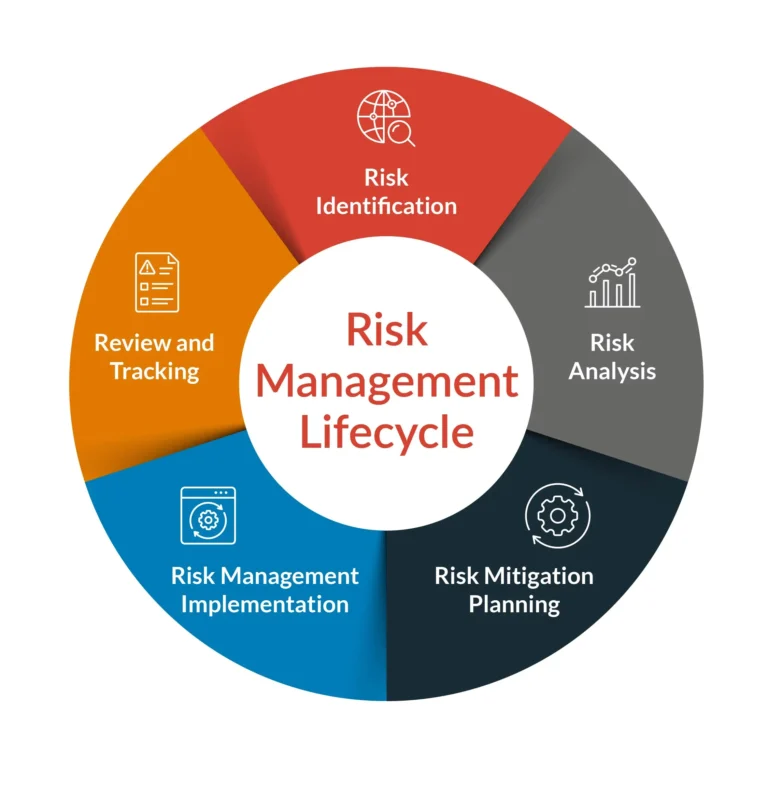
Risk management extends beyond technical considerations to encompass schedule risks, budget risks, regulatory risks, and commercial risks. Experienced firms like Indus Engineers use formal risk management frameworks to identify potential problems early and develop proactive mitigation strategies. This approach protects client investments and increases the likelihood of successful project outcomes.
Selecting the Right Engineering Partner
Choosing an engineering firm represents a critical decision that can determine project success or failure. Organizations should evaluate potential partners systematically using objective criteria rather than relying solely on cost considerations or personal relationships.
Evaluation Criteria
When assessing engineering firms, consider these factors:
- Relevant Experience: Has the firm successfully completed similar projects in your industry?
- Technical Capabilities: Does the firm possess the specialized expertise your project requires?
- Resource Availability: Can the firm dedicate adequate resources to meet your schedule requirements?
- Quality Systems: What quality assurance processes does the firm employ?
- Financial Stability: Is the firm financially sound with adequate insurance coverage?
- References: What do previous clients say about working with this firm?
- Communication Style: Does the firm’s approach to client communication align with your preferences?
- Cultural Fit: Will the firm’s work culture integrate well with your organization?
The Selection Process
Developing a structured selection process improves decision quality and helps justify choices to stakeholders. Most organizations use a multi-stage approach that narrows the field of candidates progressively.
The process typically begins with developing a comprehensive Request for Qualifications (RFQ) or Request for Proposals (RFP) that clearly articulates project requirements, evaluation criteria, and submission requirements. Distributing this document to qualified firms generates responses that can be evaluated objectively against predetermined criteria. Many organizations create scoring matrices that assign weights to different evaluation factors, producing numerical scores that facilitate comparison.
Shortlisted firms typically participate in interviews or presentations where they demonstrate their understanding of project requirements and explain their proposed approach. These sessions provide opportunities to assess communication skills, team chemistry, and problem-solving capabilities that written proposals cannot fully capture. Site visits to view previous projects firsthand can provide valuable insights into work quality and attention to detail.
Engineering Process Methodologies
Professional engineering firms employ systematic methodologies that guide projects from initial concept through final commissioning. Understanding these methodologies helps clients participate effectively in the engineering process and set realistic expectations for deliverables and timelines.
Phase-Gate Development Process
Many engineering organizations use phase-gate methodologies that divide projects into distinct phases separated by decision points or “gates.” Each phase has specific objectives, deliverables, and review criteria. Projects advance to the next phase only after successfully completing gate reviews that verify technical adequacy, commercial viability, and alignment with strategic objectives.
Typical project phases include:
- Concept Development: Defining project objectives, exploring alternatives, and establishing feasibility
- Front-End Engineering Design (FEED): Developing sufficient design detail to support accurate cost estimates and contracting strategies
- Detailed Design: Creating construction-ready documentation including drawings, specifications, and calculations
- Procurement: Acquiring equipment, materials, and contractor services needed for construction
- Construction: Building the physical assets according to approved designs
- Commissioning: Testing and verifying that completed systems operate as intended
- Operations Support: Providing ongoing technical support during initial operations
Integrated Project Delivery
Integrated Project Delivery (IPD) represents an emerging methodology that brings owners, designers, and contractors together in collaborative relationships from project inception. Unlike traditional approaches where parties work sequentially with limited interaction, IPD emphasizes early involvement, shared risk/reward, and collaborative decision-making.
Indus Engineers and forward-thinking firms increasingly adopt IPD principles because they reduce conflicts, accelerate schedules, and improve project outcomes. By involving construction expertise during design development, teams identify and resolve constructability issues before they become expensive field problems. Shared financial incentives align all parties toward common objectives rather than optimizing individual interests at others’ expense.
Technology Integration in Modern Engineering
Digital technologies are transforming how engineering firms operate and the services they deliver to clients. Organizations that embrace these technologies gain significant competitive advantages through improved efficiency, enhanced quality, and expanded capabilities.
Building Information Modeling (BIM)
Building Information Modeling represents one of the most significant technological advances in engineering and construction. BIM creates intelligent 3D models that contain not just geometric information but also data about materials, performance characteristics, maintenance requirements, and cost implications. These models serve as collaborative platforms where multiple disciplines coordinate their designs, identify conflicts, and optimize system integration.
BIM benefits include:
- Early detection of design conflicts and coordination issues
- Automated quantity takeoffs and cost estimating
- Enhanced visualization that improves client communication
- Integrated documentation that reduces errors and omissions
- Facility management support through as-built model delivery
Professional firms like Indus Engineers invest significantly in BIM capabilities including software licenses, hardware infrastructure, and staff training. This investment pays dividends through reduced rework, faster project delivery, and superior design quality.
Computational Engineering and Simulation
Advanced simulation tools allow engineers to virtually test designs under various operating conditions before committing to physical construction. Finite element analysis evaluates structural performance under complex loading conditions. Computational fluid dynamics simulates airflow, liquid flow, and heat transfer in systems ranging from HVAC to chemical reactors. These tools reduce the need for expensive physical prototyping while increasing confidence in design performance.
Simulation-driven design enables optimization impossible through traditional methods. Engineers can evaluate thousands of design variations quickly, identifying configurations that optimize multiple competing objectives simultaneously. This capability is particularly valuable for complex systems where intuition provides limited guidance.
Digital Project Management Tools
Cloud-based project management platforms provide real-time visibility into project status, facilitating coordination between distributed teams and improving stakeholder communication. These tools integrate scheduling, document management, cost tracking, and communication functions into unified environments accessible from anywhere with internet connectivity.
Modern project management platforms support collaboration features including markup tools, issue tracking, submittal management, and automated workflow routing. For projects involving Indus Engineers or similar firms working with clients in different locations, these tools prove essential for maintaining alignment and avoiding miscommunication.
Industry Standards and Compliance
Engineering work must comply with numerous codes, standards, and regulations that vary by jurisdiction, industry, and application. Professional engineering firms maintain extensive knowledge of applicable requirements and implement systems ensuring all work meets or exceeds mandatory requirements.
Professional Licensing and Certification
Most jurisdictions require certain engineering work to be performed or supervised by licensed Professional Engineers (PEs) who have demonstrated competence through education, examination, and experience requirements. These licensing requirements protect public safety by ensuring only qualified individuals undertake engineering work with significant safety implications.
Beyond basic licensing, many engineers pursue specialized certifications that demonstrate expertise in particular domains. Certifications from organizations like the American Society of Mechanical Engineers (ASME), Institute of Electrical and Electronics Engineers (IEEE), and Project Management Institute (PMI) validate specialized knowledge and commitment to professional development. Indus Engineers and reputable firms encourage staff to obtain relevant certifications as part of career development programs.
Code Compliance and Standards
Engineering work must conform to building codes, industry standards, and regulatory requirements that establish minimum safety and performance criteria. These requirements evolve continuously as new technologies emerge, incidents reveal vulnerabilities, and societal expectations change. Staying current requires ongoing education and active participation in professional societies that develop and maintain standards.
Key standard-setting organizations include:
- American Society of Mechanical Engineers (ASME): Pressure vessels, piping, and mechanical systems
- American Society of Civil Engineers (ASCE): Structural design and civil infrastructure
- National Fire Protection Association (NFPA): Fire safety and electrical systems
- American Petroleum Institute (API): Oil, gas, and petrochemical facilities
- International Building Code (IBC): Building design and construction requirements
Sustainability and Environmental Considerations
Environmental sustainability has evolved from a niche concern to a central consideration in engineering design. Clients increasingly expect engineering firms to deliver solutions that minimize environmental impact while maintaining economic viability and operational performance.
Sustainable Design Principles
Sustainable engineering balances environmental, economic, and social considerations throughout project lifecycles. This holistic approach considers not just initial construction impacts but also operational energy consumption, maintenance requirements, and eventual decommissioning. Indus Engineers and sustainability-focused firms employ life cycle assessment methodologies that quantify environmental impacts across multiple categories including carbon emissions, water consumption, and waste generation.
Core sustainable design strategies include:
- Energy efficiency optimization reducing operational costs and emissions
- Renewable energy integration displacing fossil fuel consumption
- Water conservation and reuse minimizing freshwater withdrawals
- Material selection favoring recycled content and local sourcing
- Waste minimization through circular economy principles
- Natural systems integration using green infrastructure solutions
Regulatory Compliance
Environmental regulations establish legally enforceable requirements for emissions, discharges, waste handling, and other environmental impacts. Navigating this regulatory landscape requires specialized expertise as requirements vary significantly across jurisdictions and industries. Professional engineering firms maintain environmental compliance specialists who ensure designs meet all applicable requirements and secure necessary permits.
Beyond basic compliance, many clients pursue voluntary environmental certifications like LEED (Leadership in Energy and Environmental Design) that demonstrate superior environmental performance. Achieving these certifications requires documentation of specific sustainability measures and third-party verification of performance claims. Experienced engineering firms guide clients through certification processes, maximizing credit achievement while managing documentation burdens.
Cost Considerations and Value Engineering
Engineering services represent significant investments that must deliver commensurate value. Understanding how professional firms price services and optimize project costs helps clients make informed decisions and achieve financial objectives.
Fee Structures
Engineering firms employ various fee structures depending on project characteristics, client preferences, and competitive dynamics. Common approaches include:
- Lump Sum: Fixed price for defined scope, transferring cost risk to the engineer
- Time and Materials: Hourly billing for actual time spent, with client bearing cost risk
- Cost Plus Fixed Fee: Reimbursable costs plus predetermined fee amount
- Percentage of Construction Cost: Fee calculated as percentage of total construction value
- Unit Pricing: Fixed rates for repetitive deliverables like drawings or equipment specifications
Each structure has advantages and disadvantages depending on project circumstances. Lump sum pricing provides cost certainty but requires well-defined scope and may not accommodate changes efficiently. Time and materials offers flexibility but provides less cost predictability. Clients should discuss fee structure options with potential engineering partners like Indus Engineers to identify approaches that align with project needs and risk tolerances.
Value Engineering
Value engineering systematically examines project functions to identify opportunities for cost reduction without sacrificing required performance. This discipline goes beyond simple cost cutting by analyzing whether functions can be achieved through alternative means offering better value. Effective value engineering requires deep technical knowledge, creative thinking, and clear understanding of client priorities.
Professional engineering firms facilitate value engineering workshops that bring together designers, contractors, and client representatives to evaluate design alternatives collaboratively. These structured sessions generate ideas that individual participants might not develop independently, leveraging diverse perspectives to identify optimal solutions. When conducted early in project development, value engineering yields greatest benefits by identifying cost-effective alternatives before designs solidify.
Case Studies and Success Stories
Examining real-world applications illustrates how professional engineering services create value and overcome complex challenges. While specific project details remain confidential, general examples demonstrate the breadth and impact of engineering work.
Manufacturing Process Optimization
A pharmaceutical manufacturer faced production bottlenecks limiting capacity and increasing costs. An engineering firm conducted comprehensive process analysis identifying inefficiencies in material handling, equipment utilization, and workflow organization. The resulting optimization program included equipment modifications, layout improvements, and control system upgrades that increased throughput by 35% while reducing energy consumption by 20%. The project delivered return on investment in under 18 months through increased production volume and reduced operating costs.
Infrastructure Rehabilitation
A municipal water utility struggled with aging infrastructure causing frequent main breaks and service interruptions. Engineering consultants developed a systematic asset management program that prioritized replacement and rehabilitation investments based on failure risk and consequence assessment. Implementation of this data-driven approach reduced emergency repairs by 60% over five years while extending overall system life expectancy. The program demonstrates how engineering expertise creates value through strategic planning and risk-based decision making.
Facility Expansion Project
A food processing company needed production capacity expansion to meet growing demand. Engineering consultants developed preliminary designs for three alternative expansion scenarios ranging from minimal modifications to complete facility replacement. Detailed analysis of capital costs, operating costs, schedule implications, and operational risks supported informed decision-making. The client selected a moderate expansion option that doubled capacity while maintaining operations throughout construction. Successful project completion on schedule and within budget enabled the company to capture market growth opportunities that would have been lost with delayed capacity additions.
Working with Indus Engineers: Best Practices
Successful engineering projects result from effective collaboration between clients and engineering firms. Clients can maximize value from engineering relationships by following proven best practices throughout project lifecycles.
Clear Communication
Establish communication protocols early including regular meeting schedules, reporting formats, decision-making authority, and escalation procedures. Document key decisions and agreements to prevent misunderstandings that can derail projects later. Encourage open dialogue where concerns surface promptly rather than festering into major problems.
Communication best practices include:
- Designating single points of contact reducing coordination complexity
- Conducting regular progress reviews maintaining alignment
- Documenting decisions and action items preventing disputes
- Establishing response time expectations for critical communications
- Using collaborative platforms that provide transparency
- Encouraging questions and concerns rather than assumptions
Scope Definition
Invest adequate time and resources in defining project scope comprehensively before authorizing detailed design work. Ambiguous scope leads to misaligned expectations, schedule delays, and cost overruns. Work with your engineering partner to document requirements clearly including performance criteria, regulatory requirements, schedule constraints, and budget limitations.
Well-defined scope should specify what is included and equally importantly what is excluded from the project. This clarity prevents scope creep where projects gradually expand beyond original intentions, consuming budgets and extending schedules. Change management processes should govern scope modifications, ensuring changes receive proper authorization and funding before implementation.
Trust and Partnership
View engineering relationships as partnerships rather than transactional vendor relationships. While contracts provide legal frameworks, successful projects depend on mutual trust, shared objectives, and collaborative problem-solving. Give your engineering partners like Indus Engineers the information and access they need to do excellent work while holding them accountable for commitments.
Trust develops through consistent actions over time. Meet commitments, address problems transparently, and assume good faith when issues arise. Engineering projects inevitably encounter unexpected challenges—partnerships built on trust navigate these challenges more effectively than adversarial relationships.
Future Trends in Engineering Services
The engineering profession continues evolving in response to technological advances, changing client needs, and global challenges. Understanding emerging trends helps organizations prepare for future opportunities and challenges.
Artificial Intelligence and Machine Learning
AI and machine learning technologies are beginning to augment engineering capabilities in areas like design optimization, predictive maintenance, and quality control. These technologies can analyze vast datasets identifying patterns that humans cannot detect, enabling insights that improve design decisions and operational performance. While AI will not replace human engineers, those who effectively leverage AI tools will enjoy significant productivity and quality advantages.
AI applications in engineering include:
- Generative design exploring thousands of design alternatives automatically
- Predictive analytics forecasting equipment failures before they occur
- Image recognition automating quality inspection processes
- Natural language processing extracting information from unstructured documents
- Optimization algorithms solving complex multi-variable problems
Modular and Prefabricated Construction
Modular construction approaches that fabricate major system components in controlled factory environments then assemble them onsite offer significant advantages including reduced construction time, improved quality control, and enhanced safety. Engineering firms increasingly design with modular construction in mind, creating designs optimized for factory fabrication rather than traditional stick-built construction.
This trend requires close collaboration between designers like Indus Engineers and fabricators from early project stages. Designs must accommodate transportation constraints, connection details, and assembly sequences that differ from conventional construction. When executed effectively, modular approaches deliver projects faster and with higher quality than traditional methods.
Remote Operations and Digital Twins
Digital twin technology creates virtual replicas of physical assets that receive real-time data from sensors embedded in actual equipment. These digital models enable remote monitoring, predictive maintenance, and performance optimization throughout asset lifecycles. Engineering firms increasingly deliver digital twins alongside physical designs, providing clients with powerful tools for operations and maintenance.
Remote operations capabilities allow centralized control of distributed assets, reducing staffing requirements and improving response to abnormal conditions. Combined with digital twins, remote operations enable small expert teams to manage large, geographically dispersed asset portfolios efficiently.
Related Engineering Technologies
While discussing Indus Engineers and professional engineering services, it’s worth noting that engineering excellence extends across many domains. For those interested in other engineering topics, resources like general engine information provide valuable insights into specialized areas.
Frequently Asked Questions About Indus Engineers
What services do Indus Engineers typically provide?
Indus Engineers and similar professional engineering firms offer comprehensive services including mechanical design, electrical engineering, civil infrastructure planning, process optimization, project management, and technical consulting across multiple industrial sectors. These services span project lifecycles from initial concept development through final commissioning and operational support.
How do I select the right engineering firm for my project?
Selecting an engineering partner requires evaluating relevant experience, technical capabilities, resource availability, quality systems, financial stability, references, communication style, and cultural fit. Develop a structured evaluation process that considers these factors systematically rather than focusing solely on cost. Request proposals from multiple qualified firms and conduct interviews to assess capabilities and compatibility.
What are the typical costs for professional engineering services?
Engineering costs vary significantly based on project scope, complexity, schedule requirements, and fee structure. Simple projects might cost tens of thousands of dollars while complex industrial facilities can require millions in engineering fees. Fees typically represent 5-15% of total project costs depending on project characteristics. Request detailed proposals that break down costs by phase and discipline to understand value being delivered.
How long does engineering work typically take?
Project duration depends on scope, complexity, regulatory requirements, and resource availability. Small projects might complete in weeks while major industrial facilities can require years of engineering work. Establish realistic schedules during project planning that account for design iterations, regulatory approvals, and client review cycles. Professional firms like Indus Engineers provide schedule estimates based on similar project experience.
What qualifications should engineering firms have?
Look for firms with appropriate professional licenses, relevant industry certifications, proven experience in similar projects, comprehensive quality assurance programs, adequate insurance coverage, and strong financial stability. Verify that key project personnel hold relevant professional engineering licenses and specialized certifications. Check references with previous clients to confirm capabilities and performance history.
Why should I work with Indus Engineers instead of an internal engineering team?
Professional engineering firms bring specialized expertise, multidisciplinary capabilities, scalable resources, proven methodologies, and reduced fixed overhead compared to maintaining large internal engineering staffs. Indus Engineers and similar firms remain current with technological advances and regulatory changes through continuous professional development. They offer flexibility to scale resources up during busy periods and down when work volume decreases.
How do engineering firms ensure project quality?
Professional firms implement comprehensive quality assurance programs including independent design reviews, calculation checking, constructability reviews, specification verification, and commissioning support. They maintain documented quality management systems often certified to ISO 9001 standards. Many firms employ dedicated quality professionals who audit project work independently from production teams. Regular internal reviews and lessons learned processes drive continuous improvement.
What role does sustainability play in modern engineering?
Sustainability has become central to engineering design with clients expecting solutions that minimize environmental impact while maintaining performance and economic viability. Engineering firms employ life cycle assessment methodologies, optimize energy efficiency, integrate renewable energy, conserve water, select sustainable materials, and minimize waste throughout project lifecycles. Many projects pursue voluntary environmental certifications demonstrating superior sustainability performance.
How do engineering firms handle project changes and uncertainties?
Professional firms employ formal change management processes that document requested changes, assess impacts on cost and schedule, obtain client authorization before implementation, and update project baselines accordingly. Risk management frameworks identify potential problems proactively and develop mitigation strategies. Regular progress reviews surface issues early when they’re easier and less expensive to address.
What emerging technologies are transforming engineering services?
Key technologies include Building Information Modeling (BIM) enabling collaborative 3D design, artificial intelligence optimizing designs and predicting failures, modular construction reducing field installation time, digital twins supporting remote operations and predictive maintenance, and advanced simulation tools enabling virtual testing. Indus Engineers and technology-focused firms invest continuously in these capabilities to deliver superior results.
Take Action with Indus Engineers Today
Professional engineering services represent critical investments in project success, operational efficiency, and competitive advantage. Whether you’re planning facility expansions, optimizing existing operations, or developing new infrastructure, partnering with experienced engineering professionals like Indus Engineers delivers value through specialized expertise, proven methodologies, and comprehensive support throughout project lifecycles.
Don’t leave your critical engineering needs to chance. Contact Indus Engineers today to discuss how professional engineering services can help achieve your project objectives while managing risks and optimizing costs. Their team of qualified professionals stands ready to evaluate your requirements, recommend optimal approaches, and deliver engineering solutions that exceed expectations.
The difference between project success and costly failures often comes down to engineering quality and expertise. Invest in professional engineering services that protect your interests, accelerate timelines, and deliver superior outcomes that drive business results for years to come.
References and Citations:
While this article provides comprehensive information about engineering services and the capabilities firms like Indus Engineers bring to client relationships, readers should conduct additional research specific to their industries and project requirements. Professional engineering organizations including the National Society of Professional Engineers (NSPE), American Society of Civil Engineers (ASCE), and American Society of Mechanical Engineers (ASME) provide valuable resources for understanding engineering best practices and professional standards.
For more information about Indus Engineers and their specific capabilities, visit their official website or contact their business development team to discuss your unique project requirements and how their services can create value for your organization.