In this guide
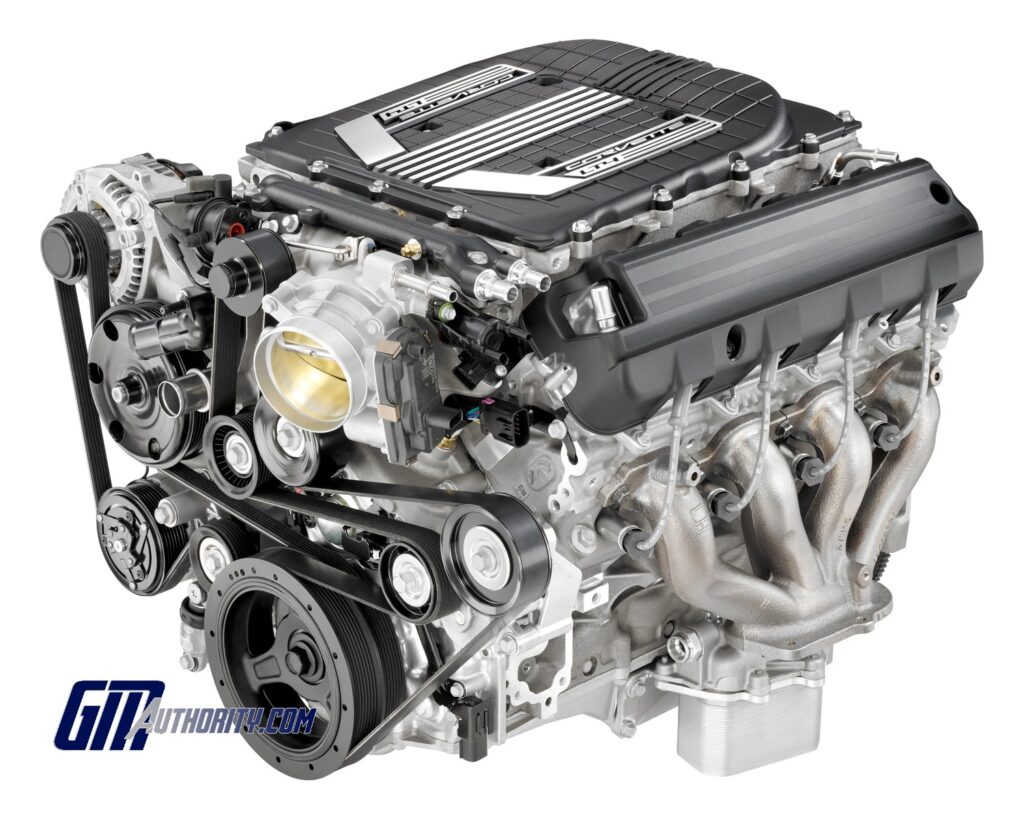
The LT4 crate engine represents one of General Motors’ most impressive achievements in modern V8 engineering. This supercharged marvel delivers an astounding 650 horsepower and 650 lb-ft of torque straight from the factory, making it a dream powerplant for automotive enthusiasts, professional builders, and anyone seeking extreme performance without the complexity of a custom build. Whether you’re planning a complete engine swap, building a restomod, or simply exploring high-performance options, understanding the LT4’s capabilities, specifications, and applications will help you make an informed decision about this extraordinary piece of machinery.
The LT4 crate engine first made its debut in the 2015 Chevrolet Corvette Z06, where it immediately established itself as a supercar-level powerplant wrapped in American muscle. General Motors recognized the demand from builders and enthusiasts who wanted this level of performance in their custom projects, leading to the introduction of the LT4 crate engine package. This turnkey solution brings together advanced engineering, proven reliability, and incredible power in a format that’s accessible to both professional shops and serious DIY builders.
What Makes the LT4 Crate Engine Special?
The LT4 crate engine stands apart from conventional V8s through its sophisticated engineering and cutting-edge technology. At its core lies a 6.2-liter displacement with an Eaton R1740 supercharger that forces air into the combustion chambers at up to 9.4 psi of boost. This forced induction system, combined with direct fuel injection, creates an incredibly efficient and powerful engine that produces massive torque across the entire RPM range. The supercharger uses a four-lobe rotor design that minimizes heat generation while maximizing airflow, ensuring consistent performance even under extreme conditions.
The engine block itself is constructed from cast aluminum with a reinforced structure that can handle the tremendous forces generated by forced induction. Unlike older pushrod designs, the LT4 crate engine incorporates modern technologies like continuously variable valve timing on both the intake and exhaust camshafts, which optimizes power delivery and efficiency across all operating conditions. The direct injection system operates at pressures up to 2,175 psi, atomizing fuel more effectively than traditional port injection and allowing for more precise control over the combustion process. These technological advancements work in harmony to produce not just raw power, but refined, controllable performance that rivals European exotics costing significantly more.
The cooling system deserves special attention when discussing what makes the LT4 crate engine exceptional. A dedicated supercharger cooling circuit uses a separate heat exchanger with its own coolant reservoir, ensuring that intake air temperatures remain low even during sustained high-performance driving. This integrated cooling approach prevents heat soak, maintains consistent power output, and extends component longevity. The engine also features piston cooling jets that spray oil onto the underside of the pistons, reducing temperatures in the combustion chambers where heat is most intense. These engineering details demonstrate GM’s commitment to creating an engine that delivers extreme performance reliably and repeatedly.
LT4 Crate Engine Specifications and Performance Data
| Specification | Details |
|---|---|
| Displacement | 6.2 Liters (376 cubic inches) |
| Configuration | V8, 90-degree |
| Horsepower | 650 hp @ 6,400 RPM |
| Torque | 650 lb-ft @ 3,600 RPM |
| Compression Ratio | 10.0:1 |
| Supercharger | Eaton R1740 (four-lobe) |
| Boost Pressure | 9.4 psi (maximum) |
| Fuel System | Direct Injection (2,175 psi) |
| Bore x Stroke | 4.06″ x 3.62″ |
| Block Material | Cast Aluminum |
| Cylinder Heads | CNC-Ported Aluminum |
| Redline | 6,500 RPM |
| Weight | Approximately 465 lbs (complete) |
The performance numbers speak volumes about the LT4 crate engine capabilities. Producing 650 horsepower and an equal amount of torque creates what engineers call a “flat torque curve,” meaning tremendous pulling power is available across a wide RPM range rather than peaking at a narrow band. This characteristic makes the LT4 crate engine exceptionally versatile, whether you’re launching from a stoplight, merging onto a highway, or powering through a road course. The specific output of approximately 105 horsepower per liter places this engine among the most power-dense naturally-aspirated and forced-induction production engines in automotive history.
The thermal efficiency of the LT4 crate engine reaches impressive levels thanks to direct injection and the advanced combustion chamber design. While exact efficiency figures vary depending on tuning and application, the technology package allows the engine to extract more usable energy from each drop of fuel compared to older designs. The variable valve timing system adjusts camshaft phasing continuously, optimizing overlap between intake and exhaust valve events to maximize volumetric efficiency at all engine speeds. This means better throttle response, improved fuel economy during normal driving, and maximum power when you demand it.
How Does the LT4 Compare to Other Crate Engines?
When comparing the LT4 crate engine to alternatives in the high-performance crate engine market, several factors distinguish it from the competition. The LS3 crate engine, another popular GM offering, produces 430 horsepower from the same 6.2-liter displacement without forced induction. While the LS3 represents excellent value and simplicity, the LT4 crate engine delivers 220 additional horsepower, representing a 51% increase in output. This dramatic power advantage comes from the supercharger, advanced fuel injection, and more aggressive internal components designed to withstand boost pressure.
The LT1 crate engine serves as another comparison point, offering 460 horsepower with direct injection and variable valve timing but no supercharger. Positioned between the naturally-aspirated LS3 and the blown LT4, the LT1 provides modern technology at a moderate price point. However, the LT4 crate engine produces 190 more horsepower than the LT1, making it the choice for builders who refuse to compromise on performance. The price differential reflects this capability gap, with the LT4 crate engine commanding a premium that serious performance enthusiasts consider worthwhile.
Competitor offerings from Mopar and Ford provide interesting alternatives. The Hellcat crate engine from Dodge produces 707 horsepower from a 6.2-liter supercharged Hemi V8, edging out the LT4 crate engine by 57 horsepower. However, the Hemi weighs approximately 100 pounds more and requires different mounting configurations, making packaging more challenging in many applications. Ford’s Coyote-based supercharged crate engines offer similar power levels but utilize an overhead-cam design that increases engine height and complexity. The LT4 crate engine provides an optimal balance of power, packaging efficiency, and proven reliability that makes it ideal for a wide range of builds.
What Applications Work Best with an LT4 Crate Engine?
The versatility of the LT4 crate engine makes it suitable for numerous automotive applications, though some projects benefit more than others from its capabilities. Classic muscle car restorations represent one of the most popular uses, where builders replace vintage big-block engines with modern power and reliability. A 1969 Camaro equipped with an LT4 crate engine maintains its classic appearance while delivering performance that would have been unimaginable five decades ago. The relatively compact dimensions of the LT-series architecture allow the supercharged V8 to fit in engine bays designed for engines from the 1960s and 1970s, though some modifications to accessories and mounts are typically necessary.
Hot rod and street rod projects also benefit tremendously from the LT4 crate engine package. Traditional hot rods built on 1932 Ford frames or similar platforms gain incredible performance while maintaining excellent weight distribution thanks to the aluminum construction. The complete engine assembly weighs approximately 465 pounds, which is significantly lighter than iron-block alternatives producing similar power. This weight advantage improves handling, braking, and overall vehicle dynamics while reducing stress on chassis components. Many builders appreciate that the LT4 crate engine includes the engine control module pre-programmed and ready to run, eliminating much of the complexity historically associated with fuel injection swaps.
Off-road and rock crawling vehicles represent another application where the LT4 crate engine excels, though builders must consider specific requirements carefully. The tremendous low-end torque production makes conquering obstacles easier, while the compact packaging allows for better approach and departure angles. However, the supercharger intake height requires adequate hood clearance, and the sophisticated electronics need protection from mud, water, and debris. Builders who address these concerns create incredibly capable vehicles that combine modern reliability with extreme performance. The flat torque curve means consistent power delivery at low speeds, which is crucial when navigating technical terrain where throttle control makes the difference between success and failure.
Installing an LT4 Crate Engine: What Do You Need to Know?
Installing an LT4 crate engine requires careful planning and attention to several critical systems beyond just the engine itself. The fuel system must deliver adequate volume and pressure to support the direct injection system, which operates at far higher pressures than traditional port injection. Most installations require a high-pressure fuel pump capable of maintaining 2,175 psi at the fuel rail, along with appropriate fuel lines rated for these pressures. The low-pressure side also needs attention, with a quality in-tank or frame-mounted pump providing sufficient flow to feed the high-pressure system. Fuel system components represent a significant portion of the total installation cost, but compromising here risks starving the engine and causing damage.
The cooling system requires equal attention to ensure the LT4 crate engine operates within optimal temperature ranges. The supercharger cooling circuit operates independently from the main engine cooling system, requiring its own radiator or heat exchanger, coolant reservoir, and connecting hoses. Many builders install a dedicated supercharger cooling radiator in addition to the main engine radiator, ensuring both systems have adequate capacity. Electric fans with sufficient CFM ratings are essential, particularly in applications where the vehicle will see stop-and-go traffic or track use. The engine produces tremendous heat under load, and proper cooling system design prevents overheating that could lead to expensive repairs or catastrophic failure.
The electrical system presents challenges that require modern solutions when installing an LT4 crate engine. The engine control module communicates with numerous sensors and actuators, requiring careful wiring and proper grounding throughout. Many professional installers recommend using a dedicated wiring harness designed specifically for LT4 swaps, as these include all necessary connectors and have been tested for reliability.
The charging system must provide adequate amperage to support the fuel pumps, cooling fans, and engine electronics, typically requiring an alternator capable of 150-200 amps depending on accessories. A quality battery with high cold-cranking amps ensures reliable starting, especially when combined with a gear-reduction starter designed for LT-series engines. Understanding these electrical requirements before beginning installation prevents problems and ensures proper operation.
What Transmission Options Work with the LT4 Crate Engine?
Selecting an appropriate transmission for your LT4 crate engine requires matching the gearbox capabilities to the engine’s tremendous output. The General Motors 8L90 eight-speed automatic transmission represents the factory pairing from Corvette applications, capable of handling the full 650 lb-ft of torque while providing smooth shifts and excellent fuel economy. This electronically controlled transmission requires integration with the engine control module, but aftermarket suppliers offer complete solutions that simplify the process. The wide ratio spread of the eight gears allows the engine to operate in its optimal efficiency range during normal driving while keeping it in the power band during performance situations.
Manual transmission enthusiasts often choose the Tremec TR6060 or its upgraded variant, the Tremec Magnum-F, when building a car around the LT4 crate engine. These six-speed manual gearboxes are engineered to handle high-torque applications and provide the direct connection many drivers prefer. The TR6060 was factory-equipped in manual-transmission Corvette Z06 models, proving its capability with the LT4’s output. The close-ratio gear spacing keeps the engine on boil during aggressive driving, while the double-overdrive top gears provide relaxed highway cruising. Installation requires a hydraulic clutch system capable of managing the significant clamping forces necessary to prevent slippage, with dual-disc clutch assemblies being common in these applications.
Four-speed automatic transmissions like the 4L85E or 4L80E represent budget-friendly alternatives for LT4 crate engine installations, though they require modifications to handle the power safely. These proven GM transmissions trace their lineage to the original Turbo 400, incorporating electronic controls and overdrive gearing. However, internal upgrades become mandatory when subjected to the LT4’s output, including heavy-duty clutch packs, upgraded bands, and reinforced planetaries. A quality torque converter designed for supercharged applications ensures proper lockup characteristics and prevents slippage. While these four-speed units lack the efficiency and performance of modern alternatives, their simplicity and widespread availability make them attractive for certain builds, particularly those with budget constraints or specific vintage requirements.
Understanding LT4 Crate Engine Reliability and Maintenance
The LT4 crate engine benefits from General Motors’ extensive testing and development program, resulting in an engine that delivers reliable performance when properly maintained. The direct injection system, while complex, proves remarkably durable when using quality fuel and changing oil at appropriate intervals. GM recommends synthetic oil meeting Dexos specifications, with change intervals varying based on driving conditions but typically falling between 5,000 and 7,500 miles. The oil not only lubricates moving parts but also cools the pistons through dedicated oil jets, making quality lubricant crucial for longevity. Many enthusiasts running their engines hard opt for shorter change intervals, replacing oil every 3,000-4,000 miles to ensure maximum protection.
The supercharger system requires specific maintenance attention to ensure the LT4 crate engine continues performing at peak levels. The Eaton supercharger uses self-contained lubrication with a dedicated oil reservoir that should be checked regularly and changed according to manufacturer specifications. The supercharger bearings are sealed and designed for long service life, but they do experience wear over time, particularly in high-mileage or heavily-tracked vehicles. Many builders report supercharger rebuilds becoming necessary around 100,000 miles, though this varies significantly based on usage patterns. The supercharger cooling system requires periodic checks of coolant level and concentration, as the dedicated heat exchanger works hard to manage intake temperatures during spirited driving.
The ignition system components experience significant stress in forced-induction applications, making regular inspection and replacement important for maintaining the LT4 crate engine performance. The coil-on-plug ignition design provides excellent reliability, but the extreme cylinder pressures created by boost can shorten spark plug life compared to naturally-aspirated engines. Most builders replace spark plugs every 20,000-30,000 miles using quality units with the proper heat range for supercharged applications.
The fuel system also requires attention, with fuel filter changes being critical for protecting the high-pressure fuel pump and injectors. Carbon buildup on intake valves represents a potential concern with direct injection engines, though the LT4’s design minimizes this issue through careful calibration. Some owners implement periodic fuel system cleaning treatments or walnut shell blasting to maintain optimal airflow.
How Much Does an LT4 Crate Engine Cost?
The investment required for an LT4 crate engine reflects its sophisticated engineering and impressive performance capabilities. As of current market conditions, the complete LT4 crate engine package from GM Performance Parts typically retails between $16,000 and $19,000 depending on included components and dealer pricing. This package includes the engine assembly, supercharger, intake manifold, exhaust manifolds, and other core components necessary for operation. However, this base price represents only the beginning of the total investment required to put an LT4 crate engine into service.
Supporting components add significantly to the overall project cost when installing an LT4 crate engine. A complete engine swap in a classic muscle car or custom build typically requires $5,000-$10,000 in additional parts including transmission, fuel system components, cooling system upgrades, wiring harness, computer programming, engine mounts, headers, exhaust system, and accessories. Professional installation labor can range from $3,000-$8,000 depending on the complexity of the application and the shop’s hourly rates. A complete turnkey installation often reaches $30,000-$40,000 when all components and labor are factored together, representing a significant but worthwhile investment for serious performance enthusiasts.
Comparing the total cost of an LT4 crate engine installation to alternatives provides perspective on value. Building a naturally-aspirated engine to produce 650 horsepower typically requires extensive machine work, specialized components, and expert assembly, often exceeding the cost of the complete LT4 package while delivering less reliability and drivability. Competitor crate engines with similar output command comparable prices, making the LT4 crate engine competitively positioned in the market. The turnkey nature of the package, backed by General Motors’ engineering and warranty support, provides peace of mind that justifies the investment for many builders who prioritize proven performance over experimental combinations.
What Are the Common LT4 Crate Engine Upgrades?
While the LT4 crate engine delivers impressive performance in stock form, numerous aftermarket upgrades allow enthusiasts to extract even more capability from the supercharged platform. Pulley upgrades represent one of the most popular and cost-effective modifications, with smaller supercharger pulleys increasing boost pressure and power output. A 10% reduction in pulley diameter can increase boost from the stock 9.4 psi to approximately 12-13 psi, adding 50-100 horsepower depending on supporting modifications. However, increased boost requires careful attention to fueling, intercooling, and engine management to prevent detonation or damage. Most builders upgrading pulleys also invest in upgraded heat exchangers and port-matched supercharger components to support the additional airflow.
Performance header systems unlock significant power gains from the LT4 crate engine by improving exhaust flow and reducing backpressure. The factory exhaust manifolds prioritize packaging and emissions compliance over maximum performance, leaving substantial room for improvement. Long-tube headers with 1.875-inch primary tubes and high-flow catalytic converters can add 30-50 horsepower while improving throttle response and creating an more aggressive exhaust note. The improved exhaust scavenging helps the engine breathe more efficiently, particularly at higher RPMs where stock manifolds create restrictions. Quality headers also reduce underhood temperatures by moving heat away from the engine bay more effectively than cast manifolds.
Engine management tuning represents perhaps the most significant upgrade potential for the LT4 crate engine, allowing calibration specialists to optimize fuel delivery, ignition timing, and boost control for specific applications. Professional tuning on a dynamometer ensures the engine operates safely while extracting maximum performance from modifications. Custom tuning can improve drivability, eliminate factory torque management limitations, and optimize air-fuel ratios for the fuel being used. Some builds incorporate flex-fuel capability, allowing the engine to run on E85 ethanol, which has superior knock resistance and allows more aggressive timing and boost levels. A properly tuned LT4 crate engine with supporting modifications can reliably produce 750-850 horsepower, representing a 15-30% increase over stock while maintaining reasonable reliability.
What Should You Consider Before Buying an LT4 Crate Engine?
Your specific application requirements should drive the decision to purchase an LT4 crate engine rather than alternatives. Vehicles intended primarily for highway cruising or occasional spirited driving may not fully utilize the LT4’s capabilities, potentially making a less expensive option more appropriate. However, if your build prioritizes maximum performance, track capability, or you simply want the satisfaction of owning one of GM’s most impressive engines, the LT4 crate engine delivers value through its combination of power, technology, and refinement. Consider how the power will be used—drag racing, road course work, aggressive street driving, or show purposes—as this influences supporting component selection and overall build strategy.
The technical requirements of integrating an LT4 crate engine demand honest assessment of your mechanical skills and available resources. While the crate engine arrives as a complete assembly, successful installation requires expertise in fuel systems, electrical work, cooling system design, and computer calibration. Builders lacking these skills should budget for professional installation or be prepared to invest significant time learning the necessary techniques. The sophisticated electronics controlling the LT4 crate engine require specialized diagnostic equipment and knowledge that goes beyond traditional hot rodding skills. Understanding these requirements before committing to the project prevents frustration and ensures successful completion.
Budget considerations extend beyond the initial purchase price when contemplating an LT4 crate engine for your project. The complete installed cost including transmission, fuel system, cooling, wiring, and labor represents a substantial investment that should align with the overall project budget. Additionally, the ongoing costs of premium fuel, frequent oil changes with synthetic lubricant, and potential supercharger maintenance should factor into long-term ownership planning. Insurance costs may increase for vehicles equipped with high-performance engines, particularly in classic car applications where agreed-value policies reflect the upgraded powerplant. Despite these considerations, many builders find the LT4 crate engine represents excellent value when compared to the cost and effort of building comparable power through other means.
Where Can You Buy an LT4 Crate Engine?
Authorized General Motors Performance Parts dealers represent the primary source for purchasing an LT4 crate engine with full factory support and warranty coverage. These dealers maintain direct relationships with GM, ensuring authentic components and access to technical support when questions arise during installation. The warranty provided with a new crate engine from an authorized dealer provides peace of mind, though specific terms vary and typically require professional installation to remain valid. Dealer pricing can vary by region and may be negotiable, making it worthwhile to contact multiple dealers when shopping for an LT4 crate engine.
Online retailers specializing in performance parts offer another avenue for acquiring an LT4 crate engine, often at competitive prices compared to traditional dealers. Companies like Summit Racing, Jegs, and other major performance distributors stock crate engines and can ship directly to your location. These retailers frequently run promotional pricing or package deals that include supporting components at discounted rates. However, buyers should verify that online purchases include the same warranty coverage as dealer purchases and understand the return policy before committing. Some online retailers have technical support staff who can assist with component selection and installation questions, adding value beyond just competitive pricing.
The used market provides opportunities to acquire an LT4 crate engine at reduced cost, though this approach carries additional risks. Salvage yards occasionally stock complete LT4 engines pulled from wrecked Corvette Z06 or Cadillac CTS-V models, typically priced significantly below new crate engine costs. However, these units may have unknown histories, potential damage, or missing components that complicate installation. Thorough inspection by a knowledgeable technician is essential before purchasing a used LT4 crate engine, including compression testing, leak-down testing, and verification of all accessories. Some specialized engine rebuilders offer remanufactured LT4 engines with warranties, representing a middle ground between new crate engines and used salvage units.
LT4 Crate Engine vs. LS Engine: Which is Right for Your Build?
The debate between choosing an LT4 crate engine versus an LS-series engine centers on balancing performance goals against budget, complexity, and application requirements. LS engines, particularly the LS3 and LS7, have dominated the engine swap market for years thanks to their proven reliability, abundant aftermarket support, and relatively simple installation. The LS3 produces 430 horsepower naturally aspirated, costs approximately $8,000-$10,000 as a crate engine, and requires less sophisticated fuel and electrical systems than the LT4 crate engine. For budget-conscious builders or those preferring simplicity, the LS platform delivers excellent value and proven performance that satisfies most street applications.
However, the LT4 crate engine provides capabilities that LS engines cannot match without significant modifications. Achieving 650 horsepower from an LS engine requires forced induction, extensive internal upgrades, and custom tuning, with total costs often approaching or exceeding the price of a complete LT4 crate engine package. The factory engineering and testing that went into the LT4 ensures reliability at high power levels that home-built combinations struggle to match. Additionally, the direct injection system, advanced combustion chamber design, and integrated supercharger cooling of the LT4 crate engine represent technologies that even well-funded LS builds cannot fully replicate.
The complexity difference between platforms significantly impacts the installation experience and long-term ownership. LS engines utilize traditional port fuel injection, simpler wiring harnesses, and less sophisticated electronics that many home builders can tackle successfully. The LT4 crate engine requires high-pressure fuel pumps, dual cooling systems, and computer programming that may necessitate professional assistance. For builders with the budget and desire for ultimate performance from a factory-engineered package, the LT4 crate engine represents the better choice. For those prioritizing simplicity, lower cost, or working with limited budgets, LS engines remain excellent alternatives that deliver impressive performance with less complexity. Understanding your priorities and capabilities guides this critical decision.
Real-World LT4 Crate Engine Performance Examples
Professional builders and enthusiasts have documented numerous successful LT4 crate engine installations that demonstrate the engine’s versatility and performance potential. One notable example involves a 1969 Chevrolet Camaro restomod built by a respected Southern California shop, combining classic styling with modern performance. The builder installed an LT4 crate engine with a Tremec six-speed manual transmission, upgraded cooling system, and custom fuel delivery. The completed vehicle achieved quarter-mile times in the low 11-second range at over 125 mph, representing performance that rivals modern supercars while maintaining drivability for weekend cruising. The project total came to approximately $35,000 for the complete drivetrain installation, which the owner considered worthwhile given the incredible performance and reliability.
Another compelling case study involves a custom 1932 Ford roadster built specifically for highway cruising and occasional track days. The builder selected an LT4 crate engine for its combination of power and aluminum construction, which helped maintain proper weight distribution in the lightweight chassis. Paired with a 4L85E automatic transmission and 3.50 rear gears, the hot rod delivered effortless acceleration while maintaining comfortable highway cruising at 70-75 mph. The builder reported fuel economy of 18-20 mpg during highway driving, impressive considering the performance capabilities. Track testing revealed consistent mid-11-second quarter-mile times with trap speeds approaching 130 mph, demonstrating that traditional hot rods can match or exceed modern muscle car performance when equipped with contemporary powerplants.
Off-road enthusiasts have also embraced the LT4 crate engine for extreme rock crawling and trail riding applications. One builder created a tube-chassis rock crawler using a heavily reinforced frame, portal axles, and 42-inch tires, powered by an LT4 crate engine connected to a four-speed automatic transmission and Atlas transfer case. The tremendous low-end torque allowed the vehicle to climb obstacles that would stop vehicles with less powerful engines, while the sophisticated electronics provided smooth throttle control crucial for technical terrain.
The builder invested heavily in protecting the engine and electronics from the elements, including a custom air intake system and waterproof connectors throughout the wiring harness. The completed vehicle demonstrated that proper planning allows the LT4 crate engine to excel in applications far removed from its Corvette origins.
Advanced Engine Management for LT4 Crate Engine Builds
The factory engine control module (ECM) provided with an LT4 crate engine delivers excellent performance and reliability in stock configurations, but some applications benefit from standalone engine management systems. Aftermarket systems from companies like Holley, Haltech, and AEM allow complete customization of fuel delivery, ignition timing, and boost control while eliminating factory limitations. These standalone units excel in applications using non-standard transmissions, requiring integration with aftermarket gauges, or when maximum performance tuning is desired. However, they require extensive wiring knowledge, professional tuning, and ongoing calibration as modifications accumulate, making them appropriate primarily for dedicated race vehicles or builds where customization justifies the complexity.
The stock ECM can be reprogrammed using handheld tuning devices or laptop-based software, providing a middle ground between factory programming and standalone systems. Companies like HP Tuners and EFI Live offer software packages that allow calibration specialists to modify virtually every parameter controlling LT4 crate engine operation. Professional tuners use these tools to optimize air-fuel ratios, adjust spark advance curves, modify boost targets, and disable torque management features that limit performance. Remote tuning services have become increasingly popular, where tuners email calibration files based on data logs provided by customers, allowing enthusiastic owners to optimize their engines without traveling to distant tuning facilities.
Data logging capabilities represent a crucial aspect of modern engine management that benefits LT4 crate engine installations. The factory ECM continuously monitors dozens of sensors throughout the engine, recording information that helps diagnose problems and optimize performance. Quality tuning shops use this data to identify issues like fuel delivery problems, detonation, or cooling system inadequacies before they cause damage. Many enthusiasts install aftermarket wideband oxygen sensors that provide more accurate air-fuel ratio data than factory sensors, particularly important when running alternative fuels or operating at high boost levels. Understanding and utilizing engine management data transforms the LT4 crate engine from simply a powerful motor into a sophisticated, optimized system that delivers maximum performance reliably.
How to Integrate an LT4 Crate Engine with Modern Technology
Modern builds incorporating an LT4 crate engine increasingly feature technology integration that enhances functionality and user experience beyond simple engine operation. Digital dashboard systems from companies like Dakota Digital or Holley provide customizable displays that show engine parameters, vehicle speed, and diagnostic information in easy-to-read formats. These systems connect directly to the engine’s OBD-II port, pulling data from the ECM and presenting it through touchscreen interfaces that look at home in modern builds while maintaining period-correct aesthetics in classic restorations. Some builders integrate these displays with backup cameras, navigation systems, and climate control to create truly modern driving experiences in classic platforms powered by an LT4 crate engine.
Connectivity features allow owners to monitor their LT4 crate engine remotely using smartphone applications that communicate with the vehicle’s electronics. Systems like the Holley EFI app or custom solutions built around Arduino or Raspberry Pi computers enable real-time monitoring of engine parameters, GPS tracking, and even remote diagnostics when paired with cellular data connections. These features prove particularly valuable for vehicles used in competition or driven in remote areas where immediate access to diagnostic information could prevent damage or facilitate quick problem identification. The integration of modern technology with the raw performance of an LT4 crate engine creates vehicles that blend classic styling or purposeful design with 21st-century functionality.
Advanced driver assistance and safety systems can be retrofitted to vehicles equipped with an LT4 crate engine, though this requires careful planning and professional installation. Electronic stability control, traction control, and anti-lock braking systems designed for aftermarket applications help harness the tremendous power while improving safety margins. Given that the LT4 crate engine produces enough torque to overwhelm most tire compounds in first and second gears, these electronic aids prevent loss of control during aggressive driving. Some professional builders partner with companies specializing insystems engineering plans to develop comprehensive electrical and electronic architectures that seamlessly integrate power, safety, and convenience systems into cohesive packages that enhance the driving experience.
Emissions Compliance and Legal Considerations for LT4 Crate Engine Swaps
Understanding emissions regulations becomes critical when installing an LT4 crate engine in vehicles that will be registered for street use. The U.S. Environmental Protection Agency and California Air Resources Board have specific rules governing engine swaps, generally requiring that replacement engines be the same year or newer than the chassis receiving them and must retain all emissions control equipment. The LT4 crate engine includes sophisticated emissions controls including catalytic converters, evaporative emissions systems, and exhaust gas recirculation when properly equipped, making legal compliance achievable with proper planning.
California’s regulations represent the strictest in the nation, requiring that engine swaps receive certification from a state referee before registration will be issued. Builders installing an LT4 crate engine in California must demonstrate that the engine is from the same year or newer than the vehicle, all emissions equipment is present and functional, and the installation meets all applicable standards. The referee inspection includes checking for proper catalytic converters, ensuring the OBD-II system functions correctly, and verifying that all vacuum lines and sensors are connected properly. While this process adds complexity and cost, it ensures the vehicle remains legal for street use and can pass subsequent smog inspections required for registration renewal.
Other states have varying requirements regarding engine swaps and emissions compliance, with some having minimal regulations while others mirror California’s strict approach. Builders should research local requirements before beginning an LT4 crate engine installation to avoid investing in a vehicle that cannot be legally registered. Some jurisdictions exempt vehicles older than 25-30 years from emissions testing, potentially simplifying the process for classic car builds. However, even in permissive areas, properly functioning emissions controls benefit everyone by reducing pollution while typically improving drivability and engine performance. Professional shops experienced with engine swaps can navigate these regulations and ensure compliance without compromising performance.
The Future of the LT4 Crate Engine Platform
General Motors continues refining the LT engine architecture, with newer variants incorporating lessons learned from the LT4 crate engine program and advancing technology further. The LT5 engine powering the C7 Corvette ZR1 represents an evolution of the LT4 platform, featuring a larger Eaton supercharger and additional cooling capacity to produce 755 horsepower. While the LT5 hasn’t been released as a crate engine offering yet, its existence demonstrates GM’s commitment to pushing forced-induction V8 technology forward. The mid-engine C8 Corvette introduced the LT2 engine, which while not supercharged, incorporates numerous refinements to the LT architecture that could eventually filter into future LT4 crate engine iterations.
The aftermarket continues developing new products supporting LT4 crate engine builds, expanding capabilities and simplifying installations. Companies specializing in LT-series components release new headers, intake manifolds, fuel system components, and wiring harnesses designed specifically for this platform. As more builders complete successful installations and share their experiences online, knowledge bases expand and best practices emerge that benefit subsequent projects. The growing popularity of the LT4 crate engine creates economies of scale that drive down costs for supporting components while encouraging innovation from manufacturers who see market opportunities.
Electric vehicle development and changing automotive regulations raise questions about the long-term availability of high-performance internal combustion crate engines like the **LT4 crate engine**. While GM and other manufacturers increasingly focus resources on electric powertrains, strong demand from enthusiasts and professional builders suggests that crate engine programs will continue for the foreseeable future. The LT4 crate engine represents a pinnacle of production V8 development, incorporating decades of engineering knowledge into a package that delivers supercar performance with surprising efficiency. Whether building a modern restomod, creating a purpose-built race car, or crafting a custom hot rod, the LT4 crate engine offers capabilities that will remain impressive and desirable regardless of broader industry trends.
Frequently Asked Questions About the LT4 Crate Engine
What is the horsepower rating of the LT4 crate engine?
The LT4 crate engine produces 650 horsepower at 6,400 RPM and 650 lb-ft of torque at 3,600 RPM in stock configuration. This impressive output comes from the supercharged 6.2-liter V8 with direct injection and advanced engine management. With aftermarket modifications including pulley changes, headers, and custom tuning, the LT4 crate engine can reliably produce 750-850 horsepower while maintaining reasonable durability for street use.
How much does an LT4 crate engine weigh?
The complete LT4 crate engine assembly weighs approximately 465 pounds including the supercharger, intake manifold, and accessories. This aluminum construction makes it significantly lighter than comparable iron-block engines producing similar power levels. The reduced weight improves vehicle handling, weight distribution, and reduces stress on chassis components compared to heavier engine options.
Can an LT4 crate engine run on pump gas?
Yes, the LT4 crate engine is designed to operate reliably on premium pump gasoline with an octane rating of 91 or higher. The direct injection system and sophisticated knock-detection capabilities allow the engine to adjust timing dynamically to prevent detonation when using appropriate fuel. However, builders implementing aggressive performance modifications or significantly increased boost pressure may require higher-octane race fuel or E85 ethanol to prevent knock and ensure safe operation.
What transmission works best with the LT4 crate engine?
The GM 8L90 eight-speed automatic transmission represents the optimal factory pairing for the LT4 crate engine, providing smooth shifts and excellent efficiency. Manual transmission enthusiasts typically choose the Tremec TR6060 or Magnum-F six-speed, both of which handle the LT4’s torque output reliably. Budget-conscious builders sometimes use the 4L85E four-speed automatic with appropriate internal upgrades to support the power levels, though this sacrifices some efficiency and performance compared to modern alternatives.
Is the LT4 crate engine reliable for daily driving?
The LT4 crate engine proves remarkably reliable for daily driving when properly maintained and installed correctly. General Motors engineered this engine to withstand the rigors of regular use in Corvette Z06 and Cadillac CTS-V applications, where owners expect both high performance and dependable operation. Regular oil changes using quality synthetic lubricant, maintaining proper cooling system function, and addressing issues promptly ensure the LT4 crate engine delivers years of trouble-free service even with enthusiastic driving.
What fuel system modifications are required for an LT4 crate engine installation?
Installing an LT4 crate engine requires a high-pressure fuel system capable of delivering fuel at 2,175 psi to support the direct injection system. This typically includes a high-pressure fuel pump, appropriate fuel lines rated for these pressures, and a low-pressure pump providing adequate volume to feed the high-pressure system. Additionally, the fuel tank should be clean and free of debris, with quality filters protecting the sensitive injection components from contamination.
How much boost does the LT4 crate engine produce?
The factory LT4 crate engine configuration produces maximum boost pressure of 9.4 psi through the Eaton R1740 supercharger. This conservative boost level ensures reliability and longevity while delivering impressive power output. Aftermarket pulley upgrades can increase boost to 12-15 psi or higher, though this requires supporting modifications including enhanced cooling, fuel system upgrades, and professional tuning to maintain safe operation.
What is the warranty coverage on an LT4 crate engine?
GM Performance Parts typically provides a two-year/50,000-mile limited warranty on new LT4 crate engines purchased from authorized dealers when professionally installed according to specifications. Warranty terms vary and may have specific requirements regarding installation documentation and authorized service providers. Buyers should verify exact warranty coverage with their dealer before purchase and understand what conditions could void warranty protection.
Ready to experience the raw power of a supercharged V8? The LT4 crate engine represents the pinnacle of General Motors’ engineering capabilities, delivering 650 horsepower in a proven, reliable package. Whether you’re building your dream restomod, creating a purpose-built track car, or simply want the ultimate street performance, the LT4 crate engine provides capabilities that few alternatives can match. Contact your local GM Performance Parts dealer today to learn more about bringing this incredible powerplant to your project and join the growing community of builders who refuse to compromise on performance.