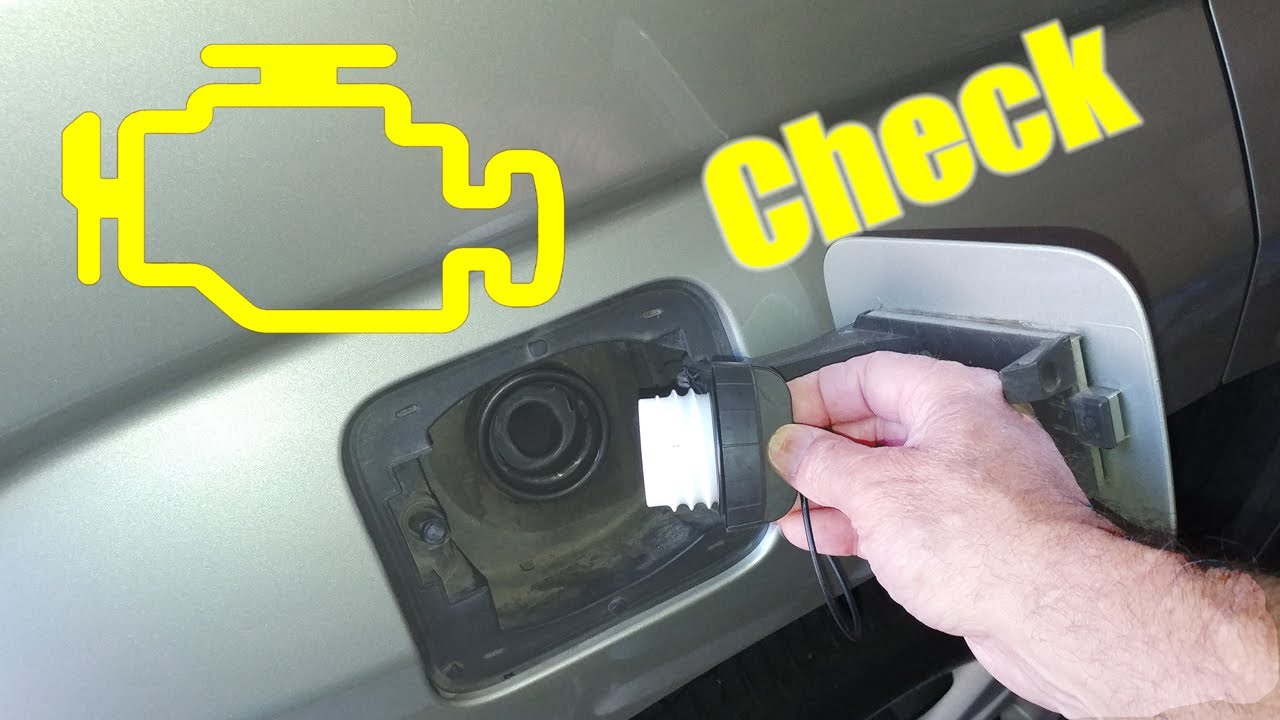
When your dashboard suddenly illuminates with a service engine soon light, it can trigger immediate concern and confusion. This warning indicator, often confused with the check engine light, serves as your vehicle’s early alert system for potential mechanical issues. Understanding what triggers this light, how to diagnose the problem, and when to seek professional help can save you from costly repairs and potential breakdowns. This comprehensive guide explores everything you need to know about the service engine soon light, from basic troubleshooting to advanced diagnostic techniques.
What Is the Service Engine Soon Light?
The service engine soon light is an onboard diagnostic indicator that alerts drivers to potential issues within their vehicle’s engine management system. Unlike maintenance reminders for routine oil changes, this warning light specifically monitors engine performance, emissions systems, and related components through your vehicle’s computer system.
Most modern vehicles manufactured after 1996 come equipped with OBD-II (On-Board Diagnostics II) systems that continuously monitor various sensors and components. When the system detects values outside normal operating parameters, it triggers the service engine soon light to notify you of potential problems. The light typically appears as an engine-shaped icon or the actual words “Service Engine Soon” on your dashboard, depending on your vehicle’s make and model.
The distinction between a service engine soon light and a check engine light varies by manufacturer. Some automakers use these terms interchangeably, while others designate the service engine soon light for less critical issues and reserve the check engine light for more serious problems. General Motors vehicles, for instance, commonly use the service engine soon terminology, while many other manufacturers prefer check engine light. Regardless of the terminology, both indicators serve the same fundamental purpose of alerting you to engine-related concerns that require attention.
Common Causes of the Service Engine Soon Light
Understanding why your service engine soon light illuminates requires examining the various systems and components your vehicle’s computer monitors. The causes range from simple fixes you can handle yourself to complex mechanical issues requiring professional diagnosis.
Oxygen Sensor Failures
Oxygen sensors monitor the amount of unburned oxygen in your vehicle’s exhaust system, helping the engine computer adjust the air-fuel mixture for optimal performance. When these sensors fail or provide inaccurate readings, your service engine soon light activates. Failed oxygen sensors can reduce fuel efficiency by up to 40% and increase harmful emissions. Most vehicles have multiple oxygen sensors, and replacing a faulty sensor typically costs between $150 to $400 depending on location and accessibility.
Loose or Damaged Gas Cap
One of the simplest yet most overlooked causes of the service engine soon light is a loose, damaged, or missing gas cap. Your vehicle’s fuel system operates as a sealed environment to prevent fuel vapors from escaping into the atmosphere. When the gas cap doesn’t seal properly, the evaporative emission control system detects the leak and triggers the warning light. This issue accounts for approximately 10-15% of all service engine soon light activations, according to automotive diagnostics data. Tightening or replacing your gas cap costs virtually nothing and should be your first troubleshooting step.
Catalytic Converter Problems
The catalytic converter transforms harmful pollutants in exhaust gases into less harmful emissions before they exit your vehicle. When this component fails, your service engine soon light illuminates, often accompanied by reduced engine performance, decreased fuel economy, and a sulfur or rotten egg smell. Catalytic converter replacement ranks among the most expensive repairs, with costs ranging from $1,000 to $3,000 depending on your vehicle type. Ignoring catalytic converter issues can lead to complete engine shutdown and damage to other components.
Mass Airflow Sensor Malfunctions
The mass airflow (MAF) sensor measures the amount of air entering your engine, allowing the computer to calculate proper fuel delivery. A dirty or failing MAF sensor sends incorrect data to the engine control unit, resulting in poor fuel economy, rough idling, and activation of the service engine soon light. Cleaning the MAF sensor with specialized cleaner costs about $10 and takes minutes, while replacement sensors range from $120 to $400.
Spark Plug and Ignition System Issues
Worn spark plugs, damaged ignition coils, or faulty spark plug wires can cause misfires that trigger your service engine soon light. Modern engines require spark plugs to fire millions of times, and eventually they wear down, creating gaps that affect combustion efficiency. Symptoms include rough idling, poor acceleration, increased fuel consumption, and engine vibration. Regular spark plug replacement every 30,000 to 100,000 miles (depending on plug type) prevents these issues and typically costs $100 to $300 for a complete set.
Vacuum Leaks
Your engine relies on a network of vacuum hoses to operate various systems including the brake booster, emissions controls, and fuel pressure regulation. When these hoses crack, disconnect, or develop leaks, the service engine soon light activates due to improper air-fuel mixture ratios. Vacuum leaks often produce a hissing sound near the engine and cause rough idling or stalling. Replacing damaged vacuum hoses is relatively inexpensive, with individual hoses costing $10 to $50, though labor costs increase if multiple hoses require replacement.
How to Diagnose Your Service Engine Soon Light
Proper diagnosis of your service engine soon light requires systematic troubleshooting and the right tools. Modern diagnostic technology has made it easier for both professionals and DIY enthusiasts to identify issues quickly and accurately.
Using an OBD-II Scanner
An OBD-II scanner represents the most effective tool for diagnosing service engine soon light issues. These devices plug into your vehicle’s OBD-II port, typically located under the dashboard near the driver’s seat. Once connected, the scanner retrieves diagnostic trouble codes (DTCs) stored in your vehicle’s computer system. Basic code readers cost between $20 and $100, while professional-grade scan tools with advanced features range from $200 to several thousand dollars.
When you connect the scanner, it displays alphanumeric codes such as P0420 (catalytic converter efficiency below threshold) or P0171 (system too lean). Each code corresponds to a specific issue or system malfunction. However, these codes serve as starting points for diagnosis rather than definitive answers. A code indicating an oxygen sensor problem, for example, might result from a faulty sensor, damaged wiring, or exhaust leaks affecting sensor readings. Cross-referencing codes with vehicle-specific repair databases helps narrow down the actual cause.
Visual Inspection Methods
Before investing in diagnostic tools or professional services, conduct a thorough visual inspection of common problem areas. Start with your gas cap, ensuring it clicks at least three times when tightened. Examine all accessible vacuum hoses for cracks, disconnections, or deterioration. Check your air filter for excessive dirt or debris that might restrict airflow. Inspect spark plug wires for damage or corrosion if your vehicle uses traditional ignition systems. Look for obvious fluid leaks, loose connections, or damaged components under the hood.
Professional Diagnostic Services
While DIY diagnosis saves money, complex issues often require professional expertise and specialized equipment. Professional mechanics use advanced scan tools that provide real-time data streams, component testing capabilities, and manufacturer-specific diagnostic protocols. Many auto parts stores offer free code reading services, though these basic scans don’t match the depth of professional diagnostics. A comprehensive diagnostic service typically costs $100 to $150, but this investment prevents misdiagnosis and unnecessary parts replacement.
Immediate Steps When Your Service Engine Soon Light Comes On
When your service engine soon light illuminates while driving, your immediate response depends on accompanying symptoms and warning signals. Understanding how to react appropriately protects your engine from further damage and ensures your safety.
Steady Light vs. Flashing Light
A steady service engine soon light indicates a detected problem that requires attention but doesn’t necessarily demand immediate stoppage. You can typically continue driving to a safe location or your destination, then address the issue promptly. However, a flashing service engine soon light signals a severe problem, usually engine misfires that can damage your catalytic converter. If the light flashes, reduce your speed, avoid hard acceleration, and seek mechanical assistance immediately.
Safe Driving Practices
When your service engine soon light activates, monitor your vehicle’s performance closely for unusual symptoms. Listen for strange noises, feel for vibrations or rough running, and notice any changes in acceleration or power delivery. If you experience severe symptoms like overheating, loss of power, unusual smells, or mechanical noises, pull over safely and shut off the engine. Continuing to drive with serious mechanical issues can transform a minor repair into a major engine rebuild or replacement.
Documentation and Monitoring
Record when the service engine soon light first appeared, what you were doing when it activated, and any symptoms you noticed. Note whether the light came on during acceleration, idling, highway driving, or specific conditions like cold starts. This information helps mechanics diagnose intermittent problems that might not trigger the light during their inspection. Some modern vehicles display warning messages alongside the service engine soon light, providing additional clues about the nature of the problem.
DIY Fixes for Common Service Engine Soon Light Issues
Many service engine soon light triggers stem from simple problems you can address without professional assistance. These DIY solutions save money and help you understand your vehicle better.
Gas Cap Inspection and Replacement
Start your troubleshooting by removing and inspecting your gas cap. Look for cracks in the plastic housing, deterioration of the rubber seal, or damage to the tether. Clean any debris from the cap and fuel filler neck. When reinstalling, turn the cap clockwise until you hear at least three distinct clicks. If your gas cap appears damaged, purchase a replacement from an auto parts store for $10 to $30. After tightening or replacing the cap, the service engine soon light may take several driving cycles (50-100 miles) to reset automatically.
Air Filter Replacement
A severely clogged air filter restricts airflow to your engine, affecting performance and potentially triggering your service engine soon light. Most air filters are located in a plastic housing near the front of the engine bay. Open the housing (usually secured with clips or screws), remove the old filter, and compare it to a new one. If the old filter appears dark gray or black with accumulated debris, replacement is necessary. New air filters cost $15 to $50 and take minutes to install, making this one of the easiest maintenance tasks.
Mass Airflow Sensor Cleaning
Cleaning your MAF sensor requires careful handling and proper cleaning solution. Never use conventional cleaners or compressed air, as these can damage the sensitive sensing elements. Purchase MAF sensor cleaner spray (approximately $10) from an auto parts store. Locate your MAF sensor, typically positioned between the air filter housing and throttle body. Carefully remove it, spray the sensor elements with 10-15 short bursts of cleaner, allow it to dry completely (usually 10-20 minutes), then reinstall. This simple maintenance can restore proper sensor function and eliminate the service engine soon light if contamination caused the problem.
Battery Terminal Maintenance
Loose or corroded battery terminals occasionally cause electrical issues that trigger the service engine soon light. Inspect your battery terminals for white, green, or blue crusty buildup. Disconnect the negative (black) terminal first, then the positive (red) terminal. Clean both terminals and cable ends with a wire brush or battery terminal cleaner. Reconnect the positive terminal first, then the negative, ensuring both are tight. This maintenance ensures proper electrical system function and may resolve intermittent service engine soon light issues related to voltage fluctuations.
Understanding Diagnostic Trouble Codes (DTCs)
Diagnostic trouble codes provide the foundation for understanding why your service engine soon light activated. Learning to interpret these codes empowers you to make informed decisions about repairs and maintenance.
Code Categories and Meanings
OBD-II diagnostic codes follow a standardized format consisting of five characters. The first character indicates the system affected: P (powertrain), B (body), C (chassis), or U (network communications). The second character designates whether the code is generic (0) or manufacturer-specific (1). The third character identifies the specific subsystem, while the final two characters pinpoint the exact fault. For example, code P0301 indicates a cylinder 1 misfire, where P means powertrain, 0 indicates a generic code, 3 refers to the ignition system, and 01 specifies cylinder 1.
Most Common DTCs
Several diagnostic trouble codes appear more frequently than others when investigating service engine soon light activations. Understanding these common codes helps you anticipate potential issues and estimate repair costs:
| Code | Description | Common Causes | Typical Repair Cost |
|---|---|---|---|
| P0420 | Catalytic Converter Efficiency Below Threshold | Failed catalytic converter, oxygen sensor issues | $1,000 – $3,000 |
| P0171 | System Too Lean (Bank 1) | Vacuum leaks, MAF sensor problems, fuel pressure issues | $150 – $800 |
| P0300 | Random/Multiple Cylinder Misfire | Spark plugs, ignition coils, fuel injectors | $100 – $600 |
| P0440 | Evaporative Emission System Malfunction | Loose gas cap, EVAP system leaks, purge valve failure | $20 – $400 |
| P0128 | Coolant Thermostat Temperature Below Regulation | Faulty thermostat, coolant issues | $150 – $400 |
| P0455 | EVAP System Large Leak Detected | Gas cap, damaged EVAP lines, canister issues | $20 – $500 |
| P0101 | Mass Air Flow Circuit Range/Performance | Dirty or failed MAF sensor | $10 – $400 |
Interpreting Multiple Codes
Sometimes your service engine soon light results from multiple stored diagnostic codes. In these cases, prioritize diagnosis by addressing the oldest or most severe code first. Multiple codes often relate to a single underlying problem. For instance, a failing catalytic converter (P0420) might also trigger oxygen sensor codes (P0131, P0137) because the damaged converter affects sensor readings. Similarly, vacuum leaks can generate multiple lean condition codes across different engine banks. Professional mechanics use their experience to identify which code represents the root cause and which codes are secondary symptoms.
The Cost of Ignoring Your Service Engine Soon Light
Neglecting your service engine soon light often leads to progressively worse problems and substantially higher repair costs. Understanding the potential consequences motivates timely attention to this warning.
Progressive Engine Damage
Many engine problems start small but escalate when ignored. A failing oxygen sensor initially reduces fuel economy and increases emissions, but continued operation with incorrect air-fuel ratios can damage your catalytic converter, transforming a $200 repair into a $2,000 problem. Similarly, driving with engine misfires not only reduces performance but also allows unburned fuel to enter the exhaust system, potentially destroying the catalytic converter or damaging other components. The service engine soon light serves as an early warning system designed to prevent these cascading failures.
Failed Emissions Testing
Most states and regions require periodic emissions testing for vehicle registration. A illuminated service engine soon light guarantees automatic emissions test failure regardless of actual emission levels. Failed tests prevent vehicle registration renewal and require repairs before retesting. Some issues causing the service engine soon light also result in excessive emissions that harm air quality and contribute to environmental pollution. Addressing warning lights promptly ensures compliance with emissions regulations and environmental responsibility.
Reduced Fuel Economy
Many conditions triggering the service engine soon light directly impact fuel efficiency. Failed oxygen sensors can reduce fuel economy by 40%, while clogged air filters, misfiring cylinders, and faulty MAF sensors also significantly increase fuel consumption. Over time, the additional fuel costs often exceed the repair costs for the underlying problem. For example, if a faulty oxygen sensor reduces your fuel economy from 25 MPG to 18 MPG, and you drive 15,000 miles annually with gas at $3.50 per gallon, you waste approximately $588 per year compared to a $200 sensor replacement.
Safety Concerns
Certain issues indicated by the service engine soon light pose direct safety risks. Problems affecting engine performance can cause unexpected stalling in traffic, reduced power during highway merging or passing, or complete engine failure in dangerous situations. Some codes indicate problems with emissions systems that could allow dangerous gases to enter the vehicle cabin. Others signal ignition system issues that might cause backfires or engine fires. While not every service engine soon light represents an immediate safety hazard, the potential risks justify prompt diagnosis and repair.
Advanced Troubleshooting Techniques
Beyond basic diagnostics, advanced troubleshooting methods help identify elusive problems causing your service engine soon light to illuminate.
Live Data Monitoring
Professional-grade scan tools display live data streams showing real-time values from various sensors and systems. Monitoring these data streams while driving helps identify intermittent problems that might not appear during stationary testing. For example, watching oxygen sensor readings during acceleration can reveal response delays indicating sensor degradation. Monitoring fuel trim values helps diagnose vacuum leaks or fuel system problems. Short-term and long-term fuel trims showing positive values above 10% indicate the engine runs lean, while negative values suggest rich conditions.
Component Testing Procedures
Systematically testing individual components isolates problems when diagnostic codes don’t clearly identify the faulty part. Testing oxygen sensors involves checking their response time and voltage patterns under various conditions. MAF sensor testing requires comparing actual readings to manufacturer specifications for your engine’s airflow at idle and under load. Ignition system testing includes checking spark plug gap, measuring ignition coil resistance, and testing spark plug wire continuity. Each component has specific testing procedures and specifications outlined in vehicle-specific repair manuals.
Intermittent Problem Diagnosis
Intermittent issues causing occasional service engine soon light activation prove particularly challenging to diagnose. These problems might only occur under specific conditions like cold weather, hot engine temperatures, high humidity, or certain driving patterns. Freeze frame data stored when the code sets provides valuable clues about conditions present when the problem occurred. This data includes engine RPM, vehicle speed, coolant temperature, and other parameters. Attempting to recreate these conditions during testing helps reproduce the problem for diagnosis.
Preventive Maintenance to Avoid Service Engine Soon Light Issues
Proactive maintenance significantly reduces the likelihood of unexpected service engine soon light activations and extends your vehicle’s reliable service life.
Regular Maintenance Schedule
Following your vehicle manufacturer’s recommended maintenance schedule prevents many common problems. This includes regular oil changes every 5,000 to 7,500 miles (or as specified), air filter replacement every 15,000 to 30,000 miles, spark plug replacement at recommended intervals (typically 30,000 to 100,000 miles depending on plug type), and coolant system service every 50,000 to 100,000 miles. Many modern vehicles like the 6.7 powerstroke engine have specific maintenance requirements that prevent common issues. Adhering to these schedules addresses wear and deterioration before components fail and trigger warning lights.
Quality Parts and Fluids
Using quality replacement parts and proper fluids prevents premature failures and protects your investment. While aftermarket parts often cost less than OEM (Original Equipment Manufacturer) components, quality varies significantly. Premium aftermarket parts from reputable manufacturers typically perform comparably to OEM parts at lower prices. However, cheap, low-quality parts often fail prematurely, triggering your service engine soon light shortly after installation. Similarly, using proper engine oil, coolant, and other fluids meeting manufacturer specifications ensures optimal performance and longevity.
Driving Habits Impact
Your driving habits directly influence component longevity and the likelihood of service engine soon light activation. Aggressive driving with hard acceleration and braking accelerates wear on spark plugs, ignition components, and other systems. Frequent short trips prevent the engine from reaching optimal operating temperature, causing moisture accumulation and incomplete combustion that fouls spark plugs and contaminates oil. Allowing your engine to warm up briefly before driving and avoiding unnecessary idling promotes proper engine function and reduces component stress.
Fuel Quality Considerations
Gasoline quality affects engine performance, emissions, and component longevity. Top Tier gasoline brands contain additional detergent additives that clean fuel injectors, intake valves, and combustion chambers, preventing deposit buildup that can trigger the service engine soon light. While Top Tier fuel costs slightly more than generic gasoline, the cleaning benefits protect your engine and fuel system. Avoid consistently using the cheapest available fuel, as contamination or low-quality fuel can damage sensors and components.
When to Seek Professional Help
Knowing when to consult a professional mechanic versus attempting DIY repairs prevents frustration and potential mistakes when addressing your service engine soon light.
Complex Diagnosis Requirements
Some diagnostic trouble codes require specialized equipment, technical knowledge, or procedures beyond typical DIY capabilities. Issues involving the vehicle’s computer system, complex electrical diagnostics, or component replacement requiring special tools necessitate professional assistance. Problems with the evaporative emissions system, for example, often require smoke testing equipment to locate small leaks. Diagnosing intermittent electrical faults might need oscilloscopes and advanced testing procedures. Professional mechanics have access to manufacturer-specific repair information, technical service bulletins, and diagnostic flow charts unavailable to most vehicle owners.
Safety-Critical Repairs
Certain repairs related to your service engine soon light involve safety-critical systems requiring proper tools and expertise. Work involving fuel system components carries fire and injury risks if not performed correctly. Repairs to emissions systems must comply with environmental regulations and often require specific procedures for proper function. When diagnostic codes indicate problems you’re uncomfortable addressing, professional assistance ensures safe, proper repairs.
Warranty Considerations
If your vehicle remains under manufacturer warranty or you purchased an extended warranty, professional diagnosis and repair through authorized service centers protects your warranty coverage. Many warranties require documentation of proper maintenance and repair procedures. Attempting repairs yourself or using non-authorized shops might void warranty coverage, leaving you responsible for expensive repairs the warranty would otherwise cover.
Cost-Benefit Analysis
Sometimes the diagnostic process itself justifies professional assistance despite the additional cost. If you’ve spent hours troubleshooting without identifying the problem, a mechanic’s experience and equipment can quickly pinpoint the issue. Consider the value of your time, the cost of potentially purchasing wrong parts, and the frustration of continued failed repair attempts when deciding whether to seek professional help for your service engine soon light.
Service Engine Soon Light vs. Check Engine Light: Key Differences
Understanding the distinction between service engine soon and check engine terminology helps you interpret your vehicle’s warnings appropriately.
Manufacturer-Specific Terminology
Different automakers use varying terminology for essentially the same warning system. General Motors vehicles traditionally display “Service Engine Soon,” while most other manufacturers use “Check Engine” or an engine-shaped icon. Some newer vehicles use more specific messages like “Service Emissions System” or “Malfunction Indicator Lamp” (MIL). Regardless of the exact wording, these warnings indicate the onboard diagnostic system detected a problem requiring attention.
Severity Interpretation
When vehicles have both service engine soon and check engine indicators, manufacturers typically assign different severity levels to each. The service engine soon light generally indicates less critical issues like minor emissions problems or sensors reading at the edge of acceptable ranges. The check engine light usually signals more serious problems affecting engine performance, emissions, or drivability. However, this distinction isn’t universal, and any illuminated warning light deserves prompt attention.
Service Reminders vs. Diagnostic Warnings
Some vehicles use service-related lights or messages for scheduled maintenance reminders separate from diagnostic warnings. These maintenance minders alert you to upcoming oil changes, tire rotations, or other routine service based on mileage or time intervals. Unlike the service engine soon light triggered by detected problems, maintenance reminders don’t indicate actual malfunctions. Understanding your vehicle’s specific warning light system prevents confusion between scheduled maintenance notifications and diagnostic warnings.
Modern Vehicle Technology and Warning Systems
Advanced technology in modern vehicles has evolved how the service engine soon light functions and what information it provides.
Enhanced Diagnostic Capabilities
Today’s vehicles feature sophisticated diagnostic systems monitoring hundreds of parameters simultaneously. Modern engine control units process data from numerous sensors, comparing values against expected ranges and detecting patterns indicating developing problems. Some systems predict component failures before they occur, illuminating the service engine soon light based on degraded performance rather than complete failure. This predictive capability allows proactive maintenance before breakdowns occur.
Wireless Diagnostics and Apps
Many newer vehicles offer smartphone apps and wireless connectivity allowing owners to check diagnostic codes without separate scan tools. These systems send notifications when the service engine soon light activates, display basic code information, and sometimes provide estimated severity ratings. While convenient, these built-in systems typically provide less detailed information than dedicated professional diagnostic equipment. They serve as useful preliminary tools but don’t replace comprehensive professional diagnosis for complex issues.
Integration with Telematics
Connected vehicles equipped with telematics systems can automatically notify dealerships or service centers when the service engine soon light activates. Some manufacturers offer services scheduling service appointments automatically when diagnostic codes indicate required maintenance or repairs. These systems also enable remote diagnostics where technicians review vehicle data before you arrive, preparing necessary parts and reducing diagnostic time.
Environmental Impact of Ignoring Engine Warnings
The service engine soon light often relates to emissions systems, making prompt attention an environmental responsibility beyond vehicle maintenance.
Emissions System Function
Your vehicle’s emissions control systems reduce harmful pollutants released into the atmosphere. The catalytic converter transforms carbon monoxide, hydrocarbons, and nitrogen oxides into less harmful carbon dioxide, water vapor, and nitrogen. Oxygen sensors ensure optimal combustion efficiency minimizing emissions. The evaporative emissions system prevents fuel vapors from escaping. When these systems malfunction and trigger your service engine soon light, your vehicle likely produces significantly higher emissions contributing to air pollution.
Regulatory Compliance
Federal and state environmental regulations mandate properly functioning emissions systems for all vehicles. The Clean Air Act and related legislation require vehicles to maintain emissions within specified limits throughout their service life. Ignoring your service engine soon light when it indicates emissions system problems means your vehicle likely exceeds legal emission limits. Beyond potential fines for emissions test failures, continued operation of a polluting vehicle harms air quality in your community.
Long-Term Environmental Effects
Vehicle emissions contribute to ground-level ozone formation, particulate matter pollution, and greenhouse gas accumulation. While a single vehicle with a malfunctioning emissions system might seem insignificant, millions of poorly maintained vehicles create substantial environmental impact. Addressing your service engine soon light promptly when it indicates emissions problems represents environmental stewardship and contributes to cleaner air for everyone.
Real-World Case Studies and Examples
Examining actual scenarios where the service engine soon light activated provides practical insights into diagnosis and resolution.
Case Study 1: The Mystery of the Intermittent Light
A 2015 Honda Accord owner experienced an intermittent service engine soon light that appeared during highway driving but disappeared after refueling. Initial code reading showed P0455 (EVAP large leak detected). The owner tightened the gas cap, but the problem persisted. Professional diagnosis using smoke testing equipment revealed a cracked EVAP purge valve hose hidden behind the engine. The damaged hose allowed air into the sealed fuel system during highway speeds when the EVAP system actively purged vapors. Replacement of the $25 hose and clearing the code resolved the issue permanently. This case demonstrates how seemingly simple diagnostic codes sometimes indicate hard-to-find problems requiring specialized testing.
Case Study 2: Cascading Failures from Neglect
A 2012 Ford F-150 owner ignored the service engine soon light for six months after it first appeared with code P0420 (catalytic converter efficiency). The owner assumed the problem would resolve itself or that the light meant nothing serious. Eventually, the vehicle began misfiring and losing power. By the time professional diagnosis occurred, multiple codes appeared: P0420, P0300 (random misfire), P0131 (oxygen sensor circuit low), and P0174 (system too lean). The initial oxygen sensor failure had allowed improper fuel mixture, damaging the catalytic converter.
The damaged converter restricted exhaust flow, causing back pressure that led to misfires. What would have been a $200 oxygen sensor replacement became a $2,800 repair including new catalytic converter, both oxygen sensors, and spark plugs. This case illustrates the expensive consequences of ignoring warning lights.
Case Study 3: The Simple Solution
A 2018 Toyota Camry’s service engine soon light activated after the owner filled the fuel tank at a busy gas station. Diagnostic code P0457 (EVAP leak detected – loose gas cap) appeared on scanning. The owner discovered the gas cap wasn’t fully tightened, having been distracted during refueling. After properly securing the gas cap, the light extinguished after approximately 50 miles of driving. Total cost: zero. This case exemplifies why checking the gas cap should always be your first troubleshooting step when the service engine soon light appears.
Frequently Asked Questions About Service Engine Soon Light
What does it mean when the service engine soon light comes on?
When your service engine soon light illuminates, it means your vehicle’s onboard diagnostic system has detected a problem with the engine, emissions system, or related components. The light activates when sensor readings fall outside normal parameters or when the system detects malfunctions. Common causes include oxygen sensor failures, loose gas caps, catalytic converter problems, or issues with the ignition system. The specific problem is stored as a diagnostic trouble code that can be retrieved using an OBD-II scanner.
Can I drive with the service engine soon light on?
You can typically continue driving with a steady service engine soon light for short distances to reach a safe location or service facility, but you should address the issue promptly. However, if the light flashes, this indicates a serious problem like engine misfires that can damage your catalytic converter, and you should reduce speed and seek immediate assistance. Monitor your vehicle closely for symptoms like overheating, loss of power, unusual noises, or strong smells. If you experience these symptoms, pull over safely and shut off the engine.
How do I reset my service engine soon light?
Resetting the service engine soon light without fixing the underlying problem is not recommended, as the light will simply reappear. The proper approach is to diagnose the issue using an OBD-II scanner, repair the problem, then clear the diagnostic codes using the scanner. Some vehicles will automatically reset the light after several successful drive cycles (typically 50-100 miles) once the problem is resolved. Disconnecting the battery will temporarily clear codes, but this approach doesn’t fix anything and can cause other problems with your vehicle’s computer systems.
How much does it cost to fix a service engine soon light?
The cost to fix a service engine soon light varies dramatically depending on the underlying cause. Simple fixes like tightening or replacing a gas cap cost $0 to $30. Air filter replacement runs $15 to $50. Oxygen sensor replacement typically costs $150 to $400. Spark plug replacement ranges from $100 to $300. More expensive repairs include catalytic converter replacement at $1,000 to $3,000, or mass airflow sensor replacement at $200 to $400. Professional diagnostic services usually cost $100 to $150 to identify the specific problem.
Is the service engine soon light the same as the check engine light?
The service engine soon light and check engine light serve essentially the same function, indicating problems detected by your vehicle’s onboard diagnostic system. Some manufacturers (notably General Motors) use “Service Engine Soon” terminology, while others use “Check Engine” or simply display an engine-shaped icon. When vehicles have both indicators, the service engine soon light typically indicates less critical issues, while the check engine light signals more serious problems. However, this distinction varies by manufacturer, and both lights require prompt attention regardless of terminology.
Will my car pass inspection with the service engine soon light on?
Your vehicle will not pass state emissions or safety inspections with an illuminated service engine soon light. Emissions testing equipment connects to your vehicle’s OBD-II system and automatically fails any vehicle with stored diagnostic codes or illuminated warning lights, regardless of actual emissions levels. You must diagnose and repair the underlying problem, clear the diagnostic codes, and complete several drive cycles allowing all monitors to indicate “ready” status before your vehicle can pass inspection.
How long can I drive with the service engine soon light on?
While there’s no specific time or distance limit for driving with the service engine soon light illuminated, you should address the problem as soon as possible. Some issues allow continued driving for days or weeks without immediate risk, while others can cause progressive damage leading to expensive repairs or complete engine failure. The severity depends on the specific problem triggering the light. A flashing service engine soon light requires immediate attention within minutes or miles, while a steady light allows driving to a service facility but should be addressed within days, not weeks or months.
Can AutoZone check my service engine soon light for free?
Most AutoZone locations and many other auto parts stores offer free diagnostic code reading services. A store associate will use a basic OBD-II scanner to retrieve diagnostic trouble codes from your vehicle’s computer and provide a printout showing the codes and their descriptions. However, this free service provides only basic code reading, not comprehensive diagnosis. The codes indicate which system or component triggered the service engine soon light, but determining the root cause often requires additional testing, professional expertise, and specialized equipment beyond basic code readers.
Take Action on Your Service Engine Soon Light Today
Don’t let that service engine soon light on your dashboard turn into an expensive repair or leave you stranded. Whether you’re dealing with a simple loose gas cap or a more complex engine issue, addressing the problem promptly protects your vehicle, your wallet, and the environment.
Start by checking your gas cap and conducting a basic visual inspection. If the problem isn’t obvious, invest in an inexpensive OBD-II scanner or visit your local auto parts store for free code reading. For complex issues or if you’re uncomfortable with DIY diagnosis, consult a qualified mechanic who can provide professional diagnostic services and reliable repairs.
Remember that your service engine soon light exists to help you maintain your vehicle properly and avoid costly damage. Taking immediate action when the light appears demonstrates responsible vehicle ownership and ensures reliable transportation for years to come.
Learn more about engine maintenance and common issues at AllAboutEngines.com – your comprehensive resource for everything related to automotive engines and repair.
Sources and Citations:
- Automotive Service Association (ASA). “Understanding On-Board Diagnostics and Emissions Systems.” ASA Technical Resources, 2024.
- Environmental Protection Agency. “Vehicle Emissions Testing and Standards.” EPA.gov, 2024.
- National Institute for Automotive Service Excellence. “OBD-II Diagnostic Trouble Code Reference.” ASE Certification Resources, 2024.
- Society of Automotive Engineers. “J1979 E/E Diagnostic Test Modes.” SAE International Standards, 2024.