In this guide
If you own a BMW E90, you already know that keeping this machine in peak condition is both a passion and a responsibility. One component that often gets overlooked — until something goes wrong — is the engine coolant cap. A faulty or degraded coolant cap on your E90 can lead to overheating, coolant loss, and in worst-case scenarios, catastrophic engine damage. This guide walks you through everything you need to know about E90 engine coolant cap replacement, from identifying failure symptoms to completing the job yourself or knowing when to call a professional.
What Is the E90 Engine Coolant Cap and Why Does It Matter?
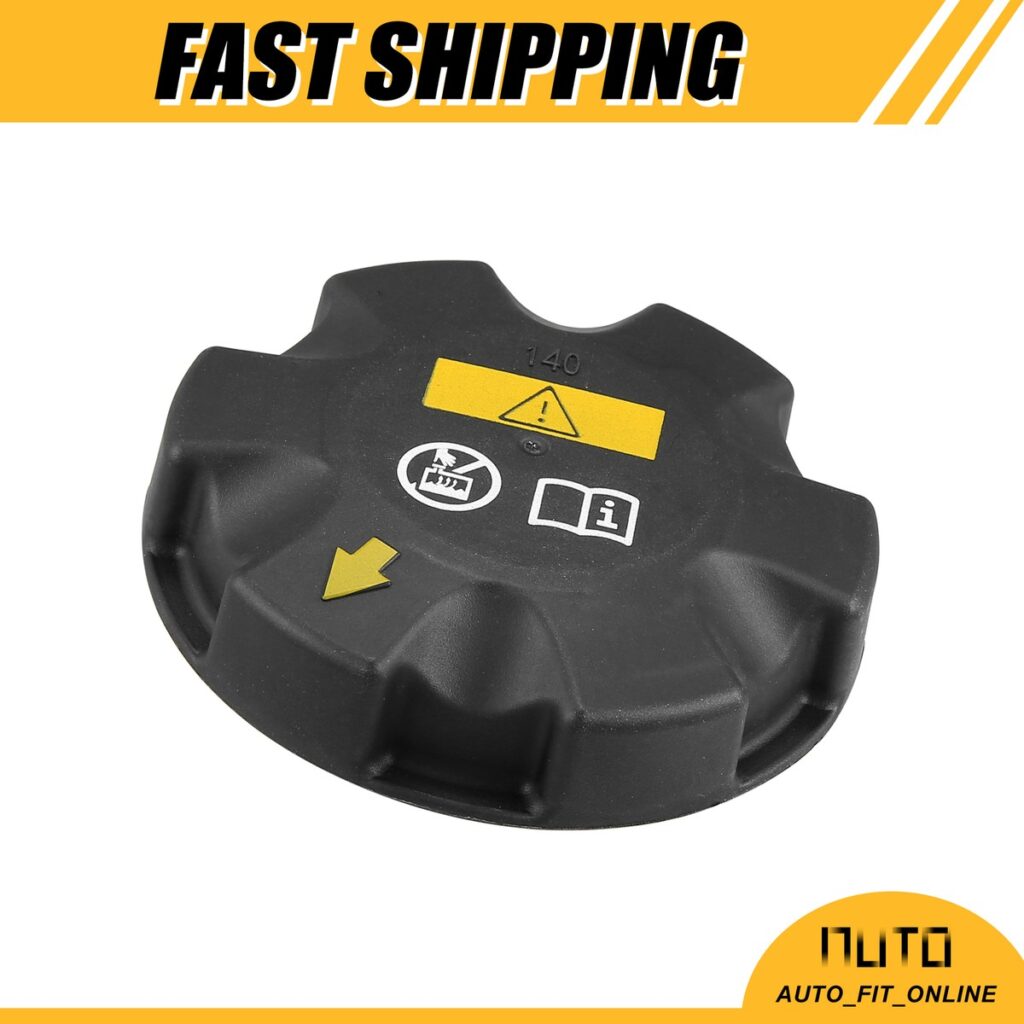
The BMW E90, produced from 2005 to 2011, uses a pressurized cooling system to maintain optimal engine temperature. At the heart of this system is the coolant reservoir cap — a small but critically important component that regulates the pressure within the cooling circuit.
The coolant cap on the E90 is not just a simple lid. It contains a pressure relief valve that maintains the system at approximately 1.4 bar (20 PSI). By keeping the coolant under pressure, the boiling point of the coolant is raised significantly — often above 120°C (248°F) — which prevents the coolant from vaporizing under extreme heat conditions. Without a functioning cap, the cooling system loses its pressurized integrity, and your engine becomes vulnerable.
“A failing coolant cap is one of the most underrated causes of BMW overheating complaints. It’s a $15–$30 part that can save you from a $3,000 head gasket repair.” — Certified BMW Master Technician, BimmerForum Community
The E90 platform, which covers the 3 Series sedan (including the 320i, 325i, 328i, and 335i variants), uses a white or natural-colored polypropylene coolant expansion tank with a screw-on cap. Over time, heat cycling, UV exposure, and normal wear degrade both the tank and the cap, making E90 engine coolant cap replacement a routine maintenance item that many owners overlook.
Common Symptoms That Signal You Need an E90 Engine Coolant Cap Replacement
Knowing the warning signs early can save you from expensive repairs down the road. Here are the most common symptoms associated with a failing coolant cap on the BMW E90:
1. Coolant Loss Without Any Visible Leaks
If you find yourself topping off the coolant reservoir frequently but can’t find any puddles under the car or obvious hose leaks, the coolant cap is a prime suspect. A degraded rubber seal allows coolant to escape as steam under heat, leaving no visible trace.
2. Overheating Warning on the Dashboard
The BMW E90 features a digital temperature gauge and warning system. If your temperature gauge creeps toward the red zone or you receive a “Engine Temperature Too High” warning, a faulty coolant cap could be the culprit. Without proper pressure, the coolant boils at a lower temperature, reducing the system’s ability to manage heat.
3. White Residue or Crusty Deposits Around the Cap
A telltale sign of E90 coolant cap failure is the presence of white, chalky deposits around the neck of the reservoir or on the cap itself. This is dried coolant that has been forced past the seal under pressure.
4. Collapsed or Swollen Coolant Hoses
A cap that doesn’t hold pressure can cause hoses to collapse under negative pressure (vacuum) when the engine cools down. Conversely, if the pressure relief valve is stuck shut, hoses may swell dangerously. Either scenario is a red flag.
5. Milky Oil or Excessive Steam from the Exhaust
While milky oil can indicate a head gasket issue, a faulty coolant cap can exacerbate the problem. Learn more about engine life after head gasket replacement to understand the downstream consequences of ignoring cooling system health.
6. Gurgling or Bubbling Sounds from the Engine Bay
If the cooling system isn’t maintaining proper pressure, air can infiltrate the coolant circuit, causing audible gurgling noises, particularly near the expansion tank area.
E90 Engine Coolant Cap Specifications: What You Need to Know Before Buying
Not all coolant caps are created equal, and fitting the wrong one on your E90 can cause as many problems as a worn-out cap. Here’s a quick reference table:
| Specification | Details |
|---|---|
| Compatible Models | BMW E90 320i, 323i, 325i, 328i, 330i, 335i (2005–2011) |
| OEM Part Number | 17137603655 / 17137541092 |
| Pressure Rating | 1.4 bar (approximately 20 PSI) |
| Thread Type | Bayonet/Screw-on |
| Material | Glass-filled nylon, rubber seal |
| OEM Manufacturer | Febi Bilstein, Genuine BMW, Rein Automotive |
| Average Cost (OEM) | $18–$35 USD |
| Average Cost (Aftermarket) | $8–$20 USD |
Pro Tip: Always verify the pressure rating stamped on your old cap before purchasing a replacement. Using a cap with the wrong pressure rating — even slightly — can cause chronic overheating or hose damage.
OEM vs. Aftermarket: Which E90 Coolant Cap Should You Choose?
This is one of the most debated topics in BMW ownership circles, and for good reason. The aftermarket is flooded with cheap coolant caps that may physically fit but fail to maintain accurate pressure.
OEM (Original Equipment Manufacturer) caps, such as those sourced from Genuine BMW or Febi Bilstein, are manufactured to exact tolerances and pressure ratings. They cost more — typically $20–$35 — but they are the safest choice for a vehicle where cooling system precision matters.
Aftermarket caps from reputable brands like Rein Automotive, Gates, or Behr are acceptable alternatives when purchased from trusted suppliers. Avoid no-name caps sold for under $5–$8 from unverified sources; these frequently use substandard rubber compounds that deteriorate rapidly under BMW’s high operating temperatures.
Key recommendation: If your E90 is still under extended warranty, has a high-performance engine like the N54 or N55 (found in the 335i), or is used for track days, always opt for a genuine BMW coolant cap. The $10–$15 savings from an aftermarket cap is not worth the risk.
Step-by-Step: How to Perform an E90 Engine Coolant Cap Replacement
The good news is that replacing the coolant cap on a BMW E90 is one of the simplest DIY jobs you can perform. You don’t need specialized tools, and the entire process takes under 15 minutes. Here’s how to do it safely:
Tools and Materials Required
- New BMW E90 coolant cap (correct pressure rating, verified OEM part number)
- Clean rag or shop towel
- Gloves (coolant is toxic and can irritate skin)
- Flashlight (optional, for inspecting the reservoir)
Step 1: Let the Engine Cool Down Completely
This is non-negotiable. Never open the coolant cap on a hot engine. The cooling system is pressurized, and opening the cap while hot can cause scalding coolant to erupt violently. Wait at least 2 hours after the last drive, or ideally allow the car to sit overnight.
Step 2: Locate the Coolant Expansion Tank
On the BMW E90, the coolant expansion tank is located in the engine bay on the passenger side (right side when facing the engine). It is a white or semi-transparent plastic reservoir clearly labeled with MAX and MIN markings.
Step 3: Inspect the Coolant Level and Condition
Before removing the old cap, visually inspect the coolant through the reservoir walls. Healthy coolant should be blue or green and translucent. If it appears brown, rusty, or milky, you likely have additional cooling system issues that require attention beyond just the cap.
Step 4: Remove the Old Coolant Cap
Turn the cap counterclockwise slowly. You may hear a slight hiss as any residual pressure releases — this is normal if the engine has cooled somewhat but not completely. Remove the cap fully and set it aside.
Step 5: Inspect the Reservoir Neck
Use a flashlight to inspect the reservoir filler neck for cracks, warping, or damage. Also check the rubber O-ring seat on the neck. If you see damage, the reservoir itself may need replacement — a common issue on high-mileage E90s.
Step 6: Install the New E90 Coolant Cap
Thread the new cap clockwise onto the reservoir neck, turning firmly until it locks into place with a click or until it stops turning. Do not overtighten — the cap is plastic and can crack.
Step 7: Check Coolant Level and Top Off If Necessary
With the new cap in place, ensure the coolant level sits between the MIN and MAX lines. If it’s low, top off with the correct BMW-approved coolant — typically a 50/50 mix of distilled water and BMW Coolant/Antifreeze (P/N 82141467704). Never use generic green antifreeze in a BMW without verifying compatibility.
Step 8: Start the Engine and Monitor
Start the engine and let it warm up to operating temperature. Monitor the temperature gauge carefully for the first 10–15 minutes. Check around the reservoir cap for any signs of seepage. If everything looks stable, you’re done.
How Often Should You Replace the E90 Engine Coolant Cap?
BMW does not publish a specific replacement interval for the coolant cap, but experienced technicians and enthusiast communities generally recommend the following schedule:
- Every 4–5 years or 60,000–80,000 miles, whichever comes first
- Immediately upon any signs of failure (symptoms listed above)
- Whenever the coolant is flushed — a good practice to replace the cap at the same time
- When purchasing a used E90 — if the service history is unknown, replace it as a precaution
According to data aggregated from BMW enthusiast forums such as BimmerPost and E90Post, coolant cap failure is among the top 10 most frequently reported DIY fixes for the E90 platform, particularly on vehicles with over 80,000 miles.
E90 Coolant Cap Replacement Cost: DIY vs. Professional Service
Understanding the cost breakdown helps you make an informed decision:
| Service Type | Parts Cost | Labor Cost | Total Estimated Cost |
|---|---|---|---|
| DIY Replacement | $15–$35 | $0 | $15–$35 |
| Independent Shop | $15–$35 | $30–$60 | $45–$95 |
| BMW Dealership | $25–$50 (OEM) | $50–$100 | $75–$150 |
The DIY approach is strongly recommended for this particular job. It requires no special tools, poses minimal risk when the engine is cold, and the savings are substantial. The labor time is typically less than 15 minutes.
Case Study: The $15 Fix That Saved an E90’s Engine
Background: A 2007 BMW 328i with 112,000 miles presented with intermittent overheating warnings and recurring low coolant levels. The owner had already replaced the water pump and thermostat — two common E90 failure points — at a cost of approximately $900 combined.
The Diagnosis: A technician performed a cooling system pressure test and discovered the coolant cap was failing to hold pressure above 0.9 bar — well below the required 1.4 bar. Coolant was escaping as steam during high-load driving, triggering the thermal sensor.
The Fix: A new OEM BMW coolant cap was installed at a cost of $22. The overheating issue was completely resolved.
The Lesson: Before investing in major cooling system components, always test and if necessary replace the coolant cap first. It is the cheapest component in the system and one of the most commonly overlooked.
E90 Cooling System: Related Components to Inspect During Coolant Cap Replacement
When you’re already under the hood performing an E90 engine coolant cap replacement, it’s the perfect opportunity to inspect related components that are prone to failure on this platform:
- Coolant Expansion Tank: The plastic tanks on E90s are known to develop hairline cracks, especially near the seams. Replacement cost is $50–$120 DIY.
- Upper and Lower Radiator Hoses: Check for cracks, swelling, or soft spots. Replace every 80,000–100,000 miles.
- Thermostat: The E90 uses an electronically controlled thermostat. Failure is common after 80,000 miles and causes erratic temperature readings.
- Water Pump: One of the most notorious E90 failure points. The plastic impeller degrades over time. Replacement is recommended at 80,000–100,000 miles.
- Coolant Temperature Sensor: A faulty sensor can cause incorrect temperature readings even when the physical cooling system is functioning properly.
Understanding the health of your entire cooling system is critical. If you’ve recently dealt with more serious issues like a head gasket failure, understanding engine life after head gasket replacement is equally important to ensure your engine recovers fully.
How to Pressure Test Your E90 Cooling System
If you suspect a coolant cap issue but want confirmation before spending money on parts, a cooling system pressure test is the definitive diagnostic method. Here’s what the process involves:
- Obtain a cooling system pressure tester kit — available at AutoZone, O’Reilly, or Amazon for $30–$60, or borrow one free through AutoZone’s loaner tool program.
- Attach the adapter that matches your E90 reservoir neck to the pressure pump.
- Pump the system to 1.4 bar (20 PSI) — the rated system pressure.
- Monitor the gauge for 15 minutes. Pressure should not drop more than 0.1–0.2 bar during this period.
- A significant pressure drop with no visible external leaks strongly indicates a faulty cap or internal leak (such as a head gasket).
- Test the cap separately using the cap-testing adapter included in most kits. Pump it to its rated pressure and confirm it holds.
Best Practices for BMW E90 Cooling System Maintenance
Proper maintenance extends the life of every component in the cooling system. Follow these best practices to avoid premature E90 coolant cap replacement and protect your investment:
- Use only BMW-approved coolant. The BMW N-series engines are particularly sensitive to coolant chemistry. Using incorrect coolant can cause corrosion of aluminum components.
- Flush the cooling system every 4–5 years. Old coolant becomes acidic and attacks metal and rubber components.
- Never mix different coolant types. Mixing green, orange, and blue coolants creates chemical reactions that reduce protective properties.
- Inspect hoses annually for signs of wear, especially if you live in a climate with extreme temperature swings.
- Address overheating immediately. Even a single significant overheating event can warp the cylinder head on the E90’s aluminum block engines.
- Keep a spare coolant cap in your car. Given its low cost, carrying a backup cap is excellent insurance, especially on long trips or track days.
Source and Citation
For further reading and technical reference on E90 engine coolant cap replacement, consult the following authoritative source:
🔗 E90 Engine Coolant Cap Replacement – Complete Technical Reference (RealOEM.com — Official BMW Parts Catalog)
Additional references:
- BMW E90 Workshop Manual (TIS — Technical Information System)
- BimmerPost E90/E91/E92/E93 Forum Technical Archive
- Pelican Parts BMW 3 Series DIY Technical Articles
Call to Action
Is your BMW E90 showing signs of coolant loss, overheating, or mysterious temperature fluctuations? Don’t wait until a small problem becomes a catastrophic — and expensive — engine failure. Start with the simplest fix first: an E90 engine coolant cap replacement.
👉 Order your OEM BMW E90 engine coolant cap replacement today from a trusted supplier and protect your engine from overheating damage. Whether you choose to DIY or visit a trusted independent BMW specialist, taking action now is always cheaper than repairing the consequences of a cooling system failure.
Frequently Asked Questions (FAQs) About E90 Engine Coolant Cap Replacement
How do I know if my E90 engine coolant cap needs replacement?
The most common signs include recurring low coolant levels without visible leaks, overheating warnings, white crusty deposits around the reservoir neck, and collapsed or swollen coolant hoses. If the cap fails a pressure test (unable to hold 1.4 bar), it must be replaced immediately.
What is the correct pressure rating for the BMW E90 coolant cap?
The BMW E90 cooling system operates at 1.4 bar (approximately 20 PSI). Always verify the pressure rating on your existing cap or consult the OEM part number (17137603655 or 17137541092) before purchasing a replacement.
Can I drive my E90 with a faulty coolant cap?
Driving with a faulty E90 coolant cap is strongly discouraged. Without proper pressure, your cooling system cannot maintain sufficient coolant boiling points, significantly increasing the risk of overheating and potential engine damage, including warped cylinder heads or blown head gaskets.
How much does an E90 engine coolant cap replacement cost?
A DIY E90 engine coolant cap replacement costs between $15 and $35 for the part alone. Professional installation at an independent shop typically adds $30–$60 in labor, while BMW dealerships may charge $50–$100 in labor on top of the part cost.
Can a faulty coolant cap cause my E90 to overheat?
Absolutely. A faulty cap that cannot hold system pressure allows the coolant to boil at a lower temperature, reducing the system’s heat management capacity. This is a well-documented cause of overheating in the BMW E90 and should always be the first component inspected when overheating symptoms appear.
How long does it take to replace the coolant cap on a BMW E90?
The physical replacement takes 5–10 minutes once the engine has fully cooled. Including cool-down time, allow at least 2–3 hours from the last drive before performing the replacement safely.
Is it necessary to use an OEM coolant cap on my E90?
While quality aftermarket brands (Rein, Gates, Behr) are acceptable, OEM or Genuine BMW caps are the safest choice. Cheap no-name caps frequently fail to maintain accurate pressure ratings, defeating the entire purpose of the replacement.
What happens if I use the wrong coolant cap on my E90?
Using a cap with an incorrect pressure rating — too low or too high — can cause chronic overheating, hose damage, or even reservoir failure. Always confirm the pressure rating (1.4 bar for most E90 models) matches your vehicle’s requirements before installation.
This article is intended for informational purposes. Always consult your BMW’s owner’s manual or a qualified technician before performing maintenance if you are unsure about any procedure.