In this guide
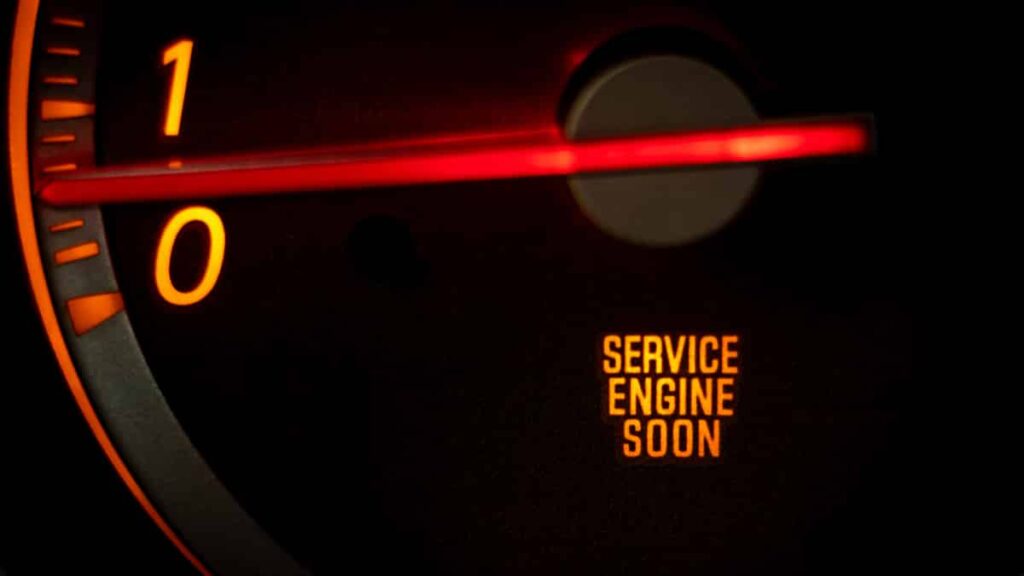
Direct answer: The Service Engine Soon light is an early warning from your vehicle’s on-board diagnostics (OBD-II) system that a problem has been detected—typically related to emissions, engine performance, or a faulty sensor—and a diagnostic trouble code (DTC) has been stored for later diagnosis. Understanding this alert, reacting promptly, and following a systematic check-up can keep your car safe, fuel-efficient, and compliant with emissions standards. This comprehensive Service Engine Soon light guide covers everything vehicle owners need to know about diagnosing and addressing this common warning indicator.
What the Service Engine Soon Light Means
The Service Engine Soon indicator is part of the vehicle’s emissions-monitoring system. Unlike the more familiar “Check Engine” light, which can be triggered by a broader range of engine problems, the Service Engine Soon light is specifically tied to the OBD-II system’s monitoring of emissions-related components and driveability parameters.
When the engine control unit (ECU/ECM) detects that a sensor reading is out of spec or that a system is not meeting expected performance, it stores a DTC and illuminates the dashboard light. The purpose is to alert you to an issue that may affect fuel economy, emissions, or long-term engine health, prompting you to investigate before a minor problem becomes a major repair.
How the OBD-II System Detects Issues
The OBD-II system constantly watches a network of sensors and actuators. Key elements include:
- Sensor network: Oxygen sensors, mass airflow sensor (MAF), coolant temperature sensor, throttle position sensor, and many others feed data to the ECU/ECM several times per second.
- Control unit (ECU/ECM): Compares sensor readings against programmed “closed-loop” values. If a reading falls outside the acceptable range for a defined period, a fault is flagged.
- Diagnostic manager: Stores the fault as a DTC, records freeze-frame data (a snapshot of sensor values at the moment of the fault), and turns on the Service Engine Soon light.
When a fault is detected, the ECU may also adjust engine operation (e.g., richer fuel mixture, limited boost) to protect components. This adaptive behavior can sometimes mask symptoms, making it important to read the codes promptly using an OBD-II scanner.
Reading Diagnostic Trouble Codes (DTCs) with an OBD-II Scanner
Step-by-step guide
- Locate the OBD-II port: In most vehicles, the port is typically found beneath the steering column, within a few inches of the dashboard. Consult your owner’s manual for your specific make and model.
- Choose a compatible scanner: A basic code reader suffices for most DTCs. Some advanced scanners display live data, graph sensor signals, and can reset readiness monitors.
- Plug in the scanner: Ensure the ignition is off, then insert the connector firmly.
- Turn the ignition to ON (do not start the engine): The scanner will power up and prompt you to select the vehicle make/model if needed.
- Read codes: Navigate to “Read DTCs” or “Scan”. The scanner will display a list of numeric codes (e.g.,
P0420– catalyst system efficiency below threshold, indicating potential catalytic converter issues). - Record the codes and descriptions: Write down each code, its meaning, and any associated freeze-frame data.
- Clear codes (optional): After diagnosing and fixing the issue, you can clear the codes to turn off the light. If the problem persists, the light will return.
Generic vs. manufacturer-specific codes
Most OBD-II codes follow a universal format: a letter (P, B, C, U) followed by four digits. Generic codes (e.g., P0300 – random/multiple cylinder misfire) are recognized by all OBD-II compliant vehicles. Manufacturer-specific codes add extra digits or letters to denote brand-unique behavior. Always look up the exact definition for your vehicle make and model to avoid misdiagnosis. Authoritative DTC databases like ALLDATA or Mitchell 1 provide detailed code definitions.
Common Causes of a Lit Service Engine Soon Indicator
The following components are the most frequent culprits behind an illuminated Service Engine Soon light:
- Oxygen sensor (O2 sensor): Measures exhaust gas oxygen levels to adjust fuel mixture. A failing sensor can reduce fuel economy and increase emissions.
- Mass Airflow Sensor (MAF): Measures the amount of air entering the engine. Dirt or failure leads to incorrect fuel calculations.
- Catalytic converter: Converts harmful gases into less toxic substances. Efficiency loss triggers codes like
P0420. - Spark plugs and ignition coils: Poor ignition causes misfires, which can damage the catalytic converter.
- Gas cap / fuel cap seal: A loose or cracked cap allows vapor leaks, triggering EVAP system codes. This is one of the most common and easily resolved causes.
- Evaporative Emission Control System (EVAP): Includes purge valves, vent valves, and charcoal canister. Small leaks are a common source of Service Engine Soon alerts.
- Fuel injection issues: Clogged injectors or faulty fuel pressure regulator affect mixture and performance.
If you retrieve a code, match it to the appropriate component list to narrow down the cause. Common emissions test failures often trace back to these components.
Steady vs. Flashing Light – Safety Guidelines
Steady (non-flashing) light
A solid Service Engine Soon light generally indicates a non-critical issue—often related to emissions or a sensor that is slightly out of range. You can typically continue driving, but you should schedule a diagnostic check soon.
Flashing (blinking) light
A flashing light signals a severe misfire that can quickly damage the catalytic converter or other emissions equipment. In this case:
- Pull over safely and stop the engine as soon as possible.
- Do not continue driving; have the vehicle towed to a repair facility.
- A flashing light may also accompany symptoms such as rough idle, loss of power, or an unusual smell.
Always treat a flashing light as an urgent warning. The longer you drive, the higher the risk of costly damage to the catalytic converter and other components.
DIY Diagnostic Checklist: Visual Inspection and Basic Tests
Before heading to a shop, you can perform a quick inspection to identify obvious problems:
- Check the gas cap: Remove and reseat it, ensuring the seal is clean and the cap is tightened until it clicks. A loose cap is a common trigger.
- Inspect wiring and connectors: Look for damaged, corroded, or disconnected wires near sensors (O2 sensor, MAF sensor, crankshaft position). Reconnect any loose plugs.
- Listen for misfires: Start the engine and listen for irregular ticking or popping sounds, which may indicate spark plugs or ignition coil issues.
- Use an OBD-II scanner: Read DTCs and note freeze-frame data. If the code points to a specific sensor, monitor its live data for abnormal patterns.
- Test basic sensors: For the MAF, a quick visual check of the sensing wire for contamination is often enough; if dirty, clean with appropriate MAF cleaner. For O2 sensors, watch voltage activity—normally it fluctuates within a range that varies by sensor type and manufacturer specifications.
- Examine the exhaust: A hissing sound may indicate an exhaust leak upstream of the catalytic converter.
If these checks don’t resolve the light, further diagnosis with advanced tools or professional assistance may be required. Consider consulting an ASE-certified mechanic for complex diagnostics.
When to Call a Professional Mechanic
Consider professional help when:
- The DTC is ambiguous or points to multiple systems.
- The vehicle exhibits driveability symptoms such as stalling, loss of power, or abnormal vibrations.
- You lack the specialized tools (e.g., advanced scanner with live data graphing, oscilloscope) to validate sensor operation.
- Repairs involve safety-critical components like brakes, steering, or airbag systems.
- The problem persists after a DIY fix and the light returns.
- You need to reset readiness monitors for an emissions test. Repair facilities with ASE certification have the training and equipment to handle complex diagnostics.
A qualified mechanic can perform a comprehensive diagnostic, including pressure testing the EVAP system, checking fuel trims, and verifying the integrity of the catalytic converter. They can also reference Technical Service Bulletins (TSBs) for known issues specific to your vehicle make and model.
Typical Repair Costs and What to Expect
The cost of repairs varies by vehicle make, model, labor rates, and parts quality. Below are common ranges for the most frequent Service Engine Soon-related fixes:
| Component | Typical Cost (Parts + Labor) |
|---|---|
| Gas cap / fuel cap replacement | $10 – $30 |
| Oxygen sensor (pre-catalyst) replacement | $150 – $300 |
| Mass Airflow Sensor (MAF) replacement | $200 – $400 |
| Catalytic converter replacement | $500 – $2,500 |
| Spark plugs (set) + ignition coils | $150 – $350 |
| EVAP purge valve or vent valve | $100 – $250 |
| Fuel injector replacement (single) | $150 – $300 |
Additional factors influencing price include dealer vs. independent shop rates, use of OEM vs. aftermarket parts, and regional market conditions. Warranty implications for emissions-related repairs may apply; check your vehicle’s warranty documentation.
Legal and Emissions Inspection Implications
Emissions testing requirements and inspection failure criteria vary significantly by state and testing program. In many jurisdictions, an illuminated Service Engine Soon light may cause a failure of the emissions or OBD-II portion of a vehicle inspection. Consequences can include:
- Inspection failure: The vehicle may not pass the smog check or emissions test.
- Registration hold: Many states require a passing emissions test before renewing registration. Check your state’s specific emissions requirements.
- Fines and penalties: Operating a vehicle that fails emissions can result in fines or require corrective repairs.
- EPA compliance: Persistent emissions violations can attract regulatory attention, especially for fleet owners.
Addressing the underlying issue promptly ensures you stay compliant and avoid legal complications. Contact your local DMV or visit your state’s environmental agency website for specific regulations.
Preventive Maintenance to Avoid Future Alerts
Routine care can dramatically reduce the likelihood of a Service Engine Soon light appearing:
- Regular oil and filter changes: Clean oil keeps engine components properly lubricated and reduces stress on sensors.
- Air filter inspection/replacement: A clogged filter can skew MAF readings and affect fuel economy.
- Fuel quality: Use the fuel grade recommended by the manufacturer; low-quality fuel can leave deposits on injectors and sensors.
- Periodic OBD-II scans: Even without a warning light, scanning once a year can uncover hidden codes and readiness monitor status.
- Secure gas cap: After refueling, tighten the cap until you hear a click, ensuring the seal is intact.
- Timely replacement of wear items: Spark plugs, ignition coils, and oxygen sensors have finite lifespans; replace them according to the maintenance schedule.
Following your vehicle’s recommended maintenance schedule helps maintain optimal engine performance and can prevent check engine light issues.
Impact of Ignoring the Light: Fuel Economy, Engine Longevity, and the Environment
If the Service Engine Soon light is ignored, several adverse effects can arise:
- Reduced fuel efficiency: A malfunctioning sensor can cause the engine to run richer or leaner than optimal, which may lead to increased fuel consumption. The actual impact varies based on the specific malfunction and driving conditions.
- Engine stress: Persistent misfires or improper air-fuel mixtures can lead to overheating, pre-ignition, or damage to internal components.
- Catalytic converter damage: Unresolved misfires may allow unburned fuel to enter the exhaust system, potentially causing excessive heat buildup that could damage the catalytic converter over time.
- Higher emissions: Faulty emissions equipment releases more hydrocarbons (HC), carbon monoxide (CO), and nitrogen oxides (NOx), contributing to smog and environmental pollution.
- Long-term repair costs: Small issues left untreated often escalate, turning a modest repair into a major expense.
Taking prompt action preserves engine health, maximizes fuel economy, and helps keep the environment cleaner.
Conclusion
The Service Engine Soon light is more than just an annoyance—it’s a valuable early warning system built into modern vehicles. By understanding what the light means, learning how the OBD-II system works, and following a systematic diagnostic approach, you can address issues before they become costly repairs.
Start with a simple visual inspection and an OBD-II scan. If the problem is beyond a loose gas cap or a dirty sensor, consider professional assistance. Keep up with routine maintenance, secure the fuel cap, and stay on top of scheduled replacements to minimize future alerts.
Taking the Service Engine Soon light seriously protects your safety, preserves your vehicle’s performance, ensures compliance with emissions laws, and saves money over the long run.
Schedule a Diagnostic Check Today
If your Service Engine Soon light is on and you need professional diagnosis, contact a qualified mechanic or visit a local auto repair shop for a comprehensive OBD-II diagnostic scan.
Frequently Asked Questions
What does the Service Engine Soon light indicate?
It signals that the vehicle’s OBD-II system has detected a problem—usually related to emissions, engine performance, or a faulty sensor—and a diagnostic trouble code has been stored for later diagnosis.
What are the most common underlying problems that trigger this warning?
Typical causes include a loose or faulty gas cap, failing oxygen sensor, mass airflow sensor malfunction, deteriorating catalytic converter, bad spark plugs or ignition coils, and leaks in the evaporative emission control system.
Is it safe to continue driving when the light is on, and under what conditions should I stop immediately?
A steady (non-flashing) light usually indicates a minor issue, allowing you to drive carefully to a repair shop. A flashing light signifies a severe misfire that can damage the catalytic converter; you should pull over, stop the engine, and arrange towing.
How can I retrieve diagnostic trouble codes (DTCs) using an OBD-II scanner?
Plug a compatible OBD-II scanner into the diagnostic port (typically under the dash), turn the ignition to ON without starting the engine, follow the scanner’s prompts to read codes, note the numeric code and description, and clear them after recording.
Which emissions-related components are most frequently implicated?
The oxygen sensor, mass airflow sensor, catalytic converter, spark plugs and ignition coils, gas cap/fuel cap seal, and components of the EVAP system are the most common sources of Service Engine Soon alerts.
What are the typical costs associated with common repairs related to this light?
Gas cap replacement runs $10-$30, an oxygen sensor replacement $150-$300, a mass airflow sensor $200-$400, and a catalytic converter replacement $500-$2,500, depending on vehicle make, model, and labor rates.
Will the illuminated light cause my vehicle to fail an emissions or inspection test?
In many jurisdictions, a lit Service Engine Soon light may result in a failure of the emissions or OBD-II portion of the inspection, potentially affecting registration renewal. Requirements vary by state and testing program.
When should I seek professional mechanic assistance versus attempting a DIY fix?
Attempt a DIY fix only if you have a code scanner, basic tools, and the problem is straightforward (e.g., a loose gas cap). Seek professional help from an ASE-certified mechanic for ambiguous codes, advanced diagnostics, or repairs involving safety-critical systems.
How does ignoring the warning affect fuel efficiency, engine longevity, and environmental impact?
Ignoring the light can lead to reduced fuel economy, cause engine misfires that stress the catalytic converter and other components, and increase tailpipe emissions. The specific impact varies depending on the underlying malfunction.
What preventive maintenance practices can help avoid future ‘Service Engine Soon’ alerts?
Regularly replace air and fuel filters, use the manufacturer-recommended grade of motor oil, keep the gas cap snug, schedule periodic OBD-II scans, and address any driveability issues promptly.