In this guide
Crafting Part 15 of a Systems Engineering Plan: A Practitioner’s Step-by-Step Guide
Part 15 of the Systems Engineering Plan represents the culmination of your engineering effort—a comprehensive record that demonstrates program success, compliance, and stakeholder approval. This guide provides a practitioner-oriented roadmap for drafting, tailoring, and reviewing this critical SEP documentation section.
1. What Is Part 15? – Position, Purpose, and Regulatory Context
Part 15 serves as the definitive capstone section of the Systems Engineering Plan (SEP). It captures final program outcomes, formal acceptance, and the extracted knowledge that will benefit future efforts. Unlike earlier SEP parts that focus on planning and execution, Part 15 looks backward and forward simultaneously—documenting what was accomplished while establishing the foundation for program closure and organizational learning.
This section holds a unique position within the SEP hierarchy. While earlier parts address everything from stakeholder engagement and requirements definition through design, implementation, integration, and testing, Part 15 synthesizes these elements into a coherent narrative of program success. It answers the fundamental question: “Did we deliver what we promised, and what did we learn in the process?”
Regulatory and Standards Foundation
Several authoritative sources mandate and guide Part 15 content. The specific part numbering convention and mandatory content may vary by organization and contract type; practitioners should verify requirements against their specific program guidance.
- ISO/IEC/IEEE 15288 establishes the system life cycle processes framework, with particular relevance to the Validation, Verification, and Transition processes that Part 15 must address. Note: The current version is ISO/IEC/IEEE 15288:2023, which updated clause numbering from the 2015 version.
- INCOSE Systems Engineering Handbook (current edition) provides competency guidance and best practices for program closure activities, including references to the Systems Engineering Body of Knowledge (SEBoK)
- NASA Systems Engineering Handbook (NASA SP-2019-6105) offers NASA-specific guidance on end-of-phase reviews and knowledge capture
- DoD Systems Engineering Plan guidance defines contractual expectations for defense programs undergoing Milestone decisions, including relevant DFARS and FAR provisions
- EIA-632 (Processes for Engineering a System) provides additional process requirements for system engineering
- IEEE 828 (Configuration Management Plans) establishes minimum criteria for configuration management planning
- ISO 9001:2015 (Quality Management) provides the overarching quality management framework within which SEP documentation operates
Understanding these standards is essential because they define not only what content must appear in Part 15 but also the formal gates and reviews that Part 15 documentation must support.
2. Mapping Part 15 to ISO/IEC/IEEE 15288 and INCOSE
Effective Part 15 development requires clear traceability to established standards. The following cross-reference matrix connects Part 15 subsections to relevant process clauses and competency areas. Practitioners should verify specific clause references against the current standard revision, as clause numbering may vary between ISO/IEC/IEEE 15288:2015 and the updated 15288:2023.
| Part 15 Subsection | ISO/IEC/IEEE 15288 Process Area | INCOSE Competency Area |
|---|---|---|
| Final Verification & Validation Summary | Verification Process, Validation Process | Systems Verification, Systems Validation |
| Acceptance Report | Transition Process | Systems Engineering Management |
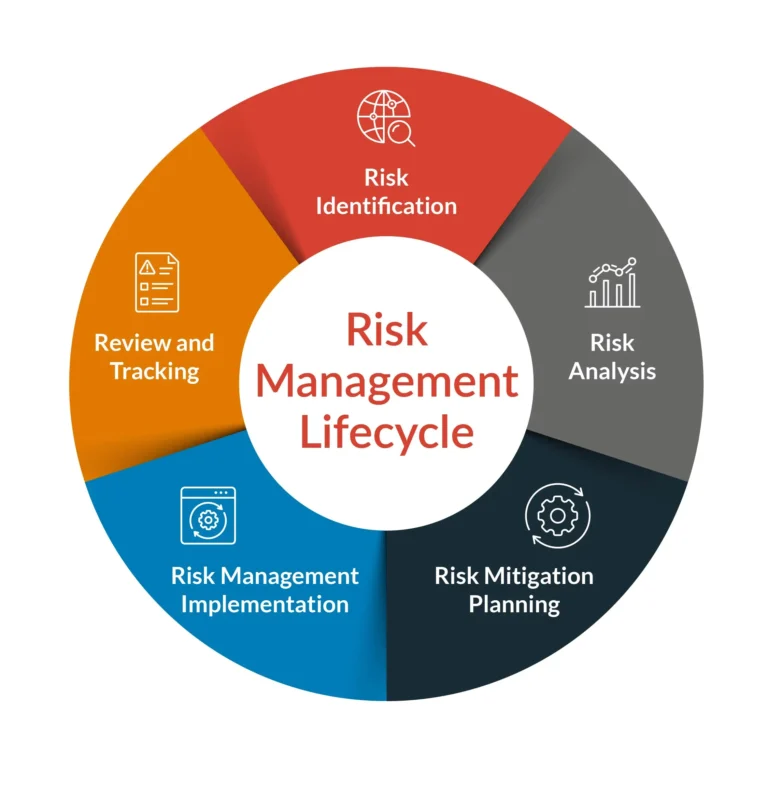
| Risk & Opportunity Closure | Risk Management Process | Risk Management |
| Configuration Status Accounting | Configuration Management Process | Configuration Management |
| Metrics & Performance Assessment | Measurement Process | Measurement |
| Lessons Learned | Organizational Project-Enabling Process | Knowledge Management |
| Stakeholder Sign-off | Stakeholder Needs & Requirements Definition Process | Stakeholder Engagement |
This mapping serves multiple purposes. It ensures regulatory compliance by demonstrating that your Part 15 addresses all required processes. It facilitates audits by providing clear traceability chains. And it helps reviewers quickly locate the standard basis for each content element.
Additional Standards for Specialized Domains
Programs with specialized requirements may need to address additional standards in their Part 15 documentation:
- Security Engineering: ISO/IEC 27001, NIST SP 800-160 (Systems Security Engineering)
- Software-Intensive Systems: ISO/IEC/IEEE 29119 (Software Testing)
- Reliability Engineering: MIL-HDBK-217, RIAC reliability prediction tools
- Space Systems: ECSS-E-ST-10C (European Cooperation for Space Standardization)
- Process Improvement: CMMI (Capability Maturity Model Integration)
- Assurance: ISO/IEC/IEEE 15026 (Systems and Software Assurance)
3. Required Content Framework – Subsections and Artifacts
A comprehensive Part 15 includes the following mandatory subsections, each with specific data items and artifacts that must be produced and preserved. The depth and formality of each subsection should be tailored based on program complexity, risk classification, and contractual requirements.
3.1 Final Verification and Validation Summary
This subsection documents the completion of all verification and validation activities. Required elements include verification against requirements, validation against stakeholder needs, and any deviations or waivers that were granted.
Key artifacts: Verification closure report, validation closure report, waiver/discrepancy logs, test summary reports
3.2 Acceptance Report
The acceptance report formally documents that the delivered system meets all contractual and specification requirements. It identifies the acceptance criteria applied and the evidence supporting acceptance determination.
Key artifacts: Formal acceptance certificate, acceptance criteria checklist with evidence cross-references, commissioning records
3.3 Risk and Opportunity Closure
This section provides the final status of all identified risks and opportunities, including those that were realized, mitigated, or accepted as residual risk.
Key artifacts: Final risk register extract, risk closure justifications, opportunity realization documentation
3.4 Configuration Status Accounting
Configuration status accounting captures the final state of all configuration items, including the approved baselines and the history of changes made during the program.
Key artifacts: Baseline definition documents, configuration item index, change request log with closure status
3.5 Metrics and Performance Assessment
Performance measurement data documents how the program performed against its cost, schedule, and technical performance objectives established in earlier SEP parts.
Key artifacts: Earned value management reports, schedule performance indices, technical performance measurement data, trend analysis
3.6 Lessons Learned
The lessons learned capture provides a structured record of knowledge gained during the program, including what worked well, what did not, and recommendations for future efforts.
Key artifacts: Lessons learned database entries, recommendations register, best practices compendium
3.7 Stakeholder Sign-off
Formal stakeholder concurrence demonstrates that all parties agree the program has achieved its objectives and is ready for closure.
Key artifacts: Signed concurrence letters, sign-off matrix, program closure notice
Quantitative Benchmarks by Program Type
While specific numbers vary widely, the following table provides general expectations for SEP documentation scale:
| Program Classification | Typical Part 15 Page Count | Verification Artifacts | Risk Register Entries | Required Signatories |
|---|---|---|---|---|
| ACAT I / Major Defense Acquisition Program | 50-150 pages plus appendices | Extensive evidence indexes | 100+ risks tracked | 10+ stakeholders |
| ACAT II / Major System | 20-50 pages | Detailed verification matrix | 30-100 risks | 5-10 stakeholders |
| ACAT III / Moderate Program | 10-25 pages | Summary verification reports | 10-30 risks | 3-5 stakeholders |
| Commercial / Small Program | 5-15 pages | Condensed documentation | 5-15 risks | 2-3 stakeholders |
4. Integration with Earlier SEP Parts
Part 15 cannot exist in isolation. Its value derives from its ability to connect final outcomes back to the plans, requirements, and commitments established throughout the earlier SEP parts.
Traceability Requirements
Effective integration requires bidirectional traceability:
- Forward traceability connects requirements from Part 4