In this guide
A Systems Engineering Plan (SEP) is the foundational planning document for any program requiring systems engineering rigor. This comprehensive guide covers SEP structure, EIA 632 and ISO/IEC/IEEE 15288 requirements, tailoring approaches, and implementation guidance for projects of all sizes.
Systems Engineering Plan FAQ: Complete SEP Guide 2024
Developing a Systems Engineering Plan can feel overwhelming, especially when balancing contractual requirements with practical implementation. Many practitioners struggle with determining the right level of detail, understanding which standards apply, and ensuring the SEP actually guides engineering work rather than gathering dust on a shelf. This guide addresses those pain points directly.
A SEP is not a template to be filled blindly or a bureaucratic checkbox. It is a living, project-specific artifact that defines how your team will apply systems engineering rigor to achieve successful outcomes. The authoritative foundation for any SEP rests on established standards including EIA 632 (Processes for Engineering a System), ISO/IEC/IEEE 15288 (Systems and Software Engineering — System Life Cycle Processes), and guidance from the INCOSE (International Council on Systems Engineering) Systems Engineering Handbook. Understanding these standards and knowing how to tailor them to your specific context is what separates effective SEPs from compliance exercises.
This guide covers tailoring depth based on project complexity, contract type, and organizational maturity. Whether you are drafting a SEP for a small software sprint or a multi-year defense aerospace program, you will find actionable guidance here.
1. What Is a Systems Engineering Plan (SEP)?
A Systems Engineering Plan is the top-level planning document that defines how systems engineering activities will be conducted on a program or project. It serves as the foundational roadmap for engineering a system from concept through disposal, establishing the technical framework that guides all subsequent engineering decisions.
Contractual and Regulatory Drivers
Many government and commercial contracts require a SEP as part of the proposal or as a deliverable after contract award. For defense programs, DoD Instruction 5000.02 mandates systems engineering planning as part of the acquisition process. NASA programs follow applicable NASA systems engineering standards, which prescribe the SEP as a core program management document. Even commercial contracts increasingly require demonstrated SE rigor, making a well-structured SEP a competitive advantage during proposal evaluation.
Distinction from General Project Planning
The SEP differs from general project planning documents in its exclusive focus on technical processes and system quality. While the Project Management Plan addresses budget, schedule, and resources, the SEP defines how technical requirements will flow into validated solutions. It bridges stakeholder expectations and engineering execution, ensuring that SE rigor is applied consistently throughout the system life cycle.
2. Core Sections of a SEP per EIA/ISO Standards
Both EIA 632 and ISO/IEC/IEEE 15288 provide frameworks for SEP content, though they use slightly different terminology. The following sections represent the typical content expected in a comprehensive SEP.
Program and Organizational Context
This section establishes the technical and organizational environment in which systems engineering will occur. It defines system boundaries, operating concept, and the relationships between the system being engineered and its enabling systems, support systems, and external interfaces.
Stakeholder Engagement and Requirements
Effective SEPs dedicate significant attention to stakeholder identification, expectation management, and the process for capturing, analyzing, and allocating requirements. This section defines how stakeholder needs will be translated into technical requirements and how ongoing stakeholder engagement will be maintained throughout the program.
Technical Planning and Life Cycle Phases
This section defines the system life cycle approach per ISO/IEC/IEEE 15288, including phase structure, phase entrance and exit criteria, and the technical activities planned for each phase. It establishes the technical roadmap from concept through retirement.
Requirements Management
Beyond initial requirements capture, this section addresses ongoing requirements management—including traceability, change control, and impact analysis. It defines how requirements will be maintained as the program evolves.
Design Definition and Architecture
This section outlines the approach for defining system architecture, allocating requirements to system elements, and managing design interfaces. It establishes how technical solutions will be developed and documented.
Verification and Validation Planning
The V&V section defines how each requirement will be verified (demonstrated, tested, analyzed, or inspected) and how the system will be validated against stakeholder needs. It includes planning for integration, system test, and operational test activities.
Risk and Opportunity Management
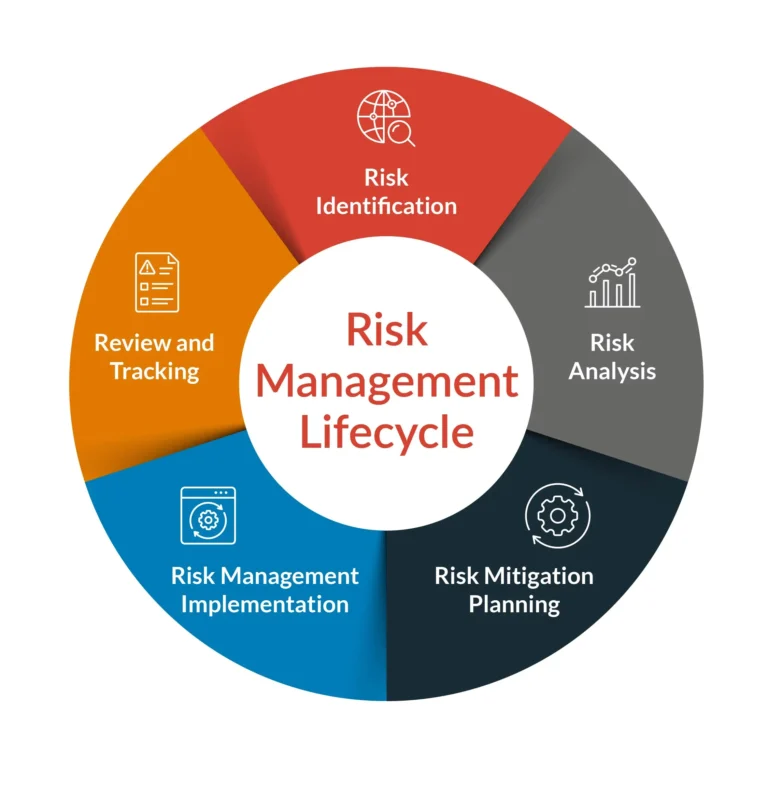
Effective SEPs include a robust framework for identifying, analyzing, planning response, and monitoring technical risks and opportunities throughout the program per EIA 632 process guidance.
Configuration Management and Data Management
These sections define how technical baselines will be established and controlled, and how program data will be managed, archived, and delivered according to contract requirements.
Interface Management
This section addresses the identification, documentation, and control of internal and external interfaces—both hardware and software—throughout the system life cycle.
Metrics and Indicators
Metrics section defines how technical progress, product quality, and process effectiveness will be measured and reported to stakeholders and management.
3. SEP vs SEMP: Key Differences from Other Documents
Practitioners frequently confuse the SEP with related program documents. Understanding the relationships and distinctions prevents duplication and ensures each document serves its intended purpose.
SEP vs. Project Management Plan (PMP)
The PMP encompasses the entire project—including budget, schedule, resources, procurement, and administrative controls. The SEP is narrower in scope but deeper in technical detail, focusing exclusively on engineering processes and system quality. The PMP typically references the SEP as a subsidiary plan, while the SEP acknowledges the PMP for schedule and resource constraints that affect technical planning. They are complementary documents that must be kept consistent.
SEP vs. Systems Engineering Management Plan (SEMP)
In many organizations, the terms SEP and SEMP are used interchangeably. Technically, the SEP represents the overall roadmap for all SE activities, while the SEMP often focuses specifically on how SE is managed—process governance, tooling selection, staffing plans, and reporting structures. Some programs have both documents; others consolidate them. The key is to clarify with your customer and organization early which convention applies.
SEP vs. Integrated Master Schedule (IMS)
The IMS is a time-based planning tool that defines when specific activities, milestones, and deliverables will occur. The SEP defines what technical work will be performed and why, and it references the IMS for timing. The SEP should be consistent with the IMS, but they serve different purposes—the SEP is about technical content; the schedule is about temporal execution.
4. When to Initiate and Maintain Your SEP
Initiation Timing
A preliminary SEP should be drafted during the proposal phase to communicate your systems engineering approach to potential customers. This preliminary version demonstrates your understanding of requirements and your ability to apply appropriate SE rigor. After contract award, the SEP is finalized and baselined during the early program phase or concept refinement stage.
Placement in the Project Lifecycle
The SEP spans the entire system life cycle, from pre-concept exploration through disposal activities. However, its content should evolve with each phase. Early phases focus on concept definition, stakeholder engagement, and planning detail. Later phases shift emphasis to implementation, verification, and transition activities.
Review and Update Cadence
Review the SEP at every major program milestone and phase gate—Preliminary Design Review, Critical Design Review, Manufacturing Readiness Review, and Test Readiness Reviews. For iterative or Agile programs, conduct SEP reviews at increment boundaries or sprint milestones. Significant scope changes, customer direction, or risk events should trigger immediate SEP revision with proper configuration control.
5. Tailoring SEP Depth: Small Projects vs Large Programs
Tailoring is perhaps the most critical skill in SEP development. Applying too much rigor wastes resources; too little creates compliance and execution risks. Use project complexity, contract type, and organizational maturity as your guides.
Framework for Tailoring
Consider three primary factors when determining SEP depth:
- Project size and complexity: A single-sponsor, single-discipline effort requires less detail than a multi-system, multi-contractor program.
- Contract type: Cost-plus contracts often warrant more extensive planning and documentation than firm-fixed-price arrangements where the contractor assumes more risk.
- Organizational maturity: Organizations with higher CMMI levels have established processes that can be referenced rather than fully documented, enabling leaner SEPs.
Tiered Example: Small Software Sprint Team
A small commercial software project might require a concise SEP containing essential sections at a summary level:
- Program context and system boundaries
- Stakeholder requirements summary and user story mapping approach
- Agile life cycle with sprint cadence and phase definitions
- Requirements management approach using backlog tools
- Verification approach (automated testing, sprint reviews)
- Risk management (lightweight risk board)
- Configuration management (repository strategy, branching model)
- Key metrics (velocity, defect rates, lead time)
Tiered Example: Defense Aerospace Program
A large defense aerospace program may require a comprehensive SEP with detailed annexes, including:
- Comprehensive program and organizational context
- Detailed stakeholder engagement plan with interface control working groups
- Technical review plan with entrance/exit criteria for each milestone
- Requirements verification matrix and traceability approach
- Risk and opportunity management plan with assessment methodologies
- Configuration management plan with data management requirements
- Interface control documents and interface specifications
- Specialty engineering integration (reliability, safety, cybersecurity)
- Metrics plan aligned with program office reporting
- Model-based systems engineering integration plans
6. Roles and Responsibilities for SEP Development
Ownership and Primary Authorship
The lead systems engineer or chief engineer typically owns and authors the SEP. This individual has the technical breadth and authority to define SE approaches across all engineering disciplines. In smaller organizations, this might be a single person; in larger programs, a lead SE writer coordinates inputs from multiple contributors.
Contributing Roles
Developing a quality SEP is a team effort. Key contributors include:
- Subsystem leads who provide technical detail for their domains
- Risk managers who contribute to risk and opportunity planning
- Quality engineers who address reliability and quality planning
- Project controls personnel who align technical planning with schedule and budget
- Configuration management leads who address data management and baseline control
Approval and Sign-Off
The program manager typically signs off on the SEP as part of the overall program baseline, acknowledging resource and schedule implications of the technical plan. In government contracts, the customer may require formal approval of the SEP before proceeding to certain phases. Ensure all stakeholder sign-off requirements are identified early.
7. Common Mistakes When Writing and Using a SEP
Mistake 1: Copying Templates Without Tailoring
One of the most common errors is adopting a template designed for a large defense program and applying it wholesale to a small commercial effort—or vice versa. The result is either overwhelming detail that nobody reads or insufficient rigor that creates execution problems. Always assess your project’s specific context before selecting template content.
Mistake 2: Treating the SEP as Static
The SEP must evolve with your program. A SEP that was accurate at contract award but was never updated after early phases becomes unsuitable for later execution phases. Establish clear revision triggers and update cadences, and ensure the SEP remains a living reference document.
Mistake 3: Disconnecting SEP Content from Execution
If your team does not reference the SEP during engineering work, the document has failed its purpose. The SEP should guide decisions, inform contractor selection, and structure technical reviews. If engineers view the SEP as a compliance artifact unrelated to their daily work, the planning effort was wasted.
Mistake 4: Inadequate Risk Coverage
Many SEPs treat risk management superficially, including only obvious technical risks without systematic identification and analysis. Develop a comprehensive risk and opportunity framework per EIA 632 guidance that addresses technical, programmatic, and external risks throughout the system life cycle.
Mistake 5: Version Control Failures
Configuration management of the SEP itself is often neglected. Establish clear version control procedures, document history, and distribution controls. Ensure all stakeholders know which version is current and approved.
Mistake 6: Excessive Early-Phase Detail
Resist the temptation to document every verification procedure or interface definition during early concept phases. Much of this content will change as the design matures. Apply detail progressively—document what you know, plan for what you do not, and defer detailed planning until you have sufficient information to do it accurately.
8. Industry SEP Templates and References (NASA, DoD, INCOSE)
INCOSE Resources
The INCOSE Systems Engineering Handbook provides foundational guidance for SEP development. INCOSE also offers guidance on tailoring SE processes for different contexts. Their resources are vendor-neutral and applicable across industries.
NASA-STD-7123.1
The NASA Systems Engineering Handbook is one of the most comprehensive SEP guides available. It provides detailed section-by-section guidance with examples tailored to NASA programs. Even if you are not working on NASA contracts, this document offers valuable insights into structuring comprehensive SE planning.
DoD Systems Engineering Guidebook
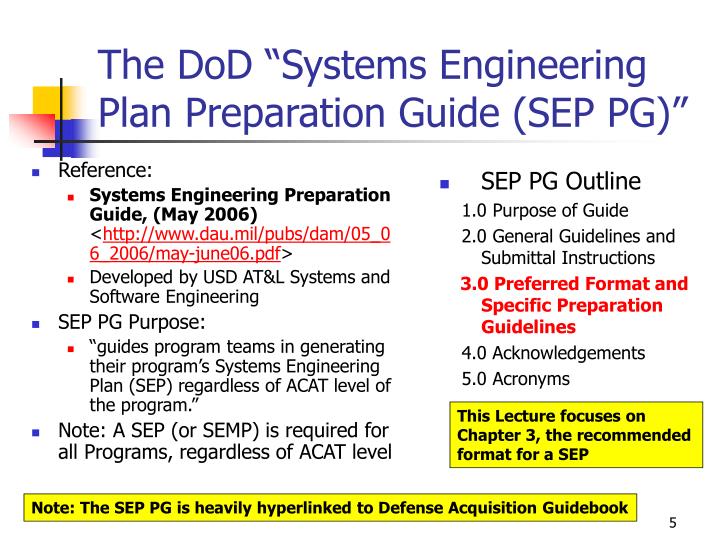
The DoD Systems Engineering Guidebook provides military acquisition-specific guidance, including SEP templates and examples aligned with DoD Instruction 5000.02. Defense contractors working on government programs should familiarize themselves with this resource.
ISO/IEC/IEEE 15288
The ISO/IEC/IEEE 15288 international standard for system life cycle processes provides the underlying framework that many industry-specific guides adapt. Understanding this standard gives you the foundation to interpret any of the above guides effectively.
Selecting and Adapting Resources
Choose the template that best aligns with your contract requirements and organizational context. Defense aerospace programs should prioritize DoD and NASA resources. Commercial software efforts may find INCOSE guidance more appropriate. In all cases, tailor the content to your specific project rather than adopting any template wholesale.
9. Integrating SEP with MBSE and Modern SE Practices
Model-Based Systems Engineering, Agile methodologies, and DevSecOps pipelines require thoughtful SEP integration. The core planning content remains relevant, but how it is documented and maintained must evolve.
SEP and MBSE Integration
When employing MBSE, the SEP should reference the architecture models, viewpoints, and languages used per ISO/IEC/IEEE 42010. Instead of extensive narrative documentation, the SEP might direct readers to specific models for detailed requirements, interface definitions, or verification traceability. The SEP becomes a guide to navigating the model ecosystem rather than a comprehensive document in itself.
SEP and Agile/Iterative Approaches
Agile programs still need planning rigor, but the SEP should reflect iterative delivery. Define increment boundaries, sprint objectives, and how each iteration contributes to overall system development. The SEP should address how requirements are managed through backlogs, how verification is accomplished incrementally, and how technical reviews align with sprint demonstrations.
SEP and DevSecOps Pipelines
DevSecOps introduces continuous integration, delivery, and deployment practices that compress traditional V&V timelines. The SEP should describe automated testing strategies, pipeline architecture, and how security is integrated throughout development. Verification activities that once occurred at phase boundaries now occur continuously.
Maintaining the SEP in Modern Environments
Modern SE practices may reduce SEP narrative length but do not eliminate the need for strategic planning. The SEP remains the authoritative reference for how technical rigor will be applied—it just may be shorter and more heavily linked to dynamic artifacts like models, backlogs, and pipelines.
Frequently Asked Questions
- Q: What is a Systems Engineering Plan and why is it required?
- A: A SEP is the top-level planning document that defines how systems engineering activities will be conducted on a program or project. It is required on many government and defense contracts per standards such as EIA 632 and ISO/IEC/IEEE 15288, and serves as the contractual bridge between stakeholder expectations and engineering execution, ensuring SE rigor is applied consistently throughout the life cycle.
- Q: What are the mandatory sections of a SEP per EIA/ISO standards?
- A: Per EIA 632 and ISO/IEC/IEEE 15288, a SEP typically includes: program and organizational context, stakeholder requirements, technical planning (life cycle phases), requirements management, design definition, verification and validation planning, risk and opportunity management, configuration management, data management, interface management, metrics and indicators, and specialty engineering integration. The specific depth and format of each section should be tailored to the project.
- Q: How does a SEP differ from a Project Management Plan (PMP)?
- A: The PMP focuses on the overall project—schedule, budget, resources, and administrative controls. The SEP is narrower and deeper, focusing exclusively on the engineering processes, technical rigor, and system quality. They are complementary; the SEP is typically a subsidiary plan under the PMP, and the PMP references the SEP for technical planning commitments.
- Q: When should a SEP be initiated in the project lifecycle?
- A: Ideally, a preliminary SEP is drafted during the proposal phase to communicate your SE approach to the customer. It is finalized and baselined shortly after contract award, typically during early concept phases or beginning of concept refinement. The SEP should be treated as a living document, updated at each major phase gate to reflect current program status and evolving requirements.
- Q: Who is responsible for developing and maintaining the SEP?
- A: The lead systems engineer or chief engineer is typically the owner and primary author. However, developing a quality SEP is a team effort—inputs come from subsystem leads, risk managers, quality engineers, and project controls. The program manager signs off on the SEP as part of the overall program baseline, and the customer may require approval as well.
- Q: How detailed should a SEP be for small projects versus large programs?
- A: Tailoring is key. Small commercial software projects may need concise SEPs covering the core sections at a high level. Large defense programs may require comprehensive SEPs with detailed annexes, model references, and extensive risk and verification matrices. Use project complexity, contract risk, and organizational maturity as guides—not a one-size-fits-all template.
- Q: What is the relationship between SEP and SEMP?
- A: In many organizations, the terms SEP and SEMP (Systems Engineering Management Plan) are used interchangeably or the SEMP is a sub-plan of the SEP. Technically, the SEP (Systems Engineering Plan) is the overall roadmap for all SE activities, while the SEMP often focuses on how SE is managed—process governance, tooling, staffing, and reporting. Confirm your organization’s definitions and customer expectations early.
- Q: How often should a SEP be reviewed and updated?
- A: Review the SEP at every major program milestone or phase gate such as PDR, CDR, and MRR. For Agile or iterative programs, the SEP should be reviewed at major increment boundaries or sprint milestones to ensure alignment. Significant scope changes, customer direction, or risk events should trigger an immediate SEP revision with proper configuration control.
- Q: What common mistakes occur when writing a SEP?
- A: Common mistakes include: (1) copying a template without tailoring to project context, (2) treating the SEP as a compliance checkbox rather than a working reference, (3) disconnecting SEP content from actual engineering practices, (4) omitting or underestimating risk management, (5) failing to update the SEP after phase transitions, and (6) creating excessive detail for early phases that adds no value and becomes obsolete quickly.
- Q: Are there industry-specific SEP templates from INCOSE, NASA, or DoD?
- A: Yes. Key resources include: the INCOSE Systems Engineering Handbook and SEP guidance, the NASA Systems Engineering Handbook (NASA-STD-7123.1), the DoD Systems Engineering Guidebook aligned with DoD Instruction 5000.02, and ISO/IEC/IEEE 15288. Most of these are publicly available and provide section-by-section guidance. Choose the template that best aligns with your contract requirements and tailor it to your project’s specific context.
Conclusion
A well-crafted Systems Engineering Plan is not bureaucratic formality—it is a strategic tool that aligns engineering rigor with project goals. The difference between a successful program and a troubled one often traces back to planning quality. Programs that invest in thoughtful SEP development establish clear expectations, identify risks early, and maintain stakeholder alignment throughout the system life cycle.
Remember that tailoring is the mark of an effective systems engineer. Applying a comprehensive SEP template to a small project wastes resources and creates resentment; applying a minimal approach to a complex program creates execution chaos. Match your SEP depth to project complexity, contract type, and organizational maturity.
Use the authoritative standards—EIA 632, ISO/IEC/IEEE 15288, and INCOSE guidance—as your foundation. Engage stakeholders early and often. Treat the SEP as a living reference that evolves with the program, not a document written once and forgotten. When your team references the SEP to make decisions, when it guides technical reviews, and when it reflects actual engineering practice, you have succeeded.
Start your next program with a clear planning foundation. Your stakeholders, your team, and your system will benefit from the discipline that a thoughtful SEP provides.