In this guide
Systems Engineering Plan Part 18: Post-Development Guide
Last updated: 2024 | Difficulty: Advanced | Reading time: 25 minutes
Direct Answer
Part 18 of a Systems Engineering Plan captures all planning and execution activities required after a system is developed and deployed, including maintenance strategy, logistics support, operational support, continued verification, configuration management, and risk management. It ensures the system remains reliable, compliant, and cost-effective throughout its operational life by establishing clear strategies, integrating with earlier SEP sections, and maintaining end-to-end traceability.
1. Part 18 Overview: Role, Importance, and SEP Placement
In many Systems Engineering Plan (SEP) structures used across aerospace, defense, and complex commercial programs, post-development planning occupies the final planning position within the document. However, organizations should note that specific SEP section numbering varies by program context, contract requirements, and organizational standards. This section defines what will be done to keep the system operational, support its users, and eventually retire or replace it with minimal disruption.
The role of Part 18 is to translate the requirements, design decisions, and verification results captured in earlier sections into actionable, long-term support commitments. ISO/IEC/IEEE 15288:2023 establishes the framework for system life cycle processes, including the Operations Process (Clause 4.5) and Support Processes that Part 18 implements. INCOSE guidance emphasizes that post-development planning should begin early, ideally during the concept and development phases, to ensure supportability is designed into the system rather than added later.
The value Part 18 adds to the system lifecycle includes:
- Reduced operational costs through proactive maintenance strategy planning
- Improved system availability through strategic logistics support
- Continued compliance with regulatory requirements
- Documented traceability that supports future upgrades or system replacements
Without this section, organizations risk unplanned downtime, spiraling support costs, and inability to demonstrate that the deployed system continues to meet its requirements.
2. Post-Development Planning Domains
A robust post-development plan addresses three interconnected domains: maintenance strategy, logistics support, and operational support. Together, these domains ensure the system remains functional, supported, and aligned with user needs throughout its operational life.
2.1 Maintenance Strategy
The maintenance strategy defines how the system will be kept in working condition. This includes:
- Preventive maintenance scheduled at regular intervals
- Corrective maintenance to repair failures when they occur
- Adaptive or perfective maintenance to improve performance or adapt to changing requirements
The strategy should specify maintenance intervals, resource requirements, skill levels needed, and downtime tolerances. For example, a radar system deployed in a remote location might require modular components that can be replaced in the field within four hours, influencing both design decisions and logistics planning.
2.2 Logistics Support
Logistics support encompasses all activities required to deliver maintenance capability to the system location. This includes spare parts management, provisioning of test equipment, technical data distribution, and supply chain coordination. ANSI/EIA-632-1999 processes emphasize that logistics support should be planned concurrently with system design to ensure supportability requirements are captured and achievable.
2.3 Operational Support
Operational support covers the day-to-day activities that keep the system performing its intended function, including operator training, help desk services, performance monitoring, and data collection for future improvements. This support must be resourced adequately, with clear responsibilities assigned to specific organizational units or external partners.
2.4 End-of-Life Planning
End-of-life considerations should also be addressed, including disposal planning, data archiving, knowledge transfer to replacement systems, and environmental compliance. Planning for end-of-life early prevents last-minute scrambles and ensures valuable institutional knowledge is preserved. For commercial products, this may include compliance with RoHS (Restriction of Hazardous Substances) and WEEE (Waste Electrical and Electronic Equipment) directives.
3. Verification, Validation, and Certification Strategy
Verification and validation do not end when a system is deployed. Part 18 must define how these activities continue throughout the operational phase to demonstrate continued compliance with requirements and fitness for use.
3.1 Continued Verification
Continued verification ensures the system continues to meet its technical specifications. This may involve periodic testing, health monitoring, and performance trending. For safety-critical systems, verification might include regular inspections, calibration of instruments, or functional checks after maintenance activities. The approach should reference the verification methods established during development, such as analysis, demonstration, examination, or testing (per ISO/IEC/IEEE 15288:2023 Clause 4.4.5), and adapt them for operational conditions.
3.2 Validation
Validation confirms the system still meets stakeholder needs in its operational context. User feedback, operational assessments, and mission performance reviews all contribute to validation activities. Changes in the operational environment, user needs, or technology may require revalidation of certain system functions.
3.3 Certification Requirements
Certification requirements vary depending on the system domain and applicable regulations. Aerospace systems must maintain airworthiness certification, medical devices require ongoing compliance with FDA requirements, defense systems may need to demonstrate continued conformance with contract specifications, and nuclear systems must comply with NRC regulations. Part 18 should identify all applicable certifications, their renewal intervals, and the evidence required to maintain them.
IEEE Std 829-2008 provides the standard for software test documentation, but its principles extend to system-level verification activities. Test plans, test cases, test logs, and test reports should be maintained and updated as the system evolves.
4. Configuration Management and Change Control
Configuration management maintains the integrity of the system throughout its life by controlling changes, recording the current configuration state, and ensuring all stakeholders have access to accurate information. Part 18 must integrate configuration management processes specifically for post-development activities.
4.1 Configuration Identification
Configuration identification establishes the baseline for the operational system and defines how subsequent changes will be documented. This includes assigning unique identifiers to configuration items, establishing the format for configuration documentation, and defining the relationship between system components and their supporting documentation.
4.2 Change Control
Change control processes ensure that modifications to the operational system are reviewed, approved, and implemented in a controlled manner. A change control board typically reviews proposed changes, assesses their impact on cost, schedule, performance, and safety, and authorizes implementation. Part 18 should specify the change control authority, the criteria for categorizing changes (minor versus major), and the escalation procedures for urgent changes.
Per MIL-STD-973, configuration management provides the discipline for managing changes and maintaining traceability throughout the system lifecycle.
4.3 Configuration Status Accounting
Configuration status accounting tracks the current configuration of all system items and the history of changes. This information supports troubleshooting, maintenance planning, and audit requirements.
4.4 Traceability Integration
Traceability integration connects post-development changes back to the original requirements and design decisions captured in earlier SEP sections. A traceability matrix serves as the primary tool for maintaining this connection.
5. Risk Management for Post-Development Lifecycle
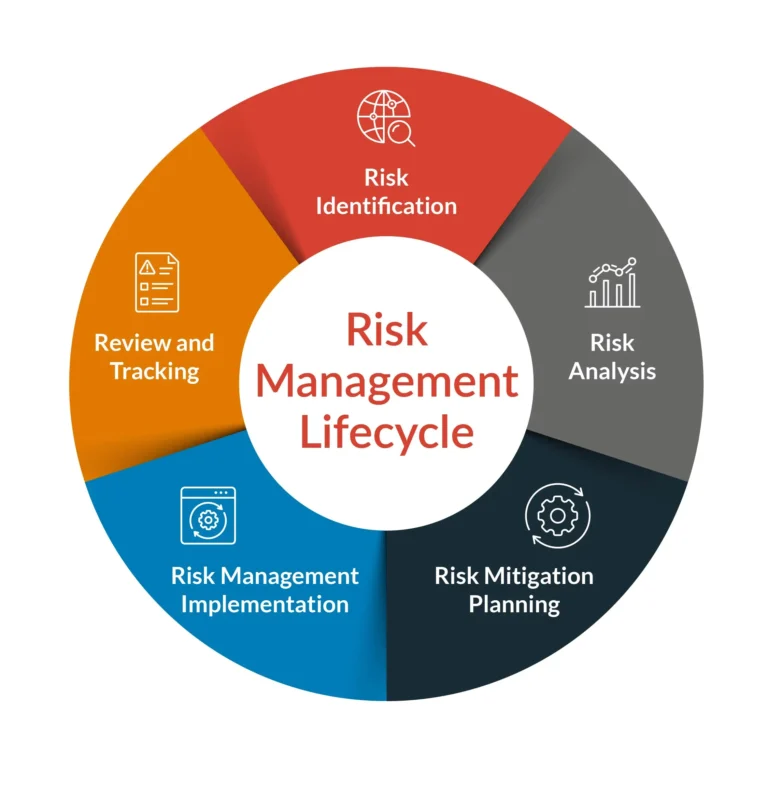
Risk management in the post-development phase introduces risks that differ from those encountered during development. Part 18 must identify these risks, assess their potential impact, and define mitigation strategies.
5.1 Obsolescence Risk
Obsolescence risk represents one of the most significant long-term threats. Components, software libraries, and supporting technologies may no longer be available as manufacturers discontinue products. Part 18 should include an obsolescence monitoring process, identify critical single-source components, and establish strategies such as lifetime buys, alternative supplier qualification, or redesign planning.
5.2 Supply Chain Vulnerabilities
Supply chain vulnerabilities have become increasingly prominent. Geographic disruptions, supplier financial instability, or quality issues can delay maintenance activities. Mitigation strategies include diversifying suppliers, maintaining safety stock, establishing long-term agreements, and monitoring supplier performance.
5.3 Long-Term Staffing
Long-term maintenance staffing presents challenges as original design engineers retire. Knowledge transfer programs, comprehensive documentation, and cross-training help preserve critical expertise.
5.4 Cybersecurity Considerations
Cybersecurity post-development requires ongoing vulnerability management, patch management, and monitoring for threats. Reference the CVE (Common Vulnerabilities and Exposures) database for known vulnerabilities affecting system components.
5.5 Risk Register
Risk management activities should be embedded into the Part 18 workflow, with regular risk reviews conducted as part of ongoing operational management. A risk register should capture identified risks, their likelihood and impact, assigned owners, and mitigation status.
6. Documentation Standards and Required Artifacts
Effective post-development support depends on comprehensive, accessible documentation. Part 18 must specify documentation standards, identify required artifacts, and provide templates that ensure consistency and completeness.
6.1 Required Artifacts
- Support Plan: Master document defining all post-development support activities
- Maintenance Procedures: Detailed instructions for preventive and corrective tasks
- Logistics Support Plan: Spare parts, test equipment, technical data, supply chain
- Verification Records: Documentation of ongoing V&V activities
- Configuration Management Plan: Change control and status accounting procedures
- Risk Register: Records of identified risks and mitigation status
- Training Materials: Operator and maintenance training documentation
- User Manuals and Technical Publications: System operation and maintenance guides
6.2 Software-Specific Considerations
For software-intensive systems, Part 18 should address:
- CI/CD Integration: Continuous integration/continuous deployment pipelines for updates
- DevSecOps Practices: Security integration throughout the software lifecycle
- SBOM Management: Software Bill of Materials for vulnerability tracking
- Patch Management: Processes for deploying security updates per DO-178C where applicable
6.3 Template Structure
A post-development planning template should include:
- Section 1 – Purpose and Scope: Objectives and system elements covered
- Section 2 – Support Strategy: Maintenance, logistics, and operational support approach
- Section 3 – Verification and Validation: Ongoing V&V activities and certification requirements
- Section 4 – Configuration Management: Change control and documentation
- Section 5 – Risk Management: Key risks and mitigation strategies
- Section 6 – Resources and Schedule: Personnel, facilities, equipment, budget
- Section 7 – Integration with Other SEP Sections: Linkages and traceability
- Section 8 – Appendices: Templates, checklists, supporting data
7. Cross-Section Integration and Traceability
Part 18 must integrate seamlessly with earlier sections of the SEP to maintain end-to-end traceability and ensure consistency across the system lifecycle.
7.1 Requirements Baseline Linkage
Each support activity should trace to one or more requirements, demonstrating that the support plan satisfies those requirements throughout the operational life. For example, a reliability requirement might generate preventive maintenance intervals, while a maintainability requirement might drive component accessibility design.
7.2 Design Specifications Connection
Part 18 should reference design documents, interface control documents, and technical drawings that define the system’s physical and functional characteristics.
7.3 Traceability Matrix
The traceability matrix maps each Part 18 activity or artifact back to its source in the requirements, design, or verification sections. A well-maintained matrix enables impact analysis when requirements change and supports audit activities.
7.4 INCOSE Handbook Mapping
The following table maps Part 18 sections to corresponding INCOSE Systems Engineering Handbook v4 content:
| Part 18 Section | INCOSE SEH v4 Chapter | ISO/IEC/IEEE 15288 Process |
|---|---|---|
| Support Strategy | Chapter 9: System Engineering Management | Operations Process (4.5) |
| Verification & Validation | Chapter 6: System Verification & Validation | Verification Process (4.4.5) |
| Configuration Management | Chapter 9: Technical Management | Configuration Management Process (6.3) |
| Risk Management | Chapter 9: Risk Management | Risk Management Process (6.4) |
| Logistics Support | Chapter 10: Specialty Engineering | Supply Process (8.3) |
8. Best Practices, Pitfalls, and Quick-Start Checklist
8.1 Best Practices
- Start planning early: Integrate supportability considerations into system design from the concept phase onward.
- Involve stakeholders: Engage operators, maintenance personnel, logistics experts, and customers in defining support requirements.
- Design for supportability: Apply maintainability design principles, including accessibility, testability, and standard interfaces.
- Adopt modular support approaches: Structure the system and support approach to allow independent updates.
- Validate through exercises: Test the support plan through simulations or tabletop exercises.
- Maintain living documentation: Update Part 18 as the system evolves.
8.2 Common Pitfalls to Avoid
- Incomplete support definitions: Failing to specify all maintenance activities leads to unexpected costs.
- Weak regulatory integration: Overlooking certification requirements can result in non-compliance.
- Traceability gaps: Poor linkage between Part 18 and earlier SEP sections makes compliance difficult to demonstrate.
- Insufficient risk identification: Neglecting long-term risks such as obsolescence creates vulnerability.
- Static documentation: Producing a plan that is not maintained results in outdated guidance.
8.3 Quick-Start Checklist
- Review system requirements and identify all support-related requirements
- Define the maintenance strategy (preventive, corrective, adaptive)
- Develop the logistics support plan (spares, test equipment, supply chain)
- Document the verification and validation approach for the operational phase
- Specify configuration management and change control procedures
- Identify and assess risks for the post-development lifecycle
- Define resource requirements (personnel, facilities, budget)
- Create or adapt template to program context
- Establish traceability matrix linking to earlier SEP sections
- Conduct peer review and stakeholder validation
- Set schedule for periodic Part 18 updates
8.4 Make-Buy-Maintain Analysis Decision Matrix
Consider using a decision matrix to evaluate whether to make, buy, or maintain support activities internally:
| Factor | Make (Internal) | Buy (Contractor) | Maintain (Hybrid) |
|---|---|---|---|
| Core Competency | Strategic advantage | Non-core activity | Mixed importance |
| Cost Efficiency | Economies of scale | Variable costs | Optimized mix |
| Risk Control | Full visibility | Dependent on vendor | Shared responsibility |
| Staffing Availability | Requires retention | No internal headcount | Flexible resourcing |